Long lines at the cash register are a major headache for shoppers. They hurt the customer experience and limit how much a store can sell. This is especially true during busy times like holidays or weekends.
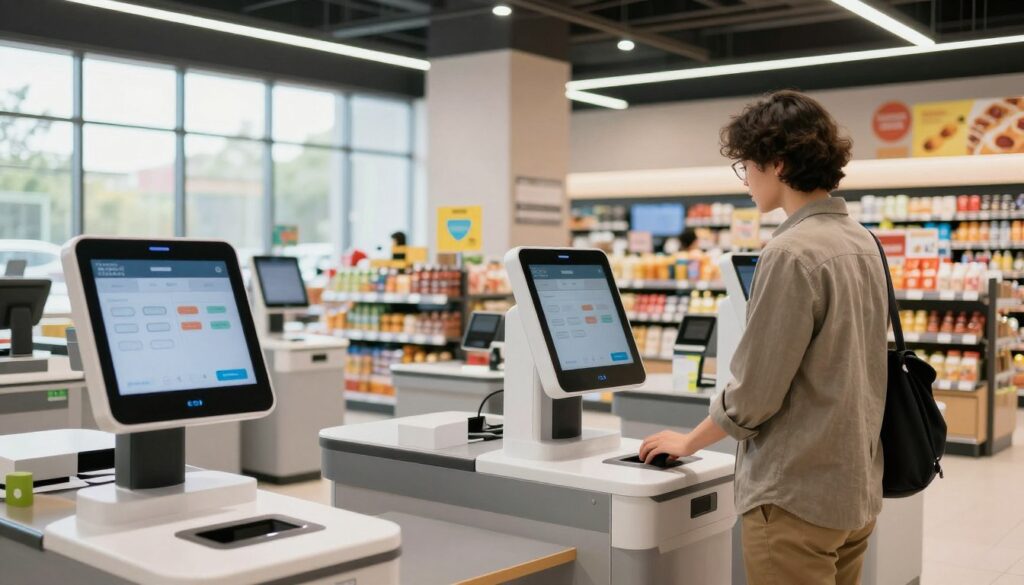
For store owners, these delays are more than just an annoyance. They represent lost sales and frustrated shoppers who might not return. Retailers need a better way to handle high traffic without adding more staff or checkout lanes.
Modern technology offers a powerful solution. Automated checkout systems can speed up transactions dramatically. This allows a business to serve more people in less time, turning a bottleneck into an opportunity.
The move toward automation is changing the fundamental shopping journey. It creates a smoother, faster, and more pleasant experience for everyone. This guide explores how this innovation works and why it’s essential for modern commerce.
Key Takeaways
- Long checkout lines drive customers away and cap sales, especially during peak hours.
- Automated systems are a direct answer to improving store throughput and efficiency.
- This technology addresses core operational challenges for retailers.
- Shoppers today expect speed and convenience at every point of sale.
- Implementing these solutions can lead to higher customer satisfaction and loyalty.
- Stores can handle significantly higher transaction volumes without physical expansion.
- The right tools transform the payment process from a wait into a seamless moment.
Introduction to Smart Retail Checkout Automation
A seamless fusion of in-store experiences and digital capabilities defines today’s retail landscape. This blend, often called smart retail, uses technology to support every shopper interaction.
It specifically tackles the frustrating bottleneck at the register during busy periods. Long waits drain staff resources and often lead to abandoned carts.
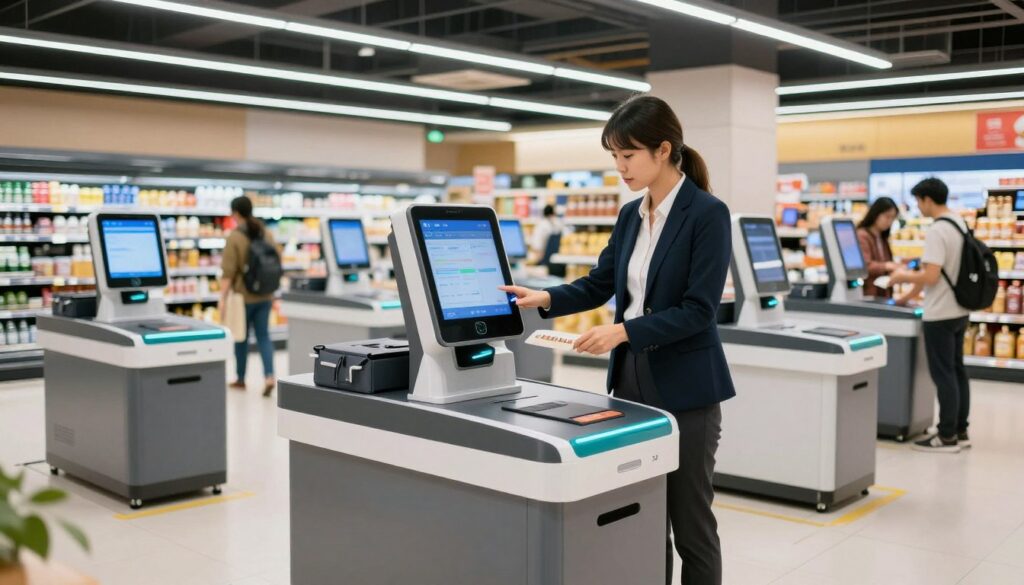
Automated solutions range from self-service kiosks to cashier-less formats. These tools track purchases using sensors and computer vision.
The value extends beyond convenience. It optimizes labor, improves accuracy, and gathers vital purchase data.
Modern systems connect with existing store infrastructure. This creates a unified ecosystem for management and sales.
| Aspect | Traditional Checkout | Automated Checkout |
|---|---|---|
| Staffing Requirement | High (1+ cashiers per lane) | Low (monitoring only) |
| Transaction Speed | Slower, manual scanning | Faster, seamless processing |
| Customer Experience | Often frustrating queues | Streamlined, self-directed |
| Integration Capability | Limited, often standalone | High, connects to inventory & CRM |
| Cost Efficiency | Higher ongoing labor costs | Lower operational overhead |
Early adopters see much higher transaction throughput. This technology is now accessible for mid-size establishments seeking a competitive edge.
The Evolution of Retail Automation & AI Integration
Retail operations have transformed dramatically since the first barcode was scanned decades ago. What began in the 1970s as simple price tracking has evolved into sophisticated, AI-powered Retail Automation. Today’s merchants face immense pressure from ecommerce, rising costs, and wage demands. This makes advanced systems essential for survival.
The current frontier is AI in Retail. Machine intelligence analyzes vast amounts of customer data. It predicts demand, optimizes pricing, and personalizes shopping at scale. This artificial intelligence creates competitive advantages traditional stores cannot match.
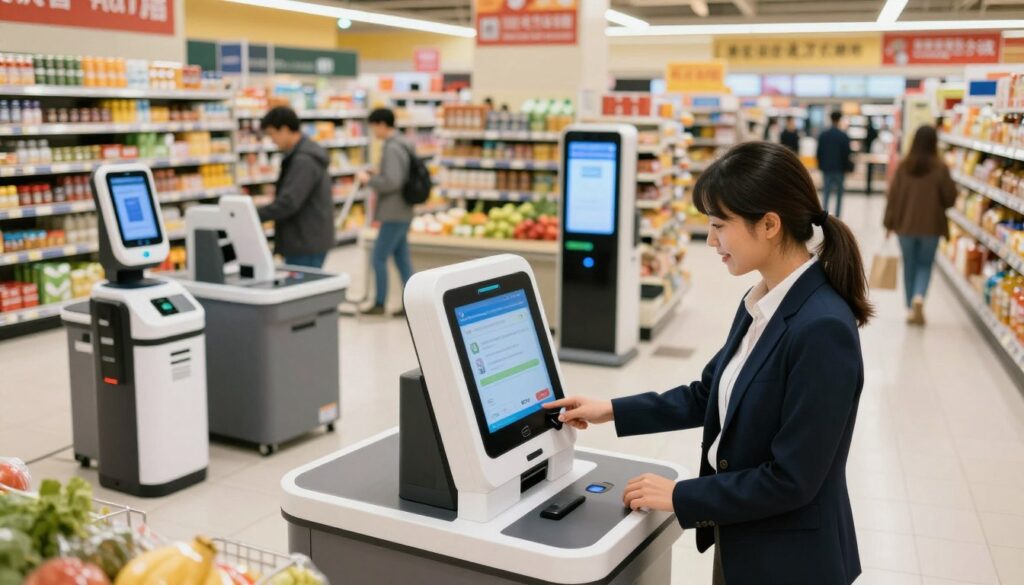
Market projections confirm this shift is accelerating. The global AI in retail market is expected to reach $15.3 billion by 2025. Overall retail automation is set to hit $33 billion by 2030. According to McKinsey, generative AI could unlock $240 to $390 billion in value for the sector.
This evolutionary trajectory shows no signs of slowing. Emerging technology like advanced computer vision continues to expand possibilities. For modern retailers, integrating these intelligent systems is no longer just an option. It is the key to future growth and efficiency.
Benefits of Smart Billing Process and AI in Retail
Implementing intelligent checkout systems delivers concrete advantages for both store operations and the people shopping there. These benefits directly tackle the core challenges of modern commerce.
Enhanced Operational Efficiency
The Smart Billing Process fundamentally transforms store economics. It cuts the labor intensity of checkout while boosting transaction speed and accuracy.
This efficiency allows businesses to reallocate staff from repetitive tasks. They can focus on higher-value work like personalized service and inventory management.
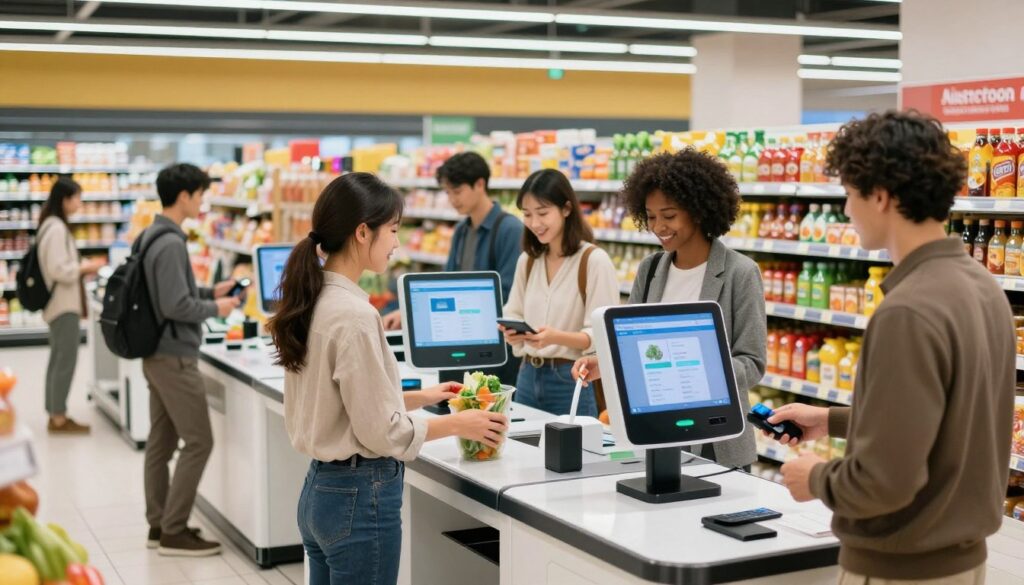
According to a Capgemini survey, retailers using this technology noted an 11% rise in customer visits. Superior operations attract more foot traffic and improve the overall shopping experience.
Reduced Customer Wait Times
This addresses the primary friction point in any store. Long lines directly cause lost sales, as many shoppers simply leave without buying anything.
Automated systems process transactions in a fraction of the time. Some formats even eliminate the wait entirely by charging shoppers as they exit.
Data shows broad acceptance of this convenience. Over 74% of people prefer automated interactions for common queries. This comfort extends directly to a faster, frictionless checkout time.
Smart Retail, Retail Automation, Smart Billing Process, AI in Retail, Smart IoT
The physical store is undergoing a digital metamorphosis, powered by interconnected devices and real-time data streams. This network of sensors and smart equipment forms the foundation of a responsive commercial environment.
Market projections highlight this massive shift. The IoT-enabled retail sector is predicted to be valued at $94 billion by 2025. This growth reflects the unlimited possibilities these breakthroughs provide.
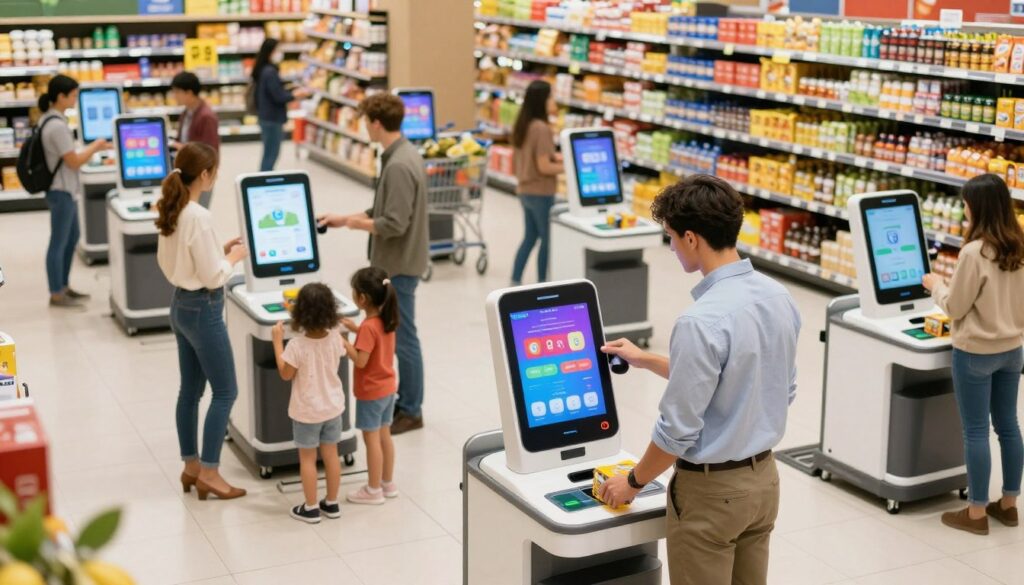
These connected technologies create a synergistic stack. Shelf monitors track inventory, while beacons enable personalized marketing. The entire ecosystem gathers continuous data on operations and shopper behavior.
For retailers, this delivers unprecedented visibility. It enables data-driven decisions across all business functions. The integration with artificial intelligence creates self-improving systems that adapt automatically.
Comprehensive solutions offer a clear competitive edge. They boost productivity, enhance the customer experience, and establish new, insight-based business models. This connected intelligence is now essential for modern commerce.
Cutting-Edge AI and IoT Technologies in Smart Retail
Modern commerce now hinges on the seamless integration of predictive software and sensor networks. This fusion, known as AIoT, combines real-time data collection with analytical intelligence.
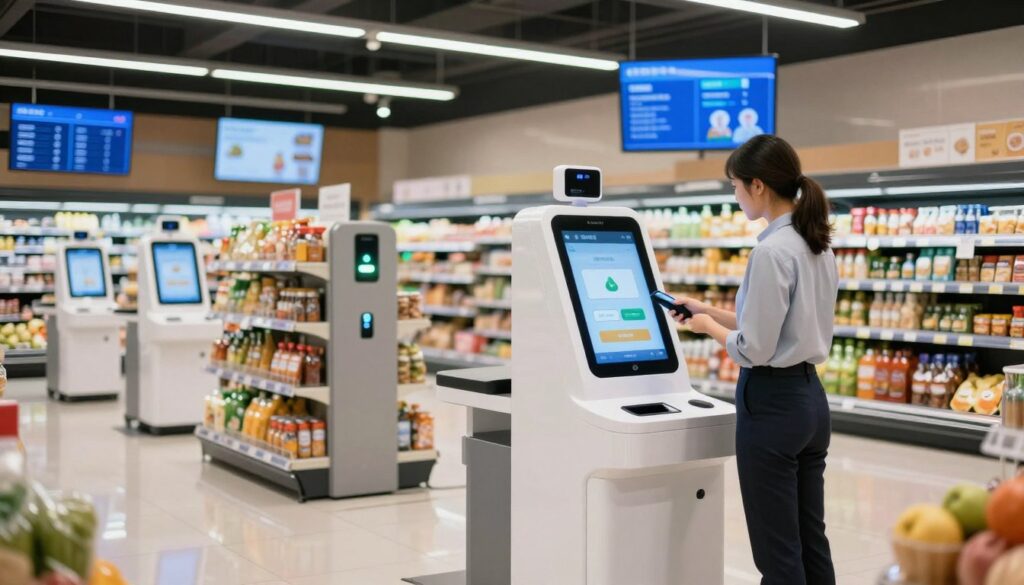
Smart shelf sensors monitor stock levels instantly. They connect to enterprise software to automate reordering. This prevents empty shelves and optimizes supply chains.
Cameras and beacons track shopper dwell time. This behavioral data identifies genuine product interest. Stores can then trigger personalized offers at the perfect moment.
Edge computing processes information locally on kiosks and carts. It enables ultra-fast, personalized promotions without latency. Computer vision systems analyze customer movements for deeper insights.
| Store Function | Traditional Approach | AIoT-Enabled Solution |
|---|---|---|
| Inventory Management | Manual stock checks | Automated, sensor-driven alerts |
| Customer Insight | Surveys & guesswork | Real-time behavioral tracking |
| Checkout Process | Cashier-dependent | Sensor fusion for seamless exit |
| Data Analysis | Periodic reports | Continuous machine learning |
Connected platform architectures unify disparate store systems. They create a single ecosystem for smooth information flow. Machine learning algorithms find patterns in this data.
These advanced solutions give retailers proactive decision-making power. They move from reactive operations to predictive management. This technology stack is the new foundation for competitive stores.
Customer Experience Revolution with Smart IoT Innovations
Innovative technologies are turning routine shopping trips into curated journeys of discovery. Connected devices and data now allow stores to anticipate needs and remove friction at every step.
This revolution moves beyond simple transactions. It builds deeper relationships through tailored interactions.
Personalized Interaction Strategies
Advanced personalization leverages purchase history and real-time behavior. For example, Sephora’s Color IQ scans a shopper’s skin to match perfect foundation shades.
These AI-generated recommendations link directly to loyalty accounts. They ensure consistent experiences across all channels.
Relevance builds trust. A significant 72% of consumers trust companies more when recommendations feel highly relevant to their needs.
This data-driven approach transforms marketing into contextual commerce. Offers appear precisely when interest is demonstrated.
Frictionless Checkout Experience
The pinnacle of convenience is eliminating the wait. Amazon’s Just Walk Out technology uses ceiling cameras and shelf sensors.
It automatically identifies selected items and charges customers as they exit the store. Checkout time drops to zero seconds.
Complementary tools like Dash Carts track purchases in real-time. Shoppers see a running total and finalize payment without stopping.
These innovations respect the shopper’s most valuable resource—time. They dramatically enhance customer satisfaction and loyalty by delivering a superior, modern experience.
Optimizing Inventory and Supply Chain Efficiency with Automation
Billions of dollars are lost annually by merchants due to two opposing problems: empty shelves and overstocked backrooms. This chronic inventory inefficiency stems from poor tracking and forecasting.
Connected tracking sensors now provide complete visibility. They monitor a product‘s journey from manufacture to final purchase in real-time. Three-quarters of merchants plan to use this technology for supply chain management.
Item-level tagging boosts inventory accuracy to 95%. This eliminates the discrepancies that plague manual stock counts.
| Management Aspect | Traditional Method | Automated System |
|---|---|---|
| Accuracy Rate | ~65-75% (manual counts) | ~95% (RFID/sensor tags) |
| Reorder Trigger | Periodic review & guesswork | Real-time analytics & alerts |
| Demand Forecasting | Historical sales only | Multi-source data (trends, weather) |
| Perishable Goods Monitoring | Spot checks | Continuous temperature tracking |
Intelligent systems analyze stock levels continuously. They suggest optimal reorder quantities to prevent shortages without excess capital tied up.
Advanced forecasting, like H&M’s system, processes social media trends and local event data. It predicts which items will surge in specific regions.
Real-time visibility enables dynamic product allocation across stores. This optimizes distribution and reduces waste from unsold merchandise.
For perishables, temperature sensors maintain quality throughout the cold chain. They alert operations teams to potential issues before losses occur. This end-to-end automation creates a lean, responsive, and highly efficient supply chain.
Real-World Case Studies Transforming Retail Automation
Pioneering companies have turned theoretical automation concepts into operational realities. These real-world examples from leading brands show measurable results across different store formats.
Amazon Go: The Cashier-Less Experience
Amazon Go stores represent a revolutionary leap. Shoppers scan an app, pick items, and walk out. The system uses computer vision and deep learning to track selections.
Automatic charging happens without any checkout line. This technology slashes wait times and labor costs dramatically. It defines the ultimate frictionless shopping experience.
Walmart & Sephora: AI in Action
Established retailers use artificial intelligence to stay competitive. Walmart employs AI algorithms for inventory and supply chain management.
This reduces stockouts and minimizes excess stock. Sephora analyzes customer data to offer personalized product tips. Its Virtual Artist feature uses augmented reality for virtual makeup trials.
| Company | Core Technology | Primary Benefit | Impact Metric |
|---|---|---|---|
| Amazon Go | Computer Vision & Sensor Fusion | Eliminates Checkout Queues | Near-Zero Wait Time |
| Walmart | AI Forecasting Algorithms | Optimized Inventory Levels | Reduced Stockouts |
| Sephora | AI & Augmented Reality | Personalized Customer Experience | Increased Conversion Rates |
These case studies prove automation delivers value. It enhances customer experience and operational efficiency for modern companies.
Overcoming Peak Hour Billing Queues with Automated Checkout Systems
Abandoned carts at the register represent a direct revenue leak that retailers can no longer ignore. This scenario peaks during high-traffic hours when billing queues stretch longest.
Shoppers consistently rank checkout as the most tedious and time-consuming part of their trip. Many will simply leave without completing a purchase rather than wait.
Automated checkout systems directly attack this problem. They process transactions much faster and can handle higher volumes of people.
In advanced setups, they eliminate queues altogether through cashier-less technology. This protects sales that would otherwise be lost to frustration.
Streamlined Payment Processes
These modern processes use connected devices to automate the point of sale. Sensors read product tags as a customer exits, charging them via a mobile app.
This automation stops the common situation where long waits kill potential sales. It ensures people complete their intended purchases.
Enabled point-of-sale systems are often portable and cloud-based. A store can deploy pop-up stations during rush times to spread out the flow.
Cashierless payment also tracks inventory in real time and gathers valuable shopper data. This provides operational benefits beyond just transaction processing.
Implementing such automation lets businesses manage sudden spikes in transactions. They do this without needing to hire proportionally more staff.
This change fundamentally improves operations during the busiest periods. It turns a major pain point into a seamless experience for customers.
Leveraging Data Analytics and Machine Learning for Retail Growth
Beyond speeding up transactions, the next frontier for stores is using predictive insights to fuel growth. Advanced analysis turns the vast streams of operational and customer data into a clear strategic advantage.
This intelligence layer helps stores shift from reactive reports to proactive planning. Predictive models anticipate market shifts before they fully happen.
Dynamic pricing algorithms are a prime example. They analyze competitor actions and shopper behavior in real-time. This automatically adjusts prices to protect margins and boost sales.
Furthermore, machine learning excels at spotting unusual patterns. It identifies suspicious transactions as they occur, minimizing financial risk.
Forecasting models synthesize historical sales data, trends, and external factors. They predict future demand with great accuracy.
This helps retailers optimize stock levels and marketing spend. It avoids costly overstock and targets campaigns for maximum return.
Ultimately, these tools reveal hidden opportunities for revenue and growth. They enable merchants to serve customers better and operate more efficiently.
The systems learn continuously, improving their predictions over time. This creates a compounding advantage for businesses that invest in these capabilities.
Conclusion
Adopting modern checkout systems is no longer a luxury for forward-thinking merchants; it’s a core requirement for survival. Early adopters gain a compounding data advantage that refines operations and deepens customer insight.
This creates a performance gap competitors cannot quickly bridge. The right solutions turn information into better decisions, directly fueling business growth.
Successful implementation strategies are holistic. They integrate new technologies with staff training and process updates.
For retailers, the central question is no longer “if,” but “how fast.” Moving now secures a decisive edge in revenue, efficiency, and future readiness for the evolving retail landscape.
FAQ
How does automated checkout directly improve efficiency for businesses?
What role does artificial intelligence play in managing store inventory?
Can these technologies create a more personalized shopping experience?
What is a real-world example of a frictionless checkout system?
How do Internet of Things (IoT) devices help during peak shopping hours?
How does machine learning contribute to a store’s growth strategy?
How Iottive Delivers End-to-End Smart Retail Solutions
1. Retail Strategy & Solution Design
Iottive collaborates with retail leaders, digital heads, store operations teams, and supply chain stakeholders to understand customer journeys, inventory challenges, and growth objectives. This phase includes retail use-case validation, omnichannel architecture design, IoT device selection, AI personalization planning, and defining measurable KPIs such as promotion ROI, stock accuracy, and conversion rates.
2. Smart Systems Engineering & Retail Integration
Iottive engineers scalable Smart Retail solutions by integrating IoT sensors, RFID, smart shelves, digital mirrors, edge devices, and cloud platforms. We ensure seamless connectivity between POS systems, ERP, CRM, warehouse systems, and e-commerce platforms. The focus is on real-time visibility, secure data flow, and unified customer and inventory intelligence across stores and digital channels.
3. Pilot Deployment in Stores & Warehouses
Before enterprise rollout, Iottive deploys pilot solutions in selected retail stores, warehouses, or pharmacy locations. This includes testing AI-driven recommendations, smart inventory tracking, cold chain monitoring systems, and digital try-on experiences. Retailers can validate performance, customer engagement impact, and operational feasibility in live environments before scaling across locations.
4. Customer Experience & Retail Intelligence
Iottive builds intuitive dashboards and retail intelligence platforms that provide real-time insights into:
- Customer behavior & segmentation
- Promotion performance & ROI
- Store-level inventory accuracy
- Warehouse efficiency metrics
- Cold chain compliance tracking
- Online conversion and upsell analytics
Advanced analytics, alerts, and AI-driven insights empower retail teams to make faster, data-driven decisions that improve revenue, reduce losses, and enhance customer satisfaction.
5. Enterprise Rollout & Retail Scale-Up
From MVP to multi-location deployment, Iottive supports solution hardening, cloud scalability, cybersecurity, and long-term support. Smart Retail solutions are designed for:
- Multi-store expansion
- Omnichannel integration
- Regional inventory balancing
- Cross-border retail operations
- Continuous optimization using AI insights
Our approach ensures measurable ROI through improved customer engagement, reduced shrinkage, better inventory control, and operational efficiency.
Why Retailers Choose Iottive
- Proven expertise in Smart Retail & IoT-driven transformation
- Deep understanding of store operations, warehousing, and pharmacy compliance
- Seamless integration with POS, ERP, CRM, and e-commerce platforms
- Secure, scalable, and production-ready retail architectures
- Strong focus on measurable business outcomes — not just technology
📧 Contact Email: sales@iottive.com

Transform Your IoT Vision Into Reality.
Get free expert insights, architectures & cost breakdowns.
Drop your email to schedule free meeting.