Today’s power networks face immense pressure to stay stable and efficient. Operators need instant visibility into load demand and distribution performance. This data is crucial for preventing overloads and ensuring balanced power flow across the entire system.
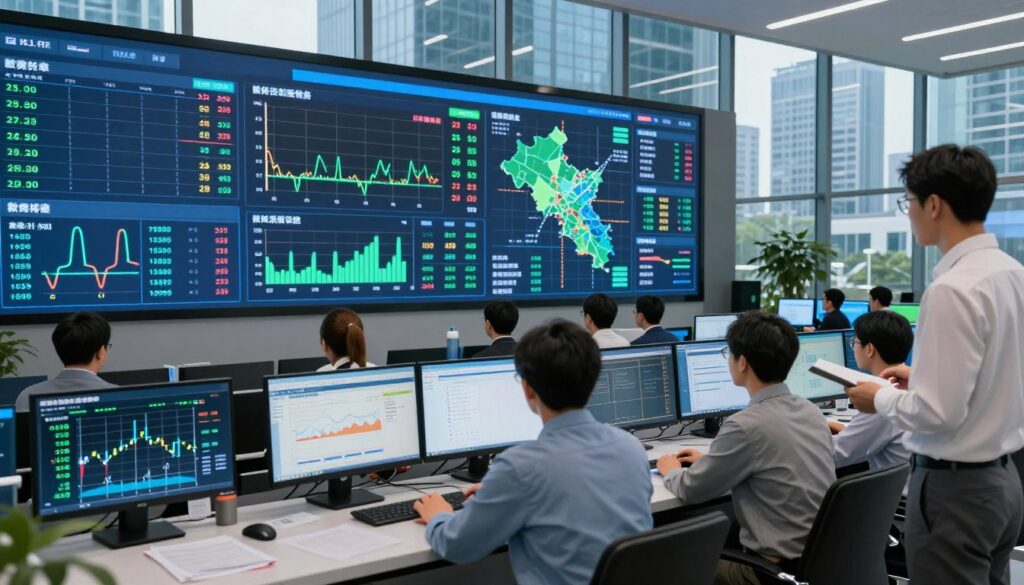
Digital systems powered by connected devices are answering this call. They provide a continuous stream of critical operational data. This shift is fundamental for modern infrastructure management.
The scale of this transformation is global. Billions of smart meters and sensors are being deployed. These platforms help slash transmission losses and boost reliability. They also play a key role in cutting emissions and supporting cleaner power sources.
For utility companies, the benefits are clear. They gain stronger operational resilience and can meet growing demand more effectively. The economic and environmental impact of this technological shift is already significant.
Key Takeaways
- Continuous data visibility is essential for maintaining modern grid stability and preventing failures.
- Connected devices and sensors provide the instant information operators need to make informed decisions.
- The utility sector is rapidly adopting this technology to meet sustainability targets and regulatory demands.
- Global deployment of smart meters is accelerating, driven by clear economic and operational benefits.
- These systems enable dynamic response to changing conditions and better integration of renewable power.
- Organizations implementing these solutions see reduced operational costs and improved customer satisfaction.
- The convergence of cellular connectivity and cloud analytics makes wide-scale monitoring economically viable.
Overview of Real-Time Energy Grid Monitoring
Real-time oversight of the power grid represents a fundamental leap beyond the limitations of historical data collection methods. This new paradigm provides a continuous, unified view of performance across vast distances.
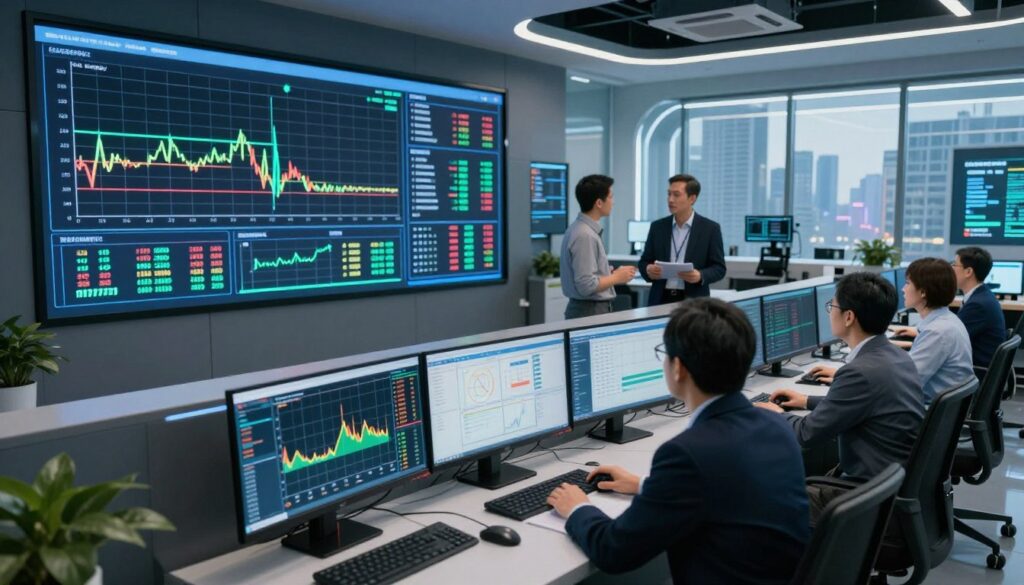
Operators gain the instant visibility needed to maintain stability and efficiency. It’s a complete transformation in infrastructure management.
The Evolution of Energy Monitoring
For decades, management relied on manual readings and scheduled inspections. Data was localized and analysis suffered from significant delays.
This legacy approach created a reactive maintenance model. Issues were often addressed only after a failure occurred, impacting reliability.
Modern systems have changed this dynamic entirely. They deliver a constant stream of information on asset health and grid performance.
Key Technologies Powered by IoT
This shift is driven by connected technology. Traditional options like Wi-Fi and Zigbee often lack the range, security, and power profile needed for robust deployment.
Integrated platforms now provide the essential edge, connectivity, and cloud capabilities. Key components include advanced sensors, cellular networks, and powerful analytics.
These elements work together to create unified networks. The result is a move from simple measurement to predictive analytics and automated control.
This technological foundation enables truly data-driven decision-making. It was previously impossible with conventional systems.
Smart Energy Solution, Energy and Utilities, Smart Voltage Monitoring, IoT: Key Features
Effective infrastructure management hinges on the seamless fusion of live information streams and dependable communication pathways. These core capabilities define modern smart energy solutions.
Real-Time Data Collection and Analysis
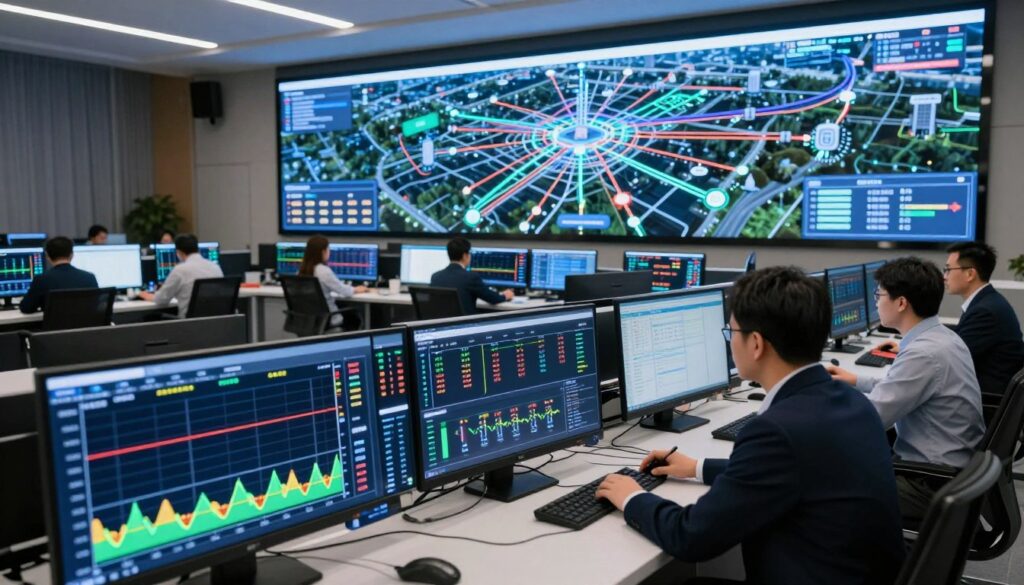
Continuous data collection forms the operational backbone. Advanced sensors capture diverse metrics like wattage, radiance, and equipment vibration.
This real-time data is instantly processed. Sophisticated analysis identifies patterns and anomalies, transforming raw measurements into actionable intelligence for operators.
Edge computing capabilities further reduce latency. Preliminary processing at the source ensures critical alerts are delivered without delay.
Integrated Connectivity and Device Management
Robust connectivity is non-negotiable. Global network solutions ensure reliable links between distributed assets and central management systems, regardless of location.
The unified platform allows administrators to configure, monitor, and troubleshoot thousands of devices from a single interface. This centralized control is vital for large-scale deployments.
Secure, bi-directional command channels enable remote diagnostics and configuration updates. This integrated approach maintains system health and performance consistently.
IoT-Driven Innovations in Grid and Voltage Monitoring
The true power of a connected grid lies in the ability to command and update its vast array of sensors without physical touch. This requires sophisticated iot solutions built for centralized control.
Advanced Device Management and Remote Diagnostics
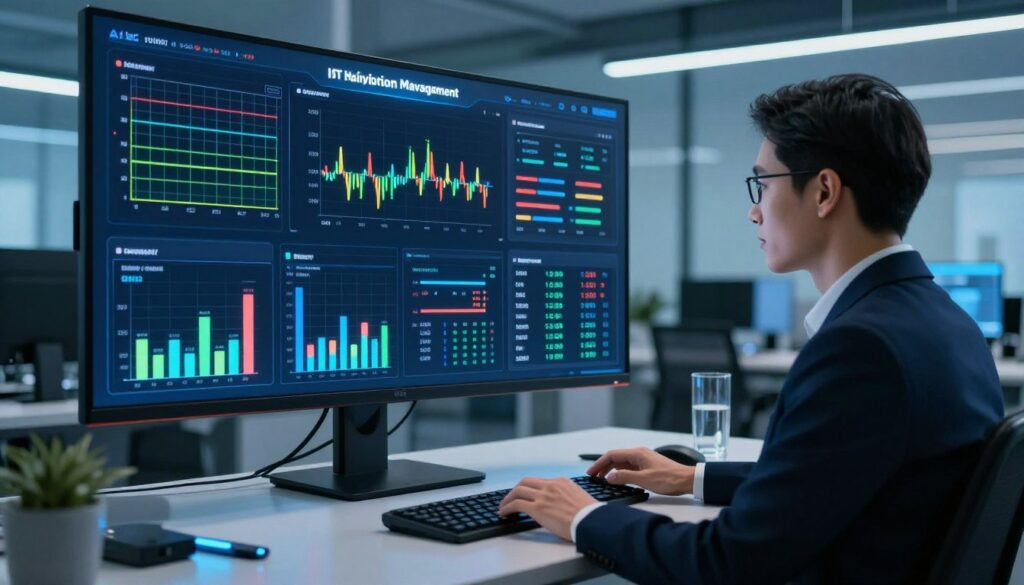
Modern platforms offer a unified dashboard for all deployed assets. Teams can see the health, status, and performance of every device across the network.
This visibility enables remote diagnostics. Technical staff can identify faults and often resolve them from headquarters. This slashes field service costs and cuts downtime dramatically.
Over-the-Air (OTA) Updates and Scalability
Over-the-air update technology is a game-changer. Security patches and new features deploy remotely to thousands of devices at once.
Advanced systems verify compatibility and push updates live in under 30 seconds. This keeps infrastructure secure and current without risky manual work.
“The ability to remotely manage and evolve our monitoring assets is non-negotiable for modern operations. It turns a static grid into a dynamic, adaptable system.”
Scalability is built-in. Providers can start small and expand globally without changing core systems. Integrated solutions combine hardware, connectivity, and management in one place.
This reduces complexity. Organizations don’t need large engineering teams to launch. Data shows 90% of customers using such integrated iot solutions successfully scale within a year.
| Aspect | Legacy System Management | Modern IoT-Driven Management |
|---|---|---|
| Update Method | Manual, on-site visits required | Remote, Over-the-Air (OTA) deployment |
| Fault Response | Reactive, after failure occurs | Proactive, remote diagnostics enable early intervention |
| Scalability Path | Costly hardware overhauls and system redesigns | Software-driven scaling on a single, API-driven platform |
| Operational Cost | High (travel, labor, downtime) | Significantly reduced through automation |
These innovations empower operations teams. They maintain full control over distributed infrastructure with minimal manual use. The result is a more resilient and efficient grid.
Enhancing Energy Efficiency with Smart Metering and Connectivity
Granular visibility into power usage patterns enables unprecedented control over resources. This shift is powered by advanced metering infrastructure and reliable cellular links.
Remote Provisioning and Smart Metering Benefits
Remote device setup eliminates physical site visits. Providers configure and activate meters over-the-air, slashing deployment time and labor costs.
Embedded SIM technologies like eSIM ensure secure, reliable communication. They remove logistical hassles with physical cards. This supports sustainability by cutting material waste.
Data-Driven Insights for Energy Consumption
Continuous data collection reveals detailed consumption trends. Operators spot inefficiencies and anomalous patterns that may signal theft or faults.
Real-time visibility makes energy efficiency improvements measurable. Providers launch targeted conservation programs and verify results with accurate data.
| Aspect | Traditional Metering | Advanced Smart Metering |
|---|---|---|
| Data Collection | Manual reading processes | Automated, continuous collection |
| Device Configuration | Physical site visits required | Remote provisioning & OTA updates |
| Consumption Insight | Monthly or quarterly snapshots | Real-time usage visibility |
| Billing Accuracy | Often estimated | Precise, data-driven billing |
| Operational Efficiency | Reactive maintenance model | Proactive anomaly identification |
These smart metering benefits extend to improved billing accuracy and reduced revenue loss. Both providers and consumers gain tools to actively manage energy usage.
Strengthening Infrastructure Security and Operational Resilience
Protecting critical power networks from digital threats is now a top priority for operators worldwide. This focus extends beyond physical assets to safeguard the entire operational ecosystem.

Data Privacy, Compliance, and Secure Communications
Modern platforms build trust through encryption and adherence to strict standards like SOC II, GDPR, and CCPA. These frameworks ensure sensitive information remains protected.
Secure communication channels are vital. They prevent interception and tampering as information flows between field devices and central systems. This layered defense is designed into the technology from the start.
Ownership of operational data stays with the provider. Information moves directly between the customer and their cloud via open APIs. This governance model meets regulatory demands while bolstering security.
| Aspect | Traditional Security Posture | Modern Integrated Security |
|---|---|---|
| Data Encryption | Often limited or applied inconsistently | End-to-end encryption across all communication layers |
| Compliance Management | Manual audits and reactive updates | Automated compliance reporting for GDPR, CCPA, etc. |
| Access Control | Basic password protection | Multi-factor authentication and role-based permissions |
| Threat Response | Reactive investigation after an incident | Continuous monitoring with proactive anomaly detection |
Proactive Condition Monitoring and Maintenance
Continuous oversight of the entire infrastructure enables predictive care. Advanced analytics spot subtle changes in asset performance.
This data-driven approach identifies maintenance needs before failures happen. It reduces unplanned outages and extends equipment life.
The right solution integrates smoothly with existing systems. This ensures enhanced operations and resilience without a disruptive overhaul.
Deployment Strategies for Smart Voltage Monitoring in Energy Systems
A successful rollout of new grid technology begins with meticulous planning and proven deployment methodologies. For energy providers, a phased strategy is essential. It starts with a pilot program in a representative segment of the distribution network.
This approach allows teams to validate the energy solution and refine procedures before scaling. Best practices include thorough site surveys and standardized installation protocols.
Best Practices and Real-World Deployment Examples
Successful deployment integrates new sensors with existing management systems. It requires robust communication links to connect all assets. Leading platforms power diverse iot applications, from electricity metering to solar farm monitoring.
These integrated systems gather real-time performance data on all asset types. Partnerships with technology specialists bring crucial expertise to the process. A real-world example includes LG U+’s implementation in smart water meters.
For distribution network operators, comprehensive monitoring delivers vital visibility. It helps balance load and maintain power quality across the entire grid. Clear communication with customers about new smart meters builds trust and promotes efficient usage.
Conclusion
Adopting advanced monitoring platforms marks a decisive step toward a more resilient and sustainable power infrastructure. These solutions deliver core operational benefits, including improved reliability and significant cost reductions.
The scale of this shift is immense. With billions of connected devices deployed globally, this technology drives substantial economic value. It is also projected to help cut sector emissions dramatically.
This capability is fast becoming a baseline standard. Providers must meet rising customer expectations for transparency and service. Integrated smart energy solutions offer the clear path forward for superior performance.
FAQ
What does real-time grid load and voltage monitoring involve?
How do IoT applications improve grid oversight?
What are the primary benefits of advanced metering infrastructure?
Why is secure communication critical for these systems?
How do Over-the-Air updates support these deployments?
Can this technology help with predictive maintenance?

Transform Your IoT Vision Into Reality.
Get free expert insights, architectures & cost breakdowns.
Drop your email to schedule free meeting.