For store owners, managing operational expenses is a constant battle. A significant portion of these expenses comes from electricity bills. Without clear insight, it’s easy to waste money on inefficient systems.
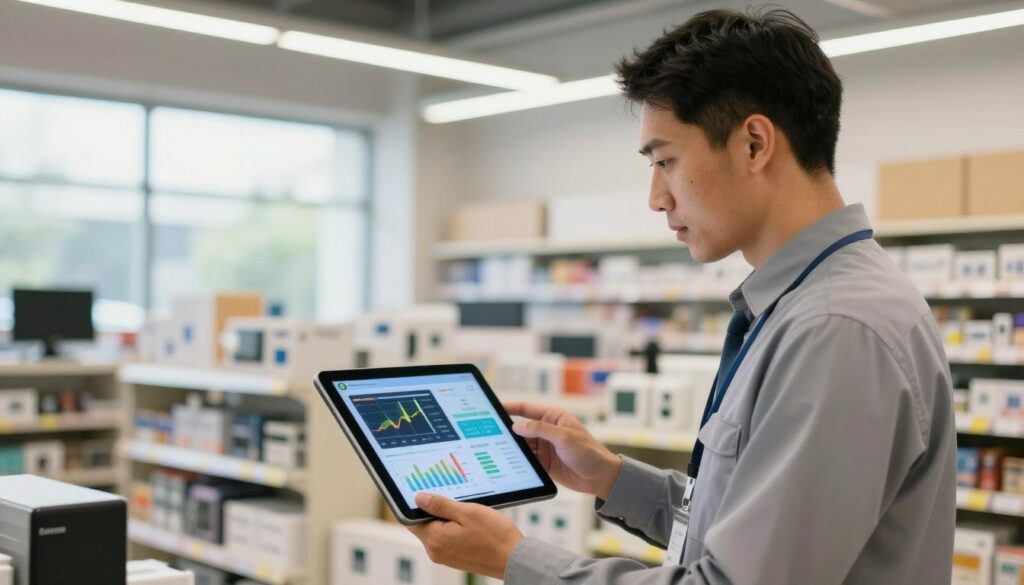
Lighting, HVAC, and refrigeration units run continuously. These systems can consume far more than necessary if they aren’t operating correctly. Hidden faults and outdated equipment silently drive up monthly charges.
Modern technology changes this. A Smart Retail Energy Monitoring system gives you real-time visibility. You can see exactly where your electricity is being used, down to individual circuits.
Devices like Shelly connect directly to your store’s Wi-Fi. This setup requires no complicated hub, making deployment simple. You gain instant data on consumption patterns.
Advanced tools, such as the Electro Industries Nexus 1500+, provide detailed power quality data. This information is crucial for maintaining efficient electrical systems. It helps ensure all equipment runs within its optimal parameters.
Implementing a Smart Power Monitoring Solution allows for immediate corrective action. You can identify and stop waste as it happens. This direct control leads to lower operational costs and supports your sustainability goals.
Key Takeaways
- High electricity bills often stem from hidden inefficiencies in lighting, HVAC, and refrigeration.
- Real-time visibility into consumption is essential for identifying and correcting waste.
- Modern systems connect directly to Wi-Fi, simplifying setup and providing instant data.
- Detailed power quality information helps maintain optimal equipment performance.
- Taking immediate action based on data directly reduces monthly operational expenses.
- Advanced tracking supports both financial savings and environmental sustainability goals.
- Gaining control over your store’s energy use is a critical step toward improved profitability.
Introduction to Rising Energy Costs in Retail
A silent financial drain is impacting store profitability: ever-increasing electricity expenses. For operators, these rising energy costs are a primary concern. They must balance thin profit margins with growing utility demands.
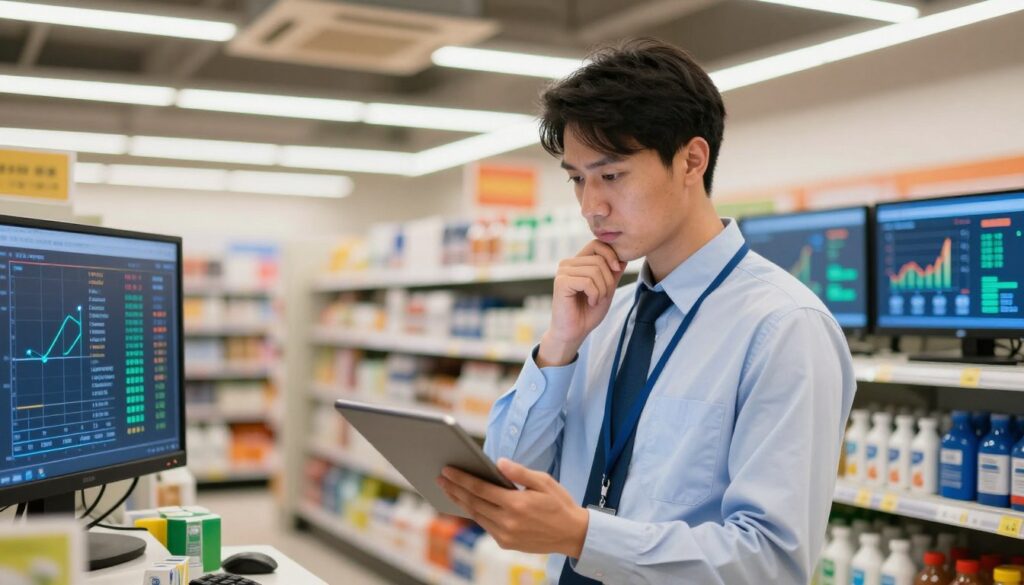
Understanding total energy consumption is the critical first step. It lays the foundation for a sustainable management strategy that protects any business’s bottom line.
Modern tools like the eGauge Pro capture data at one-second intervals for 30 days. This granular view is essential for pinpointing sudden usage spikes that inflate bills.
As utility rates fluctuate, real-time tracking provides a clear competitive edge. Stores that monitor their power flow can minimize overhead more effectively.
Many retailers now use advanced analytics. They gain insights into how daily operations drive overall expenditure.
By analyzing detailed consumption patterns, managers make informed decisions. This leads to significant, long-term savings on monthly bills.
The Impact of High Energy Consumption on Retail Operations
Unchecked electricity usage creates a direct drain on capital that could otherwise fund expansion or improvements. This diversion of funds from growth initiatives to utility payments significantly affects overall profitability.
Aging systems often draw excessive power, leading to higher operational costs. Maintaining equipment efficiency is critical to prevent this waste and avoid potential hardware failure.
Power quality must be prioritized to ensure sensitive electronic systems remain functional. Poor quality contributes to unnecessary waste and can damage valuable assets.
Advanced analysis tools, like Electro Industries’ Communicator PQA software, help identify these issues. They transform raw data into actionable insights about consumption patterns.
The primary impacts include:
- Reduced capital for business growth due to high utility expenses
- Increased operational costs from inefficient, aging equipment
- Shortened lifespan of expensive store assets requiring frequent repairs
- Missed optimization opportunities for HVAC and lighting systems
- Compromised performance of sensitive electronic point-of-sale systems
Proactive management of electricity usage breaks this costly cycle. It protects both immediate finances and long-term operational stability.
Challenges with Traditional Energy Metering Systems
Conventional power meters often fail to provide the actionable insights needed for modern retail management. These legacy systems create a significant blind spot, making it difficult to identify specific sources of waste.
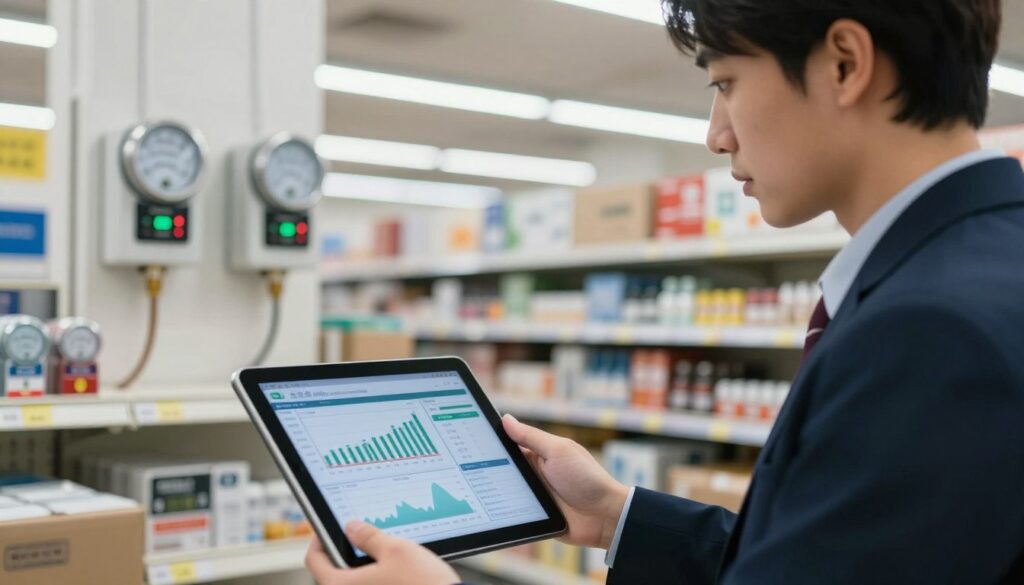
Limited Data Insights and Flexibility
Older meters typically deliver only basic monthly totals. This lack of granular data prevents managers from seeing real-time consumption spikes as they happen.
Without detailed circuit-level information, pinpointing a faulty refrigeration unit or an over-lit section is nearly impossible. Furthermore, these outdated metering setups often cannot integrate with modern analytics software.
This integration gap severely limits a store’s ability to perform advanced analysis on its energy use.
Costly Maintenance and Upgrades
The upkeep of this equipment is another major hurdle. Staff often must manually record values from dispersed physical meters, a labor-intensive and error-prone process.
Upgrading the entire metering system is a clear solution. Modern devices consolidate many functions. For example, a single eGauge Pro unit supports 30 CT inputs.
This one device can effectively replace 10 to 15 traditional submeters. The move to a unified data source simplifies maintenance and provides a complete view of power flow, turning a challenge into a strategic advantage.
Understanding Energy Consumption in Retail Stores
A store’s total power draw is not a flat line but a series of peaks and valleys throughout the day. Understanding this pattern is fundamental for controlling overhead.
Managers must identify which activities and equipment create the highest demand.
Key Factors Influencing Power Usage
Lighting, climate control, and refrigeration systems are the primary continuous loads. These systems operate for extended periods, forming the base of your electrical footprint.
Usage spikes during specific hours, however, trigger costly demand charges from utilities. These fees can add hundreds of dollars to a single bill.
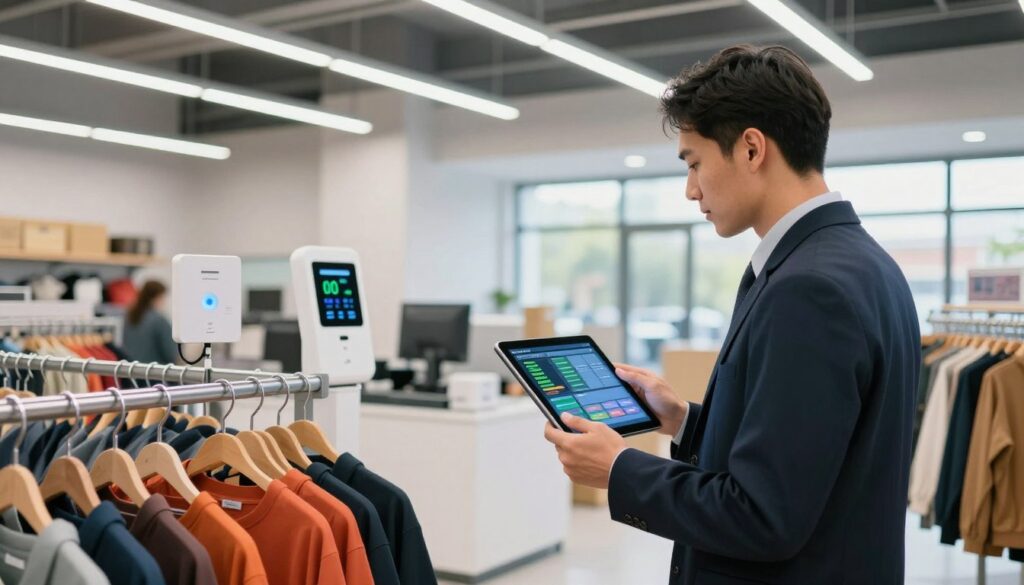
Primary Electrical Loads in a Typical Store
| Load Type | Typical Usage Pattern | Impact on Peak Demand | Contribution to Bill |
|---|---|---|---|
| Refrigeration | Constant, with compressor cycles | High during compressor startup | Major, often 30-50% |
| HVAC (Heating/Cooling) | Variable with outdoor temperature | Very high on extreme weather days | Significant, 20-40% |
| Interior & Sign Lighting | Constant during business hours | Moderate, but adds to baseline | Substantial, 15-25% |
The Effect on Operational Costs
Your monthly costs are directly tied to the efficiency of each load shown in the table. Pinpointing the biggest contributors is the first step toward meaningful savings.
By analyzing detailed consumption patterns, you can strategically adjust operations. This helps flatten peak demand and directly reduces expense.
Why Retail Stores Overspend on Energy
The root cause of inflated utility bills often lies in a combination of outdated tools and passive management habits. Stores frequently pay more than necessary because they cannot see where waste is happening in real time.
Common Pitfalls in Energy Management
A major pitfall is operating without clear visibility. Equipment can run inefficiently for months without detection. This hidden drain slowly accumulates into a substantial financial loss.
Another common error is failing to automate critical systems. Manual control of lighting and climate leads to significant, preventable waste. This lack of proactive management directly impacts the yearly budget.
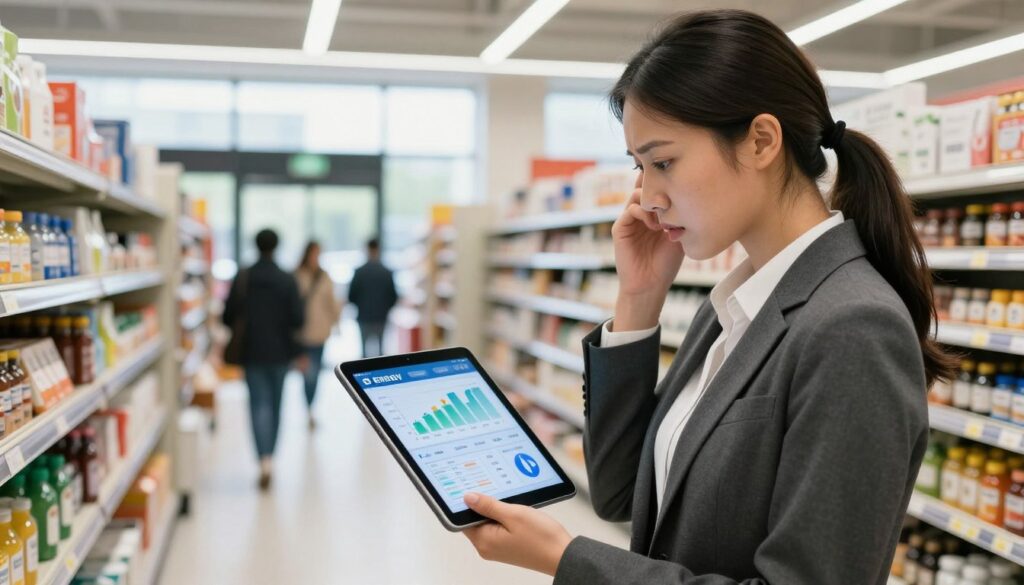
Unoptimized Infrastructure and Outdated Meters
Legacy meters are a core part of the problem. They typically report only basic monthly totals. They do not track vital factors like power quality or sudden demand spikes.
This lack of data makes strategic decisions impossible. Managers cannot accurately plan for infrastructure upgrades or load shedding.
Furthermore, aging electrical systems often develop issues like harmonic distortion. These imbalances force equipment to draw more energy to perform the same work. The total usage and cost climb without any visible change in operation.
By ignoring power quality, stores remain blind to these hidden costs. Inefficient systems and a poor power factor quietly inflate every bill. Modern meters and detailed analysis are needed to break this cycle.
Smart Retail Energy Monitoring, Smart Power Monitoring Solution
Moving beyond basic metering requires a system that delivers actionable intelligence for every circuit. This approach transforms how stores manage their electrical footprint.
It provides the detailed visibility and control needed to stop waste at its source.
Core Features of Iottive Smart Monitoring
These platforms offer a suite of powerful features. You gain real-time, circuit-level data on all power consumption.
Automated alerts notify managers instantly of unusual spikes or equipment faults. Remote control capabilities allow for immediate adjustments to lighting and HVAC from any location.
A key advantage is seamless integration. Devices like Shelly connect directly to store Wi-Fi, eliminating the need for a complex hub.
This design ensures comprehensive support for various communication protocols within your existing infrastructure.
Direct Benefits for Retailers
Adopting these solutions yields immediate and tangible advantages. Retailers move from guessing to knowing.
- Immediate Visibility: See exactly where every watt is used, enabling precise management.
- Cost Reduction: Identify and eliminate waste as it happens, directly lowering monthly bills.
- Proactive Management: Shift from reactive fixes to preventing inefficiencies before they cost you money.
- Seamless Integration: The system works with your current setup without major overhauls.
- Intuitive Dashboards: Clear data visualization highlights savings opportunities and tracks improvement over time.
This level of monitoring turns energy data into a strategic tool for boosting operational efficiency and profitability.
Product Roundup: Top Smart Monitoring Devices for Retail
A diverse ecosystem of connected devices now empowers retailers to take precise control of their electrical systems. The right hardware provides the data needed for informed decisions.
This equipment helps stores move from estimation to exact measurement. It forms the backbone of a modern management strategy.
Device Options That Enhance Energy Savings
The market offers a wide range of specialized tools. These products are designed for precise measurement and remote control.
Key devices include smart plugs, professional switches, and advanced controllers. Each serves a distinct purpose in reducing overall consumption.
Comparison of Key Monitoring Devices
| Device | Max Load | Primary Function | Best For |
|---|---|---|---|
| Shelly Plug US Gen4 | 1800 W | Appliance power monitoring & control | Individual equipment like displays or coffee makers |
| Shelly Wave Pro 2 | 25 A | Professional lighting & appliance automation | High-current circuits and commercial-scale management |
| Advanced LED Controller | Varies | Lighting optimization with power measurement | Efficient store lighting while maintaining atmosphere |
High-performance devices like the Shelly Plug provide essential insights. They help identify which appliances use the most electricity.
Professional-grade switches offer the reliability needed for large-scale automation. This directly supports lower operational costs.
Integration of Sensors and Communication Protocols
These tools gain greater value when connected. Integrating occupancy and temperature sensors creates an automated environment.
Standard communication protocols like Wi-Fi and Zigbee allow different devices to work together seamlessly. This integration enables systems to react to real-time data.
For example, lights can dim when an area is empty. HVAC can adjust based on both occupancy and outdoor temperature.
This automated approach ensures resources are only used when necessary. It maximizes savings without sacrificing comfort or safety.
Integrated Communication and Data Management Systems
The backbone of any effective strategy for managing electricity lies in its communication and data infrastructure. This framework moves information from meters to a central platform seamlessly.
It transforms raw numbers into actionable insights for better control. A reliable system ensures this data is always available for reporting.
Cloud Connectivity Versus Local Control
Choosing between cloud-based and local management depends on your needs. Cloud options offer easy remote access but rely on an external server.
Local control keeps sensitive information on your own network. This approach prioritizes data security and direct hardware access.
Tools like the eGauge UI provide a powerful local web server. Users can retrieve real-time information directly from their hardware without a cloud host.
This setup allows for secure access from your local network or remotely. It gives you complete ownership over your consumption data.
For custom needs, the eGauge Pro JSON API is available at no cost. Developers use it to build tailored management solutions.
This open communication tool helps fit the system to unique business requirements.
- Integrated communication systems transfer information seamlessly for analysis.
- The choice between cloud and local setups balances accessibility with security.
- A reliable infrastructure ensures data is always ready for decision-making.
Enhancing Operational Efficiency Through Real-Time Monitoring
Preventing financial waste requires visibility so precise it captures events lasting just a few seconds. This level of detail is the foundation of enhanced operational efficiency. Real-time monitoring transforms how stores manage their electrical systems.
Immediate Data Insights and Alerts
Having access to live data allows managers to react instantly. They can address unexpected spikes in usage before they impact the monthly bill. Automated alerts are a critical feature here.
These notifications warn of potential equipment failures, like a refrigeration unit struggling. This proactive approach prevents capital loss from a full system collapse. Tools like the eGauge Pro record at one-second intervals for 30 days.
This high-granularity data pinpoints the exact moment a load issue occurs. It turns reaction into prevention.
Preventative Maintenance and Cost Reduction
Constant tracking of critical equipment performance is a game-changer. It shifts maintenance from a scheduled task to a need-based action. Issues are identified early, often before they cause downtime or excess consumption.
This direct link between monitoring and upkeep leads to substantial cost reduction. Waste is eliminated, and equipment run times are optimized.
- Real-time insights enable quick managerial decisions to curb waste.
- Automated alerts protect valuable assets from catastrophic failure.
- High-granularity data provides an undeniable record for diagnosing problems.
- Enhanced operational efficiency directly lowers overhead by optimizing system use.
This constant vigilance ensures your store’s energy systems work for you, not against your budget.
Leveraging Software Solutions for Energy Analytics
Raw electrical data is just numbers until powerful software transforms it into a clear roadmap for savings. These analytical platforms are the critical link between measurement and strategic management.
They turn complex information into actionable intelligence for decision-makers.
Energy Reporting Tools and Custom Dashboards
Advanced tools like CommunicatorPQA software provide the depth needed for serious analysis. They help identify inefficiencies across multiple locations from a single interface.
Custom dashboards are a key feature. They allow different stakeholders to see the data that matters most to them.
A store manager might focus on daily consumption trends. A corporate analyst needs aggregated reports on performance across all sites.
This level of insight relies on high-quality input. Precision meters like the Shark 270 Revenue Meter provide the accurate data foundation.
Software Analytics Capabilities
| Feature | Benefit | Key Tool Example |
|---|---|---|
| Custom Reporting | Delivers tailored insights for specific roles and goals | CommunicatorPQA |
| Multi-site Aggregation | Provides a consolidated view of usage for corporate management | Cloud Analytics Platforms |
| Real-time Dashboards | Offers immediate visibility into system performance and alerts | Integrated Device UI |
Automated Alerts and Data Visualization
Automation is a major advantage of these solutions. The system can send instant alerts when equipment deviates from its normal consumption baseline.
This allows managers to address a failing compressor or an overloaded circuit before it becomes costly.
Effective data visualization is equally important. Charts and graphs make complex energy patterns easy to understand at a glance.
Stakeholders can quickly see the impact of efficiency investments. This clarity supports better long-term planning and continued energy cost reduction.
Installation and Compatibility Considerations
A successful rollout of new monitoring technology hinges on careful planning and seamless integration with your store’s existing setup. This phase determines how effectively you can capture and use data.
Best Practices for Deployment
Following a structured approach is key. For instance, the world’s smallest Wi-Fi smart meter can be installed in 10 minutes for precise power tracking.
This highlights the importance of selecting equipment designed for simplicity. Always choose devices that offer a wide range of support for different voltage levels and communication protocols.
Installation Checklist for a Smooth Rollout
| Step | Action | Key Consideration |
|---|---|---|
| Pre-Installation Audit | Assess electrical panels and network capacity | Verify compatibility with existing systems |
| Hardware Setup | Install current transformers and meters correctly | Ensure accuracy for reliable data use |
| Initial Testing | Pilot the system in a small, controlled area | Confirm performance and stable connectivity |
Ensuring System Integration With Existing Infrastructure
Seamless integration is the most important step in the world of facility automation. The new hardware must communicate flawlessly with your current electrical and network systems.
Professional installers strongly recommend a phased pilot test before a full-scale rollout. This verifies that all components work together as intended, preventing costly rework.
Advanced Features and Innovations in Smart Monitoring
Artificial intelligence is injecting a new layer of intelligence into the infrastructure of modern stores. This evolution moves platforms from simple reporting to autonomous, learning systems.
These tools analyze patterns and make adjustments without constant human input.
AI-Driven Optimization and Predictive Analytics
Advanced systems now use AI to automatically fine-tune consumption. They react to real-time usage patterns to maximize efficiency.
Predictive analytics forecast maintenance needs. This ensures equipment performance stays high and extends its operational life.
By examining historical data, these innovations can predict future energy demands. They suggest operational adjustments to improve facility operations.
Machine learning platforms, like EnergyPQA.com, enable proactive cost control. A facility manager noted,
“The shift from watching meters to receiving prescriptive alerts has fundamentally changed our operational rhythm.”
Core Capabilities of Next-Generation Platforms
| Feature | Primary Function | Business Outcome |
|---|---|---|
| AI-Driven Optimization | Automatically adjusts loads based on live patterns | Reduces waste without manual intervention |
| Predictive Maintenance Analytics | Forecasts equipment failures using data trends | Prevents downtime and costly emergency repairs |
| Integrated Quality Analysis | Continuously assesses power health and stability | Protects sensitive electronics and ensures energy quality |
This integration provides a complete view of a store’s electrical health. It moves management from a reactive task to a strategic, forward-looking function.
Future Trends in Retail Energy Management
Tomorrow’s successful store will act as a mini power plant, generating, storing, and intelligently distributing its own electricity. The landscape of utility management is shifting toward decentralized systems and deep renewable integration.
This evolution is driven by both technological innovation and new regulatory frameworks. Stores must prepare for these changes to remain competitive and sustainable.
Emerging Technologies Shaping the Future
Decentralized power systems are at the forefront. Technologies like on-site solar panels and battery storage allow stores to generate and hold their own energy.
Renewable sources, particularly solar PV, require continuous monitoring to ensure maximum returns on investment. Smart grid connectivity will let stores interact dynamically with the utility grid.
This helps meet future energy needs efficiently. The integration of these technologies creates a resilient and cost-effective ecosystem.
Key Technologies for Future Store Power Systems
| Technology | Primary Role | Monitoring Need |
|---|---|---|
| Solar PV | On-site generation from sunlight | Continuous tracking for peak efficiency and ROI |
| Battery Storage | Stores excess energy for later use | Essential for managing charge cycles and health |
| Smart Grid Connectivity | Enables two-way communication with utilities | Critical for demand response and grid stability |
Regulatory and Sustainability Considerations
As the world adopts stricter sustainability rules, accurate carbon reporting becomes mandatory. Advanced tracking systems are needed to measure and verify a store’s environmental impact.
Efficient power management now prioritizes both planet and profit. One industry analyst noted,
“The stores that invest in future-proof infrastructure today will navigate tomorrow’s regulatory landscape with confidence.”
This dual focus on compliance and cost drives innovation. Retailers who adapt early will secure a lasting competitive advantage.
Conclusion
Transforming your store’s largest variable expense into a controlled cost center is an achievable strategic goal. Implementing advanced electrical tracking is a vital step for any business aiming to cut operational costs and boost overall efficiency.
By leveraging real-time data, you gain the visibility needed to optimize electricity use and prevent costly equipment failures. Modern systems offer the functionality required to manage complex infrastructure while providing the flexibility every facility needs.
Investing in this technology ensures you can make informed decisions about your power consumption and sustainability goals. This transition is essential for retailers who want to remain competitive in a changing world.
We encourage all operators to evaluate their current energy infrastructure. Start your journey toward lower expenses today by integrating professional-grade monitoring tools into your daily operations.
FAQ
What are the main problems with older power metering equipment in stores?
How does detailed visibility into power usage help control expenses?
What core functionality does a modern monitoring system provide?
Can these systems work with my store’s existing lighting and HVAC equipment?
What is the benefit of cloud connectivity versus a local-only server?
How do real-time alerts contribute to preventative maintenance?
What reporting tools are available to understand consumption patterns?
What should I consider when installing a new monitoring network?
How do innovations like AI improve power management?
What future trends will shape how stores manage their electricity?
How Iottive Delivers End-to-End Smart Retail Solutions
1. Retail Strategy & Solution Design
Iottive collaborates with retail leaders, digital heads, store operations teams, and supply chain stakeholders to understand customer journeys, inventory challenges, and growth objectives. This phase includes retail use-case validation, omnichannel architecture design, IoT device selection, AI personalization planning, and defining measurable KPIs such as promotion ROI, stock accuracy, and conversion rates.
2. Smart Systems Engineering & Retail Integration
Iottive engineers scalable Smart Retail solutions by integrating IoT sensors, RFID, smart shelves, digital mirrors, edge devices, and cloud platforms. We ensure seamless connectivity between POS systems, ERP, CRM, warehouse systems, and e-commerce platforms. The focus is on real-time visibility, secure data flow, and unified customer and inventory intelligence across stores and digital channels.
3. Pilot Deployment in Stores & Warehouses
Before enterprise rollout, Iottive deploys pilot solutions in selected retail stores, warehouses, or pharmacy locations. This includes testing AI-driven recommendations, smart inventory tracking, cold chain monitoring systems, and digital try-on experiences. Retailers can validate performance, customer engagement impact, and operational feasibility in live environments before scaling across locations.
4. Customer Experience & Retail Intelligence
Iottive builds intuitive dashboards and retail intelligence platforms that provide real-time insights into:
- Customer behavior & segmentation
- Promotion performance & ROI
- Store-level inventory accuracy
- Warehouse efficiency metrics
- Cold chain compliance tracking
- Online conversion and upsell analytics
Advanced analytics, alerts, and AI-driven insights empower retail teams to make faster, data-driven decisions that improve revenue, reduce losses, and enhance customer satisfaction.
5. Enterprise Rollout & Retail Scale-Up
From MVP to multi-location deployment, Iottive supports solution hardening, cloud scalability, cybersecurity, and long-term support. Smart Retail solutions are designed for:
- Multi-store expansion
- Omnichannel integration
- Regional inventory balancing
- Cross-border retail operations
- Continuous optimization using AI insights
Our approach ensures measurable ROI through improved customer engagement, reduced shrinkage, better inventory control, and operational efficiency.
Why Retailers Choose Iottive
- Proven expertise in Smart Retail & IoT-driven transformation
- Deep understanding of store operations, warehousing, and pharmacy compliance
- Seamless integration with POS, ERP, CRM, and e-commerce platforms
- Secure, scalable, and production-ready retail architectures
- Strong focus on measurable business outcomes — not just technology
📧 Contact Email: sales@iottive.com

Transform Your IoT Vision Into Reality.
Get free expert insights, architectures & cost breakdowns.
Drop your email to schedule free meeting.