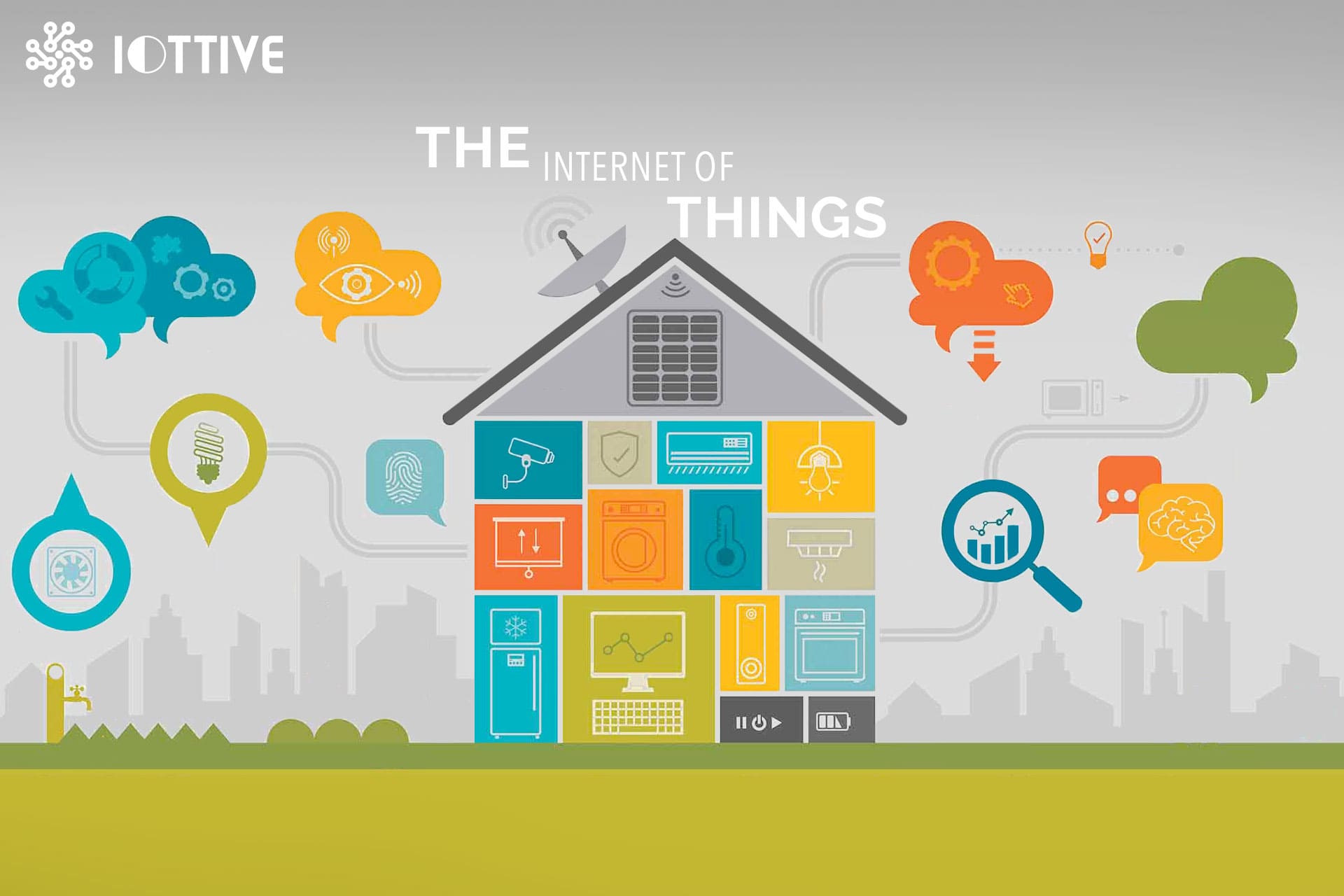
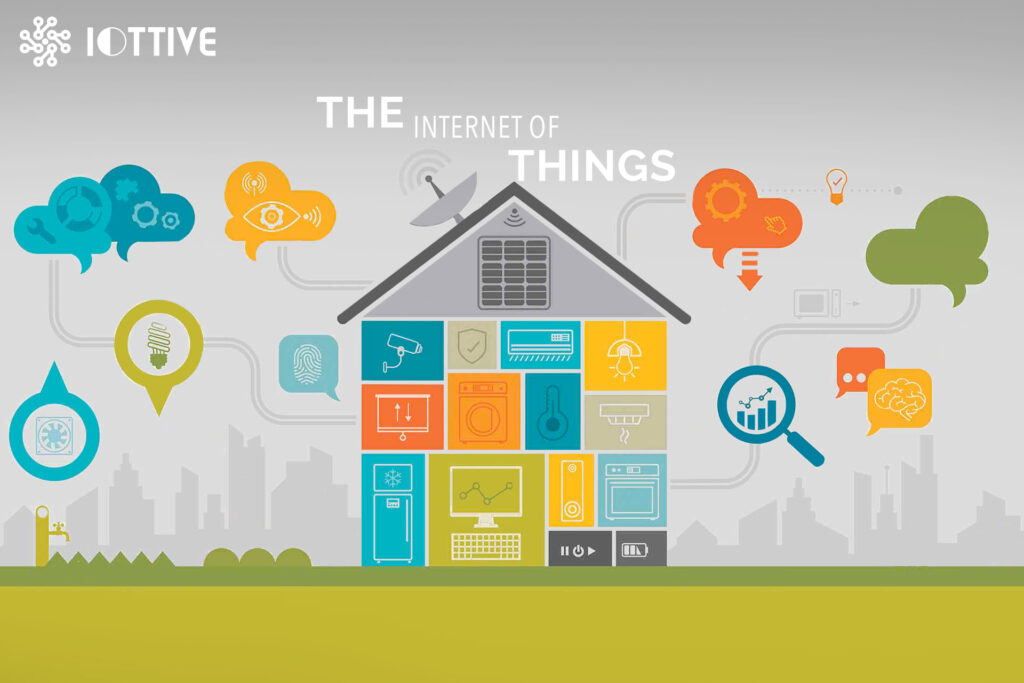
Internet of Things Next big thing


IoT
IoT

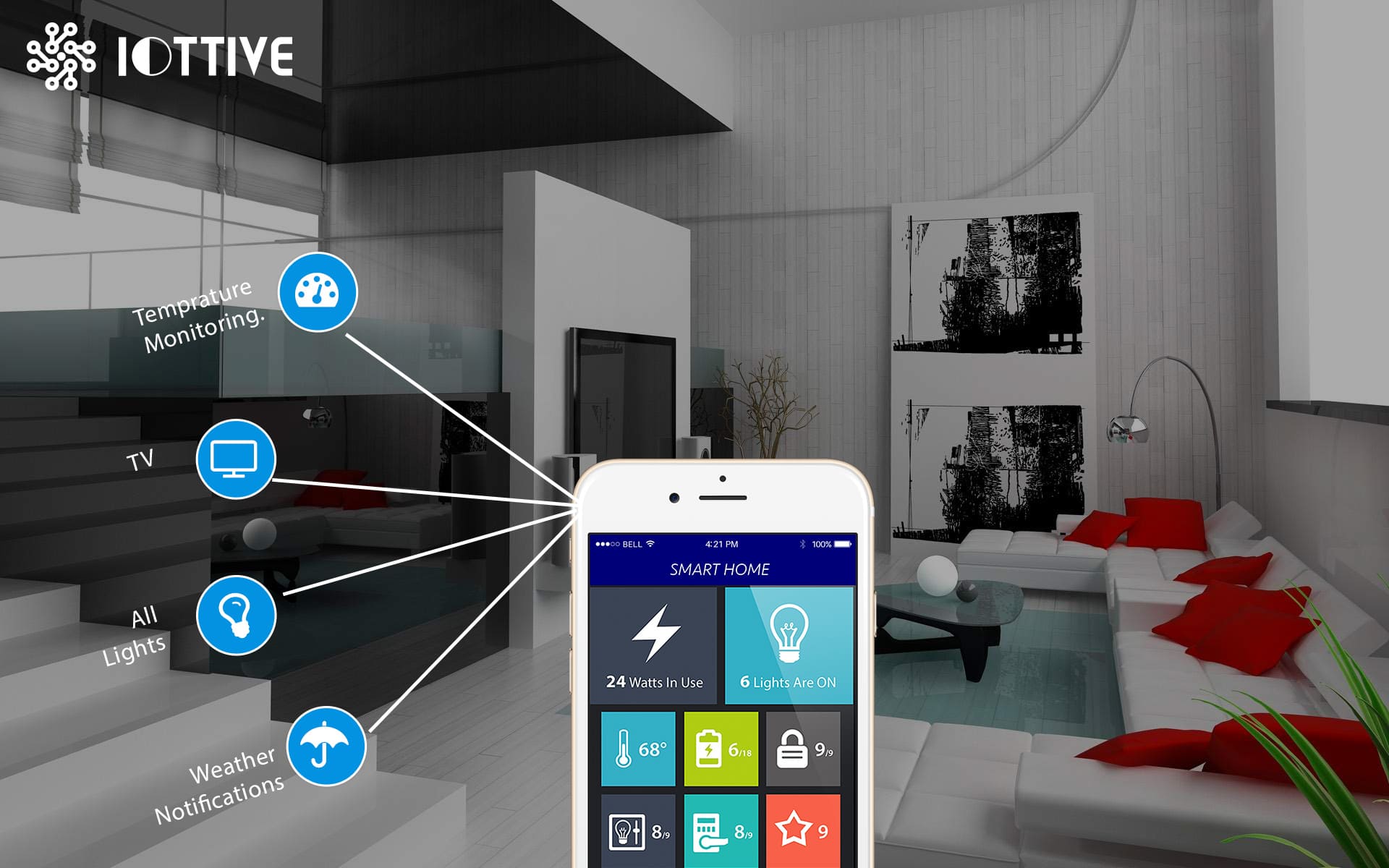
“The thing that keeps me awake at night—and should keep a lot of CEOs awake at night—is the disruptive impact of the Internet of things and connected devices.

“We’ve all experienced firsthand the dramatic impact of the smartphone. We live in a world where there are more than two billion connected devices, and a substantial majority of phones are smart ones. CEOs ought to be thinking, ‘How could all this connectivity disrupt my business operations?’

“Take parking as an example. Today if you want to park electronically, you drive up to a space and initiate a parking transaction with an app. It requires some effort, but is certainly better than swiping a card or feeding coins to a meter. In the future with connected cars, you will pull into a parking space and the car is going to know that it parked, it’s going to have the payment credential, it’s going to start the parking transaction automatically. And when you leave, the car will stop the parking session and initiate a payment for the parking—seamlessly.

“I’m going to have to adapt to this future state, or the mobile app we rely on is going to be like a manual typewriter. It’s going to be completely obsolete.

“We also need to consider new technology applications that are not involved in parking today, but are potentially relevant and massively disruptive to our industry. For example, four billion light poles around the world are being replaced with LED lights. As new lighting is installed, so are a variety of connected sensors that can provide valuable data to cities.
“That’s really great for the cities, but it could really be disruptive to my industry. Where Park mobile provides a single service to cities today, a lighting provider could come in and provide real-time access to where parking is available, give them tools to guide consumers to those parking spaces—and by the way, let them pay for that parking too.” Source: http://www.wsj.com/articles/the-internet-of-things-will-change-everything-1424664603
Upcoming Generation in Intelligent Wearables


With fashion-forward smartwatches, connected jeans and virtual reality headsets launching this year, it looks like the wearable device market is a next big market.

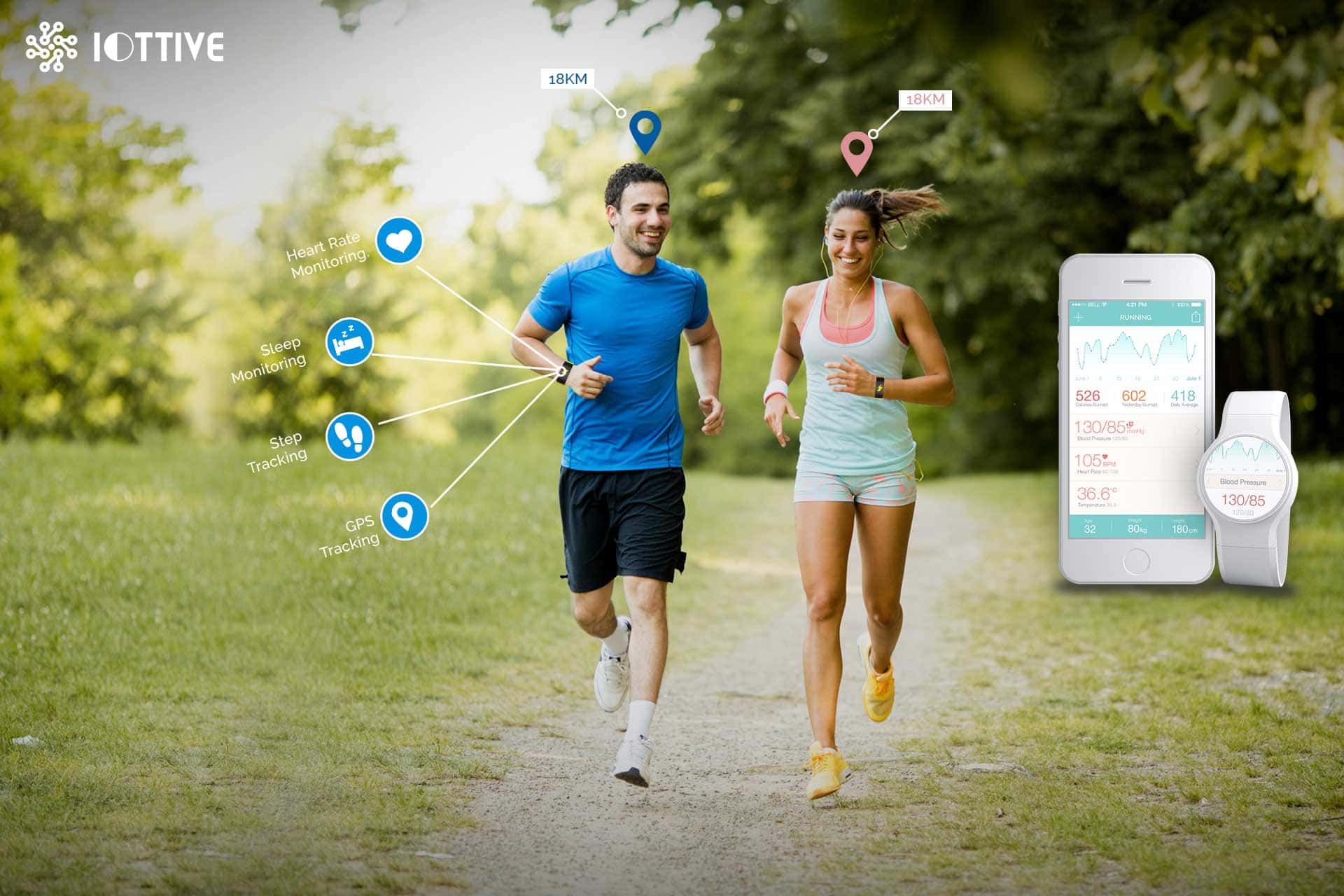
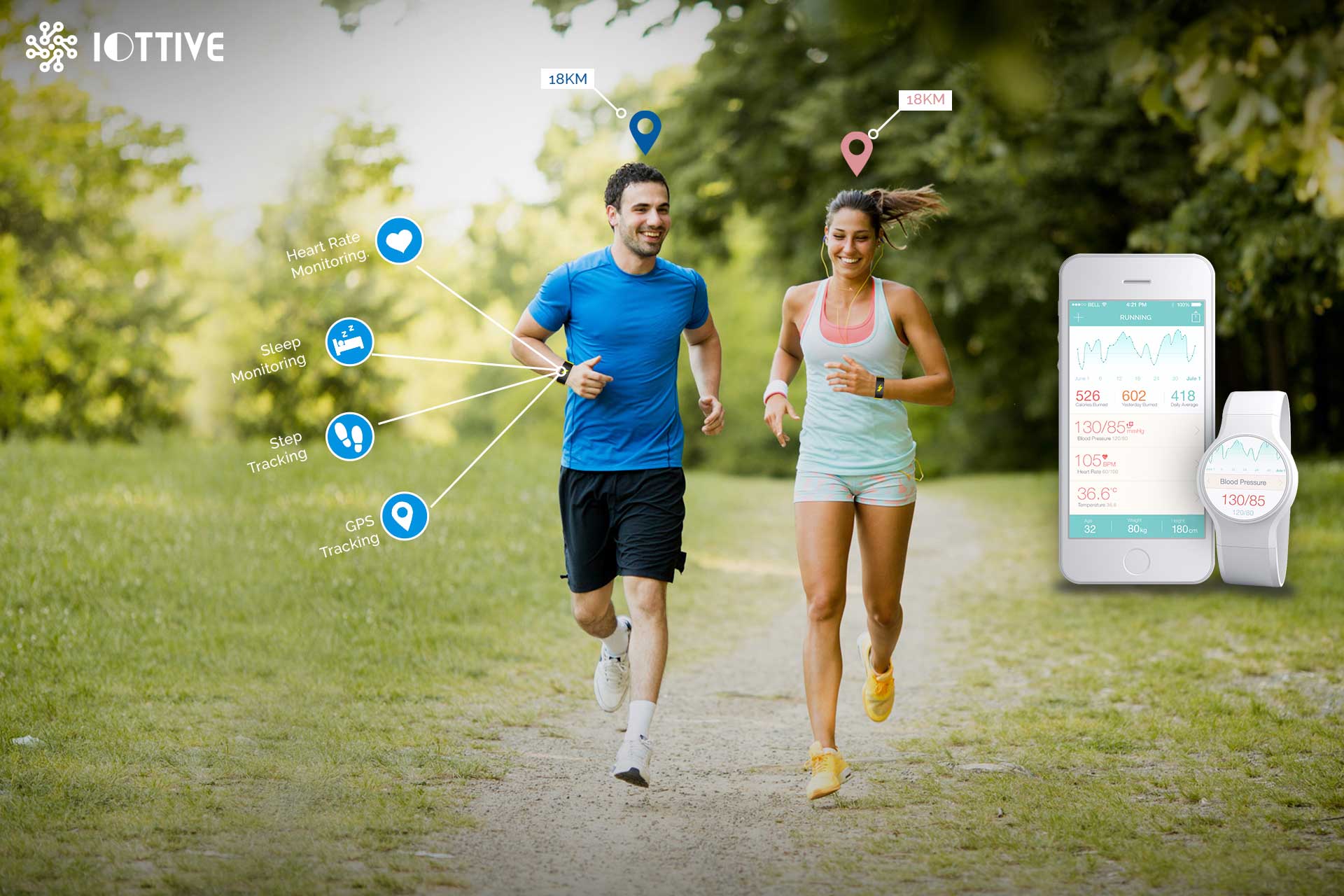
When you think about wearables, smartwatches probably spring to mind. But soon, you’ll be able to sport tech from head to toe. The next wave of fitness wearables will send data directly to doctors.

You’re committed to becoming more active and healthy. So you join a gym, find a workout buddy, or hire a personal trainer. And like more and more of us, you might also buy a fitness tracker—a wearable wireless device with built-in sensors that measure your physical activity. According to a Gartner study, 68.1 million wearable fitness trackers were expected to sell in 2015, and 91.3 million in 2016.

These mostly wrist-worn devices can tell you far more about your physical activity than the humble pedometer ever could. Current trackers—both dedicated devices and smartwatches with sensors—can measure your heart rate, distance traveled, speed, altitude, calories consumed, and even your sleep patterns the night before. As they evolve, and new kinds of sensors are built in, they can do what some targeted, wearable medical devices (such as blood glucose meters and cardiac monitors) can already do: Things like checking your breathing rate, stress level, and different types of brain activity.

iBeacon: Future of mobile engagement

ibeacon

Before Apple’s iBeacon entered the digital tech scene, geolocation was not quite so sophisticated.

There have been many attempts by brands, some more successful than others, to leverage location-based technologies to drive foot-traffic, influence purchases and promote awareness. Mobile apps like Foursquare, Google Latitude, or Gowalla came on the scene, merging the “offline” and online worlds via “check-ins.”

Today, geo-location-based advertising is a default whether it’s a deal for a local restaurant in your Facebook feed, or a Groupon Now coupon pushed to your phone based on current real-time location the majority of geolocation activity has been used for discounting. While it’s a quick win, discounting does not necessarily reinforce long-term business value. Rather, we expect the best implementations of new geo-tech to actually enhance the entire purchase experience streamlining from product discovery through checkout process and support.

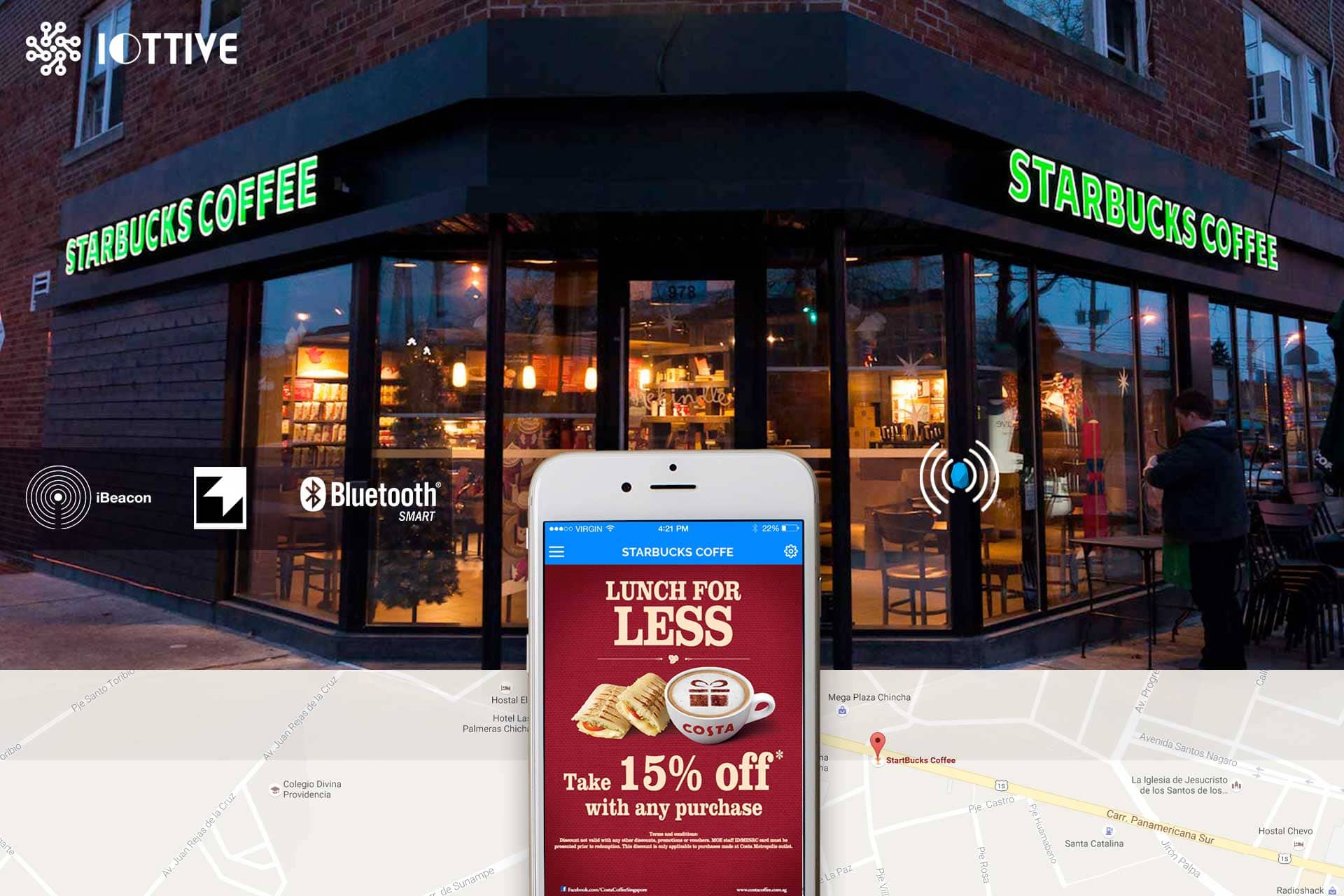
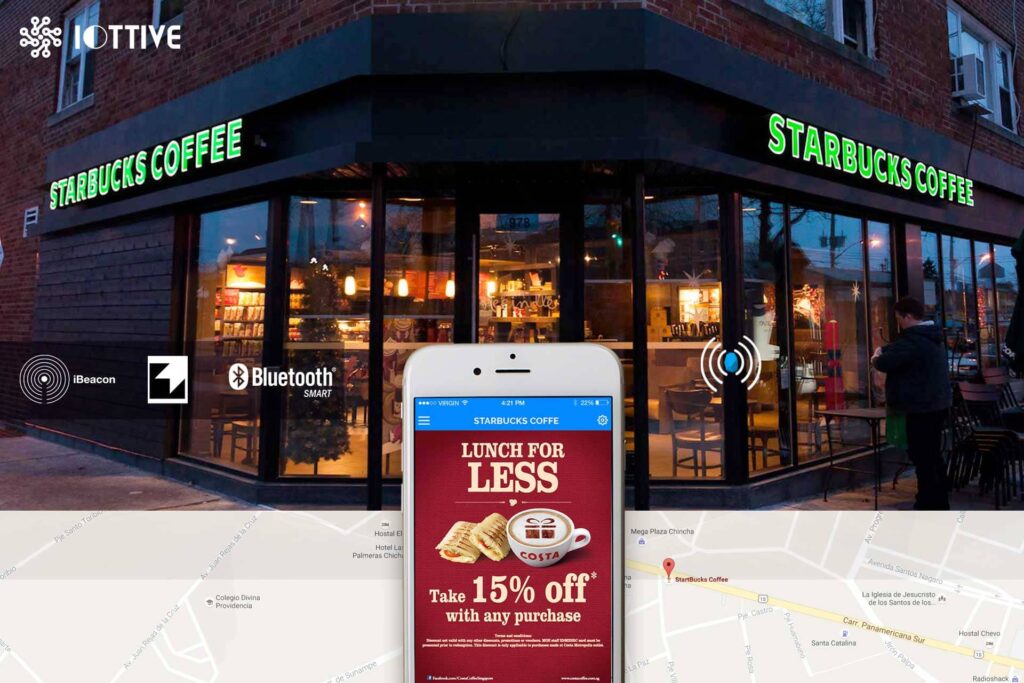
What makes iBeacon more effective? Micro-location functionality, via mobile Bluetooth LE-based technology, enables more relevant and contextual mobile targeting. Micro-location technology can monitor activity within very specific locations or zones, like a grocery aisle.

Another big difference: iBeacon surrenders control to consumers, who must opt-in and download the businesses’ app before receiving messages, eliminating the intrusive aspect of location based marketing.

The technology enables brands to engage in-store shoppers like never before, with real-time, relevant messaging.

Bluetooth Low Energy for next generation products


BLE

Bluetooth’s power-hungry nature has made it impractical for many types of wireless devices in the past. Bluetooth Low Energy is changing this, enabling new types of devices that can operate for months or years with small batteries.

For example, you’ll be able to put a cheap, small device on your keychain so you can track the location of your keys from your phone. The device’s battery will last an entire year without any recharging necessary.

Bluetooth 4.0 offers several different types of standards: classic, low-energy (LE), or both. Bluetooth Low Energy doesn’t actually lower power consumption for all types of devices — for example, wireless stereo headsets likely won’t consume any less power with Bluetooth Low Energy than they would if they used classic Bluetooth. The headset needs to send and receive a lot of audio data while you’re using it; its Bluetooth radio doesn’t have any time to turn off or enter low-power mode.

Bluetooth LE simply enables new types of devices that the original Bluetooth was ill-suited for. Devices that don’t need to send data constantly or that only need to send tiny bits of data can operate with very low power consumption.

Apple seems to be betting that Bluetooth LE will eliminate the need for NFC, providing a wireless interface that can do everything NFC can and more. They might be right, as Bluetooth LE can be used for many of the same things, offers additional wireless range, and eliminates the need for separate NFC hardware in smartphones.

Here’s another example: You could leave a smart tag in your car when you park in the parking lot. The app you use to interface with the smart tags can keep track of the last location it saw your tags at, so it can guide you back to the smart tag you left in your car.

You could attach smart tags to other objects, too. For example, you might want to put one in your laptop bag or your purse. You could configure an app to play an alarm if the object starts getting too far from you, giving you an alert if you leave something behind or someone is stealing it.

Bluetooth LE can also be useful for a variety of medical and fitness devices. For example, a blood glucose or pressure monitor could report its status over Bluetooth LE without using much power. Fitness-monitoring sensors could report heart rate, cycling rotations, running speed, and other data wirelessly. Sure, this was possible without Bluetooth LE, but now it will actually be practical — such sensors could be cheap and last months or years without any recharging necessary.

A typical digital watch could even incorporate Bluetooth LE to communicate with a smartphone, displaying simple notifications for incoming calls, SMS, and emails while maintaining a year or more of battery life. Smartwatches with higher-powered screens and more functions would continue to only last a few days, of course.