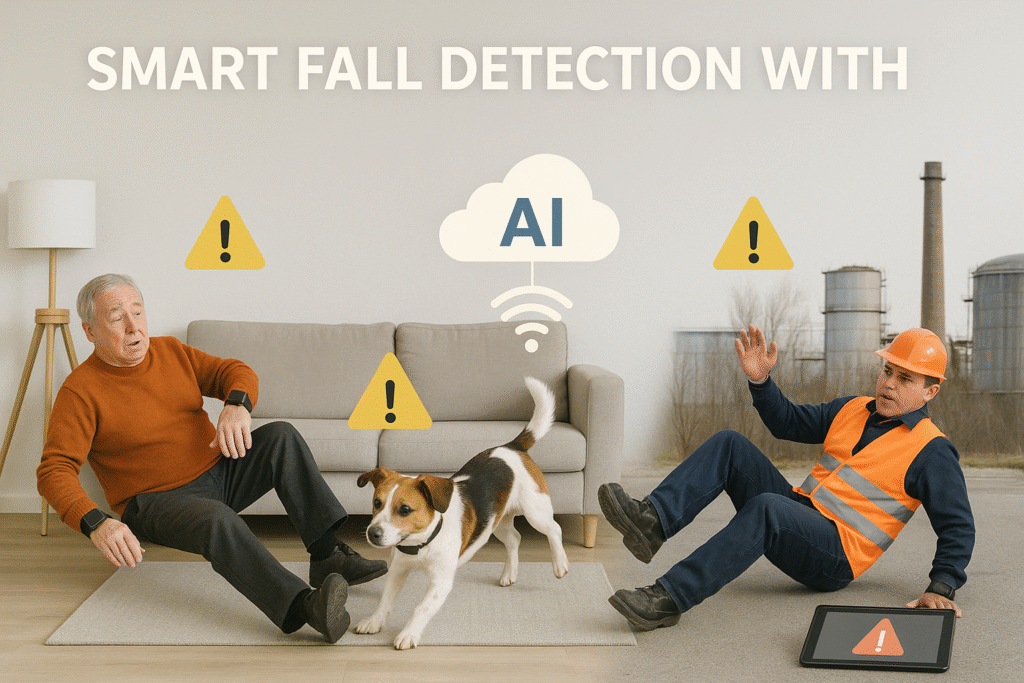
Introduction: The Rise of Remote Patient Monitoring in Modern Healthcare
Remote Patient Monitoring (RPM) is redefining how healthcare is delivered in today’s digital era. By leveraging connected technologies, RPM enables healthcare providers to monitor patients’ vital signs, health metrics, and behaviors from a distance, reducing the need for in-person visits while ensuring continuous care.
The rapid evolution of IoT healthcare technologies has fueled the growth of RPM, creating smarter and more responsive healthcare ecosystems. From managing chronic diseases to monitoring post-operative recovery, Remote Patient Monitoring solutions powered by IoT and enabled by innovative providers like IOTTIVE are helping clinicians offer proactive, personalized, and timely care.
How Remote Patient Monitoring Works
Core Components of RPM
- IoT Sensors and Wearable Health Devices: These include heart rate monitors, glucose meters, ECG sensors, and fitness trackers that collect real-time physiological data.
- Mobile Applications: Patients use intuitive apps to track health trends, receive medication reminders, and communicate with care teams.
- Cloud Integration: Collected data is securely transmitted to cloud platforms for storage and analysis.
- Data Analytics Dashboards: Clinicians access intelligent dashboards for visual insights, alerts, and clinical decision support tools.
End-to-End Data Flow
- Data Collection: Wearable devices and IoT sensors gather patient health metrics continuously.
- Secure Transmission: Encrypted data is transmitted via mobile networks or Wi-Fi to a secure cloud infrastructure.
- Real-Time Monitoring: Healthcare professionals access patient dashboards to monitor data trends and receive alerts.
- Actionable Insights: AI-driven analytics detect anomalies and predict potential health issues, enabling timely interventions.
With IOTTIVE’s connected health solutions, this workflow becomes seamless, secure, and scalable for any healthcare setting.
Key Benefits of Remote Patient Monitoring
- Improved Clinical Decision-Making: RPM provides clinicians with real-time, high-frequency data that enhances diagnostic accuracy and enables data-driven decisions, leading to better patient outcomes.
- Empowered Patient Self-Management: By engaging patients in their own care through wearable health devices and mobile apps, RPM boosts adherence to treatment plans and fosters accountability.
- Reduced Hospital Admissions: Remote monitoring prevents complications by catching early warning signs, significantly lowering emergency visits and rehospitalizations.
- Enhanced Caregiver Involvement: Family members and caregivers gain access to patient dashboards and alerts, improving coordination and peace of mind.
- Expanded Access to Care: RPM bridges the gap for patients in rural or underserved areas, providing them access to continuous monitoring and virtual care.
IOTTIVE’s Role in Delivering Advanced Remote Patient Monitoring Solutions
As a trusted technology partner, IOTTIVE is at the forefront of IoT healthcare innovation, delivering custom, robust, and compliant RPM platforms for modern healthcare providers.
IOTTIVE’s End-to-End RPM Platform Offers:
- Seamless Device Integration: IOTTIVE connects a wide range of wearable health devices and IoT sensors with mobile and web platforms.
- Real-Time Dashboards: Interactive clinician portals and patient apps ensure transparent communication and visibility.
- Secure Cloud Storage: IOTTIVE ensures HIPAA-compliant, end-to-end encrypted data storage and transmission.
- AI-Powered Analytics: Machine learning algorithms deliver predictive alerts and risk stratification for chronic conditions.
- Customizable Architecture: Scalable RPM solutions that adapt to various clinical workflows and healthcare systems.
Real-World Application
Lara Health case study explanation and Link
Future Trends in Remote Patient Monitoring
AI and Predictive Healthcare
The future of RPM lies in AI-driven predictive analytics, enabling clinicians to intervene before a condition worsens, ultimately saving lives and reducing costs.
Advancements in Wearable Tech
Wearables are becoming more compact, accurate, and capable of monitoring multiple parameters simultaneously, fueling a new generation of patient-centric care.
Expansion of the Internet of Medical Things (IoMT)
With the increasing adoption of smart medical devices, the IoMT landscape is set to grow exponentially, offering more integrated and intelligent healthcare ecosystems.
Evolving Regulations and Reimbursement
Global regulatory bodies are recognizing the value of virtual care. Enhanced reimbursement policies are accelerating RPM adoption, opening doors for innovative care models.
Conclusion: Partner with IOTTIVE to Transform Patient Care
Remote Patient Monitoring is more than a technology trend, it’s a fundamental shift in how care is delivered, especially in a post-pandemic world. With real-time insights, reduced hospital burden, and improved patient engagement, RPM is transforming healthcare delivery models.
IOTTIVE’s Remote Patient Monitoring Solution empowers healthcare providers with scalable, secure, and intelligent IoT platforms designed to improve outcomes and operational efficiency. Our deep expertise in wearable solutions, healthcare IoT services, and connected care ecosystems ensures you stay ahead of the curve in digital health innovation.
Let’s make a better future!