From Fitness Trackers to Smart Health Coaches: How AIoT Is Powering the Next Generation of Wearable Devices

Introduction: The Rise of Intelligent Wearable Technology

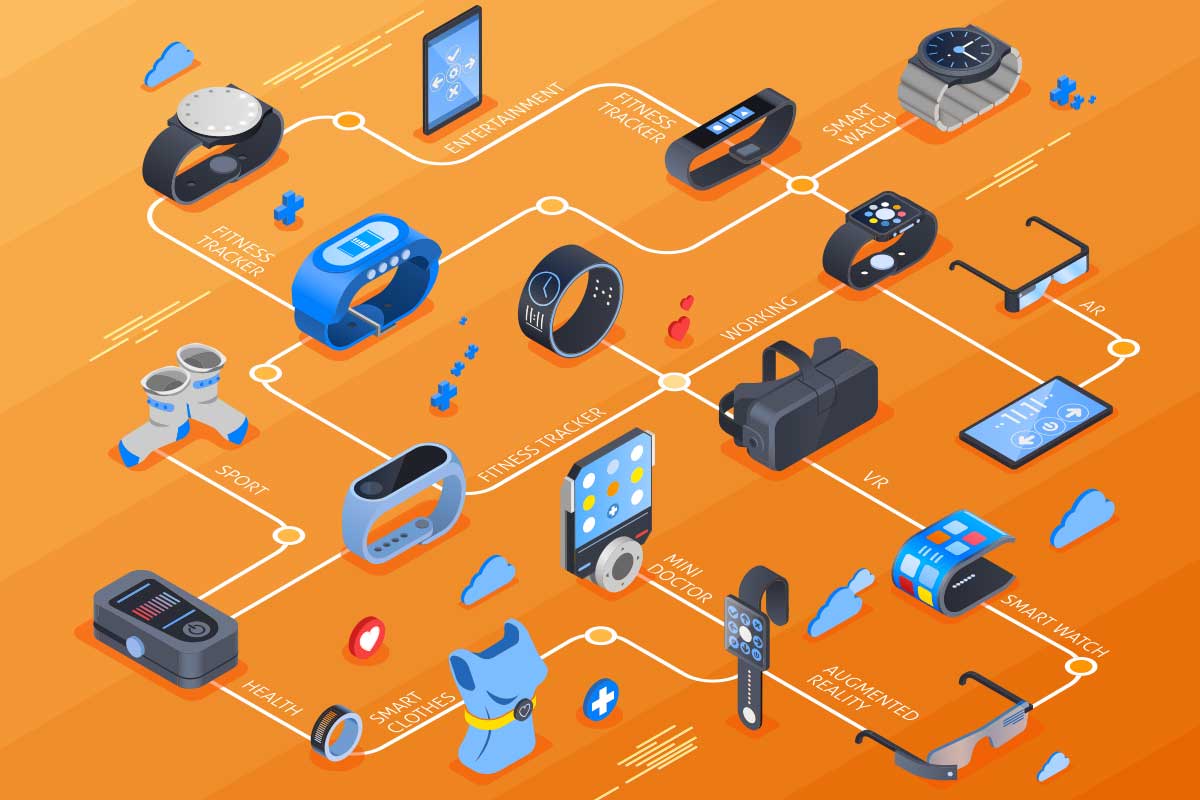
Wearable technology is undergoing a rapid transformation. What began with basic fitness trackers has evolved into powerful AI-driven devices capable of real-time health monitoring, predictive analytics, and even autonomous decision-making. This evolution is powered by the convergence of Artificial Intelligence (AI), the Internet of Things (IoT), and their hybrid forms—AIoT (Artificial Intelligence of Things) and AIIoT (Artificially Intelligent IoT).
By 2025, the wearable IoT market is projected to exceed $100 billion, and AI-powered wearables are leading the charge. But to successfully build a next-gen wearable, businesses must integrate custom hardware, optimized firmware, smart AI algorithms, and user-centric mobile apps—a complete AIoT stack.

1. What Are AIoT and AIIoT Wearable Devices?

AIoT refers to IoT systems enhanced with artificial intelligence—typically for local decision-making, automation, and personalization. In the context of wearables, this means:

  • AI analyzing sensor data on-device
  • Predictive alerts based on usage patterns
  • Context-aware automation (e.g., adjusting based on location, stress, or heart rate)

AIIoT goes further—embedding advanced AI directly into edge devices, allowing them to operate autonomously with minimal cloud dependency. These wearable systems can learn, adapt, and act in real time.

2. Key Components of AIoT-Driven Wearable Development

A. Custom Hardware Design for AIoT Wearables

To support edge AI processing, hardware must be smart and power-efficient:

  • MCUs and AI-enabled SoCs (e.g., ARM Cortex-M with AI accelerators, Edge TPU)
  • On-device memory for machine learning model storage
  • Sensors for motion, bio-signals, environment
  • Connectivity modules: BLE, Wi-Fi, LTE-M, or NB-IoT

AIoT requires hardware with enough compute to run ML models locally, not just transmit data.

B. Firmware Development with Embedded AI

Firmware in modern wearables does more than manage sensors:

  • Runs TinyML models (e.g., gesture recognition, anomaly detection)
  • Manages sensor fusion and data preprocessing
  • Triggers events or actions without app or cloud input
  • Implements OTA updates for both firmware and AI models

Secure and modular firmware is critical for edge intelligence and real-time performance.

C. AI Algorithms and Machine Learning for Wearables

AI turns raw data into real-time insights. Key ML applications in wearables include:

  • Heart rate variability prediction for stress detection
  • Motion classification using accelerometer and gyroscope data
  • Sleep stage detection via AI models
  • Predictive health alerts (e.g., fall risk, cardiac anomalies)
  • Behavioral pattern learning for contextual actions

These models can run on-device (TinyML) or be processed in the cloud depending on hardware limitations.

D. Mobile App Integration for Smart Wearables

The app acts as the user interface for insights, device control, and AI explainability:

  • Bluetooth sync with smart data filtering
  • Real-time data visualization using AI-enhanced graphs
  • Personalized recommendations based on AI predictions
  • Model training feedback loops via user tagging or corrections
  • Cloud sync, push alerts, and voice assistant integration

Mobile apps for AIoT wearables must be secure, fast, and privacy-centric.

3. Use Cases of AIoT in Wearable Devices

Healthcare and Wellness

  • AI-powered diagnostics: ECG pattern analysis, oxygen saturation monitoring
  • Chronic condition management: Glucose trends, arrhythmia prediction
  • Smart hearing aids: AI for noise cancellation and speech enhancement

Fitness & Lifestyle

  • AI-driven coaching: Form correction, pace guidance
  • Sleep and stress scoring with ML models
  • Smart feedback based on behavior history

Industrial Wearables

  • Fatigue detection using AI on motion and vitals
  • Fall and incident prediction
  • Voice-commanded smart glasses with NLP processing

4. Challenges in Developing AIoT Wearable Solutions

Despite the potential, AIoT wearables face challenges:

  • Limited processing power for AI models
  • Battery constraints with always-on inference
  • On-device model optimization (TinyML, TensorFlow Lite)
  • Cross-platform integration for apps and dashboards
  • Data privacy and secure firmware updates

Partnering with a full-stack development company can bridge these gaps efficiently.

5. Why You Need a Full-Stack AIoT Partner for Wearables

To succeed in the AI-powered wearable space, you need a team that can handle:

  • Custom hardware development for AI at the edge
  • Firmware and TinyML integration for real-time intelligence
  • AI model design and optimization for wearable use cases
  • Cross-platform mobile apps that bring the experience to life
  • Security and cloud connectivity for data and updates

A unified development team ensures your wearable is intelligent, reliable, and scalable.

Conclusion: The Future of Wearable Technology is AIoT-Driven

The next era of wearables is not just connected—it’s smart, predictive, and autonomous. Whether you’re building a medical wearable, industrial safety gear, or a fitness tracker, AI and IoT together are the new standard.
With the right blend of AI models, custom hardware, firmware intelligence, and mobile-first experience, your wearable device can do more than measure—it can think and act.

Let’s Get Started

Remote Patient Monitoring Is Transforming Healthcare with AI and IoT


Introduction: The Rise of Remote Patient Monitoring in Modern Healthcare

Remote Patient Monitoring (RPM) is redefining how healthcare is delivered in today’s digital era. By leveraging connected technologies, RPM enables healthcare providers to monitor patients’ vital signs, health metrics, and behaviors from a distance, reducing the need for in-person visits while ensuring continuous care.
The rapid evolution of IoT healthcare technologies has fueled the growth of RPM, creating smarter and more responsive healthcare ecosystems. From managing chronic diseases to monitoring post-operative recovery, Remote Patient Monitoring solutions powered by IoT and enabled by innovative providers like IOTTIVE are helping clinicians offer proactive, personalized, and timely care.

How Remote Patient Monitoring Works

Core Components of RPM

  • IoT Sensors and Wearable Health Devices: These include heart rate monitors, glucose meters, ECG sensors, and fitness trackers that collect real-time physiological data.
  • Mobile Applications: Patients use intuitive apps to track health trends, receive medication reminders, and communicate with care teams.
  • Cloud Integration: Collected data is securely transmitted to cloud platforms for storage and analysis.
  • Data Analytics Dashboards: Clinicians access intelligent dashboards for visual insights, alerts, and clinical decision support tools.

End-to-End Data Flow

  • Data Collection: Wearable devices and IoT sensors gather patient health metrics continuously.
  • Secure Transmission: Encrypted data is transmitted via mobile networks or Wi-Fi to a secure cloud infrastructure.
  • Real-Time Monitoring: Healthcare professionals access patient dashboards to monitor data trends and receive alerts.
  • Actionable Insights: AI-driven analytics detect anomalies and predict potential health issues, enabling timely interventions.

With IOTTIVE’s connected health solutions, this workflow becomes seamless, secure, and scalable for any healthcare setting.

Key Benefits of Remote Patient Monitoring

  • Improved Clinical Decision-Making: RPM provides clinicians with real-time, high-frequency data that enhances diagnostic accuracy and enables data-driven decisions, leading to better patient outcomes.
  • Empowered Patient Self-Management: By engaging patients in their own care through wearable health devices and mobile apps, RPM boosts adherence to treatment plans and fosters accountability.
  • Reduced Hospital Admissions: Remote monitoring prevents complications by catching early warning signs, significantly lowering emergency visits and rehospitalizations.
  • Enhanced Caregiver Involvement: Family members and caregivers gain access to patient dashboards and alerts, improving coordination and peace of mind.
  • Expanded Access to Care: RPM bridges the gap for patients in rural or underserved areas, providing them access to continuous monitoring and virtual care.

IOTTIVE’s Role in Delivering Advanced Remote Patient Monitoring Solutions

As a trusted technology partner, IOTTIVE is at the forefront of IoT healthcare innovation, delivering custom, robust, and compliant RPM platforms for modern healthcare providers.

IOTTIVE’s End-to-End RPM Platform Offers:

  • Seamless Device Integration: IOTTIVE connects a wide range of wearable health devices and IoT sensors with mobile and web platforms.
  • Real-Time Dashboards: Interactive clinician portals and patient apps ensure transparent communication and visibility.
  • Secure Cloud Storage: IOTTIVE ensures HIPAA-compliant, end-to-end encrypted data storage and transmission.
  • AI-Powered Analytics: Machine learning algorithms deliver predictive alerts and risk stratification for chronic conditions.
  • Customizable Architecture: Scalable RPM solutions that adapt to various clinical workflows and healthcare systems.

Real-World Application

Lara Health case study explanation and Link

Future Trends in Remote Patient Monitoring

AI and Predictive Healthcare

The future of RPM lies in AI-driven predictive analytics, enabling clinicians to intervene before a condition worsens, ultimately saving lives and reducing costs.

Advancements in Wearable Tech

Wearables are becoming more compact, accurate, and capable of monitoring multiple parameters simultaneously, fueling a new generation of patient-centric care.

Expansion of the Internet of Medical Things (IoMT)

With the increasing adoption of smart medical devices, the IoMT landscape is set to grow exponentially, offering more integrated and intelligent healthcare ecosystems.

Evolving Regulations and Reimbursement

Global regulatory bodies are recognizing the value of virtual care. Enhanced reimbursement policies are accelerating RPM adoption, opening doors for innovative care models.

Conclusion: Partner with IOTTIVE to Transform Patient Care

Remote Patient Monitoring is more than a technology trend, it’s a fundamental shift in how care is delivered, especially in a post-pandemic world. With real-time insights, reduced hospital burden, and improved patient engagement, RPM is transforming healthcare delivery models.
IOTTIVE’s Remote Patient Monitoring Solution empowers healthcare providers with scalable, secure, and intelligent IoT platforms designed to improve outcomes and operational efficiency. Our deep expertise in wearable solutions, healthcare IoT services, and connected care ecosystems ensures you stay ahead of the curve in digital health innovation.
Let’s make a better future!


Let’s Get Started

Smart Solutions for Fall Detection


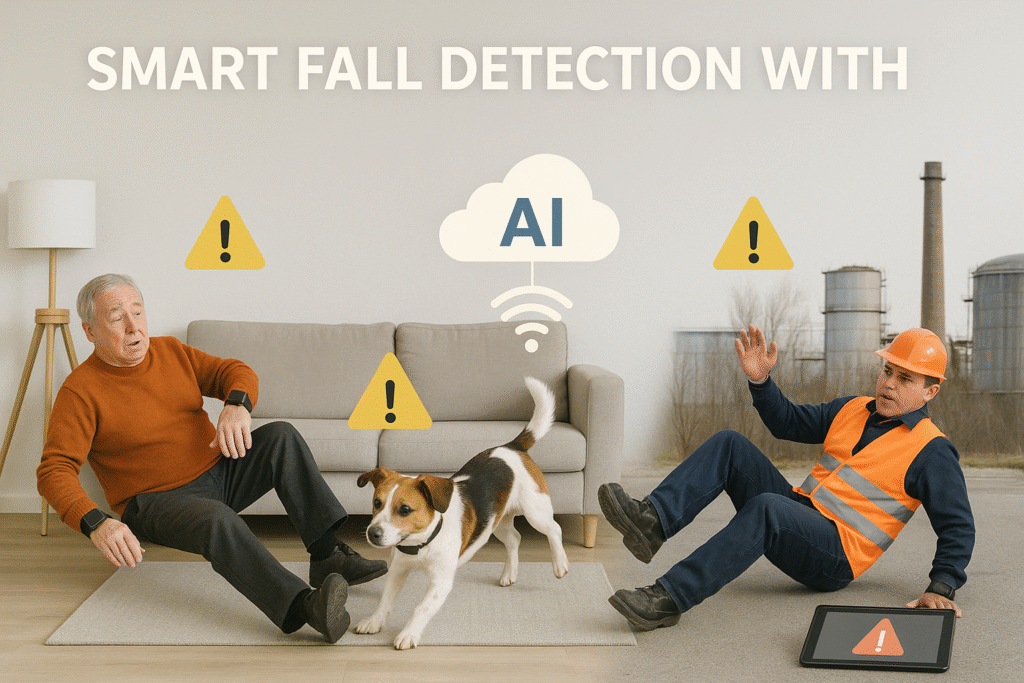
Smart Fall Detection with AIoT: Real-Time Alerts for Humans, Animals, and Industrial Safety

Falls are among the leading causes of serious injuries across various domains—elderly individuals at home, pets left unattended, industrial workers, and even livestock in remote farms. But what if a fall could instantly trigger a real-time alert to caregivers or emergency responders?

Enter Smart Fall Detection Solutions—powered by AI (Artificial Intelligence) and AIoT (Artificial Intelligence of Things)—that blend motion detection, smart sensors, firmware intelligence, and mobile applications to offer proactive, automated fall alerts across human and animal environments.

How Smart Fall Detection Works: From Sensors to Smart Notifications

Modern fall detection solutions use a combination of:

  • Motion Detection Sensors: Accelerometers and gyroscopes measure sudden changes in orientation or impact.
  • AI Algorithms: Classify motion patterns and detect abnormal falls vs normal movement.
  • AIoT Integration: Enables autonomous, real-time analysis and cloud synchronization.
  • Smart Notifications: Instant alerts via SMS, push notification, or auto-dialing emergency contacts.

AIoT and Firmware at the Core of Innovation

The secret behind the precision of modern fall detection lies in embedded firmware and AIoT synergy. By deploying lightweight AI models directly on hardware (like ESP32, STM32, or wearable SoCs), devices can:

  • Detect falls locally (on-device edge computing)
  • Reduce latency and dependency on the internet
  • Send emergency alerts through connected mobile apps

Mobile App Integration: Instant, Anywhere Fall Alerts

Smart fall detection is incomplete without mobile app integration, which plays a key role in:

  • Receiving real-time alerts
  • Tracking fall history
  • Viewing health analytics or motion graphs
  • Setting up geofencing or multi-user monitoring

Real-World Applications Across Environments

Elderly Care

Use Case:

Detects sudden falls at home or in elder-care centers and alerts family or emergency responders immediately.

Pet & Livestock Monitoring

Use Case:

Monitors unusual inactivity or sudden drops in motion, especially useful in farms or when pets are left alone.

Industrial Worker Safety

Use Case:

Deployed in construction zones or hazardous areas to reduce response time in case of onsite accidents.

Smart Homes & Buildings

Use Case:

Integrated with home automation systems to trigger alarms, activate cameras, or make emergency calls.

Benefits of Smart Fall Detection

  • 24/7 Monitoring without human supervision
  • Customizable Alert Systems based on type and severity
  • Cross-Platform Integration (apps, cloud, smartwatches)
  • Advanced AI Learning to reduce false positives
  • Cost-Effective Safety Solution for large-scale deployment

The Future of Fall Detection: Smarter, Faster, Broader

With AIoT technologies maturing and hardware costs decreasing, fall detection is becoming:

  • More intelligent (learning user-specific patterns)
  • More inclusive (used for pets, children, machinery)
  • More connected (integration with smart home systems and wearables)

Conclusion: Invest in Proactive Safety

Whether it’s for the elderly, animals, workers, or sensitive equipment, Smart Fall Detection Solutions offer a future-ready, AI-powered safety net that works silently—but speaks up at the right moment. It’s no longer a luxury—it’s a critical safety layer powered by AI, IoT, and smart firmware technologies.

Looking to build or integrate a smart fall detection system? Partner with IoT experts who bring together hardware, mobile app development, and AIoT innovation—because every second counts when safety is on the line.