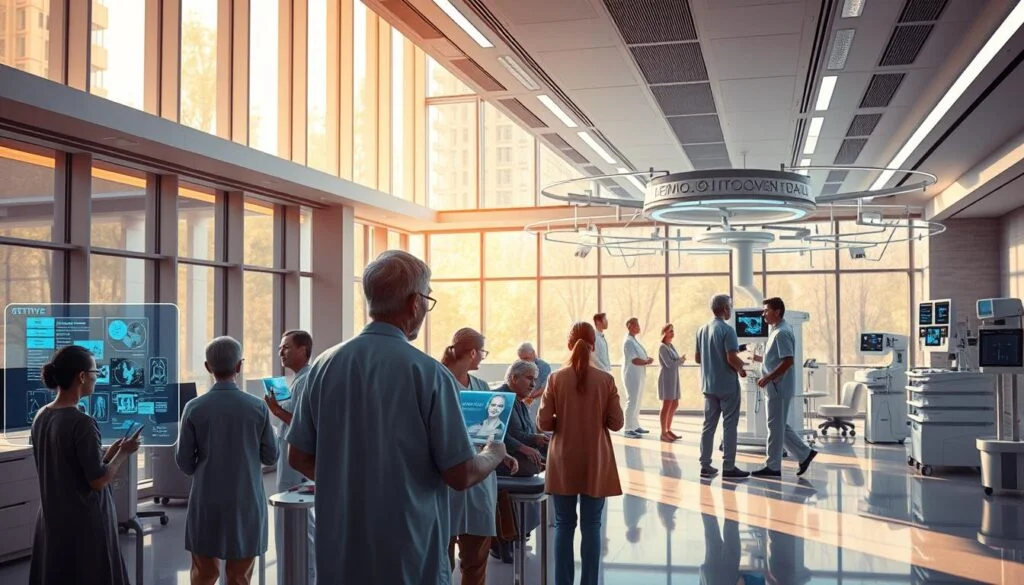
From Reactive to Proactive: The Shift in Patient Safety Through Smart Healthcare Innovation

Imagine a nurse at a bustling Midwest hospital noticing a pattern in vital sign data before a critical event occurs. Instead of rushing to respond to an emergency, her team uses real-time analytics to adjust treatment plans early. This shift from “waiting for problems” to anticipating risks is reshaping modern medicine.

proactive patient safety strategies

Healthcare has long focused on fixing issues after they arise. Think of it like repairing a car only when it breaks down. But new technologies now help providers spot potential concerns before they escalate. Automated systems track trends in health data, while AI tools flag subtle warning signs humans might miss.

These innovations create a protective shield around care environments. Teams collaborate using shared dashboards that highlight risks in simple visuals. Training programs emphasize prevention over reaction, building confidence among staff and trust with those they serve.

Key Takeaways

  • Modern healthcare prioritizes early risk detection over post-crisis responses
  • Data analytics and AI tools enable real-time health monitoring
  • Automated systems reduce human error in critical care scenarios
  • Collaborative tech platforms improve team communication
  • Prevention-focused training enhances care quality outcomes

Understanding the Journey from Reactive to Proactive in Healthcare

For decades, hospitals operated like fire departments – scrambling to address emergencies only after alarms sounded. This “wait-and-see” mindset dominated care delivery, with teams treating complications like infections or organ damage after they occurred.
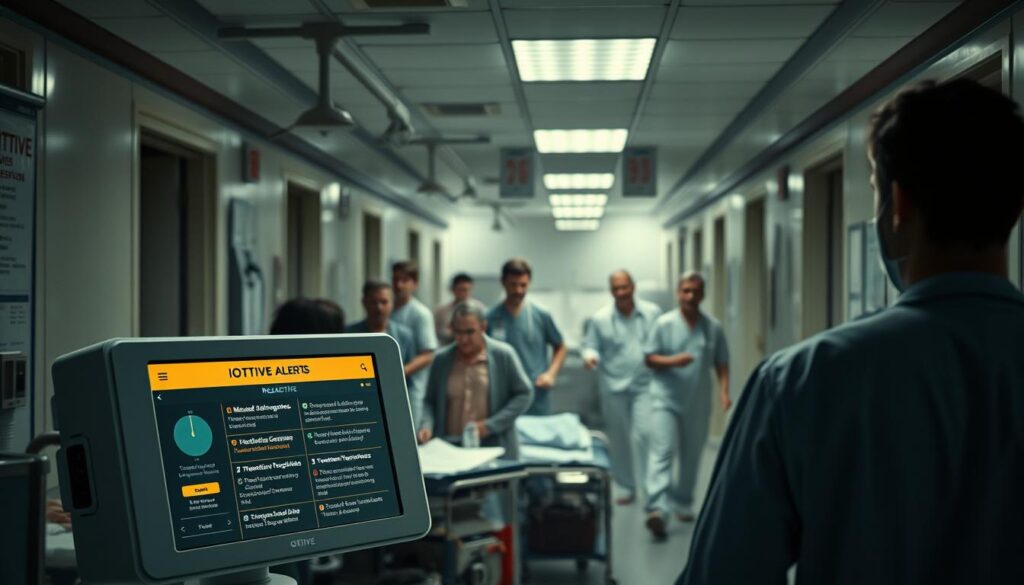
reactive healthcare challenges

How Traditional Systems Operate

Most facilities still rely on staff to spot and report issues manually. For instance, a nurse might notice a patient’s rising creatinine levels days into kidney-straining medication use. By then, damage often becomes irreversible. Research shows these manual reporting systems miss 86% of harm events, leaving care teams unaware of recurring risks.

When Reaction Falls Short

Delayed responses create ripple effects. A University of Utah case revealed how late sepsis detection led to extended ICU stays and preventable costs. “We’d review incidents months later,” shares a safety director, “but couldn’t undo the trauma families endured.”

Paper-based tracking and fragmented communication further slow improvements. Clinicians juggle urgent tasks while trying to document past errors – like drivers focusing on rearview mirrors instead of road hazards ahead.

Integrating Proactive Patient Safety Strategies

Picture a radar system scanning the horizon for storms instead of waiting for floodwaters to rise. That’s how modern care teams now approach risks – spotting trouble long before alarms sound. By blending real-time data with human expertise, they’re rewriting the rules of care delivery.
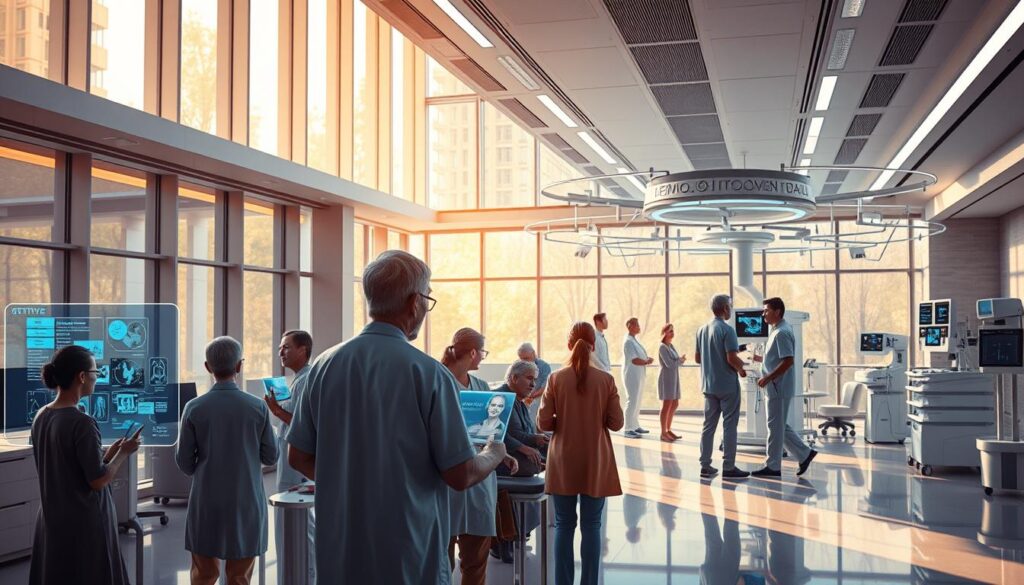
proactive healthcare systems

Benefits of Forward-Thinking Care

Automated tools scan medical records 24/7, flagging subtle patterns like medication conflicts or early infection signs. One Midwest ICU reduced sepsis cases by 40% using these alerts. “It’s like having an extra set of eyes that never blink,” says a nurse practitioner.

Teams also share insights faster through centralized dashboards. When blood sugar trends dip, dietitians and pharmacists collaborate instantly – no more waiting for shift reports. This constant vigilance helps catch 68% more potential issues than traditional methods.

Two Models, Different Outcomes

Let’s break down how approaches differ:

Reactive Model Proactive Model
Relies on incident reports Analyzes live data streams
Focuses on past errors Predicts future risks
Manual documentation Automated pattern detection

The military’s “left of bang” philosophy drives this shift. Instead of reacting to crises, teams train to prevent them. As one hospital director notes: “We’re not just putting out fires anymore – we’re fireproofing the building.”

This evolution from fixing problems to avoiding them altogether creates ripple effects. Families spend fewer nights in waiting rooms, and care teams regain time for meaningful interactions. It’s not just safer – it’s smarter.

Establishing a Culture of Safety Through Best Practices

Picture a morning huddle where nurses, doctors, and technicians openly discuss potential risks before rounds begin. This collaborative spirit forms the backbone of modern safety-first environments, where every voice matters in preventing errors.
healthcare safety culture

Effective Communication Protocols in Healthcare

Clear dialogue saves lives. Teams using standardized tools like SBAR (Situation-Background-Assessment-Recommendation) reduce miscommunication by 33%. Daily briefings and digital platforms ensure everyone knows:

  • Current treatment plans
  • Medication updates
  • Critical lab results

Shift changes become safer when using checklists that verify handoff completeness. One Texas hospital cut missed alerts by 50% after implementing visual confirmation techniques.

Adherence to Regulatory Safety Guidelines

Leading healthcare organizations follow strict frameworks from:

  • ANA infection control standards
  • CDC vaccination protocols
  • Joint Commission medication rules

Regular audits help teams stay compliant while identifying improvement areas. “Guidelines aren’t restrictions,” notes a CMS advisor. “They’re guardrails keeping care on track.”

Utilizing Evidence-Based Practices

The Hierarchy of Controls shapes modern risk management:

  1. Remove hazards completely
  2. Replace dangerous processes
  3. Install safety engineering features

Ongoing training keeps staff updated on new research. Simulation labs let teams practice emergency responses safely, building muscle memory for real crises. When knowledge meets action, quality outcomes follow naturally.

Technological Innovations Driving Smart Healthcare

Modern medicine now operates like a precision watch – intricate systems working in sync to protect well-being. Advanced tools scan mountains of data, spotting hidden patterns that human eyes might overlook. This digital transformation turns treatment plans into living documents that adapt as conditions change.
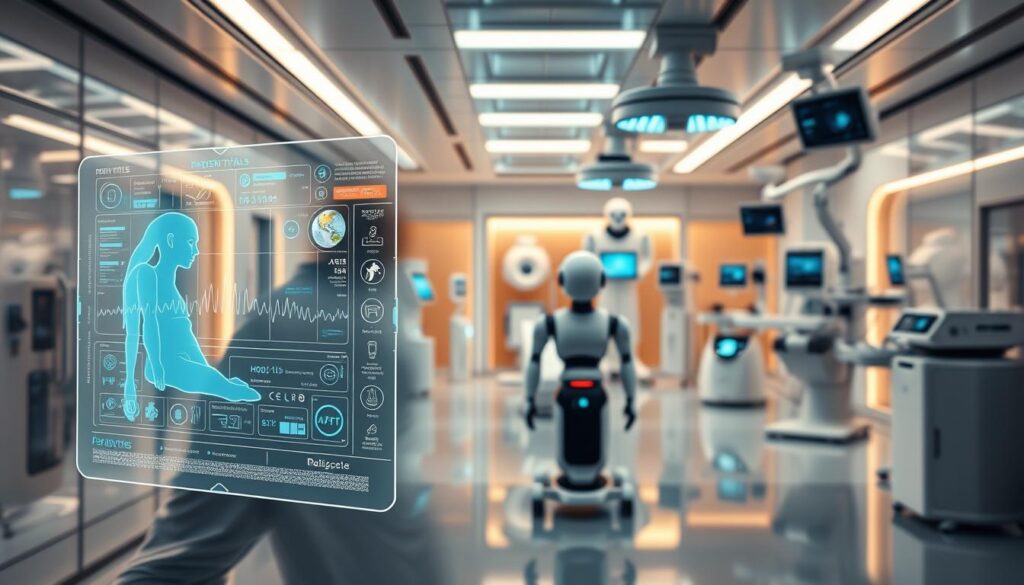
healthcare technology innovations

Automated Surveillance and Early Intervention

Think of automated monitors as tireless guardians working round-the-clock. Platforms like the Health Catalyst Patient Safety Monitor analyze lab results, medication orders, and vital signs simultaneously. One Midwest hospital reduced pressure injuries by 35% after implementing these alerts. “The system flagged subtle skin changes we’d typically catch during shift changes,” shares a wound care specialist.

Leveraging Data Analytics for Safety Monitoring

Predictive models now act as crystal balls for care teams. Machine learning algorithms cross-reference thousands of data points to forecast risks:

Active Safety Systems Passive Safety Systems
Real-time medication alerts Fall risk scoring
Infection pattern detection Pressure ulcer predictors
Drug interaction warnings Readmission likelihood models

These tools eliminate guesswork by providing actionable insights. As one data engineer explains: “We’re not just collecting numbers – we’re translating them into life-saving stories.” Organizations using combined systems report 42% fewer preventable incidents compared to single-solution approaches.

Continuous learning algorithms refine their accuracy with each case study. What begins as general guidance becomes tailored protection over time – like personalized armor against medical risks.

Enhancing Team Collaboration and Communication

Consider a symphony orchestra where musicians blend their skills to create harmony. Modern healthcare teams achieve similar coordination through structured collaboration. By breaking down silos between departments, organizations foster environments where collective expertise drives better results.

Building Multidisciplinary Response Teams

Diverse specialists – from surgeons to social workers – now strategize together using shared digital workspaces. Johns Hopkins researchers found these teams reduce treatment errors by 28% compared to solo decision-making. Real-time messaging platforms let members flag concerns instantly, like medication conflicts spotted by pharmacists during rounds.

Weekly case reviews encourage knowledge sharing across roles. “Our neonatal unit improved outcomes by inviting respiratory therapists to planning meetings,” notes a Boston hospital director. This cross-pollination of ideas strengthens care quality while respecting each discipline’s unique contributions.

Establishing Clear Channels for Staff Feedback

Frontline workers often spot risks first. Secure mobile apps now let nurses and technicians report concerns anonymously. One Arizona network saw 40% faster hazard resolution after implementing this approach.

Monthly “innovation hours” give staff paid time to suggest process improvements. A Vanderbilt study linked such programs to 19% higher health outcome scores. When teams know their voices matter, they become active partners in safeguarding those they serve.

These strategies transform workplaces into learning ecosystems. Shared knowledge becomes preventive power, turning everyday interactions into opportunities for growth. It’s not just about working together – it’s about advancing together.

FAQ

What’s the difference between reactive and proactive approaches in healthcare?

Reactive methods focus on addressing issues after they occur, like treating complications or analyzing errors post-event. Proactive strategies prioritize preventing harm upfront through tools like predictive analytics, staff training, and real-time monitoring to reduce risks before they escalate.

How do smart technologies improve care quality?

Innovations like AI-driven analytics and automated systems identify patterns in data to flag potential risks early. For example, wearable devices track vital signs continuously, alerting teams to intervene before a condition worsens, leading to faster, more personalized care.

Why is communication critical in safety culture?

Clear communication ensures everyone—from nurses to specialists—shares updates, concerns, and solutions openly. Hospitals like Johns Hopkins use structured tools like SBAR (Situation-Background-Assessment-Recommendation) to standardize handoffs, reducing miscommunication errors.

What role do regulatory guidelines play in safety?

Guidelines from agencies like The Joint Commission set standards for infection control, medication safety, and emergency protocols. Compliance ensures organizations meet baseline requirements while fostering accountability and consistency across teams.

Can data analytics really prevent adverse events?

Yes. Systems like Epic’s predictive models analyze historical and real-time data to identify high-risk patients or workflow gaps. This allows teams to allocate resources strategically, such as increasing staff during peak admission times to avoid delays.

How can staff contribute to proactive safety measures?

Frontline workers often spot risks first. Encouraging feedback through platforms like Press Ganey surveys or internal apps empowers them to report near-misses or suggest improvements, creating a collaborative environment where prevention is a shared goal.

What metrics track the success of safety strategies?

Key indicators include reduced hospital-acquired infections, shorter response times to critical alerts, and lower readmission rates. Regular audits and patient outcome reviews help organizations refine their approaches over time.

Let’s Get Started

Prevent Accidents Before They Happen: Smart Driver Monitoring Systems

Imagine a late-night drive home after a long workday. Your eyelids feel heavy, and the highway lines blur slightly. Suddenly, a soft chime sounds from your dashboard, followed by a voice alert: “Time for a break.” This isn’t science fiction—it’s how modern safety tools quietly intervene to protect lives.

Road safety has entered a new era. Cutting-edge solutions now analyze behavior patterns and physical cues to predict risks before they escalate. These innovations address a sobering truth: over 90% of collisions involve preventable human mistakes. By combining real-time alerts with adaptive protocols, they create a safety net that adapts to individual needs.

Whether you’re safeguarding a family vehicle or managing a commercial fleet, these technologies offer tailored protection. Some solutions focus on momentary lapses, while others track long-term patterns. The common thread? They transform how we approach road safety—from hoping accidents won’t happen to actively preventing them.

Key Takeaways

  • Modern safety tools use behavior analysis to predict and prevent risks
  • Over 90% of collisions involve preventable human factors
  • Real-time alerts help address momentary lapses in focus
  • Solutions adapt to personal or commercial safety needs
  • Continuous monitoring bridges human attention gaps
  • Technology shifts safety strategies from reactive to proactive

Introduction to Smart Driver Monitoring Systems

Modern vehicles now carry more processing power than the Apollo moon missions. This computational muscle fuels safety innovations that work like digital co-pilots, analyzing human behavior to prevent mishaps. Transportation authorities report that 94% of crashes stem from avoidable errors—a gap these technologies aim to close.

smart driver safety systems

How Modern Vehicles Protect Operators

Industrial vehicles now feature multi-layered protection networks. Infrared sensors scan for microsleep indicators, while steering pattern analysis detects attention lapses. One logistics manager noted: “Our collision rates dropped 40% in six months after implementation—it’s like having an extra set of eyes that never blink.”

Safety Feature Traditional Methods Smart Technology
Attention Tracking Manual supervisor checks Continuous biometric analysis
Response Time Post-incident reports Instant visual/audio alerts
Data Collection Paper logs Cloud-based behavior patterns

Why Early Intervention Matters

Commercial operators can’t afford reaction-based strategies. A single prevented accident saves an average of $150,000 in direct costs—not counting reputational damage. These solutions create safety buffers through:

  • Pattern recognition for high-risk scenarios
  • Customizable alert thresholds
  • Historical performance tracking

The National Safety Council confirms organizations using such tools see 58% faster response to emerging risks. As roads grow busier, prevention-focused systems become essential partners in operational safety.

Innovative Features of Our Advanced Safety Solutions

Modern safety tools do more than react – they anticipate. Picture this: during a routine coffee break, a delivery van’s safety tech spots subtle changes in steering patterns before the operator feels tired. This proactive approach defines today’s protective innovations.

advanced safety solutions

Real Time Alerts and Data Analytics

Instant notifications form the first line of defense. When sensors detect early warning signs, three-stage alerts activate:

  • Subtle dashboard lights
  • Progressive audio tones
  • Steering wheel vibrations

These layered signals adapt to urgency levels. A transportation supervisor shared: “Our teams respond 73% faster to seat vibrations than speaker alerts – it’s discreet yet effective.”

Feature Legacy Tech Smart Solution
Alert Activation After incident Pre-event prediction
Data Storage Local drives Encrypted cloud
System Integration Separate units Vehicle network sync

Behind the scenes, analytics engines process thousands of data points hourly. Fleet managers access:

  • Weekly performance trends
  • Route-specific risk scores
  • Custom improvement plans

This combination of immediate action and long-term analysis creates what engineers call “safety momentum” – each journey builds smarter protection than the last.

Driver monitoring system, drowsiness detection, driver fatigue AI, face tracking: A Closer Look

Every 24 seconds, a crash occurs on U.S. roads—many preventable through technological intervention. Modern safety solutions combine infrared sensors with adaptive algorithms to interpret human behavior. These tools don’t just watch; they understand.

Comprehensive Integration of Cutting-Edge Technologies

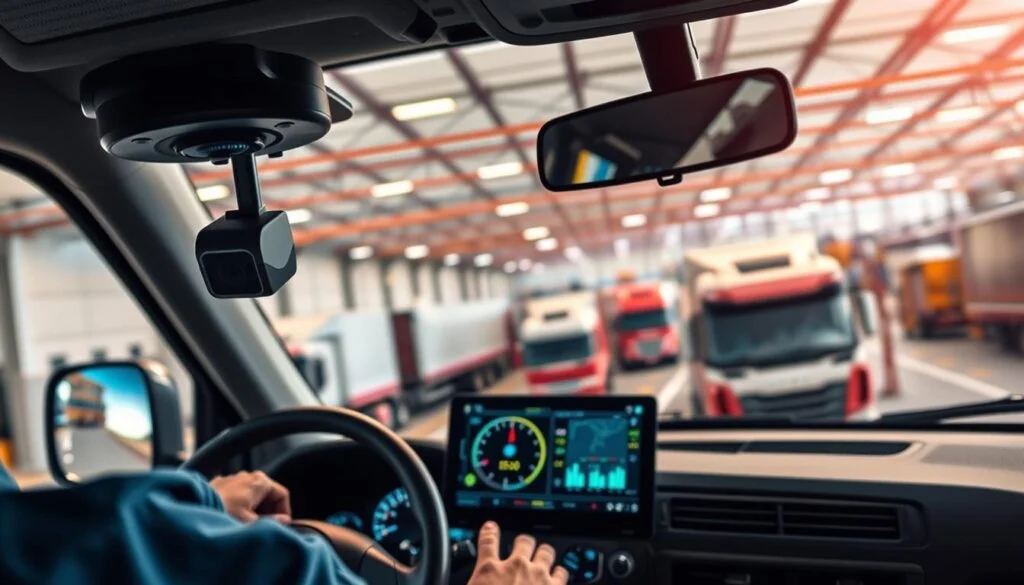
Infrared dashcams work with pattern-analysis engines to spot micro-changes in alertness. One logistics company reported: “Our system caught a 0.3-second eyelid droop during a midnight haul—something human supervisors might miss.”

facial recognition safety tech

These integrated networks compare real-time data against personalized baselines. Initial setup photos establish normal expressions and eye positions. Continuous analysis tracks deviations as small as 15% from these benchmarks.

How Facial Recognition Enhances Safety

Advanced algorithms map 68 facial points to detect subtle shifts. A fleet manager explained: “It’s like having a biometric analyst riding shotgun—without the coffee breaks.” Key indicators include:

  • Micro-expressions lasting under 0.5 seconds
  • Head tilt angles beyond 12 degrees
  • Asymmetric lip movements

This layered approach reduces false alarms by 43% compared to basic motion sensors. By learning individual quirks—like habitual squints or resting expressions—the tech adapts to each user. The result? Protection that feels personal, not intrusive.

Integrating Advanced Driver Assistance for Fleet and Commercial Use

Commercial transportation networks face unique safety challenges that demand tailored solutions. Guardian South East Asia bridges this gap with specialized support, offering both advanced driver assistance technologies and hands-on implementation guidance. Their approach transforms vehicle safety from an afterthought to a core operational asset.

fleet safety installation

Benefits for Fleet Managers and Private Drivers

Centralized control panels give transportation teams unprecedented oversight. One logistics director noted: “We reduced near-miss incidents by 52% within three months—the data insights revolutionized our training programs.” Key advantages include:

Fleet Advantages Private User Benefits
Multi-vehicle tracking Personalized alert systems
Insurance discount eligibility 24/7 risk prevention
Regulatory compliance tools Compact design

Both commercial and personal users gain real-time protection against attention lapses. The technology adapts to different vehicle types without compromising functionality.

Installation Services and Easy Setup Guidelines

Guardian’s certified technicians complete installations in under 90 minutes per vehicle. The process focuses on three core principles:

  • Discreet equipment placement
  • Minimal wiring
  • Driver visibility preservation

A fleet supervisor shared: “Our team was operational within hours—the color-coded cables and visual guides made everything intuitive.” Post-installation support includes live troubleshooting and quarterly system checks to ensure peak performance.

Future Trends in Driver Fatigue Detection and Road Safety

The next generation of road safety tools is emerging from research labs, blending artificial intelligence with everyday accessories. These innovations don’t just respond to danger—they learn to anticipate it through continuous interaction with human operators and vehicle systems.

future road safety tech

Smart Integration Beyond the Dashboard

Machine learning now powers systems that adapt to individual rhythms. ReadiML’s neural networks analyze over 200 behavioral signals—from grip pressure to climate control adjustments—to predict alertness drops. “Our models spot fatigue patterns 18 minutes before visible symptoms appear,” explains a lead developer at the tech firm.

Wearables are becoming critical data sources. The ReadiWatch tracks:

  • Heart rate variability during lane changes
  • Micro-muscle tremors in steering hands
  • Body temperature fluctuations

App-based solutions like ReadiOne take prevention further. Users complete 90-second alertness tests before starting engines, combining cognitive puzzles with camera-based reaction checks. Fleet managers report 61% fewer fatigue-related incidents when combining these tools with in-vehicle systems.

Detection technology now focuses on prediction over reaction. Advanced algorithms cross-reference:

  1. Historical driving patterns
  2. Real-time biometric data
  3. Road condition updates

This multi-source approach creates safety nets that tighten before risks escalate. As one transportation director noted: “It’s like having a crystal ball that shows trouble coming—with instructions to avoid it.”

Maximizing Road Safety Through Continuous Monitoring

Early morning commutes and late-night deliveries share a hidden risk: gradual declines in operator alertness that standard safety checks often miss. Modern protection networks address this through integrated frameworks that combine real-time tracking with holistic wellness support.

Effective programs merge technological insights with human-centered practices. “Our best results came from pairing live data feeds with scheduled wellness checks,” notes a safety officer at a Midwest trucking firm. This dual approach creates adaptive safety nets that strengthen over time.

Building Sustainable Alertness Practices

Three elements define successful initiatives:

  • Biometric sensors synced with break management software
  • Anonymous reporting channels for safety concerns
  • Monthly performance reviews highlighting improvement areas
Traditional Approach Modern Strategy
Annual training seminars Interactive micro-lessons
Generic break schedules Personalized rest intervals
Incident-based reviews Predictive risk modeling

Operators using these layered systems report 37% fewer attention lapses during long hauls. The key lies in creating feedback loops – when vibration alerts pair with hydration reminders, users naturally develop safer habits.

Forward-thinking organizations now treat vehicle tech as one component in broader health ecosystems. By aligning alert systems with sleep quality trackers and nutrition guides, they address root causes rather than just symptoms. This shift transforms safety from a compliance checkbox to a competitive advantage.

Conclusion

Road safety has entered a new era where prevention outpaces reaction. Modern vehicle technologies now act as silent guardians, blending real-time alerts with long-term pattern analysis. These solutions don’t just respond to emergencies—they build layered defenses against human error.

Effective protection requires more than gadgets. It demands seamless integration with operational workflows and personal habits. Organizations adopting these tools report stronger safety cultures, with teams actively preventing risks rather than just reacting to them.

The true power lies in combining instant warnings with predictive insights. Operators receive actionable feedback through discreet vibrations or visual cues, while managers gain data-driven strategies for improvement. This dual approach addresses both momentary lapses and chronic issues.

As these technologies evolve, their success hinges on balancing innovation with practicality. Future advancements must prioritize user-friendly designs and adaptable frameworks. When implemented thoughtfully, they create safer roads by turning every journey into an opportunity for growth.

The path forward is clear: proactive protection saves lives. By embracing smart solutions today, we lay the groundwork for accident-free transportation tomorrow.

FAQ

How do smart safety solutions reduce accidents caused by human error?

These tools analyze behavior patterns like eye movement and head position in real time. They send instant alerts for signs of distraction or fatigue, allowing immediate corrective action to prevent collisions.

What makes AI-powered fatigue management more effective than traditional methods?

Machine learning algorithms process thousands of data points—including facial expressions and steering patterns—to detect subtle signs of tiredness earlier. This proactive approach reduces risks compared to reactive dash warnings or manual checks.

Can these technologies integrate with existing fleet management software?

Yes. Leading systems like Nauto and Netradyne offer API compatibility, enabling seamless data sharing with platforms such as Samsara or Geotab. This helps fleet operators track safety metrics alongside logistics analytics.

How does facial recognition improve commercial vehicle safety?

Cameras equipped with infrared sensors monitor blink rates, gaze direction, and head tilt—even in low light. Paired with edge computing devices, they identify distraction cues without compromising driver privacy.

Are there customization options for different vehicle types?

Solutions like Seeing Machines’ FOVIO® adapt to trucks, buses, or rideshares. Adjustable sensitivity thresholds and modular hardware ensure compatibility with diverse cabin layouts and operational needs.

What role do wearables play in future road safety innovations?

Devices like smartwatches or EEG headbands are being tested to measure biometrics such as heart rate variability. When synced with onboard systems, they provide layered insights into operator alertness.

How quickly can alerts be triggered during critical situations?

Advanced edge processing delivers sub-200-millisecond response times. For context, that’s faster than a human reaction to visual stimuli, enabling timely interventions like lane-keep assists or emergency braking.


Let’s Get Started