The Impact & Benefits of IoT Integration Across Various Industries

Introduction & Expansion of IoT

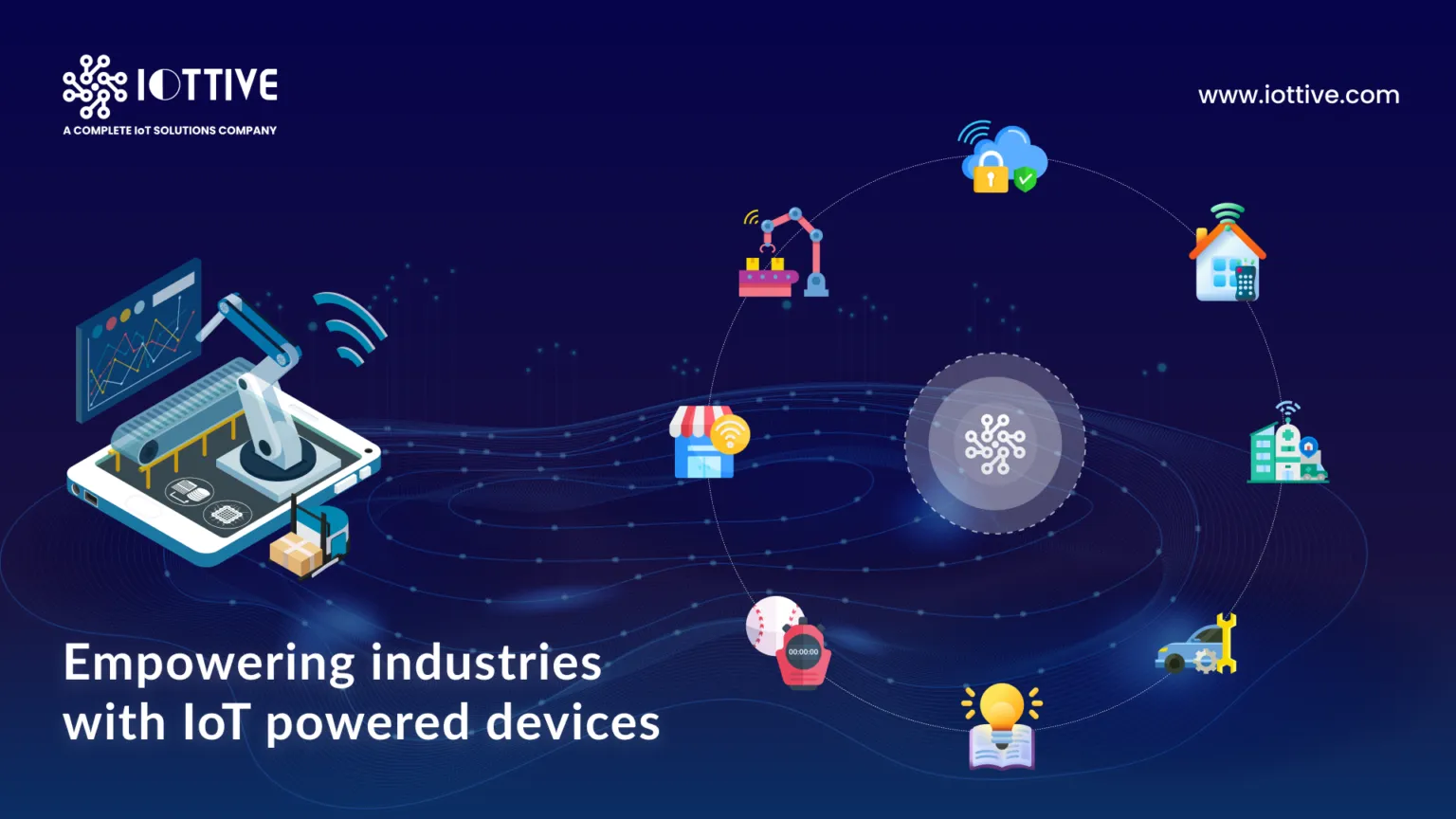
The Internet of Things(IoT) is spreading rapidly in various industries, driving automation, real-time data analysis, and improved decision-making. Businesses across multiple sectors are leveraging IoT solutions to enhance efficiency, safety, and customer satisfaction & experience.

At IOTTIVE Pvt. Ltd., we specialize in IoT innovations that empower industries to optimize operations, reduce costs, and stay ahead in the digital transformation era. As IoT adoption expands, its impact on key industries continues to grow, making the way for a smarter and more connected world.

IoT’s Impact Across Various Industries

IoT is already revolutionizing multiple industries, improving efficiency, reducing operational costs, and enhancing user experiences. From real-time health monitoring in healthcare to predictive maintenance in manufacturing, IoT is solving real-world problems and opening up new opportunities for businesses.

By connecting devices, collecting data, and leveraging cloud computing, IoT enables smarter decision-making, automation, and seamless control across various sectors. Below, we explore how IOTTIVE’s IoT solutions are making a significant impact across different industries.

1. Healthcare & Smart Medical Devices

The healthcare industry is rapidly evolving with IoT-powered smart medical devices, enabling real-time patient monitoring, remote diagnostics, and automated hospital management.

IOTTIVE’s smart healthcare solutions in the healthcare industry help companies develop wearable health trackers, connected medical equipment, and health analytics, ensuring better patient care and reduced medical errors.

Read our Case Studies:

2. Manufacturing (Industrial IoT – IIoT)

The manufacturing industry is experiencing a major shift with the integration of IoT. Real-time equipment monitoring, predictive maintenance, and smart factory automation have significantly improved productivity and reduced downtime.

IOTTIVE provides IoT-driven solutions that enhance production efficiency for companies in the manufacturing sector, helping them reduce operational costs and minimize human errors.

  Read our Case Studies:

3. Home Automation & Smart Buildings

Smart homes and commercial buildings use IoT for energy efficiency, security, and automation.

IOTTIVE’s smart home solutions enable companies to create intelligent living spaces with advanced smart lighting, efficient HVAC control, and connected security systems, enhancing convenience, energy efficiency, and safety.

   Read our Case Studies:

4. Smart Retail & Supply Chain Management

IoT is transforming the automotive industry with connected vehicles, fleet management, and predictive maintenance.

IOTTIVE provides IoT-powered innovations in the transportation sector, improving driver safety, optimizing fuel consumption, and enabling real-time navigation.
 Read our Case Studies:

5. Automotive & Transportation

IoT is transforming the automotive industry with connected vehicles, fleet management, and predictive maintenance.

IOTTIVE provides IoT-powered innovations in the transportation sector, improving driver safety, optimizing fuel consumption, and enabling real-time navigation.

  Read our Case Studies:

6. Asset Tracking

Asset tracking with IoT enables businesses to monitor valuable equipment, prevent theft, and optimize resource allocation.

IOTTIVE’s expertise in the Asset Tracking industry enables companies to enhance visibility and security over their assets, ensuring efficient operations and real-time tracking.

  Read our Case Studies:

7. Sports & Fitness

IoT-powered wearables and connected sports & fitness equipment provide real-time performance tracking, personalized workouts, and health monitoring.

IOTTIVE’s smart sports solutions empower athletes and coaches in the sports and fitness industry with data-driven training insights and advanced performance analysis.

  Read our Case Studies:

8. Security & Safety Devices

IoT has improved security and safety devices, enabling smart surveillance, intrusion detection, and real-time emergency response.

IOTTIVE’s solutions for smart security and safety devices help companies create security systems for the Security and Safety Devices industry. These systems offer instant alerts and automated threat detection. We focus on creating reliable applications that ensure continuous device connectivity while overcoming OS limitations.

  Read our Case Studies:

9. Education & Smart Learning

IoT is revolutionizing the education industry by introducing smart classrooms, remote learning tools, and real-time student monitoring systems.

IOTTIVE’s smart education solutions empower educational institutions with AI-driven learning platforms, interactive digital boards, and IoT-enabled attendance tracking, fostering a more immersive and personalized learning experience.

10. Agriculture & Precision Farming

IoT in agriculture is driving precision farming, optimizing resource usage, and improving crop yields through automated irrigation and soil monitoring systems.

IOTTIVE empowers farmers & agriculture industry with IoT solutions, allowing them to leverage data-driven insights for improved efficiency and sustainable agricultural practices.

Conclusion

The impact of IoT on industries is undeniable, transforming business operations, improving decision-making, and enhancing user experiences. From smart healthcare devices to industrial automation, connected retail to smart education, IOTTIVE is leading the way in delivering advanced IoT solutions to a wide range of industries.

🚀 Are you looking to integrate IoT into your industry? Partner with IOTTIVE for innovative IoT solutions that drive efficiency, security, and growth. Let’s build a smarter future together!


Contact us today!

Read our Case Studies:
Contact us today!

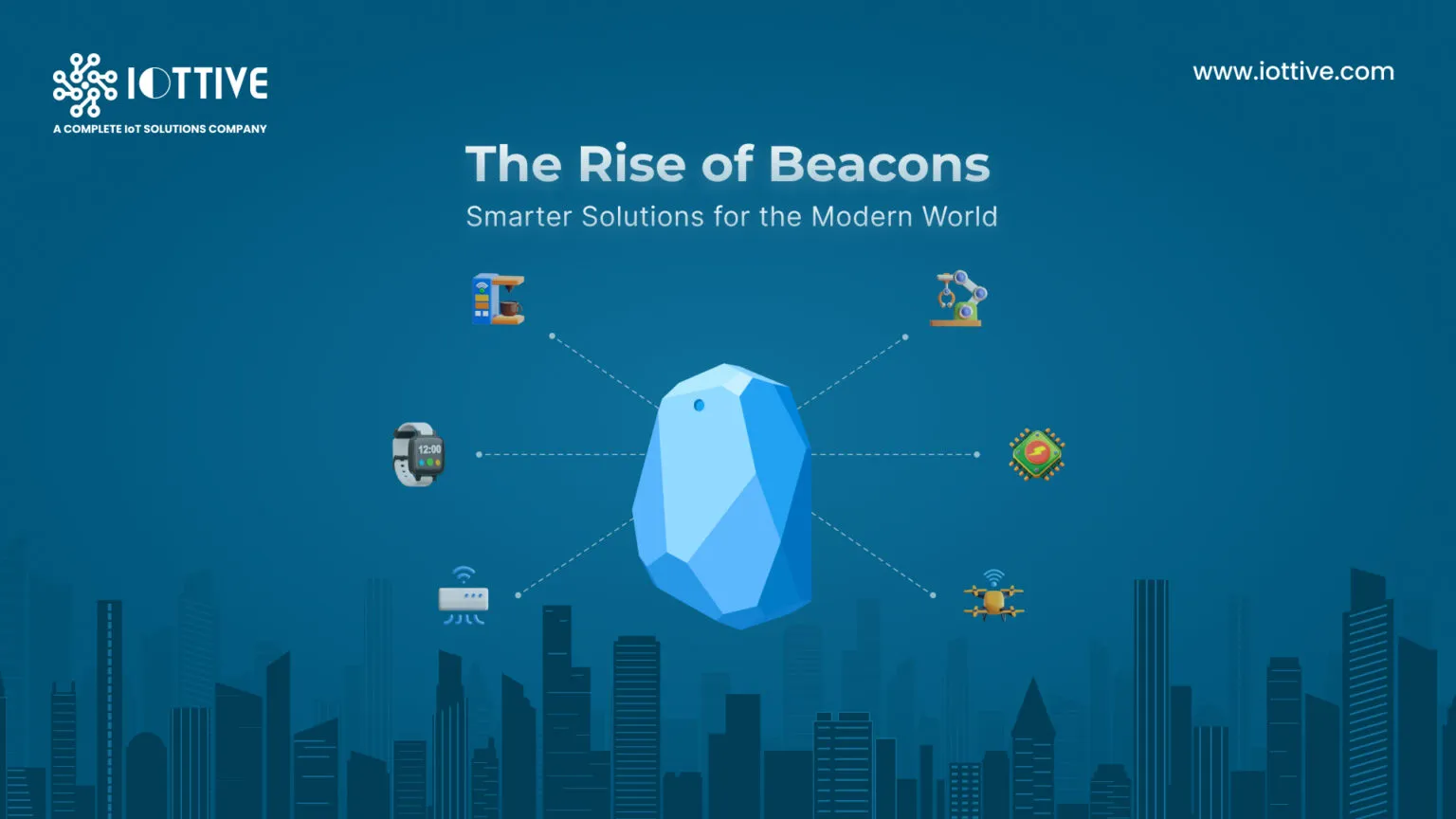
The Rise of Beacons: Driving Smarter Solutions for the Modern World

Introduction

In the ever-evolving and competitive world of technology, beacons are among humankind’s most useful innovations. Beacons are small, low-power devices that send a unique signal to nearby smartphones or tablets. They don’t collect data or track users but provide information to apps, which can trigger actions based on how close the user is. Having worked in this industry for more than eight years, we’ve identified and addressed some of the major challenges faced by different sectors before using beacon technology.

Challenges Faced by Different Industries Before Using Beacon Technology

Beacon technology has addressed several challenges that industries previously struggled with. Here are some of the major issues faced by different sectors:

⦁ Product Finding (Retail Industry):

Difficulty in helping customers locate products quickly in-store, leading to inefficiencies and a poor shopping experience

⦁ Location-Based Alerts (Retail and Hospitality):

Challenges in delivering timely and relevant alerts without overwhelming or annoying users.

⦁ Indoor Navigation (Public Infrastructure and Healthcare):

GPS was unreliable indoors, making it difficult to navigate large and complex spaces like hospitals, airports, and malls.

⦁ Agriculture (Agriculture Industry):

Inability to effectively monitor crops, environmental conditions, and farming equipment, resulting in inefficient farming practices.

⦁ Safety (Construction and Manufacturing):

Delays in locating workers during emergencies and difficulties in monitoring safety protocols in hazardous environments.

⦁ Supply Chain Management (Logistics and Manufacturing):

Lack of real-time tracking and visibility across supply chains, leading to inefficiencies and delays in operations.

⦁ Customer Engagement (Retail and Marketing):

Difficulty in personalizing interactions and communicating with customers at the right time, impacting engagement and loyalty.

⦁ Smart Building Management (Real Estate and Facility Management):

Inefficiencies in optimizing energy usage and manually maintaining building facilities.

⦁ Tourism and Visitor Management (Tourism and Hospitality):

Issues with managing large crowds and providing personalized experiences for visitors at popular destinations.

⦁ Event Management (Entertainment and Events):

Challenges in managing crowd flow and keeping attendees informed during large-scale events.

⦁ Healthcare Monitoring (Healthcare):

Difficulties in tracking patients, managing medical equipment, and monitoring real-time health metrics efficiently.

⦁ Asset and Fleet Management (Transport and Logistics):

Problems with tracking assets, optimizing fleet routes, and performing predictive maintenance, lead to operational inefficiencies.

Innovative Solutions Delivered with Beacon Technology by IOTTIVE

Our extensive work with Beacon Technology has enabled us to deliver tailored solutions that address diverse client needs across various industries. Below is a detailed overview of the cutting-edge solutions we’ve provided and the industries they are suited for:

1. Safety Devices

Ensuring safety is paramount, and we’ve developed an application designed to integrate seamlessly with safety devices. One of the standout features of this app is its ability to maintain connectivity with the device even if the app is force-closed. The safety device includes a physical button that, when pressed during an emergency, triggers an alert or notification which can be a location or emergency signal on a designated recipient’s phone.

Industries

⦁ Personal Safety (Consumer-focused devices)

⦁ Healthcare (Patient or elderly care monitoring)

⦁ Corporate Workplaces (Workplace safety for hazardous environments)

⦁ Education (Campus safety for students and staff)

2. Location-Based Alerts

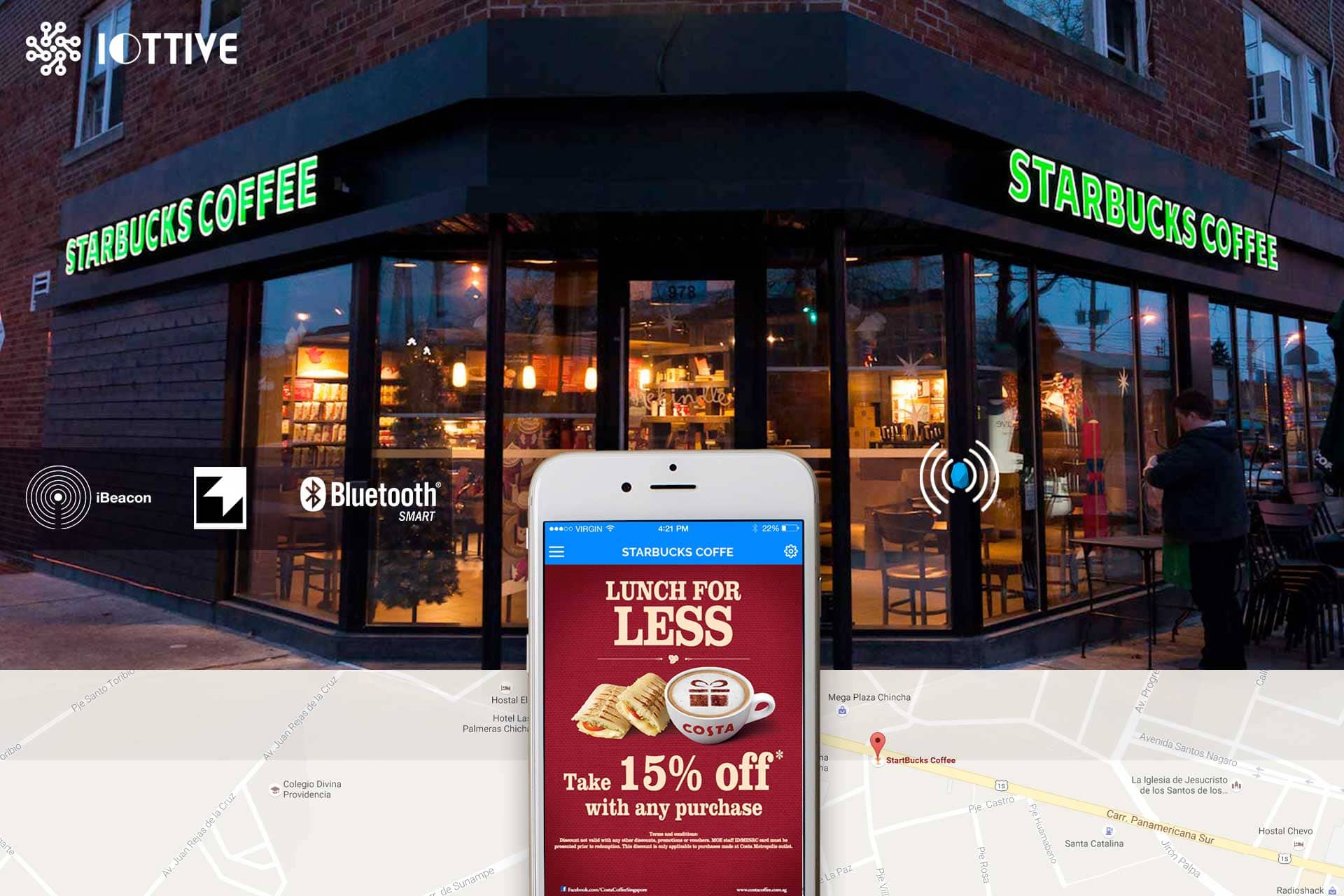
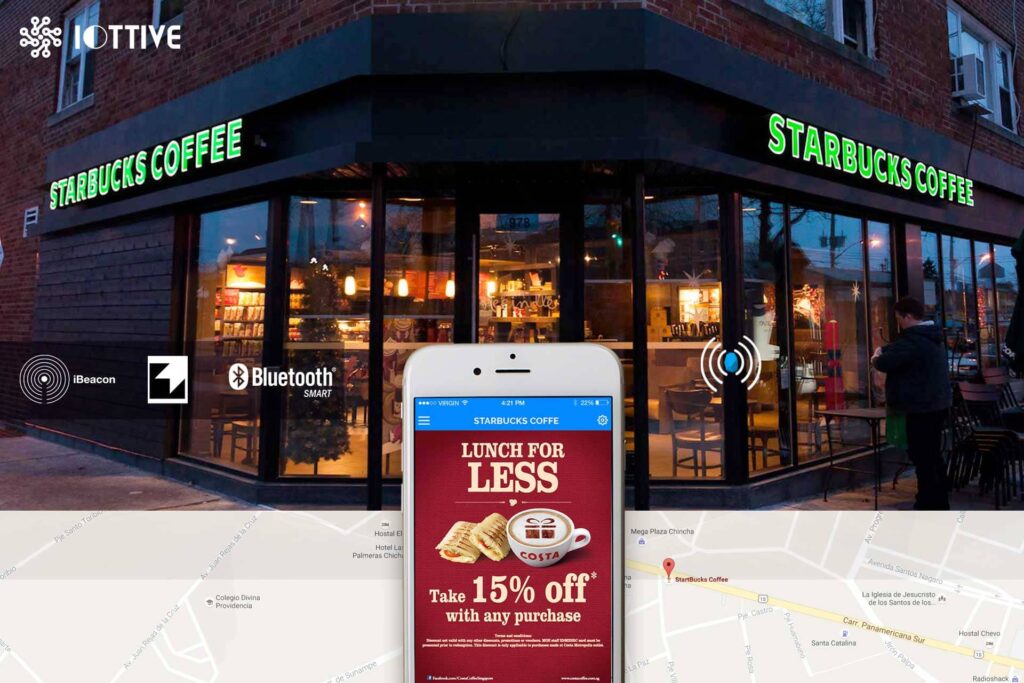
We successfully implemented a project that uses beacon proximity to provide real-time notifications. This application triggers a notification when someone comes within a defined range of a beacon, making it ideal for use cases like personalized retail marketing, museum tours, or workplace safety.

Industries

⦁ Retail (In-store promotions and customer engagement)

⦁ Hospitality (Hotel check-ins and personalized guest services)

⦁ Events & Exhibitions (Interactive displays or visitor engagement)

⦁ Museums (Location-based guided tours)

⦁ Industrial Workplaces (Proximity-based alerts for safety)

3. Indoor Navigation

Navigating large indoor spaces, such as shopping malls, airports, or hospitals, can be challenging, as GPS technology doesn’t work well indoors. To address this, we developed an application that leverages beacon technology to provide accurate indoor navigation. Users can follow step-by-step directions to their desired location, enhancing their experience and reducing confusion in complex environments.

Industries

⦁ Retail (Shopping malls and large retail chains)

⦁ Healthcare (Hospitals and clinics)

⦁ Transportation (Airports, railway stations, and bus terminals)

⦁ Education (University campuses)

⦁ Corporate Offices (Large office complexes or coworking spaces)

4. Agricultural Solutions

In the agriculture industry, challenges like pipeline management, equipment maintenance, and tracking can lead to inefficiencies. We addressed these issues by designing an application that helps farmers and operators locate pipelines and equipment accurately. This solution significantly reduces time spent on maintenance and ensures resources are effectively managed, ultimately boosting productivity in agricultural operations.

Industries

⦁ Agriculture (Farms, irrigation systems, and equipment tracking

⦁ Forestry (Monitoring tools and maintenance routes)

⦁ Water Management (Pipeline tracking and management)

5. Product Finding and Asset Tracking

Tracking critical assets and locating essential products are common challenges in industries like healthcare, retail, and agriculture. Using beacon technology, we developed applications that simplify these processes. For example:

Industries

⦁ Healthcare (Tracking medical equipment and patient management)

⦁ Retail (Inventory tracking and customer guidance)

⦁ Agriculture (Equipment and resource monitoring)

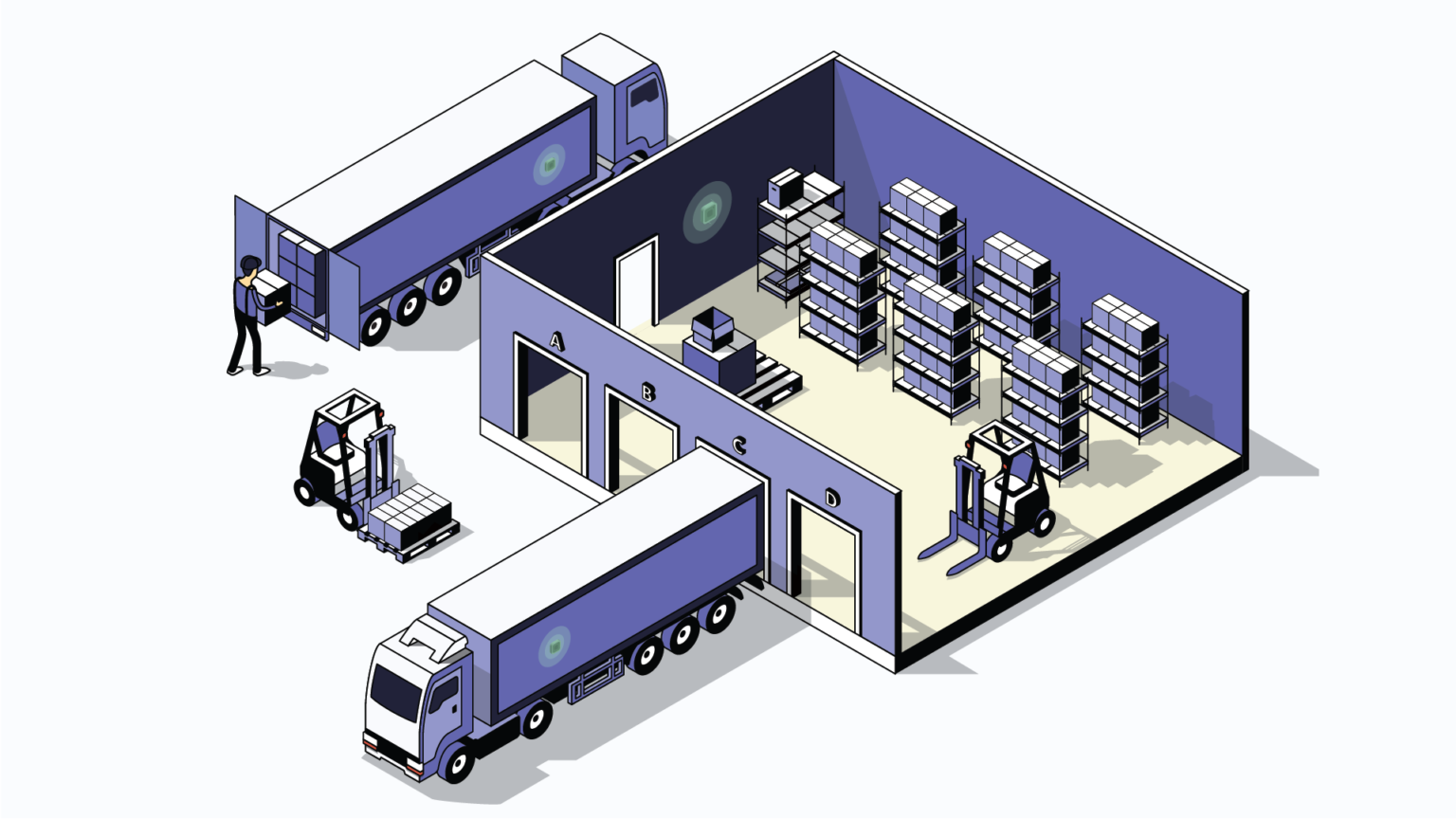
⦁ Warehousing & Logistics (Asset management and shipment tracking)

⦁ Manufacturing (Tool tracking and operational visibility)

Conclusion

Beacon technology has developed into an innovative solution across various industries, effectively addressing significant challenges such as real-time tracking, personalized customer engagement, and indoor navigation. By improving safety in hazardous environments and enhancing efficiency in agriculture and supply chain management, beacons are facilitating more intelligent and interconnected solutions for contemporary society.

As technology continues to advance, the potential applications of beacons will expand, enabling businesses to deliver innovative, customized experiences and streamline operations like never before. The journey of leveraging beacon technology is just beginning, promising a future of smarter, more efficient systems across every sector.

At IOTTIVE, we specialize in developing productivity-enhancing solutions powered by beacons. Let’s connect to explore the possibilities!


Contact us today!

Future of iBeacons in 2021 and beyond


What, Exactly, Is a Beacon?

Apple iBeacons were the first to hit the market in 2014, closely followed by Google’s Eddystone beacons in 2015, and is now expected to surpass $25 billion by 2024. Beacons are small, wireless transmitters that use low-energy Bluetooth technology to send signals to other smart devices nearby. Simply put, devices utilizing this technology are able to connect and transmit location-based information quickly and accurately.

Unlike GPS-based systems that work only outdoors with a clear view of the sky, beacons work indoors or outdoors. Hazardous areas such as confined spaces, by their very nature, preclude access to a clear open sky, making GPS-based systems ineffective.

Five latest beacon technology updates to watch out for in 2021

1. Beacons for contact tracing to track and curb the spread of COVID-19

Google and Apple, two technology giants, announced a COVID-19 contact tracing framework that uses Bluetooth to help governments and health officials reduce the virus’s spread.

The contact tracing application is rather an Exposure Notification programming interface (API) that apps can interact with. Google and Apple harness the power of Bluetooth to aid in exposure notifications of the virus.

How does it work?

A smartphone running an app that uses the Exposure Notification API will periodically use Bluetooth to ping other phones with a random beacon. The beacon changes regularly to enhance security while the phone stores the list of beacons that it connects with nearby.

When each phone receives another beacon, it will record and securely store that beacon on the device.

The system downloads a list of keys for the beacon verified by people who tested positive for COVID-19 at least once a day. Each device will then check against the list of beacons already recorded from its server. If there is a match between the beacons stored and the positive diagnosis list, the user will be notified and advised on the beacons’ list next steps.

Beacons, with the help of Bluetooth technology, can be used extensively by governments and health officials to track users to curb the spread of the virus. The system does not extensively rely on smartphones, but with the beacon system that helps review an individual’s location history and if they have come in contact with an infected person.

Contact tracing with the aid of beacons works only with a corresponding app to track and curb the spread of the virus.

2. Wearable bracelets to track social distancing at workplaces


As several businesses plan to resume on-site operations, many plans to equip their employees with new, anti-pandemic gear – wearable tech that could prevent the virus.

Several companies are rolling out wearable bracelets that help with social distancing and tracking the virus with the help of BLE beacon.

The idea behind beacon-based wearable technology is to help employers maintain a pulse on any possible transmission among their workforces and provide them with the ability to curtail any spread before it becomes an outsized risk.

How does it work?

The bracelets’ hardware includes passive GPS location tracking and proximity sensors powered by Bluetooth and ultra-wide-band radio connectivity, a rechargeable battery, and built-in LTE.

When a user updates their status to indicate possible infection, the bracelet notifies others they have been in contact with based on proximity and location-data history. This information is also stored in a health dashboard that provides detailed logs of possible contacts for centralized management.

Facedrive Health rolled out BLE Connect App on Google Play Store and Apple Store to pair with their existing TraceSCAN wearable technology to contain the virus’s spread.

The data is stored locally on the TraceSCAN device and is only uploaded via the app if the user tests positive for COVID-19. It then enables administrators to notify recent close contacts of the users and to take necessary action to contain the spread of the virus.

“We believe that the BLE Connect will be a great addition to TraceSCAN’s COVID-19 Contact Tracing Solutions, allowing business owners and their employees to take every precaution necessary to protect them and their loved ones while returning to the workplace,” said Facedrive Chairman and CEO Sayan Navaratnam.

3. Easy tracking of items

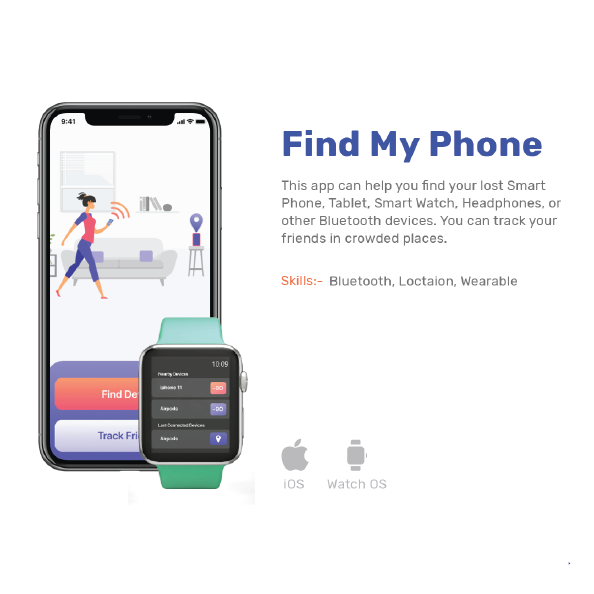
It is not too uncommon to lose things like keys, socks, or even identify parked cars in a parking lot.

Beacons can help users identify any lost item as long as the device, and the missing item is well within the beacon range. When a beacon is attached to any object, smartphones having BLE capability within the proximity range sense the lost item when the app is running in the background.

An Israeli start-up, Wiliot, has developed a Bluetooth aided beacon app to help retrieve lost socks in the washer. Its main product is a postage-stamp-sized Bluetooth beacon that can be attached anywhere – on clothing, medicine bottles, appliances, and even on wallpapers.

The beacon transmits the item’s location, and when coupled with sensor pads, identifies its temperature and weight to alert the user of the lost item.

4. Remote ordering at restaurants

According to GlobalData’s COVID-19 tracker consumer survey in the UK, 83% of consumers admitted that services that made them feel trustworthy influenced their purchase decisions.

As restaurants and pubs begin to gear up the safe reopening, technologies such as QR Codes and beacons are being implemented for secure ordering to curb the virus’s spread.

OrderPay, a mobile ordering app, partnered with several popular chains in the UK to help them meet their social distancing requirements.

The order and payment platform uses ‘tap and go’ technology so customers can serve themselves to reduce contact with staff and avoid long queue lines. At the same time, it utilizes beacon technology that helps servers identify the guests in their restaurant to facilitate easy table service.

Beacons can help restaurants and diners establish a safe and hygienic environment for their diners by identifying their customers without going through the entire space and equipping a no-contact ordering system with the help of QR Codes.

5. Enhanced asset and inventory management

Apptricity, a company that provides asset and inventory tracking management, has developed a Bluetooth beacon that can transmit signals over 32 kilometers (20 miles).

Asset and inventory management typically uses labor-intensive technology such as barcodes or passive RFID scanning, which are limited both by distance and the fact that a person scans the code directly, resulting in human error.

Bluetooth beacons can pinpoint an item’s location and send updates about a piece of equipment that needs maintenance and even a routine check-up.

The latest Bluetooth beacons are precise and help companies track their asset and inventory without any hiccups.

iBeacon: Future of mobile engagement

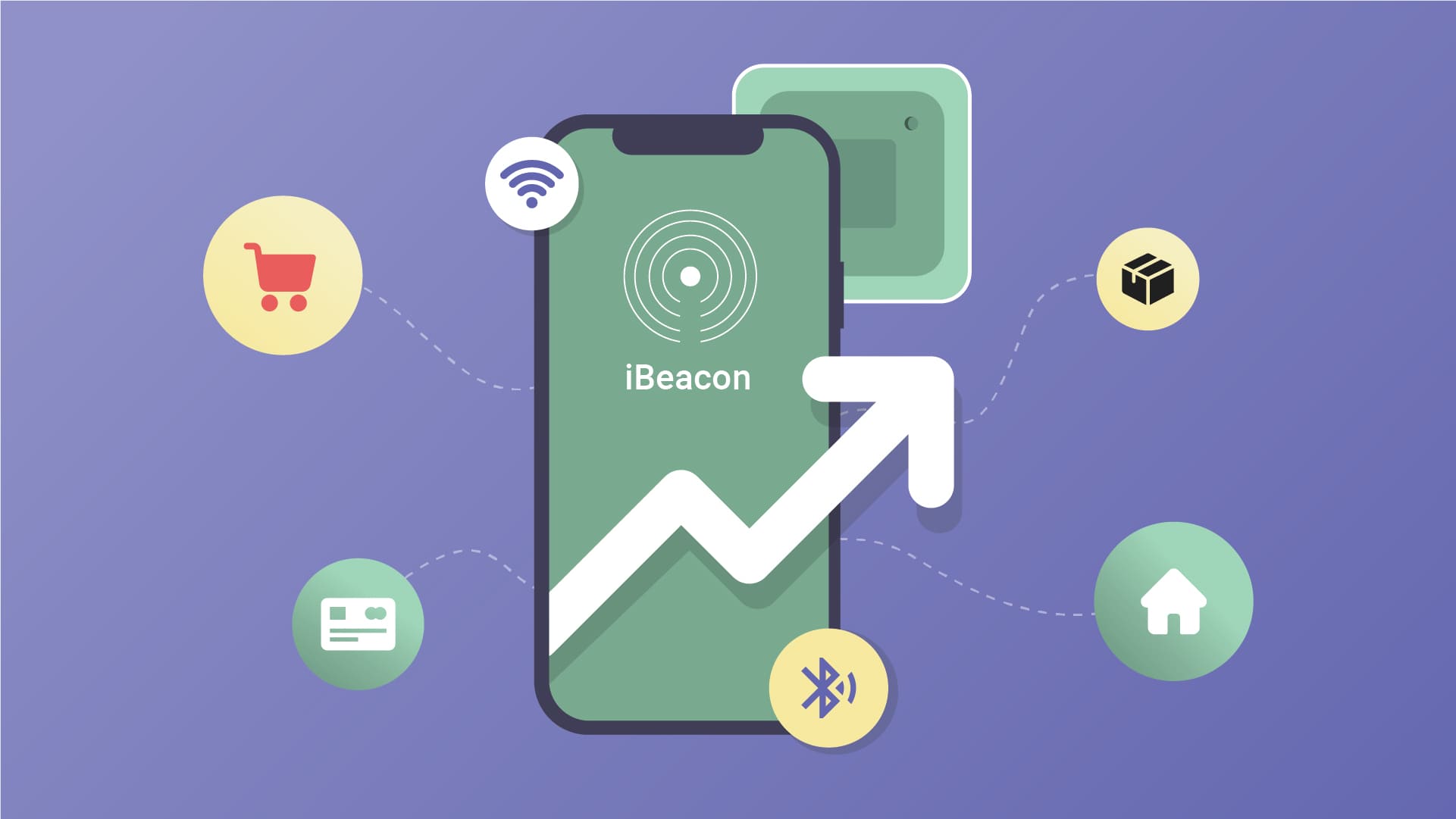
ibeacon

Before Apple’s iBeacon entered the digital tech scene, geolocation was not quite so sophisticated.

There have been many attempts by brands, some more successful than others, to leverage location-based technologies to drive foot-traffic, influence purchases and promote awareness. Mobile apps like Foursquare, Google Latitude, or Gowalla came on the scene, merging the “offline” and online worlds via “check-ins.”

Today, geo-location-based advertising is a default whether it’s a deal for a local restaurant in your Facebook feed, or a Groupon Now coupon pushed to your phone based on current real-time location the majority of geolocation activity has been used for discounting. While it’s a quick win, discounting does not necessarily reinforce long-term business value. Rather, we expect the best implementations of new geo-tech to actually enhance the entire purchase experience streamlining from product discovery through checkout process and support.

What makes iBeacon more effective? Micro-location functionality, via mobile Bluetooth LE-based technology, enables more relevant and contextual mobile targeting. Micro-location technology can monitor activity within very specific locations or zones, like a grocery aisle.

Another big difference: iBeacon surrenders control to consumers, who must opt-in and download the businesses’ app before receiving messages, eliminating the intrusive aspect of location based marketing.

The technology enables brands to engage in-store shoppers like never before, with real-time, relevant messaging.