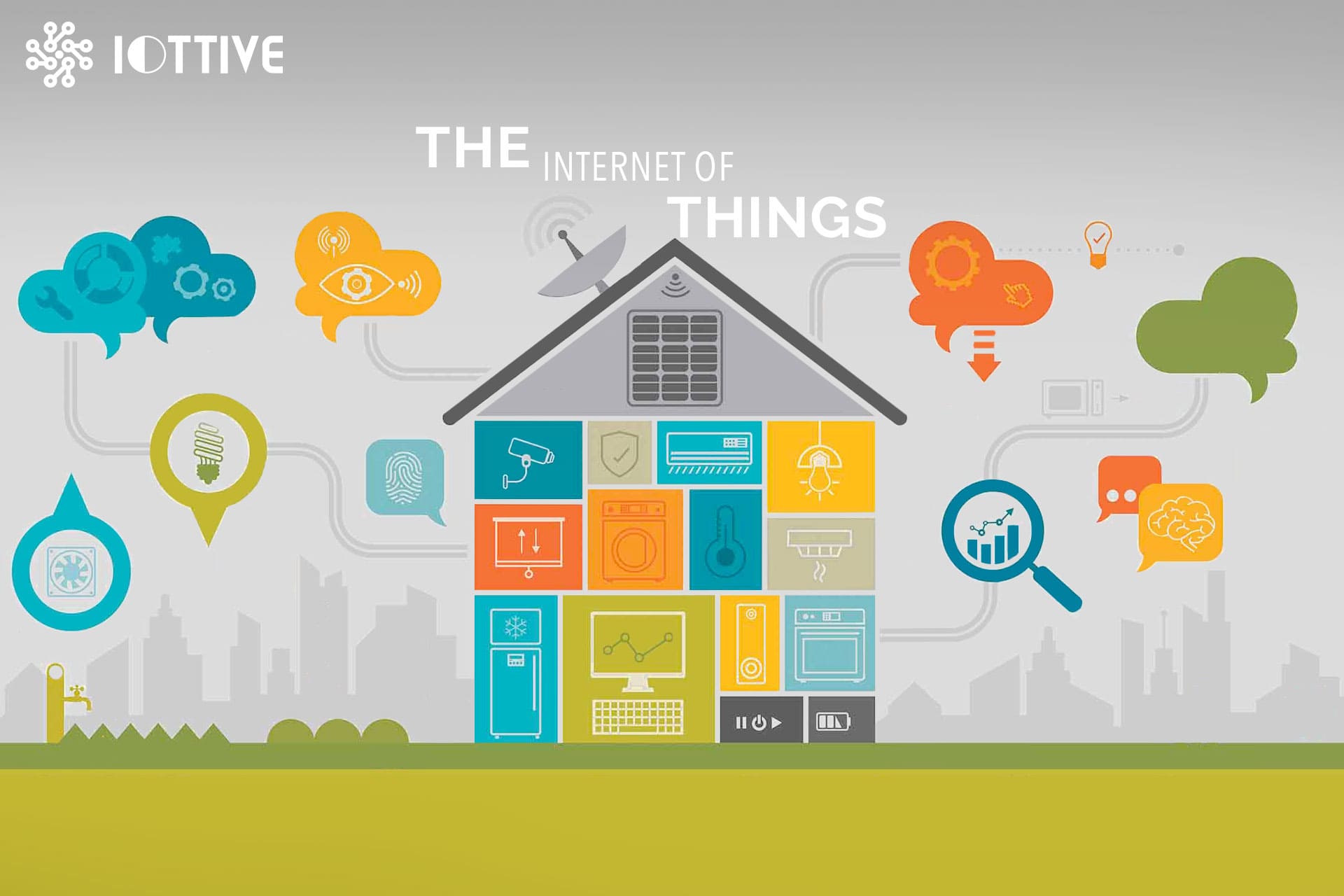
“The thing that keeps me awake at night—and should keep a lot of CEOs awake at night—is the disruptive impact of the Internet of things and connected devices.
“We’ve all experienced firsthand the dramatic impact of the smartphone. We live in a world where there are more than two billion connected devices, and a substantial majority of phones are smart ones. CEOs ought to be thinking, ‘How could all this connectivity disrupt my business operations?’
“Take parking as an example. Today if you want to park electronically, you drive up to a space and initiate a parking transaction with an app. It requires some effort, but is certainly better than swiping a card or feeding coins to a meter. In the future with connected cars, you will pull into a parking space and the car is going to know that it parked, it’s going to have the payment credential, it’s going to start the parking transaction automatically. And when you leave, the car will stop the parking session and initiate a payment for the parking—seamlessly.
“I’m going to have to adapt to this future state, or the mobile app we rely on is going to be like a manual typewriter. It’s going to be completely obsolete.
“We also need to consider new technology applications that are not involved in parking today, but are potentially relevant and massively disruptive to our industry. For example, four billion light poles around the world are being replaced with LED lights. As new lighting is installed, so are a variety of connected sensors that can provide valuable data to cities.
“That’s really great for the cities, but it could really be disruptive to my industry. Where Park mobile provides a single service to cities today, a lighting provider could come in and provide real-time access to where parking is available, give them tools to guide consumers to those parking spaces—and by the way, let them pay for that parking too.” Source: http://www.wsj.com/articles/the-internet-of-things-will-change-everything-1424664603