Smart Retail checkout automation to reduce long billing queues at peak hours

Long lines at the cash register are a major headache for shoppers. They hurt the customer experience and limit how much a store can sell. This is especially true during busy times like holidays or weekends.
Smart Retail, Retail Automation, Smart Billing Process, AI in Retail, Smart IoT

For store owners, these delays are more than just an annoyance. They represent lost sales and frustrated shoppers who might not return. Retailers need a better way to handle high traffic without adding more staff or checkout lanes.

Modern technology offers a powerful solution. Automated checkout systems can speed up transactions dramatically. This allows a business to serve more people in less time, turning a bottleneck into an opportunity.

The move toward automation is changing the fundamental shopping journey. It creates a smoother, faster, and more pleasant experience for everyone. This guide explores how this innovation works and why it’s essential for modern commerce.

Key Takeaways

  • Long checkout lines drive customers away and cap sales, especially during peak hours.
  • Automated systems are a direct answer to improving store throughput and efficiency.
  • This technology addresses core operational challenges for retailers.
  • Shoppers today expect speed and convenience at every point of sale.
  • Implementing these solutions can lead to higher customer satisfaction and loyalty.
  • Stores can handle significantly higher transaction volumes without physical expansion.
  • The right tools transform the payment process from a wait into a seamless moment.

Introduction to Smart Retail Checkout Automation

A seamless fusion of in-store experiences and digital capabilities defines today’s retail landscape. This blend, often called smart retail, uses technology to support every shopper interaction.

It specifically tackles the frustrating bottleneck at the register during busy periods. Long waits drain staff resources and often lead to abandoned carts.
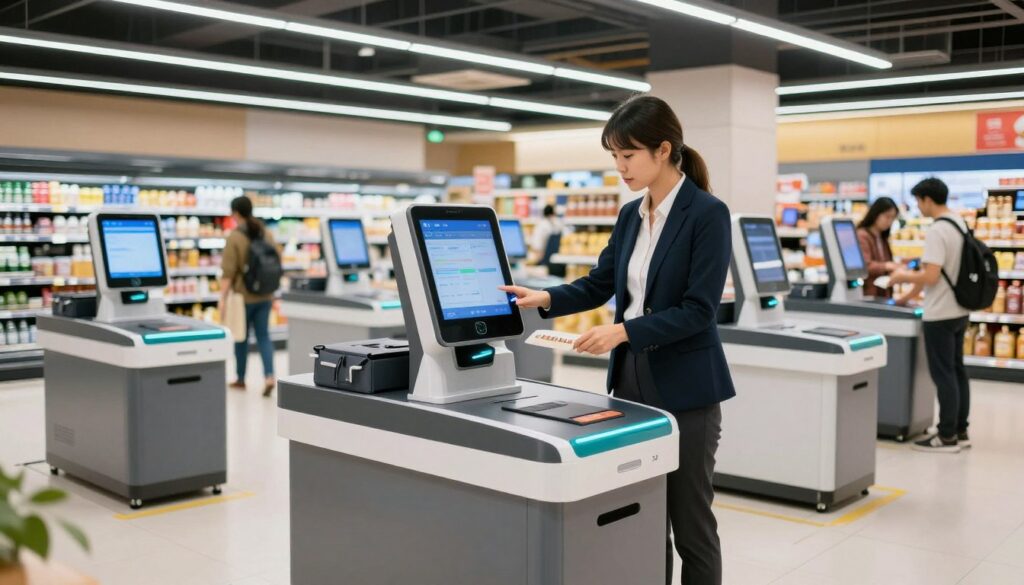
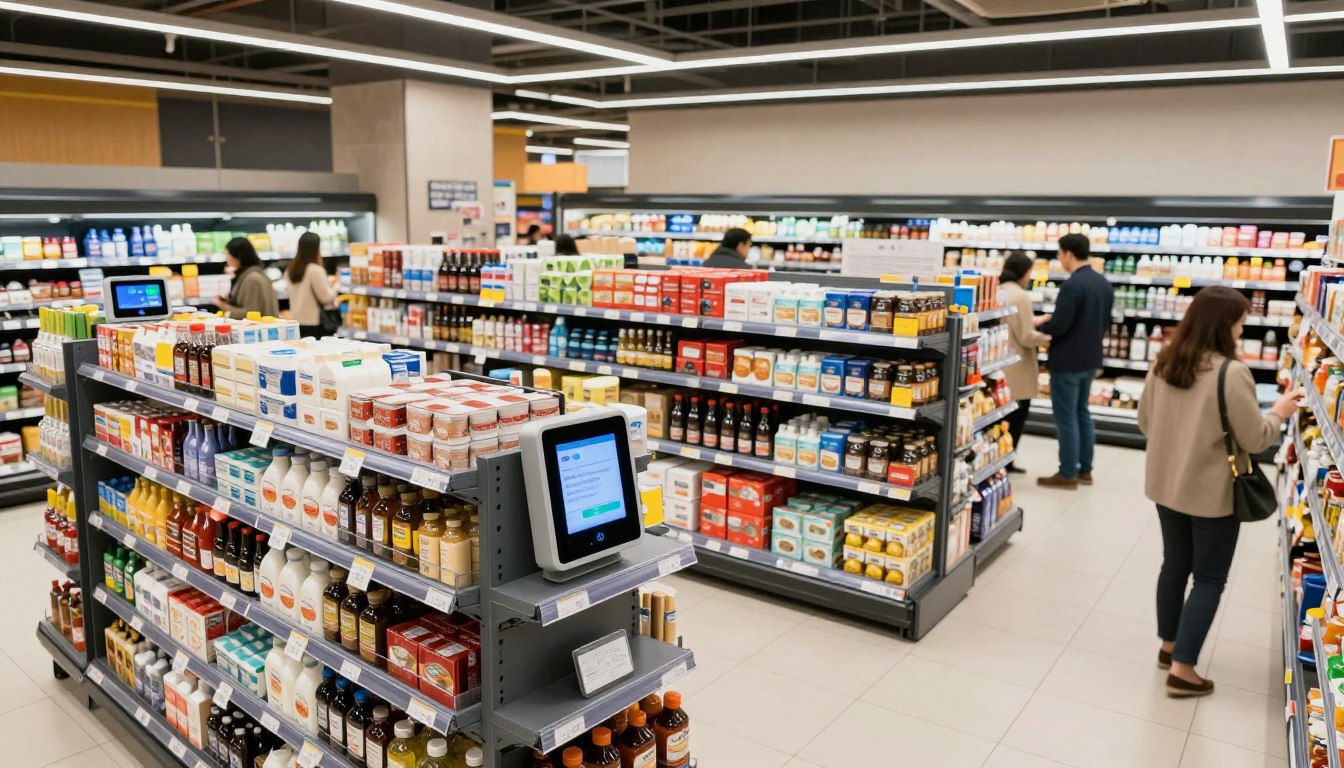
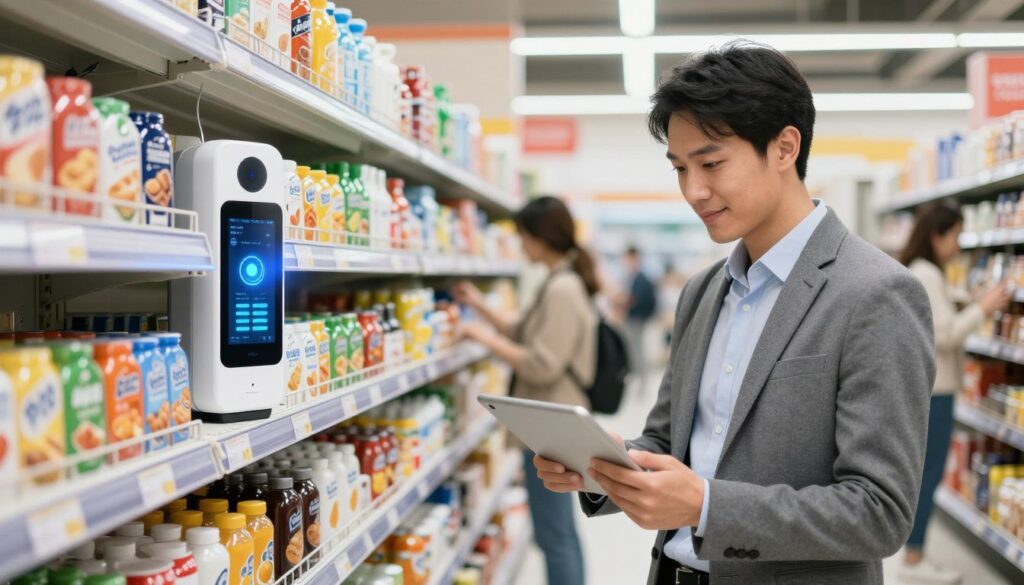
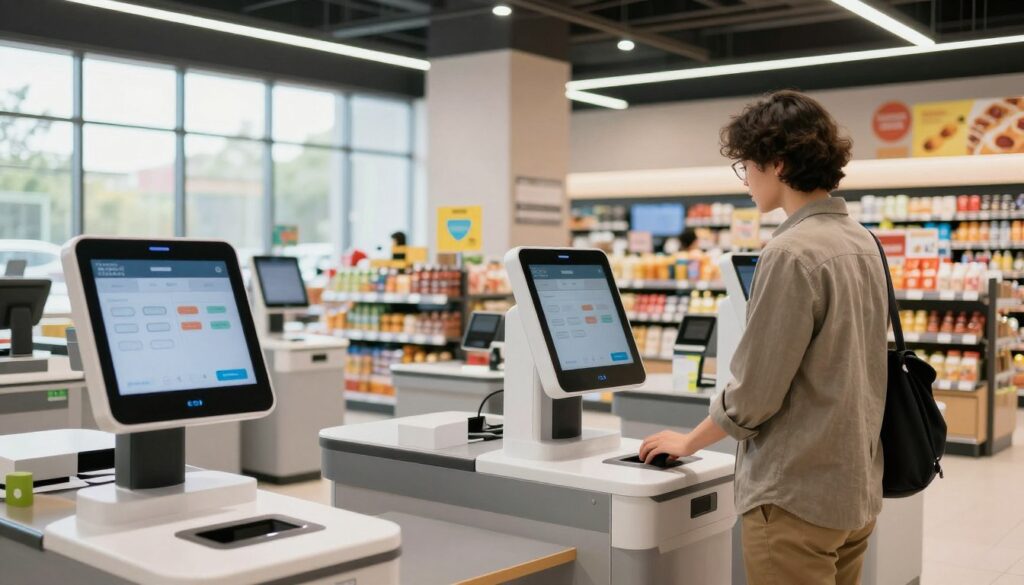
A modern supermarket interior featuring a sleek self-checkout kiosk in the foreground. A customer, dressed in professional business attire, stands confidently at the kiosk, engaged in scanning items with a focused expression. The middle ground showcases several additional kiosks, each equipped with touch screens and integrated bagging areas, highlighting the automated checkout process. In the background, bright LED lighting illuminates the store, creating a welcoming atmosphere filled with shoppers interacting with automated systems. The angle captures the scene from a slightly elevated perspective, emphasizing the efficiency of the checkout automation and allowing viewers to feel immersed in this innovative retail environment. The overall mood is vibrant and tech-forward, symbolizing progress in retail technology.

Automated solutions range from self-service kiosks to cashier-less formats. These tools track purchases using sensors and computer vision.

The value extends beyond convenience. It optimizes labor, improves accuracy, and gathers vital purchase data.

Modern systems connect with existing store infrastructure. This creates a unified ecosystem for management and sales.

Aspect Traditional Checkout Automated Checkout
Staffing Requirement High (1+ cashiers per lane) Low (monitoring only)
Transaction Speed Slower, manual scanning Faster, seamless processing
Customer Experience Often frustrating queues Streamlined, self-directed
Integration Capability Limited, often standalone High, connects to inventory & CRM
Cost Efficiency Higher ongoing labor costs Lower operational overhead

Early adopters see much higher transaction throughput. This technology is now accessible for mid-size establishments seeking a competitive edge.

The Evolution of Retail Automation & AI Integration

Retail operations have transformed dramatically since the first barcode was scanned decades ago. What began in the 1970s as simple price tracking has evolved into sophisticated, AI-powered Retail Automation. Today’s merchants face immense pressure from ecommerce, rising costs, and wage demands. This makes advanced systems essential for survival.

The current frontier is AI in Retail. Machine intelligence analyzes vast amounts of customer data. It predicts demand, optimizes pricing, and personalizes shopping at scale. This artificial intelligence creates competitive advantages traditional stores cannot match.
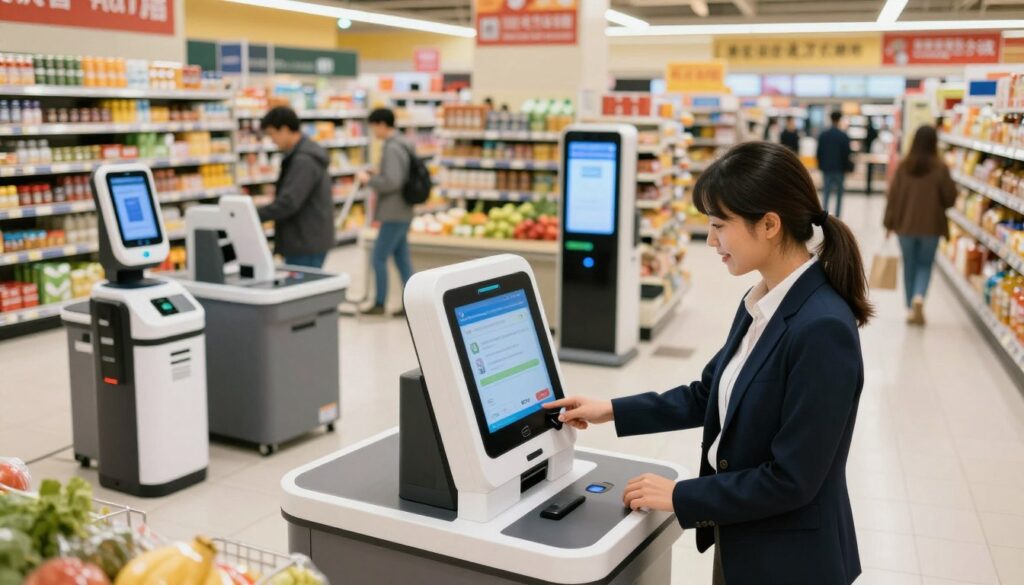
A vibrant and realistic supermarket scene showcasing the evolution of retail automation. In the foreground, a satisfied customer, dressed in professional business attire, interacts with a sleek modern self-checkout kiosk, scanning groceries with ease. The middle ground features a variety of automated checkout solutions, including mobile payments and robotic assistants guiding shoppers. In the background, traditional checkout lanes are visible, highlighting a contrast between past and present technologies. Soft, warm lighting creates an inviting atmosphere, while a wide-angle lens captures the bustling aisles filled with shoppers. The overall mood conveys innovation and convenience, emphasizing the progressive integration of AI in retail automation to streamline the shopping experience and reduce long billing queues.

Market projections confirm this shift is accelerating. The global AI in retail market is expected to reach $15.3 billion by 2025. Overall retail automation is set to hit $33 billion by 2030. According to McKinsey, generative AI could unlock $240 to $390 billion in value for the sector.

This evolutionary trajectory shows no signs of slowing. Emerging technology like advanced computer vision continues to expand possibilities. For modern retailers, integrating these intelligent systems is no longer just an option. It is the key to future growth and efficiency.

Benefits of Smart Billing Process and AI in Retail

Implementing intelligent checkout systems delivers concrete advantages for both store operations and the people shopping there. These benefits directly tackle the core challenges of modern commerce.

Enhanced Operational Efficiency

The Smart Billing Process fundamentally transforms store economics. It cuts the labor intensity of checkout while boosting transaction speed and accuracy.

This efficiency allows businesses to reallocate staff from repetitive tasks. They can focus on higher-value work like personalized service and inventory management.

A modern supermarket scene showcasing the efficiency of automated checkout processes. In the foreground, a diverse group of satisfied customers is using sleek self-checkout kiosks, dressed in professional business attire and modest casual clothing. One customer is happily scanning groceries, while another is confirming their payment. The middle layer features colorful product displays and neatly organized checkout area designed for smooth flow, highlighting the convenience of smart billing systems. In the background, bright lighting illuminates the store's interior, enhancing the vibrant atmosphere. The scene captures a sense of speed and satisfaction as queues are minimized, symbolizing the benefits of AI in retail. The overall mood is optimistic and efficient, reflecting a harmonious blend of technology and retail shopping.

According to a Capgemini survey, retailers using this technology noted an 11% rise in customer visits. Superior operations attract more foot traffic and improve the overall shopping experience.

Reduced Customer Wait Times

This addresses the primary friction point in any store. Long lines directly cause lost sales, as many shoppers simply leave without buying anything.

Automated systems process transactions in a fraction of the time. Some formats even eliminate the wait entirely by charging shoppers as they exit.

Data shows broad acceptance of this convenience. Over 74% of people prefer automated interactions for common queries. This comfort extends directly to a faster, frictionless checkout time.

Smart Retail, Retail Automation, Smart Billing Process, AI in Retail, Smart IoT

The physical store is undergoing a digital metamorphosis, powered by interconnected devices and real-time data streams. This network of sensors and smart equipment forms the foundation of a responsive commercial environment.

Market projections highlight this massive shift. The IoT-enabled retail sector is predicted to be valued at $94 billion by 2025. This growth reflects the unlimited possibilities these breakthroughs provide.
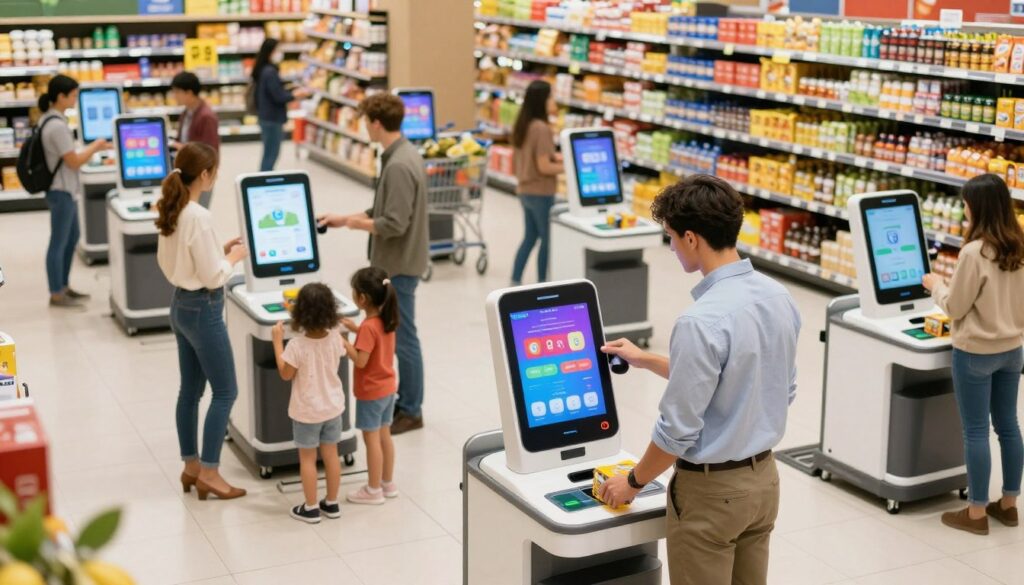
A modern supermarket filled with customers engaging with advanced self-checkout kiosks. In the foreground, a young professional man in smart casual attire is scanning items at a sleek, high-tech kiosk, which displays vibrant graphics and an intuitive interface. The middle ground features a diverse group of shoppers, including a woman in business attire supervising her children as they interact with digital displays. The background showcases an array of automated robotic carts moving through the aisles, delivering products efficiently. The lighting is bright and inviting, with warm tones accentuating the clean, modern design of the retail space. The atmosphere conveys innovation and convenience, emphasizing a smooth and automated smart billing process that enhances the shopping experience at peak hours.

These connected technologies create a synergistic stack. Shelf monitors track inventory, while beacons enable personalized marketing. The entire ecosystem gathers continuous data on operations and shopper behavior.

For retailers, this delivers unprecedented visibility. It enables data-driven decisions across all business functions. The integration with artificial intelligence creates self-improving systems that adapt automatically.

Comprehensive solutions offer a clear competitive edge. They boost productivity, enhance the customer experience, and establish new, insight-based business models. This connected intelligence is now essential for modern commerce.

Cutting-Edge AI and IoT Technologies in Smart Retail

Modern commerce now hinges on the seamless integration of predictive software and sensor networks. This fusion, known as AIoT, combines real-time data collection with analytical intelligence.
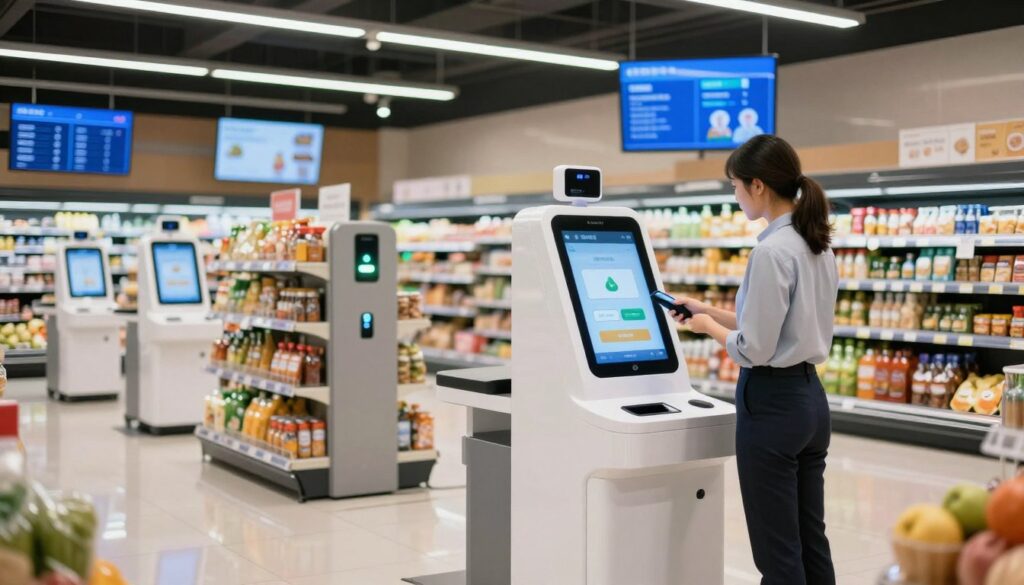
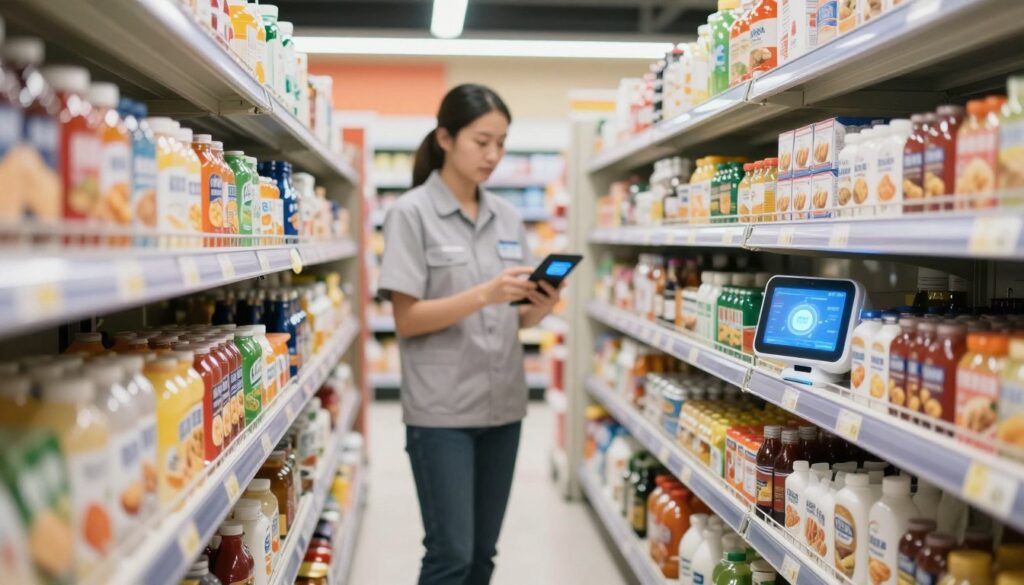
A modern supermarket self-checkout area showcasing cutting-edge AI and IoT technologies. In the foreground, a customer in professional attire stands at a sleek, futuristic self-checkout kiosk, scanning groceries with a smart handheld device. The kiosk features an intuitive touchscreen interface displaying seamless payment options. In the middle ground, rows of smart shelves are equipped with sensors, lighting up to indicate product availability. The background includes digital display panels showing real-time inventory data and customer assistance options. The scene is well-lit with ambient overhead lighting, creating a welcoming atmosphere. Soft reflections on the polished floor enhance the high-tech feel, while the overall mood is efficient and innovative, capturing the essence of smart retail checkout automation.

Smart shelf sensors monitor stock levels instantly. They connect to enterprise software to automate reordering. This prevents empty shelves and optimizes supply chains.

Cameras and beacons track shopper dwell time. This behavioral data identifies genuine product interest. Stores can then trigger personalized offers at the perfect moment.

Edge computing processes information locally on kiosks and carts. It enables ultra-fast, personalized promotions without latency. Computer vision systems analyze customer movements for deeper insights.

Store Function Traditional Approach AIoT-Enabled Solution
Inventory Management Manual stock checks Automated, sensor-driven alerts
Customer Insight Surveys & guesswork Real-time behavioral tracking
Checkout Process Cashier-dependent Sensor fusion for seamless exit
Data Analysis Periodic reports Continuous machine learning

Connected platform architectures unify disparate store systems. They create a single ecosystem for smooth information flow. Machine learning algorithms find patterns in this data.

These advanced solutions give retailers proactive decision-making power. They move from reactive operations to predictive management. This technology stack is the new foundation for competitive stores.

Customer Experience Revolution with Smart IoT Innovations

Innovative technologies are turning routine shopping trips into curated journeys of discovery. Connected devices and data now allow stores to anticipate needs and remove friction at every step.

This revolution moves beyond simple transactions. It builds deeper relationships through tailored interactions.

Personalized Interaction Strategies

Advanced personalization leverages purchase history and real-time behavior. For example, Sephora’s Color IQ scans a shopper’s skin to match perfect foundation shades.

These AI-generated recommendations link directly to loyalty accounts. They ensure consistent experiences across all channels.

Relevance builds trust. A significant 72% of consumers trust companies more when recommendations feel highly relevant to their needs.

This data-driven approach transforms marketing into contextual commerce. Offers appear precisely when interest is demonstrated.

Frictionless Checkout Experience

The pinnacle of convenience is eliminating the wait. Amazon’s Just Walk Out technology uses ceiling cameras and shelf sensors.

It automatically identifies selected items and charges customers as they exit the store. Checkout time drops to zero seconds.

Complementary tools like Dash Carts track purchases in real-time. Shoppers see a running total and finalize payment without stopping.

These innovations respect the shopper’s most valuable resource—time. They dramatically enhance customer satisfaction and loyalty by delivering a superior, modern experience.

Optimizing Inventory and Supply Chain Efficiency with Automation

Billions of dollars are lost annually by merchants due to two opposing problems: empty shelves and overstocked backrooms. This chronic inventory inefficiency stems from poor tracking and forecasting.

Connected tracking sensors now provide complete visibility. They monitor a product‘s journey from manufacture to final purchase in real-time. Three-quarters of merchants plan to use this technology for supply chain management.

Item-level tagging boosts inventory accuracy to 95%. This eliminates the discrepancies that plague manual stock counts.

Management Aspect Traditional Method Automated System
Accuracy Rate ~65-75% (manual counts) ~95% (RFID/sensor tags)
Reorder Trigger Periodic review & guesswork Real-time analytics & alerts
Demand Forecasting Historical sales only Multi-source data (trends, weather)
Perishable Goods Monitoring Spot checks Continuous temperature tracking

Intelligent systems analyze stock levels continuously. They suggest optimal reorder quantities to prevent shortages without excess capital tied up.

Advanced forecasting, like H&M’s system, processes social media trends and local event data. It predicts which items will surge in specific regions.

Real-time visibility enables dynamic product allocation across stores. This optimizes distribution and reduces waste from unsold merchandise.

For perishables, temperature sensors maintain quality throughout the cold chain. They alert operations teams to potential issues before losses occur. This end-to-end automation creates a lean, responsive, and highly efficient supply chain.

Real-World Case Studies Transforming Retail Automation

Pioneering companies have turned theoretical automation concepts into operational realities. These real-world examples from leading brands show measurable results across different store formats.

Amazon Go: The Cashier-Less Experience

Amazon Go stores represent a revolutionary leap. Shoppers scan an app, pick items, and walk out. The system uses computer vision and deep learning to track selections.

Automatic charging happens without any checkout line. This technology slashes wait times and labor costs dramatically. It defines the ultimate frictionless shopping experience.

Walmart & Sephora: AI in Action

Established retailers use artificial intelligence to stay competitive. Walmart employs AI algorithms for inventory and supply chain management.

This reduces stockouts and minimizes excess stock. Sephora analyzes customer data to offer personalized product tips. Its Virtual Artist feature uses augmented reality for virtual makeup trials.

Company Core Technology Primary Benefit Impact Metric
Amazon Go Computer Vision & Sensor Fusion Eliminates Checkout Queues Near-Zero Wait Time
Walmart AI Forecasting Algorithms Optimized Inventory Levels Reduced Stockouts
Sephora AI & Augmented Reality Personalized Customer Experience Increased Conversion Rates

These case studies prove automation delivers value. It enhances customer experience and operational efficiency for modern companies.

Overcoming Peak Hour Billing Queues with Automated Checkout Systems

Abandoned carts at the register represent a direct revenue leak that retailers can no longer ignore. This scenario peaks during high-traffic hours when billing queues stretch longest.

Shoppers consistently rank checkout as the most tedious and time-consuming part of their trip. Many will simply leave without completing a purchase rather than wait.

Automated checkout systems directly attack this problem. They process transactions much faster and can handle higher volumes of people.

In advanced setups, they eliminate queues altogether through cashier-less technology. This protects sales that would otherwise be lost to frustration.

Streamlined Payment Processes

These modern processes use connected devices to automate the point of sale. Sensors read product tags as a customer exits, charging them via a mobile app.

This automation stops the common situation where long waits kill potential sales. It ensures people complete their intended purchases.

Enabled point-of-sale systems are often portable and cloud-based. A store can deploy pop-up stations during rush times to spread out the flow.

Cashierless payment also tracks inventory in real time and gathers valuable shopper data. This provides operational benefits beyond just transaction processing.

Implementing such automation lets businesses manage sudden spikes in transactions. They do this without needing to hire proportionally more staff.

This change fundamentally improves operations during the busiest periods. It turns a major pain point into a seamless experience for customers.

Leveraging Data Analytics and Machine Learning for Retail Growth

Beyond speeding up transactions, the next frontier for stores is using predictive insights to fuel growth. Advanced analysis turns the vast streams of operational and customer data into a clear strategic advantage.

This intelligence layer helps stores shift from reactive reports to proactive planning. Predictive models anticipate market shifts before they fully happen.

Dynamic pricing algorithms are a prime example. They analyze competitor actions and shopper behavior in real-time. This automatically adjusts prices to protect margins and boost sales.

Furthermore, machine learning excels at spotting unusual patterns. It identifies suspicious transactions as they occur, minimizing financial risk.

Forecasting models synthesize historical sales data, trends, and external factors. They predict future demand with great accuracy.

This helps retailers optimize stock levels and marketing spend. It avoids costly overstock and targets campaigns for maximum return.

Ultimately, these tools reveal hidden opportunities for revenue and growth. They enable merchants to serve customers better and operate more efficiently.

The systems learn continuously, improving their predictions over time. This creates a compounding advantage for businesses that invest in these capabilities.

Conclusion

Adopting modern checkout systems is no longer a luxury for forward-thinking merchants; it’s a core requirement for survival. Early adopters gain a compounding data advantage that refines operations and deepens customer insight.

This creates a performance gap competitors cannot quickly bridge. The right solutions turn information into better decisions, directly fueling business growth.

Successful implementation strategies are holistic. They integrate new technologies with staff training and process updates.

For retailers, the central question is no longer “if,” but “how fast.” Moving now secures a decisive edge in revenue, efficiency, and future readiness for the evolving retail landscape.

FAQ

How does automated checkout directly improve efficiency for businesses?

Automated checkout systems streamline the entire payment process, significantly reducing transaction times. This allows staff to focus on higher-value tasks like customer service and restocking, boosting overall productivity. The result is a smoother operation that can handle higher sales volume without increasing labor costs.

What role does artificial intelligence play in managing store inventory?

Artificial intelligence analyzes sales patterns and historical data to predict future demand with high accuracy. This enables precise stock management, preventing both overstocking and out-of-stock situations. Platforms like those used by Walmart optimize supply chains, ensuring products are available when and where customers need them.

Can these technologies create a more personalized shopping experience?

Absolutely. By leveraging data from intelligent sensors and purchase history, businesses can tailor promotions and product recommendations to individual shoppers. Brands like Sephora use this approach to enhance engagement and build stronger customer loyalty through relevant, personalized interactions.

What is a real-world example of a frictionless checkout system?

Amazon Go stores are a prime example. They utilize a network of cameras and sensors to track items customers take off shelves. Shoppers simply walk out, and their account is automatically charged, eliminating traditional billing queues entirely and revolutionizing the in-store experience.

How do Internet of Things (IoT) devices help during peak shopping hours?

Connected devices and smart shelves monitor stock levels in real-time and can alert staff instantly when items are low. This, combined with self-service kiosks and scan-and-go apps, distributes the checkout workload. It prevents long lines from forming during busy periods, improving satisfaction for everyone.

How does machine learning contribute to a store’s growth strategy?

Machine learning algorithms sift through vast amounts of transaction and customer behavior data to uncover deep insights. These models identify trends, forecast sales, and optimize pricing strategies. This intelligence empowers companies to make data-driven decisions that directly increase revenue and market share.


How Iottive Delivers End-to-End Smart Retail Solutions

1. Retail Strategy & Solution Design

Iottive collaborates with retail leaders, digital heads, store operations teams, and supply chain stakeholders to understand customer journeys, inventory challenges, and growth objectives. This phase includes retail use-case validation, omnichannel architecture design, IoT device selection, AI personalization planning, and defining measurable KPIs such as promotion ROI, stock accuracy, and conversion rates.


2. Smart Systems Engineering & Retail Integration

Iottive engineers scalable Smart Retail solutions by integrating IoT sensors, RFID, smart shelves, digital mirrors, edge devices, and cloud platforms. We ensure seamless connectivity between POS systems, ERP, CRM, warehouse systems, and e-commerce platforms. The focus is on real-time visibility, secure data flow, and unified customer and inventory intelligence across stores and digital channels.


3. Pilot Deployment in Stores & Warehouses

Before enterprise rollout, Iottive deploys pilot solutions in selected retail stores, warehouses, or pharmacy locations. This includes testing AI-driven recommendations, smart inventory tracking, cold chain monitoring systems, and digital try-on experiences. Retailers can validate performance, customer engagement impact, and operational feasibility in live environments before scaling across locations.


4. Customer Experience & Retail Intelligence

Iottive builds intuitive dashboards and retail intelligence platforms that provide real-time insights into:

  • Customer behavior & segmentation
  • Promotion performance & ROI
  • Store-level inventory accuracy
  • Warehouse efficiency metrics
  • Cold chain compliance tracking
  • Online conversion and upsell analytics

Advanced analytics, alerts, and AI-driven insights empower retail teams to make faster, data-driven decisions that improve revenue, reduce losses, and enhance customer satisfaction.


5. Enterprise Rollout & Retail Scale-Up

From MVP to multi-location deployment, Iottive supports solution hardening, cloud scalability, cybersecurity, and long-term support. Smart Retail solutions are designed for:

  • Multi-store expansion
  • Omnichannel integration
  • Regional inventory balancing
  • Cross-border retail operations
  • Continuous optimization using AI insights

Our approach ensures measurable ROI through improved customer engagement, reduced shrinkage, better inventory control, and operational efficiency.


Why Retailers Choose Iottive

  • Proven expertise in Smart Retail & IoT-driven transformation
  • Deep understanding of store operations, warehousing, and pharmacy compliance
  • Seamless integration with POS, ERP, CRM, and e-commerce platforms
  • Secure, scalable, and production-ready retail architectures
  • Strong focus on measurable business outcomes — not just technology

📧 Contact Email: sales@iottive.com
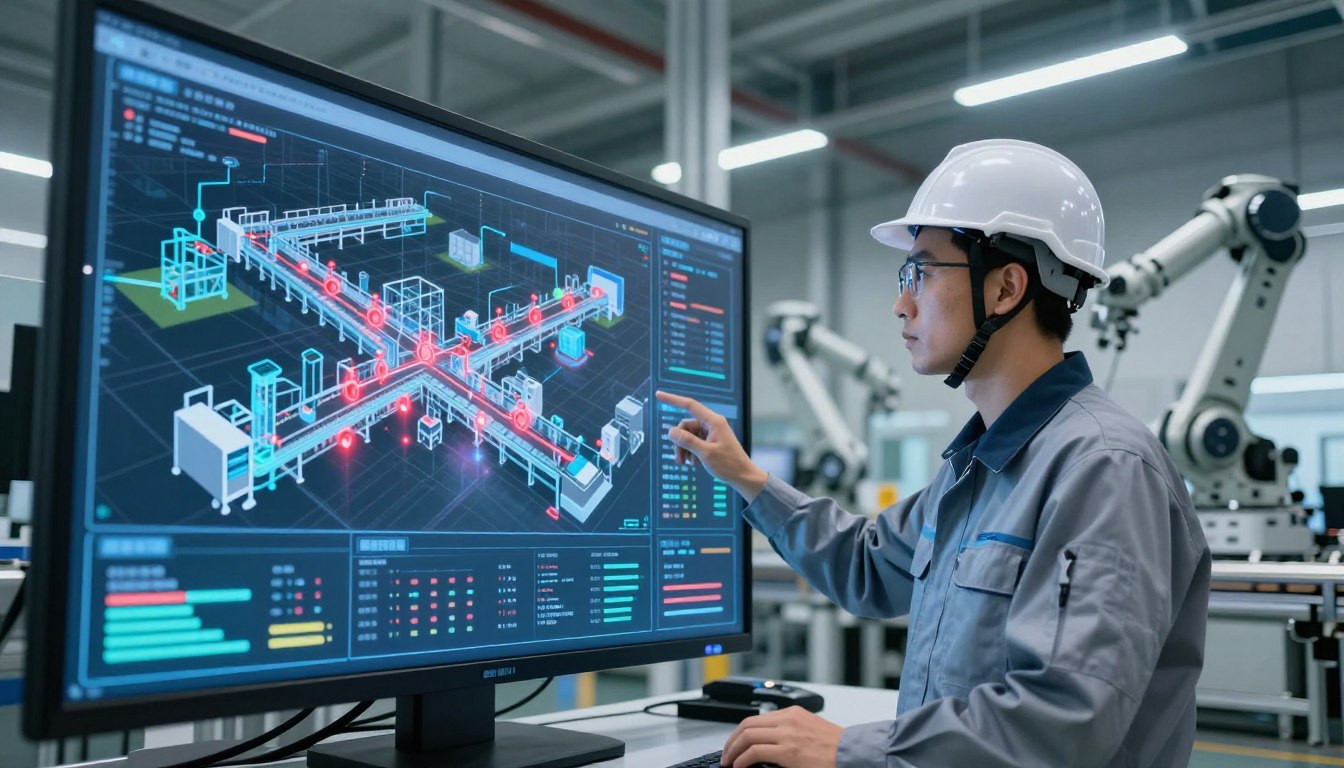
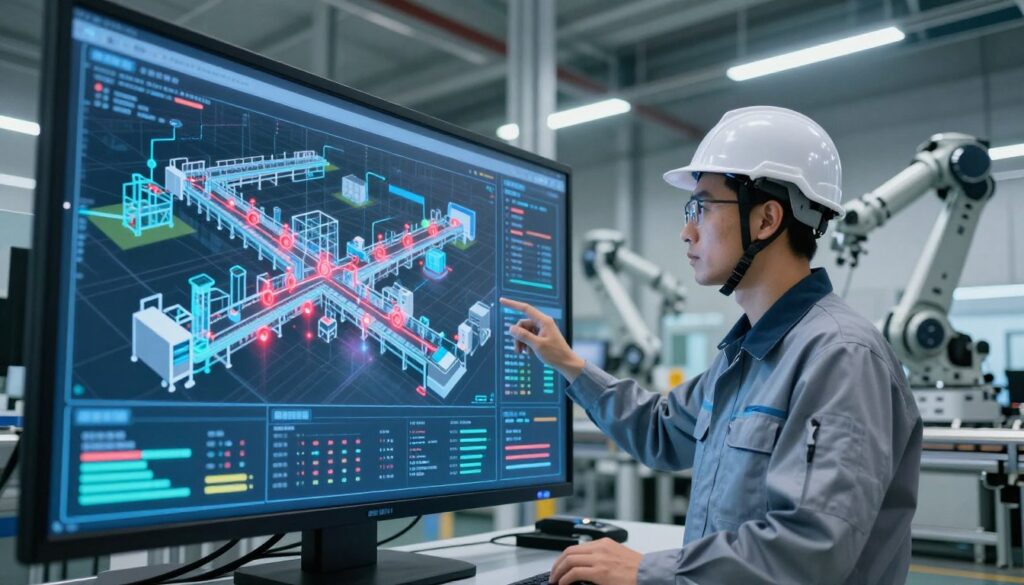
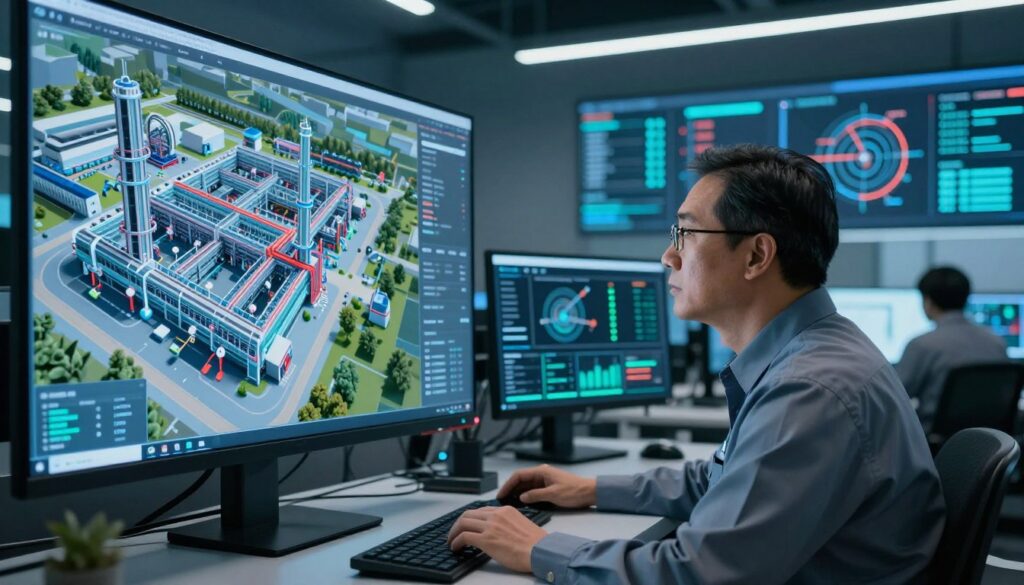
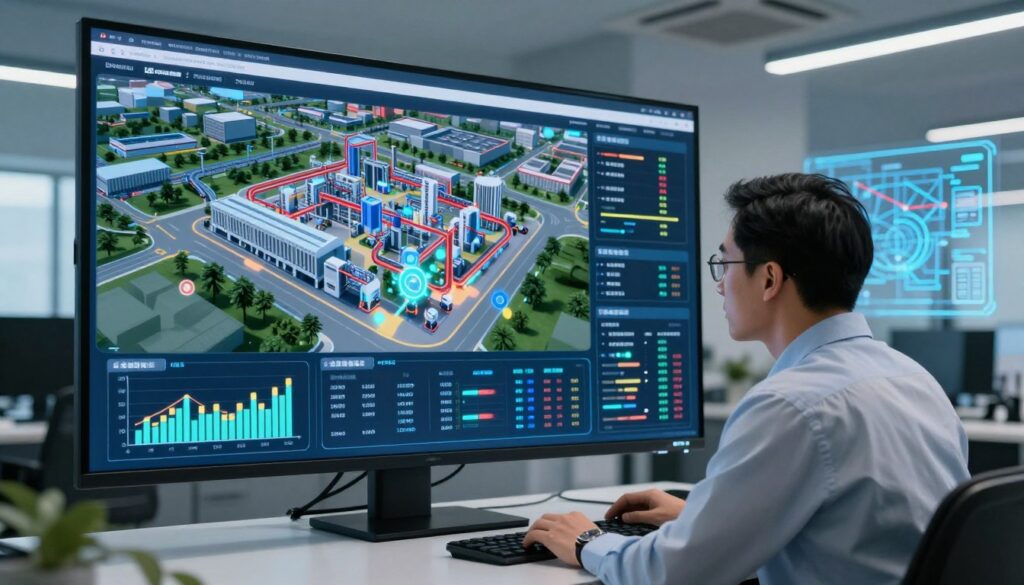
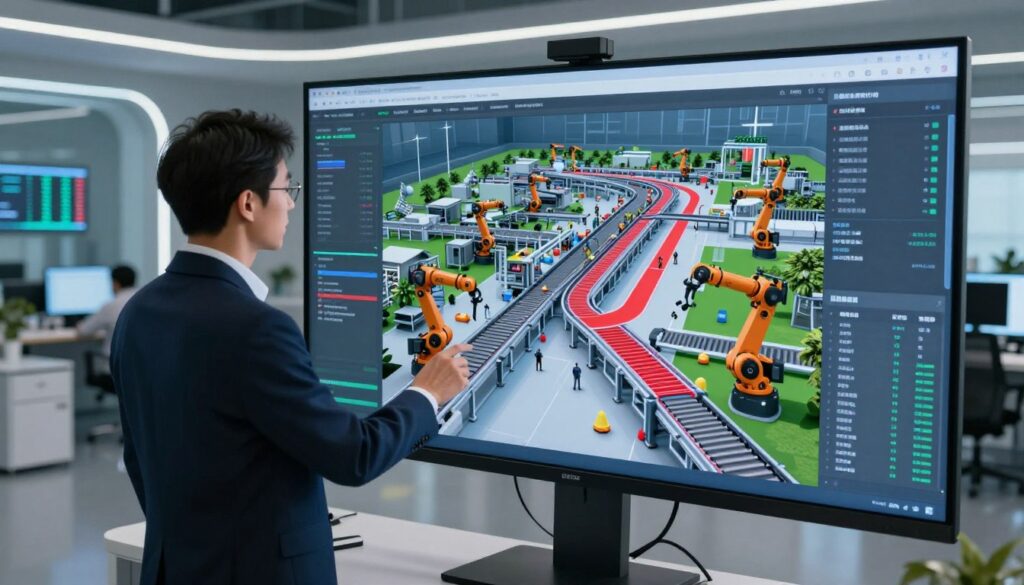
Digital Twins Model Engineering – Virtual simulation of production lines to identify bottlenecks

Factories today face immense pressure. They must deliver more, faster, and with perfect quality. Hidden slowdowns in assembly or logistics can cripple output and profits. These bottlenecks are often invisible until it’s too late.

A new approach changes everything. It involves creating a dynamic, virtual model of your entire operation. This model mirrors your physical line in real time.

digital twin, Industrial IoT, Smart Manufacturing, Digital Manufacturing

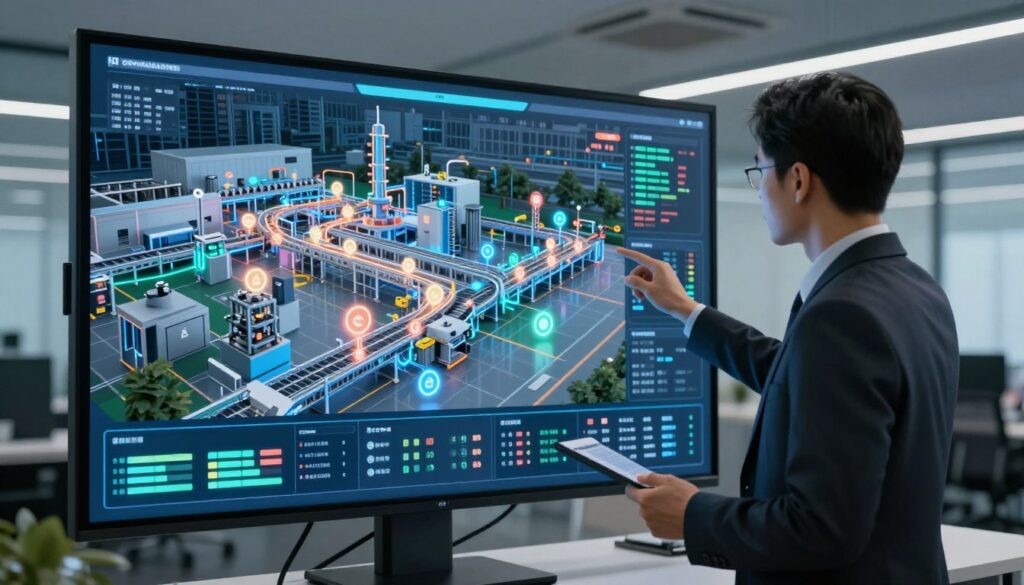
This virtual replica lets you see the flow of materials and work. You can spot where congestion builds. Leaders can test changes in the simulation first. This eliminates risk and improves throughput before any physical adjustments are made.

The shift is from reacting to problems to preventing them. It connects physical assets with intelligent data streams. This creates a foundation for adaptive, self-optimizing systems.

Key Takeaways

  • Hidden production slowdowns severely impact output, cost, and market competitiveness.
  • Virtual simulation provides a proactive tool to find and fix bottlenecks before they cause real-world delays.
  • A real-time virtual model mirrors physical operations, enabling safe testing of improvements.
  • This technology shifts the paradigm from reactive problem-solving to forward-looking optimization.
  • Implementing this approach enhances visibility, supports data-driven decisions, and boosts overall equipment effectiveness.
  • It represents a core element of modern industrial transformation, creating more responsive operations.

Introduction to Virtual Simulation in Manufacturing

The journey toward operational excellence begins with an accurate virtual representation. This approach builds a dynamic model of your entire production line. It allows for deep analysis and proactive improvement.

virtual simulation manufacturing

Defining Digital Twins and Their Role

A digital twin is a living, virtual replica of a physical system. It synchronizes continuously with real-world equipment and conditions. This model enables predictive analytics and scenario testing.

Its role extends far beyond simple visualization. It transforms how production lines are managed and optimized. Roughly 75% of businesses now use this technology in some form.

The Need for Real-Time Data Integration

Effectiveness hinges on seamless, real-time data integration. Sensors feed information to cloud platforms without delay. This two-way flow ensures the virtual model reflects actual performance.

This immediacy is crucial. It lets teams spot issues and test fixes within seconds. The financial payoff is clear: over 90% of deployments see returns above 10%.

Overview of Digital Twin Technology

The roots of virtual modeling stretch back to ambitious space missions of the mid-20th century. This foundational concept has matured into a powerful tool for modern operations.

digital twin technology evolution

It creates a living, data-driven counterpart of physical assets. This allows for unprecedented analysis and foresight.

Evolution from Physical Models to Virtual Replicas

In the 1960s, NASA built full-scale physical duplicates of spacecraft. Engineers used these models to simulate mission scenarios and potential failures.

The 1970 Apollo 13 crisis proved their value. Teams on the ground used the replicas to devise and test life-saving procedures.

A major shift occurred in 2002. Dr. Michael Grieves proposed a framework linking a physical product to its virtual counterpart through continuous data.

This idea moved the concept from static mock-ups to dynamic systems. The term “digital twin” was formally adopted by NASA in 2010.

Today’s versions are a quantum leap forward. They leverage cloud computing and AI to create responsive, predictive models.

This evolution has democratized advanced simulation. It now supports everything from initial design to full-scale production optimization.

Leveraging digital twin, Industrial IoT, Smart Manufacturing, Digital Manufacturing

True operational transformation occurs when separate technological streams converge into a unified system. This integration creates a powerful ecosystem that reshapes production capabilities. Four key pillars work together to make this happen.

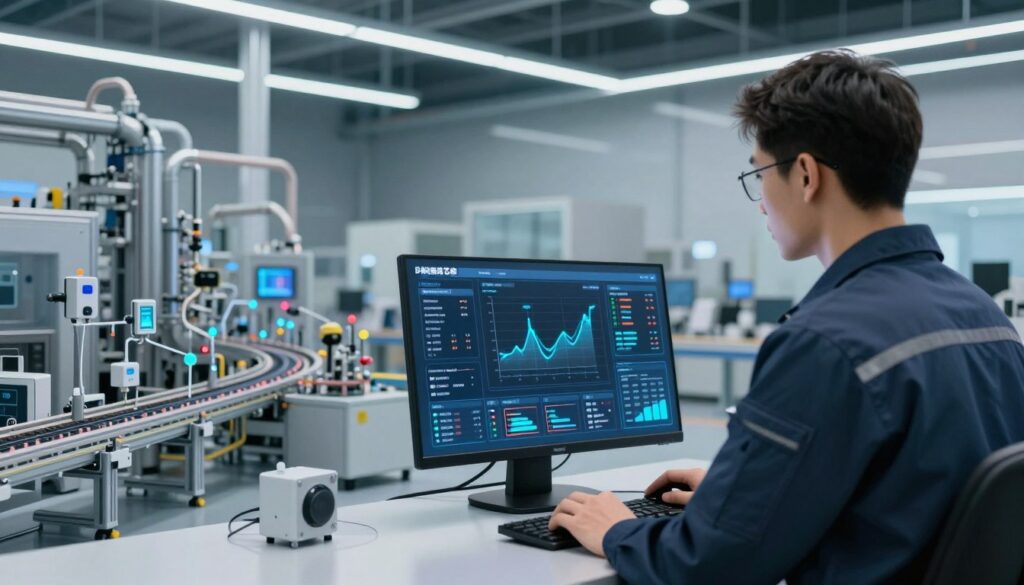
Industrial IoT acts as the sensory nervous system for the entire operation. Networks of sensors monitor temperature, pressure, and machine performance. This constant stream of live data feeds directly into the virtual model.

leveraging digital twin industrial iot smart manufacturing

Smart manufacturing takes this information and applies advanced analytics. Artificial intelligence and cloud computing find patterns humans might miss. The result is optimized processes that cut costs and boost product quality.

Digital manufacturing extends this connectivity across the entire value chain. It links product design with production execution and even customer feedback. This creates a unified digital framework from start to finish.

The synergy of these four pillars delivers unprecedented visibility. Leaders gain predictive insights into equipment health and can test changes safely in simulation. This convergence builds a sustainable competitive edge through faster innovation and superior consistency.

Real-Time Production Optimization with Digital Twins

Optimizing a live production line requires more than just historical trends. It demands a living, breathing digital counterpart. This virtual model analyzes every touchpoint continuously.

real-time production optimization digital twins

It spots bottlenecks as they form. Teams get operational insights from live streams, not old reports. This transforms the entire production process.

Utilizing IoT Sensors for Continuous Monitoring

Networks of advanced sensors act as the eyes and ears of the line. They track temperature, pressure, vibration, and flow rates from critical equipment components.

Strategic placement captures comprehensive performance data. This constant flow feeds the virtual model, enabling immediate adjustments to process parameters.

Impact on Overall Equipment Effectiveness (OEE)

This approach directly boosts three key OEE factors: availability, performance efficiency, and quality. Issues are corrected before they cause downtime.

Manufacturers see measurable gains in throughput and yield. Resource utilization improves while waste drops across operations, raising overall efficiency.

Aspect Traditional Approach Digital Twin Approach
Data Source Historical records & manual logs Live sensor streams & real-time analytics
Response Time Days or weeks for analysis Seconds for detection and alert
Optimization Scope Isolated equipment adjustments Whole line balancing and workflow sequencing
Impact on OEE Incremental, slow improvements Substantial, continuous gains in availability, performance, quality

The closed-loop feedback between the virtual and physical worlds creates a self-optimizing production system that learns and adapts.

Predictive Maintenance and Data-Driven Insights

Moving beyond scheduled maintenance requires a leap into predictive intelligence. This approach uses data to foresee machine issues long before they cause stoppages.

predictive maintenance data insights

It transforms upkeep from a cost center into a strategic advantage. Teams gain actionable insights to optimize asset health and uptime.

Machine Learning Algorithms in Maintenance

Advanced algorithms analyze live sensor streams and historical logs. They learn normal equipment behavior and spot tiny anomalies.

These patterns signal wear or impending failure weeks in advance. This allows for planned repairs during downtime, not emergency fixes.

Maintenance Approach Core Principle Data Usage Typical Outcome
Reactive Fix it when it breaks None High downtime, costly repairs
Preventive Schedule fixes on a calendar Basic time logs Reduced failures, but some wasted effort
Predictive Act on condition-based alerts Real-time sensor analytics Maximized uptime, lower costs, longer asset life

The digital twin is central to this system. It continuously compares real-world performance against the virtual model’s predictions.

This creates a powerful feedback loop. Maintenance becomes a precise science, boosting reliability and cutting expenses.

Smart Manufacturing: Enhancing Efficiency and Quality

Modern production floors achieve new levels of precision by connecting every element of the operation. This interconnected ecosystem allows machines, enterprise software, and supply chain networks to communicate seamlessly.

Unified intelligence enhances efficiency across all processes. It enables rapid adaptation to new customer demands without major retooling, boosting overall efficiency.

Automated Workflows and Quality Control

Automation orchestrates complex sequences based on real-time conditions. This eliminates manual handoffs and reduces human error, accelerating production cycles.

Control transforms from final inspection to continuous monitoring. AI-powered visual systems analyze data streams to detect defects as products move through the line.

Integrating analytics with control systems enables immediate corrective actions. This prevents defective items from advancing, cutting scrap rates and rework costs while ensuring final quality.

These approaches optimize resource use and minimize waste across processes. They provide leaders with clear visibility into performance metrics for informed decision-making across operations. Advanced analytics track energy use and material flow, supporting sustainable operations.

Harnessing AI and Advanced Analytics in Manufacturing

The next frontier in production line mastery lies in the fusion of artificial intelligence with deep analytical power. These technologies process immense streams of live sensor data, uncovering patterns and predicting issues with superhuman speed.

AI-Driven Simulation and Process Optimization

Sophisticated simulation capabilities allow teams to test thousands of production scenarios virtually. This evaluates how different process parameters impact efficiency and cost before any physical change is made.

Advanced analytics platforms autonomously adjust equipment settings and material flows. This continuous optimization refines systems without constant human oversight, driving incremental performance gains.

The strategic value extends beyond the factory floor. Comprehensive analysis informs critical business decisions on product design and supply chain strategy. Analytics engines generate actionable insights, recommending optimal production volumes and resource allocation.

This creates a self-improving operational environment. Manufacturers gain a competitive edge through faster, more accurate decisions and the ability to spot hidden innovation opportunities within complex data.

Integrating IIoT and SCADA for Real-Time Data Capture

The backbone of any responsive production system is a robust data capture infrastructure. It must connect established control technology with modern sensor networks.

Bridging Legacy Systems with Modern Technologies

Legacy SCADA systems hold decades of operational knowledge. Successful integration preserves this functionality while adding modern connectivity.

Unified Namespace architecture is key. It eliminates data silos between SCADA, execution platforms, and business systems.

This creates a single, reliable source of truth. All platforms and people work from the same live data.

Edge computing places processing power close to equipment. This reduces latency for immediate, local decision-making when conditions change.

Strategic placement of modern sensors is critical. They monitor temperature, pressure, vibration, and flow rates across operations.

The final challenge is harmonizing diverse protocols and formats. A unified framework ensures consistent data flows to analytics platforms.

This integration delivers real-time visibility. It turns raw information into actionable insights for superior control.

Simulating Production Scenarios and Bottleneck Identification

Unlocking peak operational flow requires a sandbox where every change can be tested without consequence. This is the core promise of advanced scenario analysis. Teams move beyond guesswork to validate ideas in a dynamic virtual environment.

What-If Analysis and Virtual Testing

What-if analysis empowers teams to explore countless scenarios. They can model new product introductions or major line rebalancing. Each virtual experiment evaluates impacts on throughput, cost, and quality before any physical resource is committed.

This testing occurs in a risk-free space. For example, a team can simulate an assembly line upgrade to see its effect on downstream operations. They assess performance under various conditions without disrupting live production.

The process rapidly identifies constraint points where flow restricts overall output. This analysis reveals true bottlenecks, enabling targeted interventions. Teams focus improvements where they deliver maximum impact on system performance.

Virtual simulation accelerates optimization cycles, letting teams evaluate dozens of potential improvements in the time previously needed for one physical change.

This capability extends beyond equipment. It encompasses workforce scheduling, material flow, and quality strategies. The virtual twin validates hypotheses with high confidence, ensuring modifications work under real conditions. This approach minimizes costly mistakes and drives continuous refinement of the entire process.

Digital Twin Implementation Strategies in Modern Factories

A successful rollout of this advanced modeling technology hinges on meticulous planning and phased execution. Leaders must build a robust framework that grows from a focused pilot to plant-wide transformation.

Phased Approach from Pilot to Scale

The journey begins with a foundation phase. Teams audit existing information infrastructure and prioritize high-impact use cases. This stage sets the cybersecurity and architectural blueprint.

Next, a pilot targets critical equipment. Sensors are deployed to feed live performance metrics into initial models. Validation here proves accuracy and builds confidence for broader rollout.

Scaling expands the sensor network across additional assets. Advanced analytics and enterprise connections are integrated. This phase develops automated optimization algorithms for continuous improvement.

Technology Architecture and Data Integration

A three-layer architecture supports these virtual replicas. The acquisition layer pulls information from sensors, SCADA, and business platforms.

The processing layer uses edge and cloud resources to analyze streams. Analytics engines find patterns and predict outcomes.

The application layer delivers tools for visualization and optimization. Seamless information integration across these layers is critical. It ensures the model reflects true physical conditions for reliable insights.

Overcoming Challenges in Smart Manufacturing Integration

Integrating advanced technologies into existing factory floors presents a complex set of hurdles that demand strategic navigation. These obstacles are both technical and organizational. They can stall progress if not addressed with a clear plan.

Data quality is a foundational issue. Inconsistent formats and siloed information disrupt seamless integration. Automated validation and master data management are essential for reliable systems.

Managing Cybersecurity and Legacy Systems

As operational and information technology converge, the attack surface expands. Robust cybersecurity frameworks are non-negotiable. They protect sensitive data and physical operations from breaches.

Integrating legacy infrastructure is another major hurdle. Older SCADA platforms and controllers often use proprietary protocols. Bridging these to modern cloud technology requires careful strategy.

Skills gaps and change resistance are human challenges. Strategic partnerships with experienced integrators help. Phased implementation allows teams to adapt to new processes.

Overcoming these barriers builds a sustainable competitive edge. It creates manufacturing capabilities that are difficult for rivals to replicate. The discipline required pays off in resilient, optimized processes.

Digitizing the Manufacturing Process: From Plant to Cloud

The key to a responsive operation is a unified data framework that bridges local control with global analytics. This framework establishes a complete data pathway from sensors on the shop floor to powerful off-site computing resources.

This end-to-end flow creates total visibility and command over geographically spread operations. It turns raw machine signals into strategic intelligence.

Unified Namespace (UNS) and Edge Computing

Unified Namespace architecture is the cornerstone. It eliminates traditional data silos separating SCADA, MES, ERP, and sensor networks.

Instead, it creates a single, authoritative source of truth. All platforms and people access the same live information, enabling seamless integration.

Edge computing places processing power physically close to production equipment. This allows for immediate, local decision-making when conditions change rapidly.

It filters and summarizes data before sending it upstream. This reduces network latency and keeps critical systems running smoothly.

Cloud technology provides the scalable backbone for storage and complex analysis. It supports advanced models and enables remote monitoring from anywhere.

Virtual twins leverage this hybrid setup. They sync with edge data in real-time while using cloud power for heavy simulations.

This architecture ensures business continuity and supports a resilient, future-proof operation.

Industrial Transformation and Supply Chain Resilience

Global market volatility has thrust supply chain resilience into the strategic spotlight for modern industry. External shocks from geopolitics to natural disasters now threaten business continuity. This makes robust supply networks a board-level priority.

Industrial transformation through connected platforms fundamentally strengthens this resilience. It provides real-time visibility into material flows and inventory across extended supplier networks. Leaders gain a clear view of production capacity and logistics operations.

Enhancing Visibility and Reducing Disruptions

Virtual models now extend beyond single facilities to map entire supply chain ecosystems. They simulate how disruptions at supplier locations or transportation bottlenecks impact production. This allows for proactive planning before constraints halt lines.

Enhanced visibility lets teams track raw material levels and monitor supplier status. They can anticipate delivery delays and identify alternative sourcing options. This proactive approach reduces costly stoppages.

Integration with planning systems creates closed-loop coordination. Production schedules adjust automatically based on material availability. Procurement systems respond to real capacity changes and demand forecasts.

Predictive analytics applied to supply chain data identify emerging risks. These include supplier instability or regional disruption potential. Teams can enact mitigation strategies before problems materialize.

Organizations leveraging this transformation see measurable gains. They achieve better on-time delivery and higher inventory turnover. This creates adaptive networks capable of rapid reconfiguration.

Emerging Trends and Future Outlook in Digital Twin Technology

Market projections reveal an astonishing trajectory for virtual replica technology, signaling its move from niche tool to industrial cornerstone. Analysts forecast growth from $24.5 billion in 2025 to over $259 billion by 2032.

This expansion is driven by accelerating adoption across aerospace, healthcare, and infrastructure sectors. Nearly 30% of companies had implemented strategies by 2023.

Generative AI and Autonomous Optimization

Generative AI represents the most transformative trend. It enables these models to predict future system behaviors and generate optimization recommendations.

Advanced AI models empower digital twins to make complex, multi-step decisions autonomously. They can anticipate cascading failures and implement operational changes without human intervention.

Delivery models like Digital Twin as a Service (DTaaS) democratize access through the cloud. This allows for rapid deployment without major upfront investment.

Future applications will extend to modeling human cognition and behavior for workforce optimization. The convergence with blockchain and 5G will unlock real-time optimization of globally distributed operations.

Organizations at the forefront of these trends will establish a decisive competitive edge. They will redefine production economics and market responsiveness in the future.

Case Studies and Industry Success Stories

Real-world evidence from top-tier companies demonstrates the powerful impact of advanced simulation technology. A 2025 survey reveals that 92% of deploying companies report returns above 10%. Over half achieve ROI exceeding 20%.

Examples from Leading Manufacturers

Aerospace manufacturers used virtual models to slash development cycles by 40%. They cut physical prototype needs by 60%. This boosted final product quality significantly.

In the automotive industry, production lines saw 25% higher throughput. Changeover times dropped by 35%. These improvements stemmed from precise bottleneck identification.

Quantifiable ROI and Performance Improvements

Operational gains are clear and measurable. Overall Equipment Effectiveness often rises 15-25%. Mean Time Between Failures extends by 30-40%.

First-Pass Yield improves 10-15%. Energy efficiency gains reach 20-30%. These metrics directly lower operational costs.

Metric Category Key Indicators Typical Improvement
Operational OEE, MTBF, Yield 15-40%
Business Cost per Unit, Time to Market 12-50%

Business performance also soars. Cost per unit falls 12-18%. Time to market accelerates 30-50%. Management teams report 98% satisfaction with these projects.

Measurable ROI typically appears within 18 months. Successful companies focus on high-impact use cases and experienced partners. This ensures 95% on-budget delivery.

Conclusion

Looking ahead, the ability to simulate and optimize will define leadership in manufacturing. Virtual simulation through digital twins represents a fundamental transformation. It changes how companies identify bottlenecks and enhance their production lines.

The convergence of this technology with advanced analytics creates integrated ecosystems. They deliver measurable gains in efficiency, quality, and cost. Organizations that adopt this strategy gain a sustainable competitive edge in their industry.

With over 90% of deployments showing positive returns, delay carries significant risk. Future success will depend on the power to test scenarios and predict issues. Leaders should begin with strategic planning and phased rollouts.

FAQ

What exactly is a virtual replica of a production line?

A virtual replica is a dynamic, software-based model of a physical production line. It uses real-time data from sensors and systems to mirror the actual operations. This allows engineers to visualize, analyze, and simulate the entire process to improve performance and find problems before they occur.

How does this technology help with predictive maintenance?

By continuously feeding operational data from equipment into the virtual model, analytics platforms can detect subtle changes. These changes signal potential failures. This data-driven approach allows teams to schedule maintenance precisely when needed, avoiding costly unplanned downtime and extending machine life.

Can these models integrate with older factory systems?

Yes, a key strength is integration with legacy infrastructure. Modern platforms act as a bridge, pulling data from traditional SCADA and control systems. This creates a unified view of operations without requiring a full, immediate replacement of existing assets, protecting prior investments.

What role does AI play in optimizing manufacturing processes?

Artificial Intelligence and machine learning algorithms analyze vast amounts of process data from the virtual model. They identify patterns and correlations humans might miss. This enables autonomous optimization of settings for better quality, higher efficiency, and reduced costs.

How do virtual replicas improve supply chain resilience?

They provide end-to-end visibility. By modeling not just the factory floor but also logistics and inventory flows, companies can simulate disruptions. This “what-if” analysis helps leaders make better decisions, adjust sourcing, and reroute logistics to minimize disruptions and maintain operations.

What is a common first step for a company implementing this solution?

A successful strategy typically starts with a focused pilot project. Companies like Siemens often begin by modeling a single, critical production line or piece of equipment. This proves the value, builds internal expertise, and defines the technology architecture for a broader, scalable rollout across the factory.

Are there measurable returns on investment from using this approach?

Absolutely. Industry leaders report significant ROI. For example, NVIDIA highlights use cases where virtual models have boosted Overall Equipment Effectiveness (OEE) by double digits. Tangible benefits include major reductions in downtime, lower energy consumption, fewer quality defects, and faster time-to-market for new products.


How Iottive Delivers End-to-End IIoT Solutions

1. Concept & Solution Design

Iottive works closely with plant teams, engineering leaders, and stakeholders to understand operational challenges, asset behavior, and production goals. This phase includes use-case validation, system architecture design, sensor selection, connectivity planning, and defining measurable business outcomes.


2. Engineering & System Integration

Iottive engineers industrial-grade IIoT solutions by integrating sensors, PLCs, SCADA systems, gateways, and industrial protocols such as OPC UA, Modbus, MQTT, and BLE. The focus is on reliable data acquisition, secure communication, and seamless integration with existing automation infrastructure.


3. Prototyping & Pilot Deployment

Rapid prototyping enables manufacturers to validate concepts on the shop floor before full-scale rollout. Iottive develops functional prototypes, edge analytics, dashboards, and mobile applications to test performance, data accuracy, and operational feasibility in real manufacturing environments.


4. Product Experience & Data Intelligence

Iottive designs intuitive web and mobile dashboards that provide real-time visibility into machine health, production metrics, and operational KPIs. Advanced analytics, alerts, and visualization tools empower plant teams to take proactive, data-driven decisions with minimal complexity.


5. Commercialization & Scale-Up

From MVP to enterprise deployment, Iottive supports product hardening, scalability, cloud or hybrid deployments, and long-term maintenance. Solutions are designed for multi-plant rollout, system expansion, and continuous optimization—ensuring measurable ROI and operational impact.


Why Manufacturers Choose Iottive

  • Proven experience in Industrial Automation & IIoT
  • Strong understanding of real shop-floor challenges
  • Seamless integration with existing PLC/SCADA systems
  • Scalable, secure, and production-ready architectures
  • Focus on business outcomes, not just technology

📧 Contact Email: sales@iottive.com

Smart Retail shelf inventory mismatch detection to prevent lost sales

Lost sales in brick-and-mortar stores often happen quietly. A customer reaches for a product, but the shelf is empty. Your backend system says you have stock, but the physical reality tells a different story.

This gap between recorded inventory and actual stock levels is a critical challenge. It leads directly to missed revenue and frustrates shoppers. Modern operations need a way to see what’s happening at the point of sale in real time.

smart retail shelf inventory detection

Electronically connected shelving systems provide the answer. These intelligent units use IoT sensors and RFID tags to track product availability automatically. The global market for this technology is projected to reach $15.34 billion by 2030, highlighting its growing importance.

This guide will walk you through understanding the problem, exploring available technologies, and implementing a system step-by-step. It focuses on transforming inventory accuracy and operational efficiency for competitive stores. These systems bridge physical spaces with digital commerce expectations, preventing customer frustration.

Key Takeaways

  • Inventory mismatches between systems and shelves cause lost sales and customer frustration.
  • Real-time visibility at the point of sale is essential for modern retail operations.
  • Electronically connected shelving uses sensors and IoT to automatically track stock.
  • The market for intelligent shelving is growing rapidly, indicating its value.
  • Implementing these systems improves inventory accuracy and supports omnichannel strategies.
  • They help prevent out-of-stock situations and misplaced merchandise.
  • Accurate shelf data enables better replenishment and reduces revenue leakage.

Understanding the Importance of Accurate Inventory Management

The disparity between what a store’s system reports and what sits on its shelves is a primary profit leak. Precise inventory management is the foundation for operational efficiency and revenue protection in physical commerce.

When counts are wrong, every part of the business suffers.

Identifying the Causes of Inventory Mismatches

Several factors create this gap. Human error during manual counts is a major one. Theft, misplaced goods, and unreported damage also distort records.

A critical flaw is the lag between a sale at the register and the system update. This delay means data is always playing catch-up with reality.

causes of inventory mismatches

The Impact on Lost Sales and Customer Experience

Empty shelves mean lost sales. Shoppers will buy elsewhere or abandon their trip. This directly hits a location’s bottom line.

The shopping experience erodes when online promises don’t match in-store availability. Trust and brand loyalty fade. According to the National Retail Federation, in-store purchases can be more profitable, making shelf accuracy critical.

Real-time data from connected units minimizes out-of-stock scenarios. This leads to higher satisfaction and more return visits, securing future revenue.

Exploring the Technologies Behind Smart Shelves

A technological ecosystem of sensors, cameras, and digital labels turns ordinary shelving into a data hub. This combination provides the eyes and intelligence needed for accurate, real-time stock visibility.

Each component plays a distinct role in capturing and communicating inventory status.

Digital Shelf Labels and Their Multifunctional Roles

Electronic shelf labels (ESL) replace paper tags. These digital displays show pricing, promotions, and detailed product information instantly.

Advanced solutions like SOLUM Newton labels can show multiple pages of data. This helps with stocking tasks and attracts customer attention.

They integrate into central management systems. This allows for updates across all store locations from one platform.

technologies behind smart shelves

Shelf Sensors, Cameras, and RFID Integration

Weight sensors monitor shelf load continuously. They calculate removal and trigger restock alerts automatically.

IoT devices like motion sensors and cameras add another layer. Cameras use computer vision to spot empty spaces and track shopper engagement.

RFID tags enable item-level tracking. Radio frequency readers identify products from warehouse to shelf, improving accuracy.

Technology Primary Function Data Granularity Best Use Case
Digital Labels (ESL) Dynamic information display & price updates Shelf/Product SKU High-turnover items with frequent price changes
Weight Sensors Continuous load monitoring & removal detection Unit count by weight Bulk, uniform products like canned goods
RFID Tags Item identification & supply chain tracking Individual item level High-value goods, apparel, electronics

Choosing the right mix depends on product type and operational goals. Integration creates a powerful, unified system for inventory control.

Leveraging Smart Retail Shelf, Smart Retail Solution for Inventory Accuracy

Moving from traditional stock counting to automated, real-time tracking is a strategic project. It demands careful execution and a clear roadmap.

Retailers must begin with a thorough assessment. This includes auditing high-priority items and calculating the expected return on investment.

A phased rollout minimizes disruption. Start with a pilot program in one store section to test performance.

Step-by-Step Implementation Guide for Retailers

The first phase involves vendor selection and hardware procurement. Ensure new technology is compatible with your current systems.

Installation includes physical retrofitting of units and sensor mounting. Network infrastructure must support continuous data flow.

Comprehensive training for staff is critical. They need to learn new workflows and how to respond to restock alerts.

After deployment, a calibration phase fine-tunes the system. Validate sensor accuracy and refine alert thresholds.

Implementation Phase Key Activities Success Metric
Pre-Assessment Inventory audit, ROI calculation, pain point identification Clear business case defined
Pilot Deployment Limited section rollout, workflow refinement, integration testing Measurable accuracy improvement
Full Integration API connections to POS & ERP, staff training, network setup Unified operational intelligence
Optimization KPI tracking, threshold adjustment, continuous feedback Reduction in out-of-stock incidents

implementation guide for inventory accuracy

Integrating with Existing Systems and IoT Connectivity

Seamless connection to your existing tech stack is non-negotiable. API links to inventory management and point-of-sale platforms create a single source of truth.

The IoT architecture decides how data moves. Cloud-based options offer scalability, while edge computing reduces latency.

“Integration is where data turns into actionable insight. It bridges the gap between the physical shelf and the digital ledger.”

Strong cybersecurity measures protect this valuable data stream. This ensures business continuity and customer trust.

This holistic approach transforms operations. It turns real-time shelf data into a powerful tool for growth.

Utilizing Data Analytics and Insights to Enhance Retail Operations

Analytics platforms turn raw sensor data from store fixtures into strategic insights for boosting sales and service. This intelligence moves beyond simple stock counts.

It reveals detailed patterns in consumer behavior and product performance. Retailers gain a powerful tool for decision-making.

Tracking Customer Behavior and Optimizing Store Layouts

Heat maps show where shoppers linger and which items they pick up. Dwell time analysis indicates engagement levels.

This data directly informs planogram redesign. High-margin goods can be placed in premium, high-traffic zones.

Complementary product adjacencies are tested and refined. The result is a layout that guides the shopper journey and increases basket size.

data analytics retail operations

Improving Operational Efficiency with Real-Time Data

Live inventory feeds enable just-in-time restocking. This minimizes backroom stock and wasted labor.

Staff schedules align with predicted peak restocking needs. Automated alerts replace manual shelf checks.

This streamlines operations and cuts costs. Capital is not tied up in excess stock.

Dynamic Pricing and Promotional Strategies

Digital price tags can update instantly based on algorithms. Prices adjust for demand, time of day, or competitor actions.

Promotions are tested in real-time. Their effectiveness is measured by immediate sales velocity.

This agile approach maximizes revenue per product. It turns pricing into a dynamic brand strategy.

Conclusion

Forward-thinking retailers are turning to intelligent store fixtures to secure their future in a competitive market. This technology directly tackles the costly problem of inventory mismatches. It prevents lost sales and protects customer relationships.

Real-time monitoring eliminates stockouts and optimizes staff labor. Shoppers enjoy a better experience with consistent product availability. These multi-layered benefits create a strong value proposition for any store.

The move to data-driven operations is now a strategic necessity. Begin with a pilot program in a single location. Then, expand and optimize using advanced analytics.

Success requires commitment to training and system integration. Looking ahead, these connected smart shelves will evolve with AI and predictive tools. They form the foundation for a truly responsive retail environment.

FAQ

How does a Smart Retail Shelf solution directly prevent lost sales?

It prevents lost sales by providing real-time visibility into stock levels. When an item is out of place or low, the system instantly alerts staff for restocking. This ensures customers always find what they need, directly converting browsing into purchases and protecting revenue.

What are the core technologies powering these intelligent store displays?

The core technologies include weight sensors, RFID tags, and small cameras. RFID allows for precise, bulk item tracking without line-of-sight. Sensors detect when products are removed, while digital labels update prices instantly. This ecosystem works together to create a live view of merchandise.

Is implementing this technology disruptive to a store’s current operations?

Not typically. Modern solutions are designed for seamless integration. They connect with existing inventory management and point-of-sale systems. Implementation is often a phased process, starting with high-value aisles, minimizing downtime and allowing staff to adapt smoothly to the new workflow.

Beyond stock control, what other benefits do these systems offer?

They generate powerful analytics on consumer behavior. Retailers like Walmart gain insights into which items are frequently handled together or which displays attract attention. This data informs better store layouts, dynamic promotional strategies, and optimized product placements to boost overall performance.

How does this technology improve the shopper’s in-store experience?

It creates a frictionless journey. Accurate stock means no disappointment. Digital labels ensure correct pricing. For associates, the system frees them from manual counts, allowing more time for customer service. This leads to a more efficient, satisfying, and modern shopping trip.


How Iottive Delivers End-to-End Smart Retail Solutions

1. Retail Strategy & Solution Design

Iottive collaborates with retail leaders, digital heads, store operations teams, and supply chain stakeholders to understand customer journeys, inventory challenges, and growth objectives. This phase includes retail use-case validation, omnichannel architecture design, IoT device selection, AI personalization planning, and defining measurable KPIs such as promotion ROI, stock accuracy, and conversion rates.


2. Smart Systems Engineering & Retail Integration

Iottive engineers scalable Smart Retail solutions by integrating IoT sensors, RFID, smart shelves, digital mirrors, edge devices, and cloud platforms. We ensure seamless connectivity between POS systems, ERP, CRM, warehouse systems, and e-commerce platforms. The focus is on real-time visibility, secure data flow, and unified customer and inventory intelligence across stores and digital channels.


3. Pilot Deployment in Stores & Warehouses

Before enterprise rollout, Iottive deploys pilot solutions in selected retail stores, warehouses, or pharmacy locations. This includes testing AI-driven recommendations, smart inventory tracking, cold chain monitoring systems, and digital try-on experiences. Retailers can validate performance, customer engagement impact, and operational feasibility in live environments before scaling across locations.


4. Customer Experience & Retail Intelligence

Iottive builds intuitive dashboards and retail intelligence platforms that provide real-time insights into:

  • Customer behavior & segmentation
  • Promotion performance & ROI
  • Store-level inventory accuracy
  • Warehouse efficiency metrics
  • Cold chain compliance tracking
  • Online conversion and upsell analytics

Advanced analytics, alerts, and AI-driven insights empower retail teams to make faster, data-driven decisions that improve revenue, reduce losses, and enhance customer satisfaction.


5. Enterprise Rollout & Retail Scale-Up

From MVP to multi-location deployment, Iottive supports solution hardening, cloud scalability, cybersecurity, and long-term support. Smart Retail solutions are designed for:

  • Multi-store expansion
  • Omnichannel integration
  • Regional inventory balancing
  • Cross-border retail operations
  • Continuous optimization using AI insights

Our approach ensures measurable ROI through improved customer engagement, reduced shrinkage, better inventory control, and operational efficiency.


Why Retailers Choose Iottive

  • Proven expertise in Smart Retail & IoT-driven transformation
  • Deep understanding of store operations, warehousing, and pharmacy compliance
  • Seamless integration with POS, ERP, CRM, and e-commerce platforms
  • Secure, scalable, and production-ready retail architectures
  • Strong focus on measurable business outcomes — not just technology

📧 Contact Email: sales@iottive.com
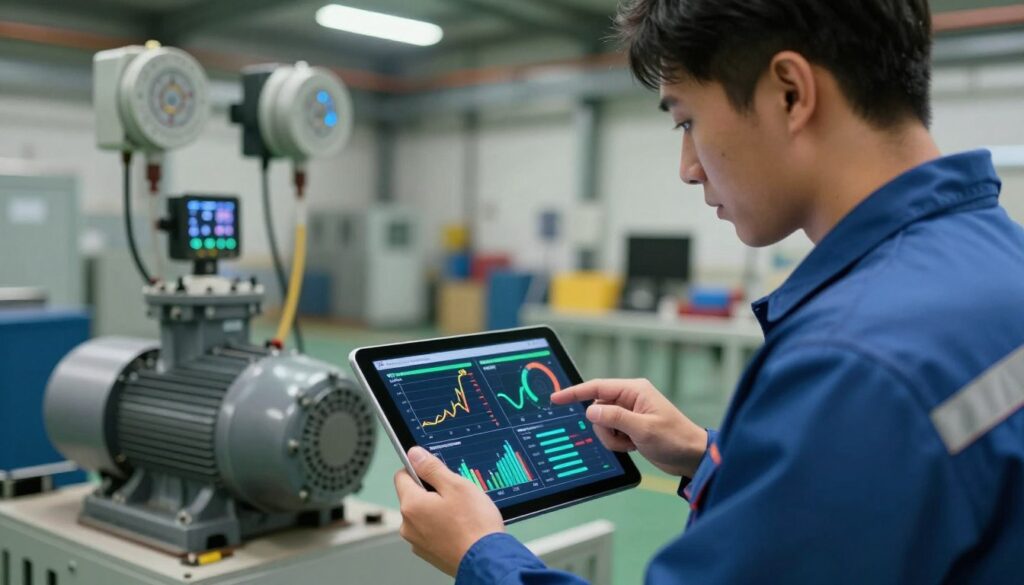
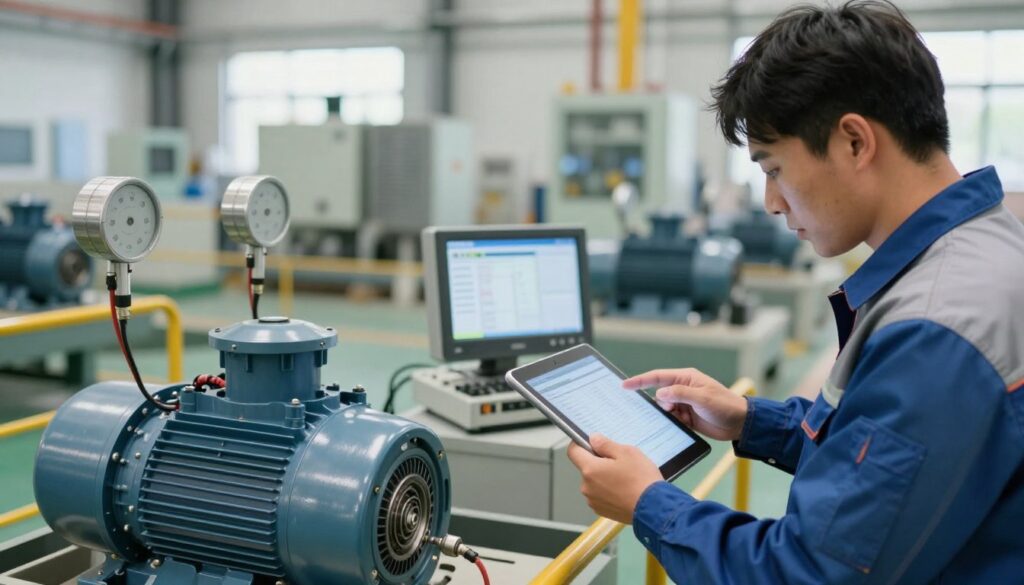
Early detection of motor & bearing failures to avoid unplanned downtime

Sudden equipment breakdowns bring production lines to a halt. For manufacturing leaders, these events represent a major threat to profitability and operational stability. The financial impact is staggering. Unplanned downtime costs Fortune Global 500 companies an estimated 11% of their yearly turnover.

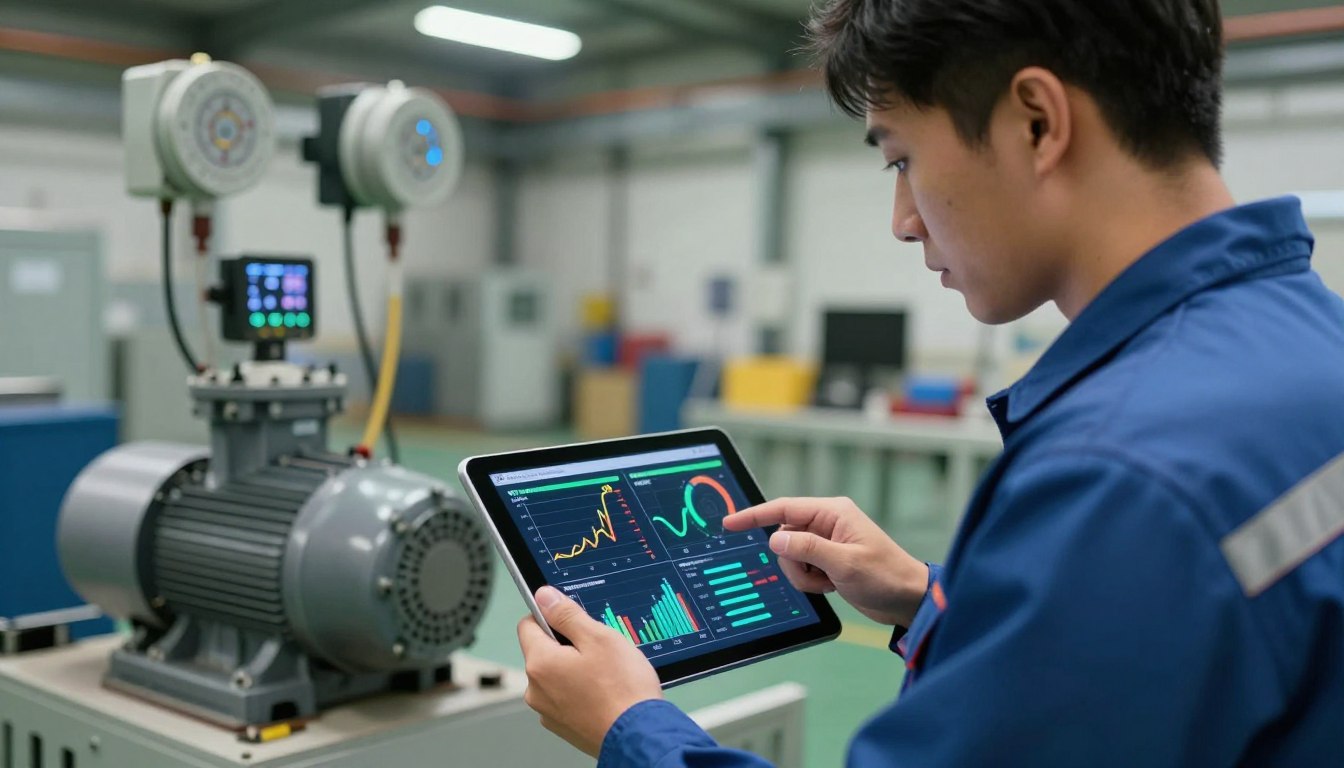
early detection of motor and bearing failures

Motor and bearing failures are a primary cause of these costly disruptions. Traditional maintenance schedules often miss subtle signs of wear. This leaves facilities vulnerable to sudden equipment failures.

Implementing an early detection strategy is the solution. By monitoring key indicators like vibration and temperature, plants can identify problems before they escalate. This proactive approach protects production continuity and saves significant resources.

This guide provides a clear framework for building a robust detection system. It empowers maintenance teams to move from reactive fixes to proactive prevention. The goal is to safeguard your operations and financial health.

Key Takeaways

  • Unplanned downtime has a massive financial impact on industrial operations.
  • Motor and bearing issues are leading causes of sudden production stoppages.
  • Traditional maintenance methods frequently fail to catch early warning signs.
  • Proactive monitoring of equipment health is essential for preventing failures.
  • Early detection systems help maintain consistent production schedules.
  • Investing in predictive strategies protects revenue and reduces operational costs.

Overview of Unplanned Downtime in Manufacturing

When equipment ceases functioning without warning, manufacturing output suffers dramatically. These unexpected interruptions disrupt carefully planned schedules and create immediate operational challenges. Understanding this phenomenon is essential for effective facility management.

Defining Unplanned Downtime

Unplanned downtime refers to sudden equipment stoppages without prior indication. These events force immediate maintenance response and disrupt scheduled operations.

Key metrics help quantify these incidents. Mean Time Between Failures (MTBF) measures average operational duration between breakdowns. Mean Time to Repair (MTTR) tracks how quickly teams restore normal operations.

manufacturing downtime overview

Common Causes in Modern Plants

Various factors contribute to operational stoppages in contemporary facilities. Mechanical component failures represent frequent triggers. Electrical and control system issues also create significant disruptions.

“The most costly production interruptions often stem from seemingly minor component degradations that go undetected until catastrophic failure occurs.”

Modern plants face diverse challenges. Equipment age, maintenance practices, and operator training levels all influence downtime frequency. Sophisticated monitoring systems can significantly reduce these incidents.

Cause Category Specific Examples Frequency Rating Impact Level
Mechanical Failures Motor breakdowns, bearing wear High Severe
Electrical Issues Drive malfunctions, power surges Medium Moderate
Control Systems Software crashes, controller errors Medium High
Human Factors Operator mistakes, setup errors Low Variable
Supply Chain Material shortages, vendor delays Low Significant

Tracking frequency and duration provides quantitative baselines for improvement. This data enables realistic reduction targets and measures intervention effectiveness.

The Impact of Downtime on Production and Costs

The economic toll of production interruptions extends far beyond the factory floor. These events create immediate financial consequences that ripple throughout organizations. Major industrial players face staggering losses from operational stoppages.

downtime impact on production costs

Financial Implications and Lost Productivity

Fortune Global 500 companies collectively lose approximately $1.5 trillion annually to equipment stoppages. This represents 11% of their total yearly turnover. The scale of this financial impact demands serious attention from business leaders.

Every minute of operational halt generates multiple cost streams. Wasted labor hours, material spoilage, and emergency repairs add up quickly. Interconnected production lines experience cascading inefficiencies that amplify losses.

Overall Equipment Effectiveness scores decline dramatically during these events. The availability component drops immediately when equipment stops unexpectedly. This pulls down composite efficiency metrics even after operations resume.

Customer relationships suffer measurable damage when delivery commitments fail. Contractual penalties and expedited shipping costs further increase financial burdens. The total cost must account for both direct expenses and indirect impacts on market competitiveness.

Understanding Critical Metrics: MTBF, MTTR, and OEE

Three fundamental indicators offer comprehensive insight into machinery reliability and plant productivity. These metrics transform subjective observations into objective data for maintenance teams.

Interpreting MTBF and MTTR

Mean Time Between Failures calculates average operational duration between breakdowns. Higher values indicate more reliable equipment requiring less frequent intervention.

Mean Time to Repair measures how quickly teams restore operations after failures occur. Shorter repair time reflects efficient maintenance processes and skilled personnel.

critical metrics MTBF MTTR OEE

Role of OEE in Performance Tracking

Overall Equipment Effectiveness combines availability, speed efficiency, and quality output into one percentage. This composite metric reveals true equipment performance beyond simple uptime measurements.

Modern monitoring systems automate OEE calculations through sensor integration. They eliminate manual errors and provide real-time visibility into improvement opportunities.

Metric Purpose Ideal Value Impact Area
MTBF Equipment reliability High Failure frequency
MTTR Repair efficiency Low Downtime duration
OEE Overall performance >85% Productivity quality

Tracking these metrics establishes baselines for continuous improvement. They help justify investments in predictive maintenance technologies.

Early Detection of Motor and Bearing Failures

Continuous data collection from rotating equipment provides unprecedented visibility into the health and performance of critical machinery. Modern monitoring systems capture subtle changes that signal developing problems.

Signs of Wear and Degradation

Effective failure prevention relies on identifying early warning signals. Multiple monitoring techniques work together to detect different types of equipment issues.

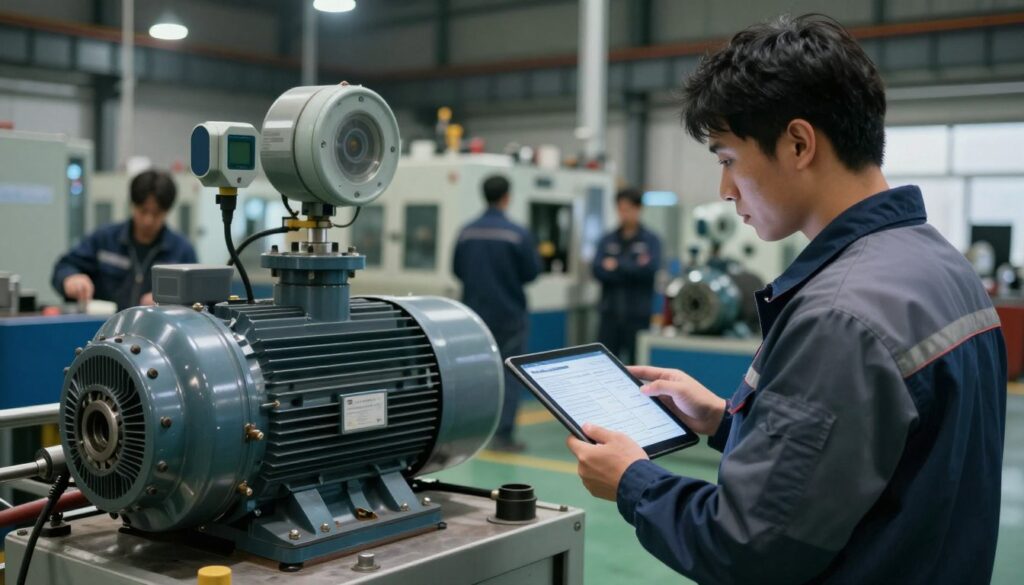
early detection of motor and bearing failures

Vibration analysis remains the most established method for detecting bearing wear. Healthy equipment shows consistent patterns while degrading components produce erratic signatures.

Temperature monitoring provides critical warnings for motor winding deterioration. Friction from worn surfaces generates measurable heat increases before visible damage occurs.

Acoustic emission sensors detect ultrasonic frequencies from material stress. This technology captures failure precursors invisible to conventional methods.

Monitoring Method Parameters Measured Early Detection Capability Primary Applications
Vibration Analysis Frequency patterns, amplitude Weeks to months Bearings, imbalance, misalignment
Temperature Monitoring Heat generation, thermal patterns Days to weeks Motor windings, lubrication issues
Acoustic Emissions Ultrasonic frequencies, sound waves Months in advance Material stress, friction events
Current Signature Electrical waveform distortions Weeks to months Motor winding imbalances, rotor defects
Lubrication Analysis Contaminants, viscosity changes Months in advance Bearing wear, system contamination

IoT-enabled systems continuously collect multi-parameter data from strategically positioned sensors. This comprehensive approach enables maintenance teams to address developing issues during planned service windows.

Avoid Unplanned Downtime with Smart Manufacturing

Modern industrial facilities are embracing intelligent technologies to transform their maintenance approaches. These advanced systems create a proactive environment where potential issues are identified long before they cause disruptions.

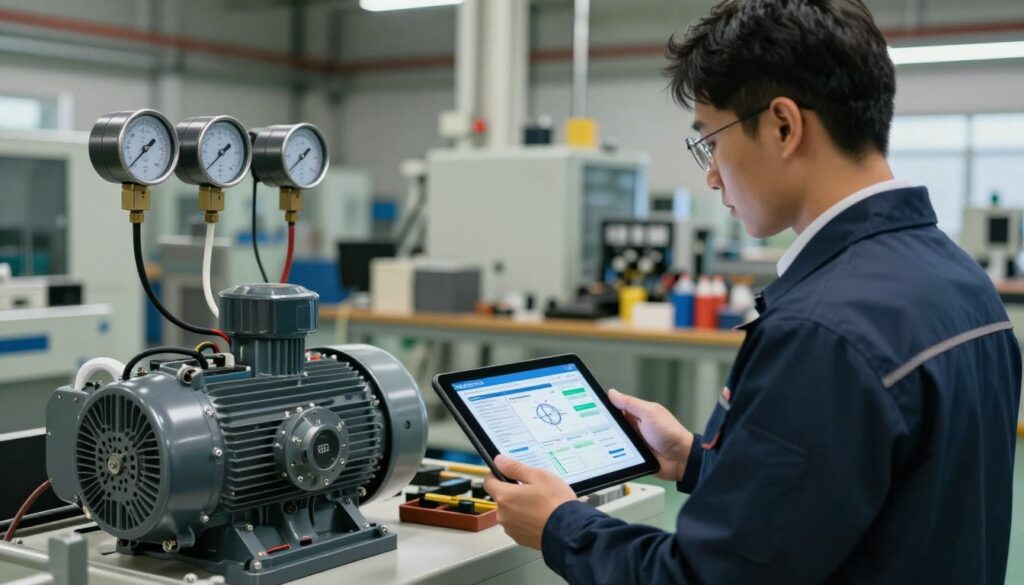
smart manufacturing systems

Connected sensor networks collect comprehensive operational data from equipment throughout the facility. Advanced analytics platforms process this information to detect subtle patterns indicating developing problems. This enables maintenance teams to schedule interventions during planned windows.

Digital twin technology creates virtual replicas of physical assets. Engineers can run simulations to understand how equipment behaves under different conditions. This predictive capability helps optimize operations and prevent unexpected failures.

Technology Component Primary Function Key Benefit
IoT Sensors Continuous equipment monitoring Real-time health assessment
Predictive Analytics Pattern recognition and forecasting Early failure detection
Digital Twins Virtual simulation and testing Risk-free scenario analysis
AI Diagnostics Automated problem identification Rapid response capability

Facilities implementing these integrated systems consistently report significant reductions in operational stoppages. The investment typically delivers measurable returns within months rather than years. This technological transformation represents a fundamental shift toward more reliable operations.

Root Cause Analysis Techniques for Failure Detection

Systematic investigation of equipment failures moves beyond simple repairs to address core problems. These analytical processes transform maintenance from reactive fixes to permanent solutions. They identify underlying causes that traditional methods often miss.

Effective analysis requires structured approaches and comprehensive data collection. Maintenance teams must document failure conditions, operating parameters, and historical patterns. This evidence-based methodology ensures accurate problem identification.

Using the 5 Whys Method

The 5 Whys technique employs iterative questioning to trace failures to their source. Teams ask “why” repeatedly until reaching fundamental issues. This simple yet powerful method reveals process gaps and system weaknesses.

For example, a bearing failure might trace back to inadequate lubrication procedures. The technique exposes hidden causes that enable failure sequences. It prevents temporary solutions that allow problems to recur.

Fishbone Diagrams and Pareto Analysis

Fishbone diagrams organize potential failure sources into categories like equipment, processes, and environment. This visual tool helps teams evaluate all contributing factors systematically. It pinpoints the most probable root causes efficiently.

Pareto analysis applies the 80/20 principle to failure data. It reveals that most production losses stem from a handful of critical issues. This prioritization helps focus resources on high-impact improvement strategies.

Analysis Technique Primary Focus Investigation Depth Team Collaboration
5 Whys Method Causal chain tracing Fundamental root causes Small team discussions
Fishbone Diagrams Category-based analysis Multiple factor evaluation Cross-functional teams
Pareto Analysis Impact prioritization Statistical pattern recognition Data analysis specialists

“Organizations that standardize root cause analysis build historical databases that reveal systemic improvement opportunities across multiple incidents.”

Implementing these techniques creates a culture of continuous improvement. Teams shift from addressing symptoms to eliminating fundamental issues. This progressive approach reduces operational disruptions significantly.

Implementing Predictive and Preventive Maintenance Strategies

Strategic maintenance planning combines traditional preventive methods with advanced predictive technologies for optimal results. These approaches work together to protect critical assets and maximize operational efficiency.

Benefits of Predictive Maintenance

Predictive maintenance represents a significant advancement over traditional approaches. It uses sensor data and analytics to forecast equipment issues before they cause disruptions.

This methodology reduces maintenance costs by eliminating unnecessary tasks. It also extends equipment lifespan through timely interventions. The system detects subtle changes in vibration, temperature, and performance patterns.

Scheduling Effective Preventive Tasks

Preventive maintenance establishes regular service schedules based on time or usage. These strategies perform routine inspections and component replacements before failures occur.

Computerized Maintenance Management Systems (CMMS) automate scheduling and tracking. They ensure technicians complete tasks on time and maintain proper documentation. This systematic approach prevents overlooked maintenance and improves accountability.

Hybrid strategies balance both methodologies for comprehensive coverage. They apply predictive monitoring to critical assets while maintaining cost-effective preventive schedules for secondary equipment.

Leveraging Data Analytics and IoT for Real-Time Monitoring

The convergence of data analytics and Internet of Things technologies creates unprecedented opportunities for continuous equipment surveillance. These advanced systems transform raw operational information into actionable intelligence for maintenance teams.

Integrating PLC, SCADA, and Sensor Data

Unified monitoring ecosystems combine information from multiple sources. Programmable Logic Controller readings provide machine control data. Supervisory Control and Data Acquisition outputs deliver process supervision details.

IoT sensor networks capture vibration, temperature, and electrical parameters continuously. This integration creates comprehensive equipment health profiles. It eliminates visibility gaps inherent in manual collection methods.

Predictive analytics algorithms process historical failure patterns alongside current conditions. They forecast equipment degradation trajectories with remarkable accuracy. This enables optimized maintenance scheduling and spare parts preparation.

Real-time monitoring capabilities detect developing problems within minutes. Automated alert systems notify personnel when parameters exceed normal ranges. Rapid response intercepts failure progressions before they escalate.

Manufacturing analytics dashboards aggregate diverse data streams into unified visual interfaces. They display real-time OEE metrics and equipment status indicators. Plant managers gain comprehensive operational awareness for informed decision-making.

Organizations report measurable improvements from these systems. They achieve significant reductions in maintenance costs and enhanced ability to meet production commitments. The investment typically delivers rapid returns through improved operational efficiency.

Digital Twins and Simulation for Equipment Reliability

Advanced digital modeling techniques provide unprecedented predictive capabilities for industrial equipment maintenance. These virtual systems create dynamic representations that mirror physical assets in real-time.

Digital twins integrate live sensor information and operational parameters to build accurate models. This enables comprehensive analysis without interrupting production workflows.

Virtual Replicas to Anticipate Failures

Virtual replicas simulate how equipment behaves under different operating conditions. Engineers run what-if scenarios to understand stress patterns and potential failures.

Continuous monitoring data feeds into these digital models, creating living simulations. This allows maintenance teams to test interventions virtually before implementation.

The technology projects equipment degradation based on current wear rates. It identifies optimal maintenance timing before actual failures occur on production machines.

Real-time monitoring integration creates feedback loops that refine model accuracy. Simulation predictions get validated against actual equipment behavior, improving forecast precision.

Manufacturers using digital twins report enhanced maintenance planning for critical machines. The virtual environment reduces trial-and-error experimentation with physical equipment.

Optimizing Inventory and Spare Parts Management

Strategic inventory control directly determines how quickly facilities can respond to unexpected equipment malfunctions. Proper spare parts availability prevents extended production halts caused by procurement delays.

Effective inventory management balances immediate availability against capital investment. This approach ensures critical components are ready when needed.

Vendor-Managed Inventory Solutions

Vendor-managed inventory programs transfer stock monitoring responsibilities to suppliers. Partners maintain agreed levels at customer facilities, reducing administrative burdens.

This collaboration ensures rapid part delivery during critical maintenance events. It streamlines the entire supply chain process.

Regular Audits to Ensure Readiness

Scheduled inventory audits verify physical stock matches system records. They assess part condition and validate shelf-life specifications.

Regular checks confirm proper organization for emergency retrieval. This systematic approach builds maintenance team confidence in parts availability.

Inventory Approach Primary Benefit Implementation Complexity Cost Impact
Vendor-Managed Reduced administrative burden Medium Lower carrying costs
Criticality-Based Focused resource allocation Low Optimized capital use
Predictive Integration Proactive part preparation High Reduced safety stock
Regular Audit System Accuracy verification Low Minimal additional cost

Plant managers report significant improvements from optimized spare parts strategies. These include reduced downtime delays and improved operational confidence.

Enhancing Workforce Training and Cross-Department Collaboration

Technical expertise and collaborative communication form the foundation of effective equipment management. A well-trained workforce represents the most valuable asset for maintaining operational continuity. Plant managers must ensure comprehensive skill development across all operational roles.

Improving Technical Skills and Communication

Targeted training programs build essential competencies for equipment operation and failure recognition. Maintenance teams gain the ability to identify developing issues during routine inspections. This knowledge empowers technicians to perform accurate first-level diagnostics.

Cross-functional collaboration breaks down organizational barriers that hinder rapid response. Establishing clear communication channels between departments improves coordination. These processes ensure critical equipment issues receive immediate attention.

Regular review meetings allow teams to analyze recent equipment events collectively. This collaborative approach enhances decision-making efficiency across the organization. Shared learning prevents recurrence of similar problems.

Investing in workforce development delivers measurable returns through improved response times. Enhanced technical skills reduce dependence on external specialists. Organizations fostering integrated teamwork achieve superior reliability outcomes.

Integrating Systems for Seamless Operations

Modern production facilities achieve peak operational efficiency through seamless integration of their core business systems. This connectivity transforms isolated software applications into unified digital ecosystems that drive continuous improvement.

Enterprise Resource Planning (ERP) and Enterprise Asset Management (EAM) platforms form the foundation of this integrated approach. When connected with monitoring software, they create automated workflows that enhance equipment reliability.

Connecting ERP, EAM, and Monitoring Platforms

These integrated systems automatically generate work orders when sensors detect abnormal equipment conditions. The software routes requests through approval workflows without manual intervention.

This connectivity provides real-time visibility across all departments. Maintenance teams receive immediate alerts when performance metrics deviate from normal ranges. The unified platform ensures everyone operates with current, consistent information.

Closed-loop feedback mechanisms capture repair details and completion times. This valuable data flows back to analytics modules for continuous learning. The integrated approach eliminates information silos that hinder effective maintenance.

Organizations report significant benefits from this connectivity. They achieve faster response times and reduced administrative burdens. The unified platform approach creates an environment where maintenance excellence becomes sustainable.

Conclusion

Forward-thinking organizations recognize that equipment reliability forms the cornerstone of sustainable production success. This strategic focus transforms maintenance from reactive fixes to proactive prevention.

The comprehensive approach integrates continuous monitoring, predictive analytics, and systematic maintenance processes. Cross-functional collaboration and workforce development strengthen this foundation.

Organizations implementing these strategies achieve measurable improvements in operational performance. They typically see significant gains in equipment effectiveness and production quality within months.

Building resilient operations requires persistent commitment to data-driven decisions and continuous improvement. This journey positions manufacturers for long-term competitiveness and growth.

FAQ

What is the primary goal of predictive maintenance in a manufacturing setting?

The main objective is to forecast equipment failures before they occur. This proactive approach uses data analytics and real-time monitoring to schedule maintenance. It directly prevents disruptive stoppages and protects production schedules.
 

How do metrics like OEE and MTTR help managers improve performance?

Overall Equipment Effectiveness (OEE) measures how well a machine operates during planned production time. Mean Time To Repair (MTTR) tracks the average duration of equipment fixes. Analyzing these metrics highlights inefficiencies and guides maintenance teams to boost productivity.
 

What role does sensor data play in avoiding machine breakdowns?

Sensors on critical equipment, like motors and bearings, continuously collect data on vibration, temperature, and performance. This information feeds into analytics platforms that detect early signs of wear. It allows for timely intervention, preventing minor issues from escalating into major failures.
 

Can integrating different software systems reduce operational downtime?

Yes. Connecting Enterprise Resource Planning (ERP) and Enterprise Asset Management (EAM) systems with monitoring platforms creates a unified view. This integration streamlines workflows, improves spare parts management, and enables faster, data-driven decisions to maintain seamless operations.


What is a digital twin and how does it enhance equipment reliability?

A digital twin is a virtual replica of a physical asset or process. It uses simulation and real-time data to model equipment behavior under various conditions. This allows manufacturers to anticipate failures, test solutions, and optimize maintenance strategies without risking actual production.


How Iottive Delivers End-to-End IIoT Solutions

1. Concept & Solution Design

Iottive works closely with plant teams, engineering leaders, and stakeholders to understand operational challenges, asset behavior, and production goals. This phase includes use-case validation, system architecture design, sensor selection, connectivity planning, and defining measurable business outcomes.


2. Engineering & System Integration

Iottive engineers industrial-grade IIoT solutions by integrating sensors, PLCs, SCADA systems, gateways, and industrial protocols such as OPC UA, Modbus, MQTT, and BLE. The focus is on reliable data acquisition, secure communication, and seamless integration with existing automation infrastructure.


3. Prototyping & Pilot Deployment

Rapid prototyping enables manufacturers to validate concepts on the shop floor before full-scale rollout. Iottive develops functional prototypes, edge analytics, dashboards, and mobile applications to test performance, data accuracy, and operational feasibility in real manufacturing environments.


4. Product Experience & Data Intelligence

Iottive designs intuitive web and mobile dashboards that provide real-time visibility into machine health, production metrics, and operational KPIs. Advanced analytics, alerts, and visualization tools empower plant teams to take proactive, data-driven decisions with minimal complexity.


5. Commercialization & Scale-Up

From MVP to enterprise deployment, Iottive supports product hardening, scalability, cloud or hybrid deployments, and long-term maintenance. Solutions are designed for multi-plant rollout, system expansion, and continuous optimization—ensuring measurable ROI and operational impact.


Why Manufacturers Choose Iottive

  • Proven experience in Industrial Automation & IIoT
  • Strong understanding of real shop-floor challenges
  • Seamless integration with existing PLC/SCADA systems
  • Scalable, secure, and production-ready architectures
  • Focus on business outcomes, not just technology

📧 Contact Email: sales@iottive.com