IMoT Powered Intelligent Monitoring of Patient Vitals & SOS Alerts for Smart Hospitals

Imagine a nurse receiving an instant notification about a patient’s irregular heartbeat while they sleep. Across town, a doctor reviews live updates from a wearable device, adjusting treatment plans before symptoms worsen. This isn’t science fiction—it’s the reality of modern healthcare powered by connected technology.

Intelligent Vitals Monitoring & SOS Alerts in Smart Hospitals

Hospitals now use advanced devices to track every heartbeat, breath, and movement. These tools send critical data directly to medical teams, enabling faster decisions. For example, a diabetic patient’s glucose monitor can alert staff hours before a crisis occurs. This shift from reactive to proactive care saves lives daily.

These innovations create safer environments by linking systems across facilities. When emergencies happen, automated alerts trigger immediate responses. Staff coordinate seamlessly, reducing delays. The result? Better outcomes and shorter recovery times.

Key Takeaways

  • Connected devices enable 24/7 tracking of critical health metrics
  • Instant alerts help medical teams respond to emergencies faster
  • Automated data sharing improves coordination between care providers
  • Proactive approaches reduce hospital readmissions and complications
  • Integrated technology enhances safety for high-risk patients

Overview of Smart Hospital Innovations

The fusion of IoT and artificial intelligence drives healthcare’s next evolution. Medical centers now combine real-time data streams with predictive analytics to anticipate needs before they arise. This shift transforms how professionals manage chronic conditions and emergency situations alike.

Intelligent Vitals Monitoring & SOS Alerts in Smart Hospitals

  • Cloud-connected sensors collecting 150+ health metrics per patient
  • Machine learning models analyzing patterns across millions of cases
  • Centralized dashboards updating care teams every 90 seconds

“We’ve moved from paper charts to living systems that learn,” notes Dr. Emily Torres, a digital health strategist. Her team reduced medication errors by 40% using automated cross-checks between pharmacy databases and wearable device data.

These innovations create ecosystems where information flows between departments effortlessly. Emergency rooms access ICU bed availability instantly. Pharmacies receive automatic refill requests when smart pill dispensers detect low supplies. The result? Faster decisions and reduced administrative burdens.

Modern facilities prioritize interconnected design from the ground up. Wireless networks support 10,000+ devices simultaneously. Secure data highways let MRI machines share results with surgeons’ tablets in under 3 seconds. This infrastructure makes responsive, patient-centered healthcare possible at scale.

Advanced IoT and Sensor Technologies in Smart Hospitals

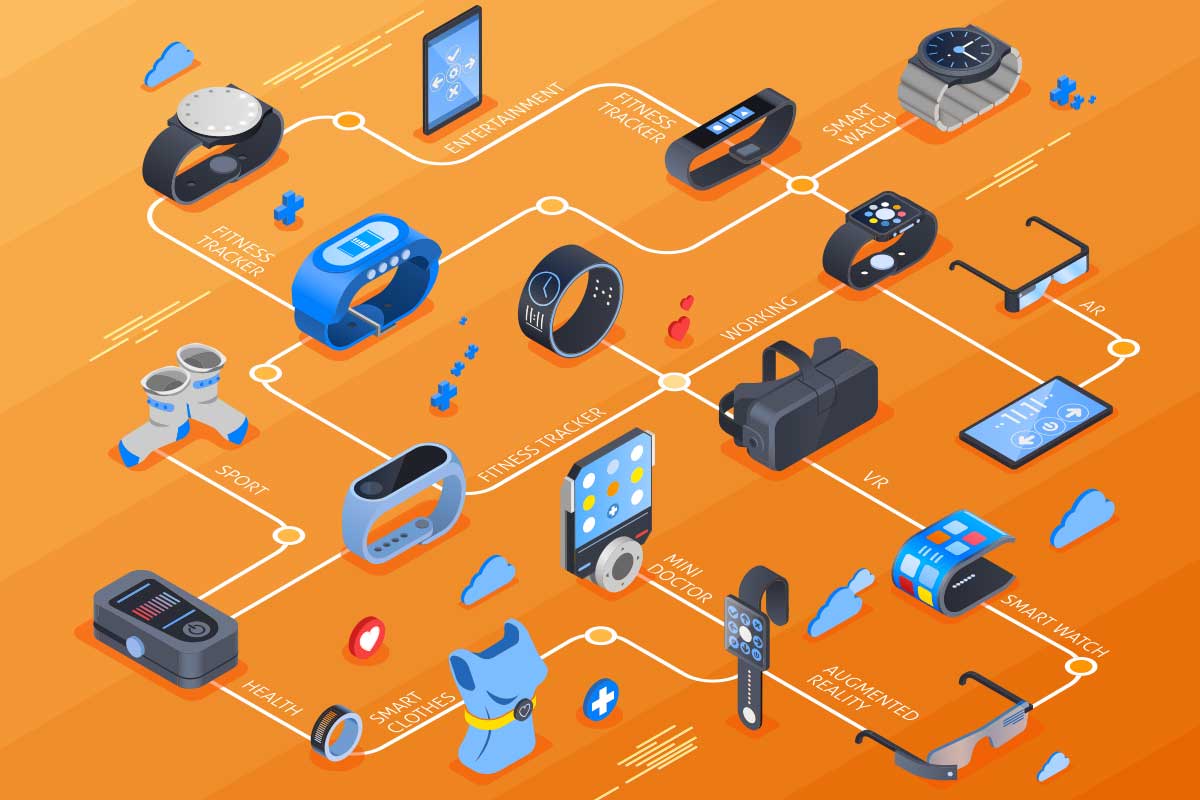
Hospital equipment now communicates like never before. Connected tools collect data through skin-contact sensors and environment scanners. This constant stream of information flows to centralized systems, creating live health maps for every individual.

Wearable patient monitoring devices with advanced IOTTIVE sensors, showcasing a seamless integration of cutting-edge IoT technology for smart hospitals. Sleek, ergonomic devices worn comfortably on the body, equipped with state-of-the-art biometric sensors to continuously track vital signs. The devices are bathed in a soft, ambient glow, creating a calming, futuristic atmosphere. Strategically positioned cameras and lenses capture the devices from multiple angles, highlighting their sophisticated design and functionality. The overall scene conveys a sense of innovation and commitment to improving patient care through the latest advancements in medical IoT.

Wearable Sensors and Monitoring Devices

Thin wristbands track pulse patterns while patients move freely. The Reach Wrist Band stands out by sensing sudden drops in elevation—a potential fall. It sends location-specific alerts to nurses’ stations within 0.8 seconds. Rings with optical sensors measure blood oxygen during sleep without wires.

These discreet devices gather 18+ metrics hourly. They spot subtle changes like irregular breathing rhythms during physiotherapy. Custom thresholds trigger notifications when readings deviate from baselines. Staff intervene before minor issues escalate.

Smart Beds and Accessories

Centrella Smart+ Beds demonstrate how furniture becomes diagnostic tools. Pressure mats detect restlessness patterns linked to pain. Built-in scales track weight fluctuations between nurse visits. Motion lights activate when patients attempt to rise unsupervised.

Integrated sensors under mattresses monitor chest movements for respiration rates. Coupled with bedside monitors, they create redundant data streams. This dual-layer approach reduces false alarms by 63% in recent trials. Teams receive verified alerts through encrypted channels.

The Impact of Real-Time Monitoring on Patient Outcomes

When a cardiac unit at Johns Hopkins Hospital implemented live tracking tools, mortality rates dropped by 18% in six months. This demonstrates how real-time monitoring transforms care delivery. Continuous analysis of heart rhythms, oxygen levels, and respiratory rates allows teams to intercept crises before they escalate.


Modern platforms process 120+ health metrics per minute. Algorithms compare current readings against historical data, flagging deviations instantly. A 2023 UCLA study found these systems reduce medication errors by 33% compared to manual checks.

Metric Traditional Care Real-Time Systems
Response Time 22 minutes 98 seconds
Data Points/Hour 4 86
Error Rate 9.1% 2.4%
Readmissions 17% 6%

These tools excel in managing chronic conditions. Diabetic patients using glucose trackers with live alerts experienced 41% fewer emergencies. “The system caught my blood sugar drop while I slept,” shares Marcus Green, a user from Chicago. “Nurses arrived before I felt symptoms.”

Proactive approaches also reduce recovery times. Surgeons at Mayo Clinic adjusted post-op protocols using movement data from smart bandages. Patients regained mobility 25% faster than control groups.

By identifying trends across populations, healthcare providers develop targeted prevention strategies. Health networks using predictive models reduced pneumonia complications by 29% last year. This shift from generalized to precision care marks a new era in treatment effectiveness.

Intelligent Vitals Monitoring & SOS Alerts in Smart Hospitals

A physician receives a vibration alert on their smartwatch during morning rounds. The notification shows a 72-year-old’s blood pressure spiking dangerously in Ward 4B. This instant connection between patient and provider exemplifies modern care networks.

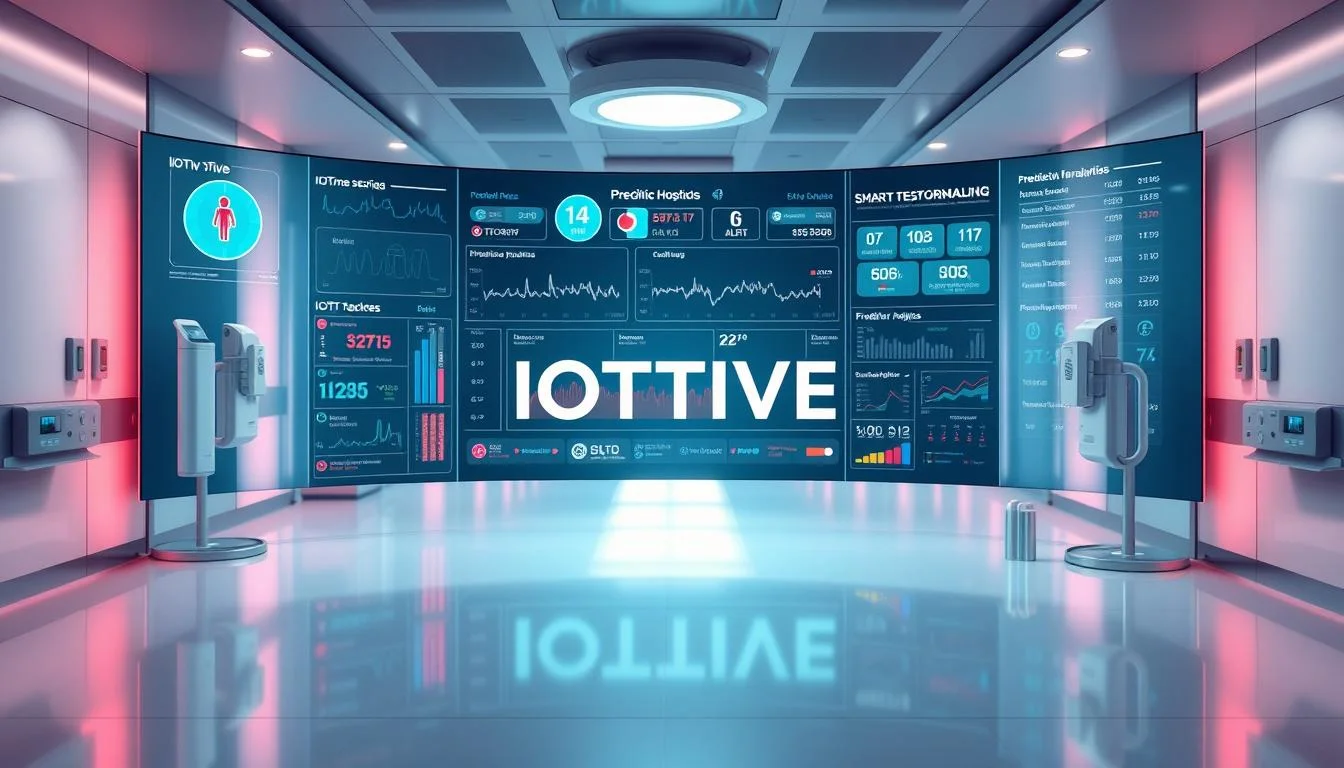
A state-of-the-art IOTTIVE emergency response system, integrated with smart hospital infrastructure, monitors patient vitals and SOS alerts in real-time. A sleek, minimalist control panel displays critical data, with holographic status indicators and intuitive touch interfaces. Ambient blue lighting creates a calming, futuristic atmosphere, while sophisticated sensors and IoT connectivity power rapid, automated emergency response. Crisp, high-resolution renders of the system's advanced hardware and software components fill the foreground, set against a backdrop of a smartly-lit, technology-infused hospital ward.

Advanced sensor arrays track 15+ biomarkers simultaneously. Chest patches measure respiratory depth. Finger clips record oxygen saturation every 12 seconds. “Our systems detect changes three hours faster than manual checks,” explains Dr. Linda Carter from Massachusetts General Hospital.

Machine learning filters routine fluctuations from critical patterns. A 2024 Stanford study found these algorithms reduce unnecessary alerts by 58% while maintaining 99.7% emergency detection accuracy. Custom thresholds adapt to individual histories – diabetic patients get tighter glucose monitoring ranges.

When emergencies occur, encrypted protocols activate response chains. Alerts route to:

  • Nearest available nurses via mobile badges
  • Central command centers with live floor maps
  • Specialist physicians based on condition type

Location beacons guide teams through corridors using AR overlays. This integration cut response times by 41% at New York-Presbyterian last year. Real-time data sharing lets providers review trends en route, preparing targeted interventions before arrival.

Continuous innovation refines these systems. Next-gen sensors now predict falls through gait analysis. Thermal imaging spots infections before fevers develop. As healthcare evolves, seamless tech partnerships keep patients safer at every stage.

Key Benefits for Healthcare Providers and Patients

A hospital administrator reviews monthly reports showing a 30% drop in supply waste after implementing connected systems. This efficiency gain illustrates how modern facilities benefit both staff and those receiving treatment. Automated tools handle repetitive tasks like medication logs, freeing nurses for complex care decisions.

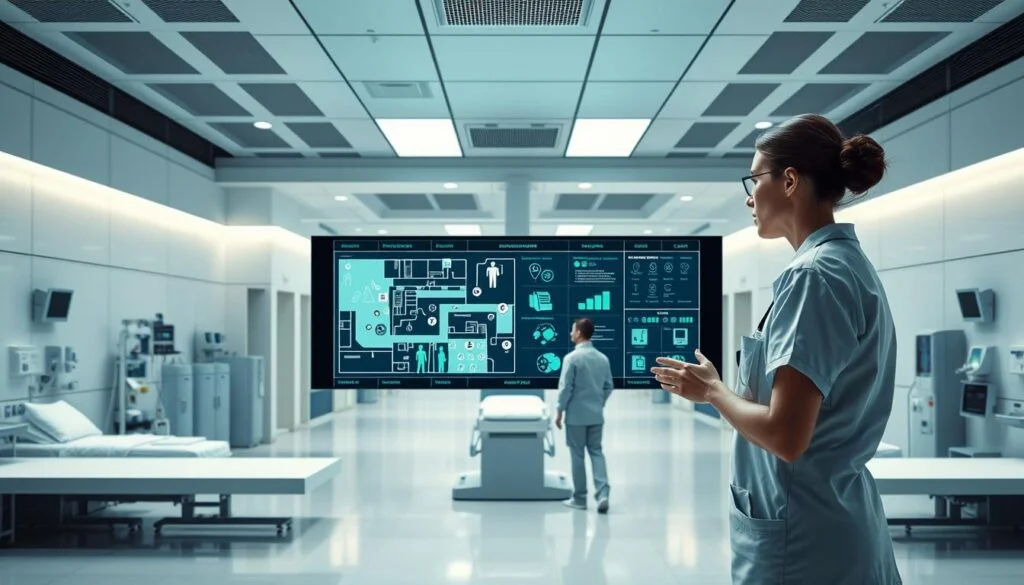
A pristine hospital ward, bathed in soft, diffused light. In the foreground, a holographic dashboard displays a seamless flow of real-time healthcare efficiency metrics, powered by the IOTTIVE platform. Sleek, minimalist interfaces show key performance indicators, patient vitals, and automated SOS alerts. The middle ground features state-of-the-art medical equipment, gleaming with a sense of advanced technology. In the background, a panoramic view of the bustling smart hospital, where patients and providers move with purpose and efficiency. The overall atmosphere conveys a sense of innovative, data-driven healthcare, where technology enhances the delivery of care.

For healthcare providers, real-time data streams optimize bed rotations and equipment use. Predictive algorithms flag inventory shortages before they disrupt operations. One Chicago medical center reduced overtime costs by 22% using staff allocation models powered by live patient flow analytics.

Patients gain safer environments through constant tracking of critical metrics. A study in JAMA Network Open found continuous health observation cuts emergency response delays by 41%. “My team intervenes while issues are still manageable,” notes ICU director Dr. Rachel Nguyen. “Preventive approaches improve recovery speeds dramatically.”

Key advantages include:

  • 28% fewer paperwork errors in medication administration
  • 15-second average alert-to-response times for critical events
  • 19% higher satisfaction scores from personalized treatment plans

These systems create lasting improvements in healthcare quality. Remote tracking enables early discharge for stable cases, reducing readmission risks. Providers reinvest saved resources into staff training and advanced therapies, creating a cycle of enhanced care standards.

Critical IoT Devices for Patient Monitoring and SOS Alerting

A nurse adjusts an IV drip remotely as sensors detect irregular breathing patterns three rooms away. Modern healthcare relies on specialized tools that work silently but effectively. These devices form an invisible safety net, blending into hospital environments while delivering life-saving insights.

Smart IV pumps revolutionize medication delivery. Built-in drug libraries calculate precise dosages based on patient weight and condition. “Our systems flag dosage errors before they reach the bedside,” explains Maria Chen, a medical director at Cedars-Sinai. These equipment updates flow rates automatically when data from wearables indicates changing needs.

Imaging systems now share scans globally in seconds. MRI machines enhanced with AI reduce scan times by 25% while maintaining clarity. Radiologists review X-rays from home offices through secure cloud platforms. “Our cloud-based imaging systems cut diagnosis time by 40%,” notes Chen.

Essential monitoring tools include:

  • Wristbands tracking 12+ biomarkers during patient movement
  • Bed sensors detecting micro-changes in respiratory patterns
  • Wall-mounted air quality monitors adjusting ventilation automatically

Security sensors protect both people and assets. Access controls limit entry to authorized staff while tracking equipment locations. Thermal cameras identify fevers before patients report symptoms. These systems operate discreetly, ensuring safety without disrupting care workflows.

By integrating diverse IoT devices, medical teams gain 360-degree visibility. Real-time data flows from infusion pumps to emergency dashboards seamlessly. This connectivity allows healthcare providers to anticipate needs rather than react to crises.

Security and Vulnerability Best Practices for IoT in Healthcare

Medical devices transmitted 1.5 million unencrypted data packets daily at a Boston hospital before engineers discovered exposed login details. This incident highlights the urgent need for robust security protocols in connected healthcare environments.

Addressing Hardcoded Credentials

Default passwords in infusion pumps and imaging devices create easy entry points for attackers. The CVE-2022-22765 breach proved unchanged factory settings could expose patient information. Regular credential updates and multi-factor authentication reduce these risks significantly.

Ensuring Data Encryption and Compliance

Unprotected network communications allow interception of sensitive records. AES-256 encryption for data in transit and at rest meets HIPAA requirements. “Encryption isn’t optional—it’s the foundation of patient trust,” states cybersecurity expert Dr. Alan Weiss.

Vulnerability Impact Solution
Hardcoded Logins Unauthorized access Biometric authentication
Unencrypted Feeds Data interception TLS 1.3 protocols
SQL Injection Database breaches Input validation checks

Medical facilities must implement layered defenses. Automated systems now scan for vulnerabilities during device setup. Regular firmware updates patch exploits before they’re weaponized. These measures protect both healthcare providers and patients from evolving digital threats.

Integrating AI, Machine Learning, and Data Analytics in Smart Hospitals

A cardiologist reviews a 3D heart model generated by algorithms analyzing 18,000 similar cases. This precision exemplifies how modern facilities combine data streams with cognitive computing. Advanced analytics transform raw numbers into actionable insights, powering decisions that once required days of manual review.

Enhancing Diagnostic Accuracy

Machine vision now detects tumors in CT scans with 94% accuracy – outperforming human radiologists in specific applications. At Cleveland Clinic, AI models cross-reference genetic information with treatment outcomes to suggest personalized therapies. These systems learn from millions of cases, spotting patterns invisible to the human eye.

Optimizing Operational Efficiency

Predictive analytics reduce equipment downtime by forecasting MRI maintenance needs 72 hours in advance. One Texas hospital network cut emergency room wait times by 33% using patient flow models. Staff schedules now adapt dynamically based on real-time health metrics from monitoring devices.

The fusion of machine learning with healthcare workflows creates safer environments through error reduction. Pharmacy robots guided by AI dispense medications with 99.99% accuracy. As data-driven tools evolve, they redefine excellence in patient care while streamlining complex operations.

FAQ

How do IoT devices improve patient care in hospitals?

IoT devices like Philips HealthSuite-enabled wearables and Medtronic sensors enable continuous tracking of vital signs, such as heart rate and oxygen levels. This real-time data sharing with electronic medical records helps healthcare providers respond faster to critical changes, improving treatment accuracy.

What role do smart beds play in modern hospitals?

Stryker’s smart beds use embedded sensors to monitor patient movement, weight distribution, and posture. These systems alert staff about fall risks or bedsores while integrating data into platforms like Epic EHR for proactive care management.

How does real-time monitoring reduce hospital readmissions?

Systems like GE Healthcare’s CARESCAPE provide analytics on trends such as blood pressure or glucose levels. Early detection of anomalies allows timely interventions, reducing complications and readmission rates through personalized treatment plans.

What security measures protect IoT medical devices?

Cisco’s healthcare networks use AES-256 encryption for data transmission. Regular audits address hardcoded credentials, while platforms like Microsoft Azure IoT Hub ensure HIPAA-compliant access controls to safeguard patient information from breaches.

Can AI improve diagnostic processes in smart hospitals?

IBM Watson Health uses machine learning to analyze medical records and sensor data, identifying patterns humans might miss. This enhances diagnostic accuracy for conditions like sepsis, enabling faster, data-driven decisions during emergencies.

How do wearable devices streamline emergency alerts?

Apple Watch’s SOS feature and BioIntelliSense’s BioSticker track falls or irregular vitals. These devices trigger instant alerts to platforms like RapidSOS, ensuring rapid response teams can locate and assist patients within critical timeframes.

What infrastructure supports IoT integration in hospitals?

Siemens Healthineers offers scalable solutions combining edge computing and 5G connectivity. This infrastructure ensures seamless communication between devices, EHRs like Cerner, and staff, minimizing delays in care delivery.

Let’s Get Started

Why Every Smart Hospital Needs a Real-Time Asset Tracking System

Hospitals manage thousands of medical devices daily, making asset management challenging. The complexity of hospital operations leads to inefficiencies and lost equipment, resulting in financial losses of about $4,000 per bed annually. In today’s digital age, smart technologies and IoT solutions, including advanced Asset Tracking systems, IoT, Sensors, are transforming asset tracking in a Smart Hospital environment, allowing smart hospitals to monitor equipment in real-time and improve operational efficiency through effective App Development that supports Real Time Reports.
Real-Time Asset Tracking in Hospitals System
The introduction of real-time asset tracking systems has been a game-changer, providing immediate visibility into equipment location, usage, and maintenance status. This not only reduces the incidence of lost or stolen equipment but also improves utilization and maintenance, ultimately leading to enhanced patient care and significant cost savings.

Key Takeaways

  • Hospitals face significant challenges in managing their assets manually, leading to inefficiencies and financial losses.
  • Real-time asset tracking systems offer a transformative solution by providing immediate visibility into medical assets and equipment.
  • The implementation of such asset tracking software can lead to improved inventory management and enhanced patient care.
  • Significant cost savings can be achieved through reduced loss and improved maintenance of hospital assets.
  • Adopting real-time asset tracking is crucial for hospitals aiming to leverage technology for operational efficiency.

The Critical Role of Asset Management in Modern Healthcare

In today’s healthcare landscape, asset management plays a vital role in ensuring quality patient care. Effective asset management enables hospitals to optimize the use of their equipment and resources, leading to improved operational efficiency and reduced costs.

The Scale of Hospital Asset Management Challenges

Hospitals face significant challenges in managing their assets, with the average hospital losing around $4,000 worth of equipment per bed annually in the US due to theft or loss. This not only results in substantial financial losses but also impacts patient care and satisfaction. The lack of effective asset tracking systems, including IoT solutions and real-time report capabilities, leads to equipment hoarding, unnecessary purchases, and maintenance inefficiencies, highlighting the need for a robust asset control management system.

Financial Impact of Poor Asset Tracking

Poor asset tracking has a direct and significant impact on hospital budgets. The financial losses due to lost or stolen equipment are substantial, with UK businesses losing £98.6 billion annually due to tracking mistakes. In hospitals, this translates to unnecessary duplicate purchases, operational disruptions, and poor asset utilization rates, ultimately affecting the return on investment for expensive medical equipment. Implementing advanced asset tracking solutions, including IoT sensors and real-time report capabilities, is essential for transforming hospitals into smart hospitals.

Financial Impact Description Estimated Cost
Lost/Stolen Equipment Equipment lost or stolen due to poor tracking $4,000 per bed annually
Duplicate Purchases Unnecessary purchases due to a lack of tracking Variable
Operational Disruptions Disruptions caused by unavailable equipment Variable

The financial implications of poor asset tracking are far-reaching, affecting not only the hospital’s bottom line but also its ability to provide quality patient care. Implementing a comprehensive asset tracking system can help mitigate these challenges and improve overall operational efficiency.

Understanding Real-Time Asset Tracking Systems for Smart Hospitals

Real-time asset tracking systems are revolutionizing the way hospitals manage their assets, ensuring that critical equipment is always available when needed. These systems utilize advanced technologies to provide hospitals with the ability to monitor and manage their assets more effectively.
Smart IoT Mobile Application Solution For Healthcare

Core Components of Hospital Asset Tracking Solutions

Hospital asset-tracking solutions rely on several core components to function effectively. These include IoT devices that connect via various networks such as LoRaWAN, Wi-Fi, or cellular, providing real-time updates on asset locations. The choice of network depends on the hospital’s specific needs, with LoRaWAN being particularly suitable due to its extensive coverage, low power consumption, and high security.
The use of RFID technology is also crucial, offering advantages over traditional barcode systems, including the ability to read multiple tags simultaneously and not requiring line-of-sight. RFID tags can be passive or active, with the latter providing longer read ranges and often used for tracking high-value or critical assets.

IoT and RFID Technology in Healthcare Asset Management

The integration of IoT and RFID technology has transformed healthcare asset management. IoT enables the connection of various devices, allowing for real-time monitoring of assets, including their location, condition, and utilization. RFID technology complements IoT by providing the identification and tracking capabilities necessary for asset management.
A notable example is a hospital in Turkey that successfully implemented RFID and IoT solutions to track over 200,000 items, significantly improving their ability to locate equipment quickly. This not only enhances operational efficiency but also ensures that patients receive the care they need promptly.

How Asset Tracking Technology Transforms Hospital Operations

The integration of asset tracking technology is revolutionizing hospital operations by enhancing efficiency and reducing costs. By leveraging advanced tracking systems, hospitals can optimize their resources, streamline processes, and improve patient care. This transformation is driven by the need for more efficient and effective management of hospital assets.

Creating a Connected Healthcare Environment

A connected healthcare environment is crucial for efficient hospital operations. Asset tracking technology enables hospitals to create a network of interconnected devices and assets, allowing for real-time monitoring and management. This connectivity is essential for optimizing equipment utilization and reducing downtime.
By implementing asset tracking solutions, hospitals can gain real-time insights into their operations, enabling data-driven decision-making. This connected environment also facilitates better communication among staff, improving collaboration and patient care.

Real-Time Location Systems (RTLS) Implementation

Real-Time Location Systems (RTLS) are a critical component of asset tracking technology in hospitals. RTLS enables the continuous tracking and monitoring of assets, personnel, and patients. The implementation of RTLS involves several key considerations, including infrastructure requirements, tag selection, and integration with existing hospital systems.
The following table illustrates the different location technologies used in RTLS and their applications within hospital areas:

Location Technology Application Hospital Area
Infrared Asset tracking, patient monitoring ICU, patient rooms
Ultrasound Asset tracking, staff tracking Operating rooms, wards
BLE (Bluetooth Low Energy) Asset tracking, patient monitoring Emergency department, patient rooms
Wi-Fi Asset tracking, staff tracking Hospital-wide, wards

As shown in the table, different location technologies are suited for various applications within hospital areas. The choice of technology depends on the specific needs of the hospital and the requirements of the RTLS implementation.

Key Benefits of Implementing Asset Tracking in Healthcare Facilities

Implementing asset tracking in healthcare facilities revolutionizes the way hospitals manage their resources. By utilizing real-time location systems and RFID technology, hospitals can significantly enhance their operational efficiency and patient care services.

Improved Inventory Management and Resource Utilization

Asset tracking enables hospitals to maintain accurate inventory levels, reducing the likelihood of equipment loss and minimizing the time spent searching for misplaced items. Nurses can save up to 72 minutes per shift by having quick access to necessary equipment, allowing them to focus more on patient care.
A study on hospital asset management revealed that effective tracking systems lead to better resource utilization, ensuring that equipment is used optimally across different departments.

Benefits Pre-Implementation Post-Implementation
Time spent searching for equipment 72 minutes/shift 0 minutes/shift
Equipment loss High Low
Staff satisfaction Low High

Enhanced Patient Care and Safety

By streamlining equipment management, hospitals can improve patient care and safety. Real-time tracking ensures that critical equipment is always available and in good working condition, reducing the risk of adverse events.
Moreover, asset tracking facilitates the maintenance of medical equipment, ensuring that it is properly calibrated and inspected regularly, thus enhancing patient safety.

Operational Efficiency and Time Savings

The implementation of asset tracking systems leads to significant operational efficiency and time savings. Automated workflows replace manual processes for equipment requests, transfers, and maintenance scheduling, reducing the administrative burden on hospital staff.
Operational data generated by tracking systems helps identify and eliminate bottlenecks in hospital workflows, further improving efficiency. As a result, hospitals can treat more patients with the same resources, enhancing their overall operational capacity.

Financial ROI of Smart Hospital Asset Tracking Systems

Real-Time Asset Tracking System in Smart Hospital
Smart hospital asset tracking systems offer a substantial return on investment through various cost-saving measures. By implementing real-time tracking technology, hospitals can significantly reduce operational costs and improve resource optimization.

Cost Reduction Through Loss Prevention

One of the main financial advantages of asset tracking is lowering losses caused by misplaced or stolen equipment. By monitoring assets in real-time, hospitals can avoid unnecessary costs on replacements, thus cutting overall expenses.
This proactive approach not only helps in tracking the location of each piece of equipment but also enables healthcare facilities to quickly identify and recover lost items, minimizing downtime. Furthermore, the integration of asset tracking systems can lead to enhanced accountability among staff, as they become more aware of the importance of safeguarding valuable medical equipment. This cultural shift towards responsibility further contributes to reducing losses and ensuring that resources are utilized efficiently.

Long-term Financial Benefits and Resource Optimization

Beyond immediate loss prevention, asset tracking provides long-term financial benefits, including optimized procurement, extended equipment lifecycles, and reduced maintenance costs. Utilization data enables hospitals to right-size their equipment inventory, avoiding unnecessary capital expenditures on underutilized equipment. Predictive maintenance capabilities reduce repair costs and extend the lifespan of expensive medical devices, maximizing the return on investment in asset tracking technology.
By optimizing resource utilization, hospitals can improve operational capacity, allowing them to serve more patients without proportional increases in equipment investment. This creates a compelling financial case for sustained investment in asset tracking solutions.

Real-World Applications of Asset Tracking in Smart Hospitals

Real-time asset tracking is becoming a cornerstone in modern hospitals, optimizing operations and elevating the quality of care. By implementing advanced tracking systems, hospitals can significantly improve their management of medical equipment, streamline patient flow, and enhance staff efficiency.

Medical Equipment Tracking and Maintenance

One of the primary applications of asset tracking in hospitals is the management of medical equipment. With the use of RFID and IoT technologies, hospitals can monitor the location and status of their equipment in real-time. This not only reduces the time spent searching for equipment but also ensures that all devices are properly maintained. According to research, hospital staff spend an average of 72 minutes per shift searching for medical equipment, diverting attention from patient care. By implementing asset tracking, hospitals can minimize this time waste.
“The use of RFID technology has transformed our equipment management process, allowing us to focus more on patient care rather than searching for equipment.” – A statement that reflects the experience of many hospitals that have adopted asset tracking solutions.

Patient Flow Optimization and Bed Management

Asset tracking also plays a crucial role in optimizing patient flow and bed management within hospitals. By tracking the location of patients, beds, and equipment, hospitals can streamline the admission, transfer, and discharge processes. This leads to reduced wait times, improved patient satisfaction, and more efficient use of hospital resources.
hospital asset tracking

Staff Efficiency and Workflow Improvements

Asset tracking directly improves staff efficiency by eliminating time-consuming searches and streamlining workflows. Real-time equipment location reduces nurse walking time and frustration, allowing more time for direct patient care activities. Moreover, tracking data helps optimize staff deployment by identifying peak usage times and areas for different equipment types. Automated workflows replace manual processes for equipment requests, cleaning verification, and transport coordination, further enhancing staff productivity.
For instance, by analyzing tracking data, hospitals can identify patterns in equipment usage and adjust their staffing accordingly. This not only improves operational efficiency but also enhances patient care by ensuring that staff are available when and where they are needed most.
In conclusion, the real-world applications of asset tracking in smart hospitals are multifaceted, ranging from medical equipment tracking and maintenance to patient flow optimization and staff efficiency improvements. As hospitals continue to adopt and refine these technologies, they can expect to see significant improvements in their operations and the quality of care they provide.

Specialized Use Cases for Hospital Asset Tracking

Specialized asset tracking use cases are emerging as a critical component in modern hospital operations. As healthcare facilities continue to adopt advanced tracking technologies, new applications are being discovered that enhance patient care, improve operational efficiency, and reduce costs.

Temperature-Sensitive Medication and Vaccine Monitoring

One of the critical use cases for asset tracking in hospitals is monitoring temperature-sensitive medications and vaccines. By utilizing temperature sensors integrated with RFID tags, hospitals can ensure that these critical assets remain within the required temperature range during storage and transportation. This not only helps in maintaining the efficacy of the medications but also aids in compliance with regulatory requirements.

Emergency Vehicle and Equipment Tracking

Asset tracking systems are also being used to monitor emergency vehicles and equipment. This includes tracking the location and status of ambulances, emergency response vehicles, and critical equipment such as defibrillators and ventilators. By ensuring that these assets are readily available and properly maintained, hospitals can improve response times and enhance patient care in emergencies.

High-Value Asset Security and Anti-Theft Measures

High-value asset security is another crucial application of asset tracking in hospitals. By implementing advanced tracking systems, hospitals can significantly reduce the risk of theft and loss of valuable equipment. For instance, geofencing capabilities can be used to create virtual boundaries around specific areas, triggering alerts if valuable assets are moved outside these areas. This not only deters theft but also aids in the recovery of stolen assets.

Use Case Benefits Technology Used
Temperature-Sensitive Medication Monitoring Ensures medication efficacy, regulatory compliance RFID, Temperature Sensors
Emergency Vehicle and Equipment Tracking Improves response times, enhances patient care GPS, RFID
High-Value Asset Security Reduces theft, aids in asset recovery Geofencing, RFID

By adopting these specialized asset tracking use cases, hospitals can not only improve their operational efficiency but also enhance patient care and reduce costs associated with lost or stolen assets.

Overcoming Common Healthcare Asset Management Challenges

Asset tracking technology plays a vital role in resolving common healthcare asset management issues. Hospitals face numerous challenges in managing their assets effectively, from equipment theft and loss to maintenance and regulatory compliance. A robust asset tracking system can help mitigate these challenges.
asset tracking system

Addressing Equipment Theft and Loss

Equipment theft and loss are significant concerns for healthcare facilities. Implementing an asset tracking system helps hospitals monitor the location and status of their assets in real-time, reducing the risk of theft and loss. This not only saves costs but also ensures that critical equipment is available when needed.

Streamlining Maintenance and Repair Processes

Regular maintenance is crucial for ensuring that medical equipment functions properly. An asset tracking system automates maintenance scheduling and tracking, making it easier for hospitals to keep their equipment in good working order. This leads to improved patient care and reduced downtime.

Ensuring Regulatory Compliance and Reporting

Regulatory compliance is a significant challenge for healthcare organizations. Asset tracking systems simplify compliance by automating documentation of equipment location, maintenance, and usage. This supports specific healthcare regulations, including Joint Commission requirements and FDA regulations for medical devices. Automated reporting capabilities reduce the administrative burden while improving accuracy.

  • Automated documentation of equipment maintenance and usage supports regulatory compliance.
  • Tracking data provides an audit trail that demonstrates due diligence during regulatory inspections.
  • Hospitals have used tracking systems to streamline accreditation processes and reduce compliance-related citations.

By addressing these common challenges, hospitals can improve their asset management practices, leading to better patient care and operational efficiency.

Integration Capabilities with Existing Hospital Systems

Smart Hospital Asset Tracking System.
Asset tracking systems that integrate with hospital management software are revolutionizing healthcare operations. By connecting with existing systems, these tracking solutions enable hospitals to optimize their asset utilization and streamline operations.

Connecting with Electronic Health Records (EHR)

One of the critical integrations for asset tracking systems is with Electronic Health Records (EHR). This connection allows for the seamless exchange of data between patient records and asset information, enhancing the overall efficiency of hospital operations. By integrating with EHR systems, hospitals can ensure that patient care is not delayed due to equipment unavailability.

Compatibility with Hospital Management Software

The compatibility of asset tracking systems with hospital management software is crucial for comprehensive asset lifecycle management. This integration enables automated reordering, optimized stock levels, and a closed-loop process for equipment repairs and preventive maintenance. When evaluating asset tracking solutions, hospitals should consider their compatibility with commonly used hospital management software platforms.
By integrating asset tracking with broader hospital management platforms, including facilities management, inventory control, and financial systems, hospitals can make better decisions and use resources more effectively. This integration enables comprehensive asset lifecycle management from procurement through retirement, with complete financial tracking.

Selecting the Right Asset Tracking Solution for Your Healthcare Face

As healthcare facilities evolve, the need for a sophisticated and adaptable asset tracking solution becomes increasingly important. Selecting the right system is crucial for enhancing operational efficiency, improving patient care, and reducing costs.

Key Features to Look for in Hospital Asset Tracking Systems

When evaluating asset tracking solutions, several key features should be considered. Real-time tracking capabilities are essential for monitoring the location and status of assets across the facility. Integration with existing systems, such as Electronic Health Records (EHRs) and Enterprise Resource Planning (ERP) software, is also vital for seamless operations. Additionally, a user-friendly interface and robust reporting tools can significantly enhance the usability of the system.

Scalability and Future-Proofing Considerations

It’s crucial to choose an asset tracking system that can grow with your hospital. A scalable architecture ensures that the system can accommodate an increasing number of tracked assets, users, and locations without compromising performance. Modular solutions that allow for the addition of advanced features, such as predictive maintenance and patient flow optimization, as needs evolve, are particularly valuable. When assessing vendors, consider their commitment to ongoing development and their ability to incorporate emerging technologies like artificial intelligence and machine learning into their solutions.
To ensure future-proofing, look for systems with open APIs and standards compliance. Evaluating a vendor’s innovation roadmap can provide insights into their ability to adapt to future healthcare needs. By choosing a system that is both scalable and forward-thinking, healthcare facilities can avoid the need for costly overhauls and ensure that their asset tracking solution continues to meet their evolving needs.

Implementation Best Practices for Hospital Asset Tracking

A well-planned implementation is key to the success of hospital asset tracking systems. To ensure a smooth transition, hospitals must consider several critical factors, including staff adoption and effective use of the new system.

Phased Deployment Strategies

Implementing a hospital asset tracking system in phases can help minimize disruptions and allow staff to gradually adapt to the new technology. This approach enables hospitals to test and refine their processes, ensuring a more successful rollout. By prioritizing high-value or critical assets, hospitals can maximize the benefits of their asset tracking system from the outset.

Staff Training and Change Management

Staff training is crucial for the successful adoption of any new system. Hospitals should develop role-specific training programs that focus on the benefits and functionality most relevant to each user group. Effective change management strategies, including clear communication and ongoing support, can help address resistance and build enthusiasm for the new tracking capabilities. Identifying and empowering champions within different departments can also provide valuable support and feedback to the implementation team.
As the saying goes, “You can’t manage what you can’t measure.” Effective asset tracking implementation requires a deep understanding of how staff interact with the system. “How easy your staff finds the system to use is key to its success,” emphasizing the need for intuitive and user-friendly technology.

Conclusion: The Future of Smart Hospitals with Real-Time Asset Tracking

Smart hospitals are leveraging real-time asset tracking to revolutionize patient care and operational efficiency. The urgency for digitizing healthcare today is stronger than ever, with hospitals facing mounting pressures from financial solvency to staff shortages, alongside high demand for healthcare services from an aging global population.
The applications of Real Time Location Systems (RTLS) in healthcare settings are endless, and the journey toward a true smart hospital is intricate – and must be part of an overarching digital transformation or IoT smart hospital solution. When implemented effectively, RTLS is a valuable asset in a hospital’s digital infrastructure, readily scalable and extendable.
The transformative impact of real-time asset tracking on hospital operations is significant, from improved resource utilization and staff efficiency to enhanced patient care and financial performance. As we look to the future, emerging technologies such as artificial intelligence for predictive analytics and augmented reality for equipment location will further enhance tracking capabilities.
Successful implementation depends on aligning tracking solutions with the hospital’s strategic objectives and ensuring they address real operational challenges. Healthcare facilities must evaluate their current asset management challenges and consider how real-time tracking could transform their operations and patient care delivery.
In conclusion, the integration of real-time asset tracking systems is a crucial step towards creating smarter, more efficient hospitals. As the healthcare landscape continues to evolve, embracing this technology will be key to improving patient outcomes, reducing costs, and enhancing the overall quality of care.

FAQ

What is the primary purpose of implementing a real-time location system in a healthcare facility?

The primary purpose is to improve the management of medical equipment, enhance patient care, and optimize operational efficiency by ensuring that assets are accurately located and utilized.

How does RFID technology contribute to healthcare asset management?

RFID technology enables the precise tracking of assets in real-time, reducing loss and improving the maintenance of medical equipment, thus ensuring that critical devices are available when needed.

What are the key benefits of using asset management software in hospitals?

The key benefits include improved inventory management, reduced costs associated with lost or misplaced equipment, and enhanced patient safety through the timely availability of necessary medical devices.

How can real-time asset tracking improve patient outcomes?

By ensuring that medical equipment is available and in good working order, healthcare providers can deliver timely and effective care, leading to better patient outcomes and reduced hospital stays.

What challenges do healthcare facilities face when implementing asset tracking systems?

Common challenges include integrating the tracking system with existing infrastructure, ensuring staff adoption, and maintaining the accuracy of the system over time.

How can asset tracking technology help in reducing healthcare costs?

By minimizing the loss of equipment, reducing the need for redundant purchases, and optimizing the use of existing resources, asset tracking can lead to significant cost savings.

What role does IoT play in modern healthcare asset management?

IoT enables the connection of medical devices and equipment to a network, allowing for real-time monitoring, data collection, and analysis, which can inform maintenance, utilization, and replacement decisions.

Can asset tracking systems help in improving staff efficiency?

Yes, by providing real-time information on the location and status of equipment, staff can quickly locate necessary devices, reducing the time spent searching and improving workflow efficiency.

How do healthcare facilities ensure the security of high-value assets?

By implementing asset tracking solutions that include security features such as alerts for unauthorized movement or removal, facilities can better protect valuable equipment.

What considerations are important when selecting an asset tracking solution?

Key considerations include the scalability of the system, its compatibility with existing systems, the level of support provided by the vendor, and the total cost of ownership.


Let’s Get Started

From Fitness Trackers to Smart Health Coaches: How AIoT Is Powering the Next Generation of Wearable Devices

Introduction: The Rise of Intelligent Wearable Technology

Wearable technology is undergoing a rapid transformation. What began with basic fitness trackers has evolved into powerful AI-driven devices capable of real-time health monitoring, predictive analytics, and even autonomous decision-making. This evolution is powered by the convergence of Artificial Intelligence (AI), the Internet of Things (IoT), and their hybrid forms—AIoT (Artificial Intelligence of Things) and AIIoT (Artificially Intelligent IoT).
By 2025, the wearable IoT market is projected to exceed $100 billion, and AI-powered wearables are leading the charge. But to successfully build a next-gen wearable, businesses must integrate custom hardware, optimized firmware, smart AI algorithms, and user-centric mobile apps—a complete AIoT stack.

1. What Are AIoT and AIIoT Wearable Devices?

AIoT refers to IoT systems enhanced with artificial intelligence—typically for local decision-making, automation, and personalization. In the context of wearables, this means:

  • AI analyzing sensor data on-device
  • Predictive alerts based on usage patterns
  • Context-aware automation (e.g., adjusting based on location, stress, or heart rate)

AIIoT goes further—embedding advanced AI directly into edge devices, allowing them to operate autonomously with minimal cloud dependency. These wearable systems can learn, adapt, and act in real time.

2. Key Components of AIoT-Driven Wearable Development

A. Custom Hardware Design for AIoT Wearables

To support edge AI processing, hardware must be smart and power-efficient:

  • MCUs and AI-enabled SoCs (e.g., ARM Cortex-M with AI accelerators, Edge TPU)
  • On-device memory for machine learning model storage
  • Sensors for motion, bio-signals, environment
  • Connectivity modules: BLE, Wi-Fi, LTE-M, or NB-IoT

AIoT requires hardware with enough compute to run ML models locally, not just transmit data.

B. Firmware Development with Embedded AI

Firmware in modern wearables does more than manage sensors:

  • Runs TinyML models (e.g., gesture recognition, anomaly detection)
  • Manages sensor fusion and data preprocessing
  • Triggers events or actions without app or cloud input
  • Implements OTA updates for both firmware and AI models

Secure and modular firmware is critical for edge intelligence and real-time performance.

C. AI Algorithms and Machine Learning for Wearables

AI turns raw data into real-time insights. Key ML applications in wearables include:

  • Heart rate variability prediction for stress detection
  • Motion classification using accelerometer and gyroscope data
  • Sleep stage detection via AI models
  • Predictive health alerts (e.g., fall risk, cardiac anomalies)
  • Behavioral pattern learning for contextual actions

These models can run on-device (TinyML) or be processed in the cloud depending on hardware limitations.

D. Mobile App Integration for Smart Wearables

The app acts as the user interface for insights, device control, and AI explainability:

  • Bluetooth sync with smart data filtering
  • Real-time data visualization using AI-enhanced graphs
  • Personalized recommendations based on AI predictions
  • Model training feedback loops via user tagging or corrections
  • Cloud sync, push alerts, and voice assistant integration

Mobile apps for AIoT wearables must be secure, fast, and privacy-centric.

3. Use Cases of AIoT in Wearable Devices

Healthcare and Wellness

  • AI-powered diagnostics: ECG pattern analysis, oxygen saturation monitoring
  • Chronic condition management: Glucose trends, arrhythmia prediction
  • Smart hearing aids: AI for noise cancellation and speech enhancement

Fitness & Lifestyle

  • AI-driven coaching: Form correction, pace guidance
  • Sleep and stress scoring with ML models
  • Smart feedback based on behavior history

Industrial Wearables

  • Fatigue detection using AI on motion and vitals
  • Fall and incident prediction
  • Voice-commanded smart glasses with NLP processing

4. Challenges in Developing AIoT Wearable Solutions

Despite the potential, AIoT wearables face challenges:

  • Limited processing power for AI models
  • Battery constraints with always-on inference
  • On-device model optimization (TinyML, TensorFlow Lite)
  • Cross-platform integration for apps and dashboards
  • Data privacy and secure firmware updates

Partnering with a full-stack development company can bridge these gaps efficiently.

5. Why You Need a Full-Stack AIoT Partner for Wearables

To succeed in the AI-powered wearable space, you need a team that can handle:

  • Custom hardware development for AI at the edge
  • Firmware and TinyML integration for real-time intelligence
  • AI model design and optimization for wearable use cases
  • Cross-platform mobile apps that bring the experience to life
  • Security and cloud connectivity for data and updates

A unified development team ensures your wearable is intelligent, reliable, and scalable.

Conclusion: The Future of Wearable Technology is AIoT-Driven

The next era of wearables is not just connected—it’s smart, predictive, and autonomous. Whether you’re building a medical wearable, industrial safety gear, or a fitness tracker, AI and IoT together are the new standard.
With the right blend of AI models, custom hardware, firmware intelligence, and mobile-first experience, your wearable device can do more than measure—it can think and act.

Let’s Get Started

Remote Patient Monitoring Is Transforming Healthcare with AI and IoT


Introduction: The Rise of Remote Patient Monitoring in Modern Healthcare

Remote Patient Monitoring (RPM) is redefining how healthcare is delivered in today’s digital era. By leveraging connected technologies, RPM enables healthcare providers to monitor patients’ vital signs, health metrics, and behaviors from a distance, reducing the need for in-person visits while ensuring continuous care.
The rapid evolution of IoT healthcare technologies has fueled the growth of RPM, creating smarter and more responsive healthcare ecosystems. From managing chronic diseases to monitoring post-operative recovery, Remote Patient Monitoring solutions powered by IoT and enabled by innovative providers like IOTTIVE are helping clinicians offer proactive, personalized, and timely care.

How Remote Patient Monitoring Works

Core Components of RPM

  • IoT Sensors and Wearable Health Devices: These include heart rate monitors, glucose meters, ECG sensors, and fitness trackers that collect real-time physiological data.
  • Mobile Applications: Patients use intuitive apps to track health trends, receive medication reminders, and communicate with care teams.
  • Cloud Integration: Collected data is securely transmitted to cloud platforms for storage and analysis.
  • Data Analytics Dashboards: Clinicians access intelligent dashboards for visual insights, alerts, and clinical decision support tools.

End-to-End Data Flow

  • Data Collection: Wearable devices and IoT sensors gather patient health metrics continuously.
  • Secure Transmission: Encrypted data is transmitted via mobile networks or Wi-Fi to a secure cloud infrastructure.
  • Real-Time Monitoring: Healthcare professionals access patient dashboards to monitor data trends and receive alerts.
  • Actionable Insights: AI-driven analytics detect anomalies and predict potential health issues, enabling timely interventions.

With IOTTIVE’s connected health solutions, this workflow becomes seamless, secure, and scalable for any healthcare setting.

Key Benefits of Remote Patient Monitoring

  • Improved Clinical Decision-Making: RPM provides clinicians with real-time, high-frequency data that enhances diagnostic accuracy and enables data-driven decisions, leading to better patient outcomes.
  • Empowered Patient Self-Management: By engaging patients in their own care through wearable health devices and mobile apps, RPM boosts adherence to treatment plans and fosters accountability.
  • Reduced Hospital Admissions: Remote monitoring prevents complications by catching early warning signs, significantly lowering emergency visits and rehospitalizations.
  • Enhanced Caregiver Involvement: Family members and caregivers gain access to patient dashboards and alerts, improving coordination and peace of mind.
  • Expanded Access to Care: RPM bridges the gap for patients in rural or underserved areas, providing them access to continuous monitoring and virtual care.

IOTTIVE’s Role in Delivering Advanced Remote Patient Monitoring Solutions

As a trusted technology partner, IOTTIVE is at the forefront of IoT healthcare innovation, delivering custom, robust, and compliant RPM platforms for modern healthcare providers.

IOTTIVE’s End-to-End RPM Platform Offers:

  • Seamless Device Integration: IOTTIVE connects a wide range of wearable health devices and IoT sensors with mobile and web platforms.
  • Real-Time Dashboards: Interactive clinician portals and patient apps ensure transparent communication and visibility.
  • Secure Cloud Storage: IOTTIVE ensures HIPAA-compliant, end-to-end encrypted data storage and transmission.
  • AI-Powered Analytics: Machine learning algorithms deliver predictive alerts and risk stratification for chronic conditions.
  • Customizable Architecture: Scalable RPM solutions that adapt to various clinical workflows and healthcare systems.

Real-World Application

Lara Health case study explanation and Link

Future Trends in Remote Patient Monitoring

AI and Predictive Healthcare

The future of RPM lies in AI-driven predictive analytics, enabling clinicians to intervene before a condition worsens, ultimately saving lives and reducing costs.

Advancements in Wearable Tech

Wearables are becoming more compact, accurate, and capable of monitoring multiple parameters simultaneously, fueling a new generation of patient-centric care.

Expansion of the Internet of Medical Things (IoMT)

With the increasing adoption of smart medical devices, the IoMT landscape is set to grow exponentially, offering more integrated and intelligent healthcare ecosystems.

Evolving Regulations and Reimbursement

Global regulatory bodies are recognizing the value of virtual care. Enhanced reimbursement policies are accelerating RPM adoption, opening doors for innovative care models.

Conclusion: Partner with IOTTIVE to Transform Patient Care

Remote Patient Monitoring is more than a technology trend, it’s a fundamental shift in how care is delivered, especially in a post-pandemic world. With real-time insights, reduced hospital burden, and improved patient engagement, RPM is transforming healthcare delivery models.
IOTTIVE’s Remote Patient Monitoring Solution empowers healthcare providers with scalable, secure, and intelligent IoT platforms designed to improve outcomes and operational efficiency. Our deep expertise in wearable solutions, healthcare IoT services, and connected care ecosystems ensures you stay ahead of the curve in digital health innovation.
Let’s make a better future!


Let’s Get Started

Smart Solutions for Fall Detection


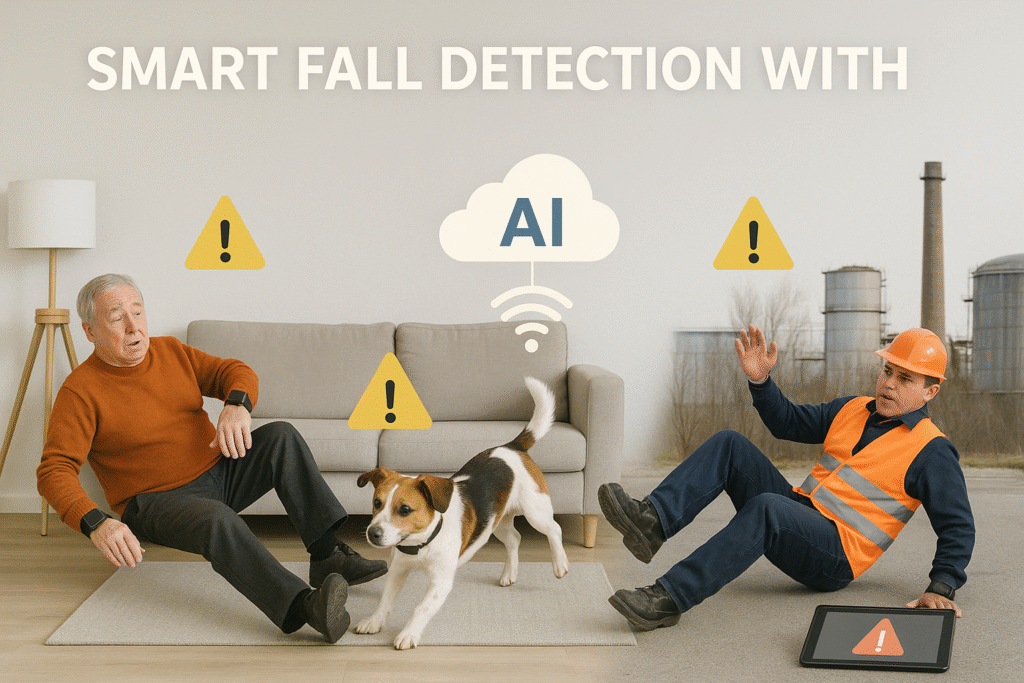
Smart Fall Detection with AIoT: Real-Time Alerts for Humans, Animals, and Industrial Safety

Falls are among the leading causes of serious injuries across various domains—elderly individuals at home, pets left unattended, industrial workers, and even livestock in remote farms. But what if a fall could instantly trigger a real-time alert to caregivers or emergency responders?

Enter Smart Fall Detection Solutions—powered by AI (Artificial Intelligence) and AIoT (Artificial Intelligence of Things)—that blend motion detection, smart sensors, firmware intelligence, and mobile applications to offer proactive, automated fall alerts across human and animal environments.

How Smart Fall Detection Works: From Sensors to Smart Notifications

Modern fall detection solutions use a combination of:

  • Motion Detection Sensors: Accelerometers and gyroscopes measure sudden changes in orientation or impact.
  • AI Algorithms: Classify motion patterns and detect abnormal falls vs normal movement.
  • AIoT Integration: Enables autonomous, real-time analysis and cloud synchronization.
  • Smart Notifications: Instant alerts via SMS, push notification, or auto-dialing emergency contacts.

AIoT and Firmware at the Core of Innovation

The secret behind the precision of modern fall detection lies in embedded firmware and AIoT synergy. By deploying lightweight AI models directly on hardware (like ESP32, STM32, or wearable SoCs), devices can:

  • Detect falls locally (on-device edge computing)
  • Reduce latency and dependency on the internet
  • Send emergency alerts through connected mobile apps

Mobile App Integration: Instant, Anywhere Fall Alerts

Smart fall detection is incomplete without mobile app integration, which plays a key role in:

  • Receiving real-time alerts
  • Tracking fall history
  • Viewing health analytics or motion graphs
  • Setting up geofencing or multi-user monitoring

Real-World Applications Across Environments

Elderly Care

Use Case:

Detects sudden falls at home or in elder-care centers and alerts family or emergency responders immediately.

Pet & Livestock Monitoring

Use Case:

Monitors unusual inactivity or sudden drops in motion, especially useful in farms or when pets are left alone.

Industrial Worker Safety

Use Case:

Deployed in construction zones or hazardous areas to reduce response time in case of onsite accidents.

Smart Homes & Buildings

Use Case:

Integrated with home automation systems to trigger alarms, activate cameras, or make emergency calls.

Benefits of Smart Fall Detection

  • 24/7 Monitoring without human supervision
  • Customizable Alert Systems based on type and severity
  • Cross-Platform Integration (apps, cloud, smartwatches)
  • Advanced AI Learning to reduce false positives
  • Cost-Effective Safety Solution for large-scale deployment

The Future of Fall Detection: Smarter, Faster, Broader

With AIoT technologies maturing and hardware costs decreasing, fall detection is becoming:

  • More intelligent (learning user-specific patterns)
  • More inclusive (used for pets, children, machinery)
  • More connected (integration with smart home systems and wearables)

Conclusion: Invest in Proactive Safety

Whether it’s for the elderly, animals, workers, or sensitive equipment, Smart Fall Detection Solutions offer a future-ready, AI-powered safety net that works silently—but speaks up at the right moment. It’s no longer a luxury—it’s a critical safety layer powered by AI, IoT, and smart firmware technologies.

Looking to build or integrate a smart fall detection system? Partner with IoT experts who bring together hardware, mobile app development, and AIoT innovation—because every second counts when safety is on the line.


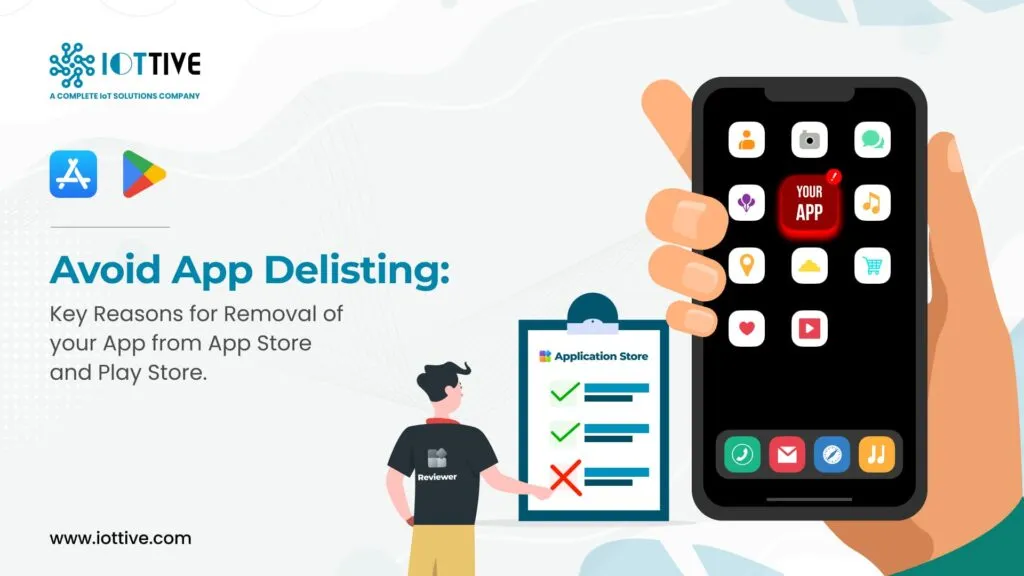
Avoid App Delisting: Key Reasons for Removal of your App from App Store and Play Store.

In today’s digital landscape, app stores are the primary gateways for users to discover and download applications. However, the ever-evolving policies of Apple and Google can lead to unexpected app delisting, potentially causing significant financial and reputational damage.

Here is some glimpse of the key reasons behind the delisting of apps from both App Store and Play Store, business impact done by delisting of apps, and how you can avoid delisting and protect your business.

Key Reason for Delisting of App

For iOS Apps

1. App Inactivity

One of the main reasons iOS apps get delisted is inactivity. Apple requires that apps be actively maintained to support new iOS features and meet current user expectations. If your app hasn’t been updated in a long time or doesn’t incorporate the latest iOS enhancements, Apple may remove it from the App Store.

2. Outdated Versions

Apple places a high priority on security and user safety. If your app fails to address known security vulnerabilities or doesn’t ensure compatibility with the latest iOS versions, it could be flagged for delisting. Apps that remain on outdated versions of iOS run the risk of being removed from the App Store.

3. Account Renewal

Your iOS Developer Account is crucial for maintaining your app’s availability on the App Store. If your developer account expires or isn’t renewed, your app could be suspended, leading to potential delisting.

For Android Apps

1. DUNS Number Verification

Google requires apps to have a verified payment profile, which includes a valid DUNS (Data Universal Numbering System) number. If your DUNS number isn’t verified or is missing, Google may suspend your app until the issue is addressed.

2. Latest Android Version Migration

Google frequently updates its Android operating system, and apps are required to comply with the latest version. For instance, apps must meet API level 34 or higher to ensure compatibility with the latest features and security protocols. Non-compliant apps may be flagged or removed.

3. Crash Frequency

Frequent crashes can lead to a poor user experience and potentially violate Google’s app quality standards. Apps that crash repeatedly or don’t handle errors properly are at risk of being flagged or delisted from the Play Store.

4. AdSense and Policy Compliance

Google has strict policies regarding the ads displayed within your app. Violations of Google’s advertising policies or breaches of Google’s Developer Program Policies can lead to serious consequences, including delisting your app.

Impact on Business from App Delisting

The potential removal or delisting of your app from the Apple App Store or Google Play Store extends far beyond being a technical issue; it is a critical business challenge with significant consequences. When an app is delisted, it doesn’t merely disappear from the store—it can disrupt revenue streams, diminish customer trust, and undermine your app’s market presence. Below, we delve into the various ways this can profoundly affect your business operations and overall success.

1. Loss of Visibility and Downloads

The most immediate consequence of delisting is the loss of visibility in the app store. With millions of apps available, your app’s presence in the store is critical for attracting new users. Without it, your potential customers may never find your app.

2. Revenue Loss

For many developers, apps are a primary source of revenue, whether through in-app purchases, subscriptions, or ad monetization. Delisting removes access to these revenue streams, directly affecting the financial health of your business.

3. Reputation Damage

Delisting from the app store can also harm your app’s reputation. Users may perceive a delisted app as unreliable or abandoned, potentially leading to negative reviews and a loss of trust in your brand.

4. Customer Attrition

If your app is delisted and you cannot offer it through official app stores, you risk losing your existing user base. Without the ability to easily update or manage your app through the store, user engagement can drop, and your app may become obsolete.

5. Increased Costs to Resolve Issues

The process of getting your app reinstated after delisting can be time-consuming and expensive. It may involve fixing compliance issues, updating outdated features, and re-submitting the app for review. In addition, your team may need to allocate resources to manage communication with Apple or Google’s support teams to resolve the situation.

What you can do to avoid delisting.

The risk of app delisting is a challenge, but it can be mitigated with proactive measures and continuous efforts to stay compliant with platform guidelines. Here’s an in-depth guide to safeguarding your app:

1. Regular Updates and Maintenance

Apps that are outdated or inactive are at risk of being delisted. Consistent updates demonstrate active maintenance, improving compatibility and performance.

  • Schedule regular updates to ensure compatibility with the latest iOS and Android versions.
  • Incorporate new OS features to enhance user experience (e.g., widgets, dark mode).
  • Address bugs and user feedback promptly to maintain app quality.

2. Monitor and Address App Performance

Apps with frequent crashes or performance issues may face removal due to poor user experiences

  • Use tools like Firebase Crashlytics or Sentry to track crash reports and app performance metrics.
  • Test your app thoroughly before every release to identify and fix potential issues.
  • Monitor app reviews and ratings to quickly spot and address performance complaints.

3. Stay Compliant with Policies

Apple and Google regularly update their guidelines, requiring apps to meet new security, privacy, and ad-related standards.

  • Review Apple’s and Google’s developer blogs for the latest policy updates.
  • Audit your app periodically to ensure it adheres to current guidelines.
  • Avoid policy violations by implementing transparent practices, particularly around ads and user data handling.

4. Verify and Renew Developer Accounts

An expired or unverified developer account can result in app suspension or delisting.

  • Ensure your developer account credentials are up-to-date, including payment profiles and contact information.
  • Verify your DUNS number (for Android) or any required credentials for your platform.
  • Set reminders for account renewal deadlines to avoid accidental laps.

5. Prioritize Security and Privacy

Apps that fail to protect user data or comply with privacy regulations are at risk of delisting.

  • Use encryption to secure sensitive data and prevent vulnerabilities.
  • Follow regional data privacy laws like GDPR, CCPA, and others relevant to your app’s audience.
  • Clearly communicate your app’s privacy policy, explaining how user data is collected and used.

Expert Consultation: Collaborate with IOTTIVE for Professional App Management Solutions

Managing the complexities of app compliance, updates, and maintenance can be overwhelming, especially when navigating ever-evolving platform policies. This is where a trusted partner like IOTTIVE can make a significant difference. IOTTIVE is a leading provider of mobile app development and management services.
By partnering with IOTTIVE, you gain access to a team of experts dedicated to the longevity and success of your app. Whether you need compliance audits, regular updates, or end-to-end app management, IOTTIVE ensures your app stays secure, compliant, and market-ready—saving you time, reducing risk, and letting you focus on growing your business.

Worried about app delisting? Let IOTTIVE help! Claim your FREE APP AUDIT today and discover how we can protect and enhance your app’s presence in the competitive app marketplace.


Claim Your Free Audit!

The Hidden Threat to IoT Success: How Mobile OS Limitations Impact Your Business and What You Can Do About It

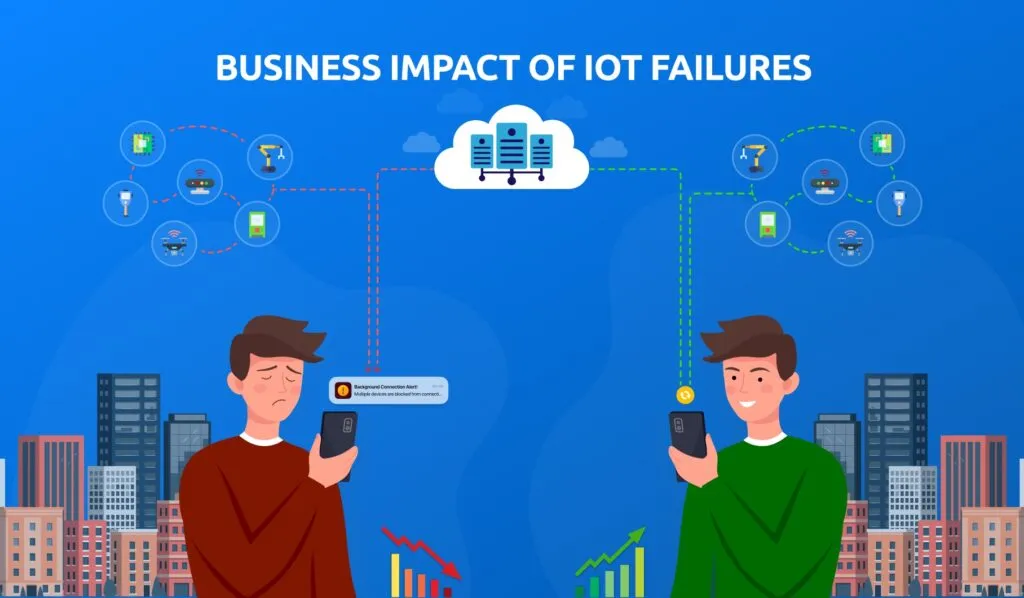
Business Impact of IoT Failures

In today’s digital world, mobile devices are central to how consumers and businesses interact with Internet of Things (IoT) devices. However, many IoT business use cases are directly impacted by how mobile operating systems, such as iOS and Android, manage apps when they are running in the background. These operating systems impose limits that can prevent apps from functioning effectively when not in the foreground. For IoT businesses, this can lead to disrupted services, unsatisfactory user experiences, and missed opportunities.

Key Business Use Cases Impacted by Background Limitations

There are several business-critical IoT use cases that struggle due to these operating system restrictions:

Real-Time Data Monitoring (Healthcare, Fitness, and Safety)

Many apps in sectors such as healthcare, fitness, and environmental monitoring rely on continuous data streams from IoT devices. For example, a health app might need to monitor heart rates or air quality sensors continuously. However, iOS and Android limit the amount of time apps can stay active in the background. This means the app can miss critical data if it’s not in the foreground, which can be problematic for industries that require real-time insights.

Automatic Device Reconnection (Smart Homes, Wearables, and Industrial IoT)

In smart homes or industrial settings, IoT devices (e.g., smart locks, wearable devices, or sensors) should automatically reconnect to a user’s smartphone when they come back into range. Unfortunately, these auto-connections are often hindered by mobile OS restrictions. Without constant connectivity, a smart lock may not open when expected, or a wearable might fail to sync properly.Many apps in sectors such as healthcare, fitness, and environmental monitoring rely on continuous data streams from IoT devices. For example, a health app might need to monitor heart rates or air quality sensors continuously. However, iOS and Android limit the amount of time apps can stay active in the background. This means the app can miss critical data if it’s not in the foreground, which can be problematic for industries that require real-time insights.

Proximity-Based Services (Retail, Access Control)

Retailers often want to provide customers with special offers or location-based services when they’re near the store, and security systems rely on proximity to trigger actions like unlocking doors. However, background limitations restrict an app’s ability to scan for these proximity events, resulting in lost opportunities for retailers and inconveniences for security systems.

Low-Power IoT Devices (Asset Tracking, Logistics)

Many IoT devices are designed to conserve battery power by staying in low-power modes when not actively in use. Mobile apps need to wake up these devices when required, but background limitations prevent apps from staying in constant communication, disrupting processes like asset tracking or environmental monitoring.

How We Overcome These Limitations with Alternative Solutions

Despite the challenges posed by these operating system limitations, we have successfully developed alternative approaches to ensure IoT solutions remain reliable and functional. Below are some of the strategies we use to help our clients deliver IoT solutions that work within the confines of mobile operating system restrictions:

Intelligent Device Reconnection Strategies

To address issues with auto-reconnections in smart homes or wearables, we’ve developed intelligent reconnection strategies that can work within operating system constraints. For example, on iOS, we use specific Bluetooth features that allow the app to “restore” its connection with a device once the phone is back in range. This makes sure that users don’t notice any disruptions in their smart home or wearable devices.

Using Notifications and Background Modes

One way to keep users informed and maintain app functionality is by utilizing push notifications to wake the app when important events occur. For example, in healthcare or fitness, the app can notify the user when there’s critical data, such as an abnormal heart rate or a sensor alarm. Additionally, both iOS and Android offer special background modes for apps using Bluetooth or location services, which we leverage to maintain necessary connections for our clients’ IoT products.

Cloud-Based Offloading

Cloud Based Solution

For IoT devices that need constant monitoring or interaction, we’ve found that offloading some tasks to the cloud can reduce the need for the mobile app to always run in the background. For example, in industrial IoT applications, the cloud can handle the continuous communication with devices, while the mobile app only interacts with the cloud when the user needs an update or alert.

Conclusion

Mobile operating system limitations are a reality that can significantly impact IoT business use cases. However, with the right strategies, these challenges can be overcome. At IOTTIVE, we have developed solutions that allow businesses to continue offering seamless IoT experiences despite these restrictions. By utilizing push notifications, intelligent reconnection strategies, cloud services, NFC, and other techniques, we ensure that our clients’ IoT applications work efficiently and reliably, providing the performance they need to succeed in today’s competitive landscape.

How IoT is revolutionizing the Healthcare Industry?

IoT has become a buzzword in recent times. Just like all other industries, the healthcare industry is also leveraging the power of IoT for better delivery of healthcare services. With IoT, the way how healthcare organizations Operation has changed a lot. It allows the patients to stay connected with their healthcare providers even after they leave the Clinic and Hospital of the doctors.

The value of IoT in the healthcare sector was $56.1 billion in the year 2017. However, the revenue is anticipated to reach $267.6 billion by the year 2023. The demand for IoT in the healthcare industry is sure to increase in the coming years, owing to its vast applications.

Ways IoT is Changing Healthcare Industry

In the healthcare sector, the main customers of IoT solutions are patients, healthcare professionals, hospitals, and health insurance companies. IoT benefits all these entities in a number of ways. Here are some of the prominent ways in which the Internet of Things is bringing about change in the healthcare sector.

  • Allows Remote Monitoring

Before the emergence of IoT, patient-doctor interaction was only limited to text and telecommunication, and visits. However, with IoT, it is now possible for healthcare professionals to monitor the health( Walking steps, Body fat level, Blood Sugar, BP Level) of the patients continuously and provide recommendations accordingly. It especially proves to be beneficial for patients with chronic illnesses.

IoT has become a buzzword in recent times. Just like all other industries, the healthcare industry is also leveraging the power of IoT for better delivery of healthcare services. With IoT, the way how healthcare organizations operate has changed a lot. It allows the patients to stay connected with their healthcare providers even after they leave the office (Clinic and Hospital)of the doctors.

The value of IoT in the healthcare sector was $56.1 billion in the year 2017. However, the revenue is anticipated to reach $267.6 billion by the year 2023. The demand for IoT in the healthcare industry is sure to increase in the coming years, owing to its vast applications.

  • Enables Real-time Activity Tracking

In order to create the right treatment plan, the doctors require information relating to the fitness level and lifestyle of the patients. While this may seem to be challenging, IoT makes this possible. The use of IoT-based activity trackers can help in tracking the fatigue levels, movement, appetite, etc., of the patients. The data can be directly sent to the healthcare professionals, who can then develop the appropriate treatment plan.

  • Effective Glucose Monitoring

Diabetes patients need to keep a regular check on their blood glucose levels. However, not everyone takes it seriously. This, in turn, results in fatal incidents. The sudden increase or decrease of blood sugar below the standard level can have a significant impact on the health of individuals.

With the evolution of IoT tracking, blood sugar level has become relatively easy. The glucose monitoring systems that come with sensors are implanted below the skin of diabetes patients. The sensor is connected to the mobile devices of patients and sends information when the glucose levels become too low. Moreover, it also helps in recording the historical data relating to the sugar level of the patients. This lowers the risk for the patients significantly and keeps their blood sugar levels in check.

  • Reduces Medication Errors

Medication errors or missing medicine dosages can be risky for the health of the patients. At times, medicines are not taken as prescribed by the doctors due to human error or forgetfulness. This can result in a negative health impact. However, with IoT, this problem can be easily solved. The IoT-based ingestible sensors can be swallowed by the patients like the pills. The sensors help in relaying information to the mobile app of the patients. It ensures that the patients take the right medicines in the right dosages and at the right time.

Moreover, the ingestible sensors can also help in the accurate diagnosis of the patients. The IoT-based devices like medicine dispensers can also notify the patients when to refill their medicines. They can even inform the healthcare professionals about the missed dosages of the patients and enable them to prepare an appropriate care plan.

  • Heart Monitoring and Reporting

Heart monitoring, as well as reporting, has become possible with the emergence of IoT. Through IoT-based wearable devices, patients can easily monitor their own heart rates. It helps in determining whether the blood pressure level of the individuals is high or not.

The wearable devices can also provide reports to the healthcare providers relating to the heart data of the patients. They can alert the doctors when patients experience palpitations, heart attacks, or strokes. This, in turn, can help the patients to get medical care at the right time and save their lives.

  • Reduces Medical Costs

There is a wide range of expenses involved in healthcare organizations. The use of IoT has significantly lowered these expenses. For instance, a lot of medications as well as blood samples get wasted owing to improper storage. IoT helps the healthcare organization store the medications and blood samples in a proper manner.

Conclusion

IoT has become the need of the hour for healthcare organizations in order to ensure seamless connectivity among patients and doctors. It allows healthcare professionals to easily monitor the health of patients remotely and deliver them the essential care. The use of IoT in the healthcare industry ensuresthe delivery of better care to patients.

It helps in enhancing the patient experiences and improving the accuracy of diagnosis through real-time patient data. In addition to these, IoT in healthcare helps in reducing the chances of errors and saves operational costs. IoT is set to become the next big trend in the healthcare industry and enhance patient care significantly.