For individuals with serious heart conditions, constant clinical oversight is crucial. A sudden change in status can lead to rapid deterioration. Traditional check-up models often miss these critical windows.
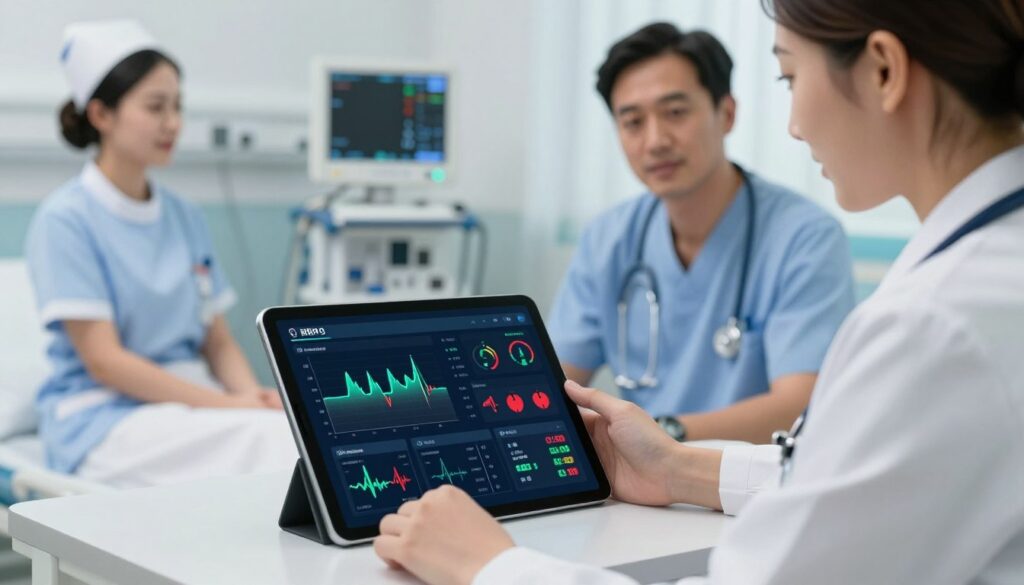
The demand for advanced digital care is exploding. The market for this telehealth technology was valued at $3.80 billion in 2024. It is projected to reach $10.66 billion by 2034.
Modern platforms connect wearable sensors and in-home devices to secure clinical dashboards. These systems track key vitals like heart rhythm, blood pressure, and oxygen saturation in real time.
When readings fall outside safe parameters, the platform sends immediate alerts to clinical teams. This allows for early intervention, often preventing a full-blown crisis. The result is fewer emergency room visits and unplanned hospital stays.
Iottive provides a sophisticated platform designed for this growing need. By offering a continuous view of a person’s health, it empowers providers to manage cardiovascular risk proactively. This approach directly helps medical facilities optimize bed capacity and improve long-term outcomes.
Key Takeaways
- The market for advanced telehealth is growing rapidly, highlighting a major shift in care delivery.
- Continuous tracking of vital signs enables clinicians to spot problems before they become emergencies.
- Early intervention based on real-time data can prevent unnecessary hospital and ICU admissions.
- Proactive management of heart conditions improves patient safety and clinical results.
- Scalable, cloud-based platforms allow healthcare systems to expand care beyond the clinic walls.
- Reducing acute episodes helps hospitals better manage resources and bed availability.
Overview of Remote Cardiac Monitoring in High-Risk Cardiac Care
The landscape of treating high-risk cardiovascular issues is transforming through digital, at-home tracking. This approach provides a constant stream of health data, moving beyond sporadic clinic visits.
Current Trends in Cardiac Care
A major trend is the shift toward outpatient oversight. Providers are adopting technology to manage heart conditions outside traditional settings. This aligns with massive market growth, valued at $3.80 billion in 2024.
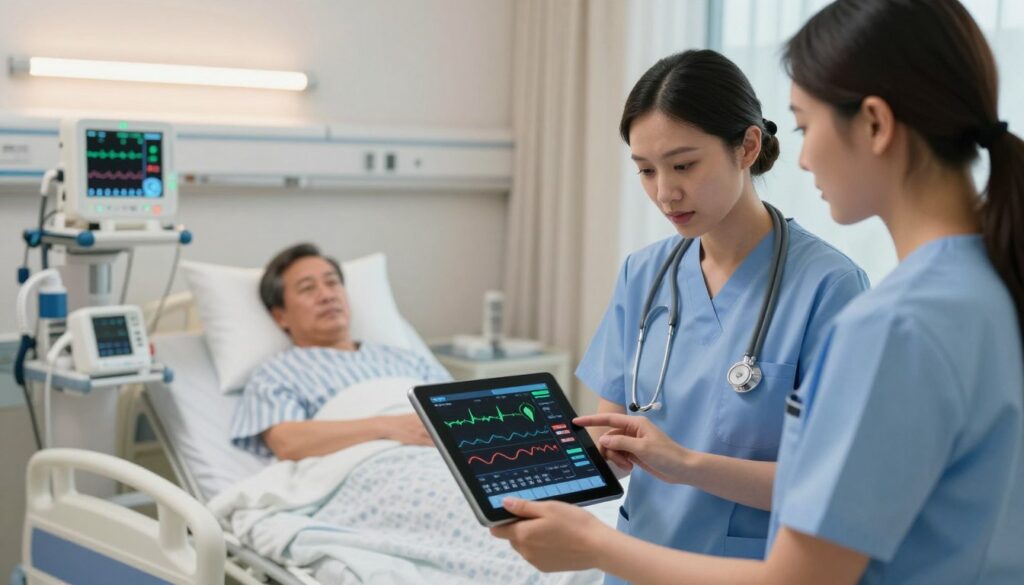
Driven by rising cardiovascular disease rates, this sector is projected to reach $10.66 billion by 2034. The goal is to deliver high-quality care without requiring constant on-site visits.
Impact on ICU Admissions
This digital shift has a direct clinical impact. Utilizing a comprehensive remote cardiac system allows hospitals to manage high-risk patients proactively.
Studies show this continuous oversight can reduce atrial arrhythmia hospitalizations by 65%. It also shortens hospital stays for these individuals by 9-17%. This directly contributes to fewer intensive care unit admissions and better bed management.
Remote Cardiac Monitoring Solution, Smart Healthcare Monitoring, Smart Solutions
Building a robust digital system for heart health oversight involves significant upfront capital and technical expertise. Developing a professional-grade platform typically requires an investment between $200,000 and $250,000+. The final cost hinges on the complexity of the software features and integration depth.
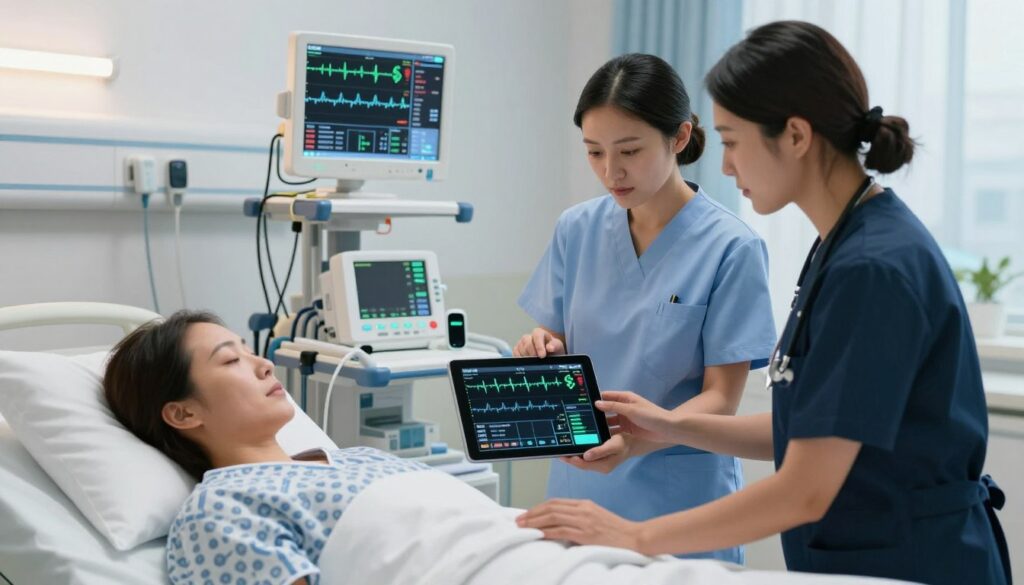
The architecture of an effective cardiac monitoring platform is multi-layered. It integrates specialized medical devices with patient and clinician applications.
- Connected devices like implantable loop recorders and artificial pacemakers collect vital data.
- A patient mobile app facilitates easy data transmission and engagement.
- A secure cloud server processes and stores the incoming information streams.
- A clinical dashboard gives doctors a clear view for review and decision-making.
Reliable connectivity is non-negotiable. The monitoring software must support Wi-Fi and Bluetooth to maintain a constant, secure link between home devices and the cloud. This ensures data flows without interruption.
Investing in a scalable solution allows healthcare organizations to manage numerous patients and complex data. A well-built remote cardiac platform handles multiple user roles and high-volume data streams efficiently. This foundational investment powers proactive, data-driven care.
Benefits of Remote Monitoring in Reducing ICU Admissions
Implementing a proactive digital care model yields a dual benefit: enhanced safety for people with chronic conditions and streamlined clinic operations.
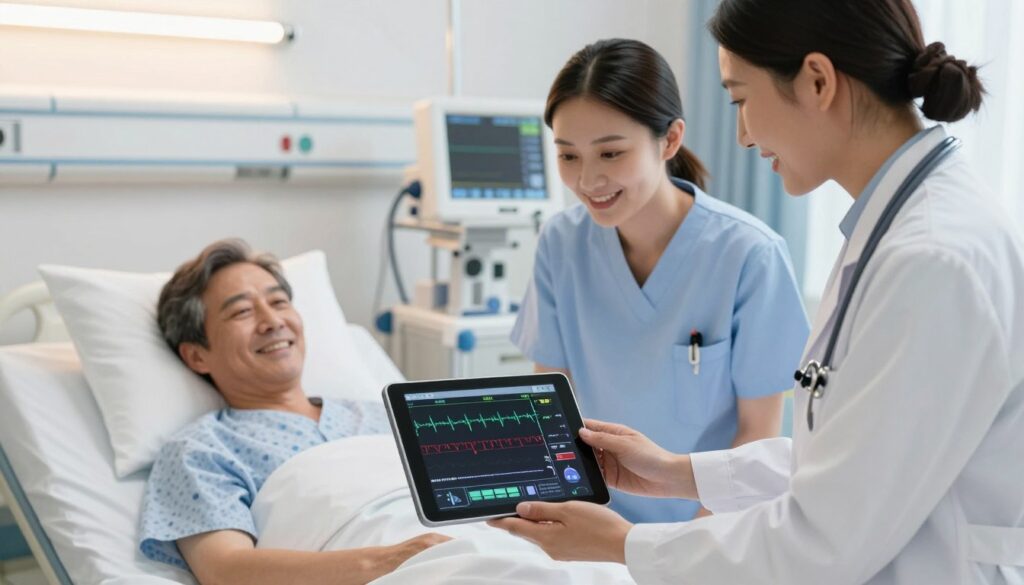
This approach directly tackles the root causes of unplanned hospitalizations. It transforms reactive medicine into proactive health management.
Clinical Outcome Improvements
Specialized workflows for heart failure patients enable targeted management. Care teams can adjust treatment plans based on real-time data.
This consistent oversight prevents the complications that often lead to emergency ICU admissions. Individuals receive higher quality care, leading to better long-term health.
Operational Efficiencies and Time Savings
Automating administrative tasks is a major advantage. Platforms can save clinic staff up to five hours per week by archiving routine data transmissions automatically.
This reduction in manual work allows medical teams to focus on patients needing immediate intervention. Clinics manage larger populations without increasing overhead.
By reducing the burden of manual report generation, the system enables medical staff to focus their time on patients who require immediate clinical intervention.
These efficiencies create a sustainable model for managing chronic heart failure and other conditions. The result is fewer crises and optimized use of critical hospital beds.
Architecture and Integration of Smart Healthcare Monitoring Platforms
The true power of a digital care platform is unlocked when it flows effortlessly into existing clinical workflows. This requires a robust technical architecture built for seamless integration.
System Components and Cloud Integration
A modern platform’s system relies on a layered design. Wearable sensors and implantable devices collect vital data. This information is securely transmitted to a cloud-based server.
The cloud acts as the central hub for processing and storage. It enables continuous monitoring and analysis from any location. This connectivity is the backbone of proactive care.

EHR Connectivity and Data Flow
Direct EHR connectivity is non-negotiable for clinical utility. Platforms like Octagos use standards like SMART on FHIR to ensure smooth data flow. They integrate with over 20 different EHR companies.
The average EHR integration time is just 21 days. This allows for rapid deployment. Furthermore, the system supports migrating over a decade of historical patient data.
This ensures continuity of care for every cardiac device patient. Doctors gain a comprehensive view directly within their primary workflow. Centralized monitoring of devices streamlines reporting and decision-making.
Leveraging Predictive Analytics for Improved Patient Care
Predictive analytics is revolutionizing how clinicians anticipate and manage critical heart events before they escalate. This technology uses advanced analysis of continuous patient information to forecast potential declines.
It transforms raw numbers into a clear clinical narrative. This allows for truly proactive management of chronic conditions.
Real-Time Alerts and Early Detection
A core strength is the system’s ability to provide immediate warnings. Real-time alert systems notify care teams the moment a person’s vitals breach safe limits.
This enables early detection of serious issues. For example, Atlas AI delivers 98% accuracy in first-read reports.
It filters out non-urgent transmissions, letting doctors focus. This rapid review of cardiac data is vital for preventing life-threatening situations.
| Analytic Function | Clinical Benefit | Primary Data Source |
|---|---|---|
| Trend Analysis | Predicts hospitalization risk days in advance | Historical vital sign logs |
| Anomaly Detection | Flags acute arrhythmias for immediate review | Real-time ECG streams |
| Risk Stratification | Prioritizes clinician attention to the most critical patients | Combined biometric and demographic data |
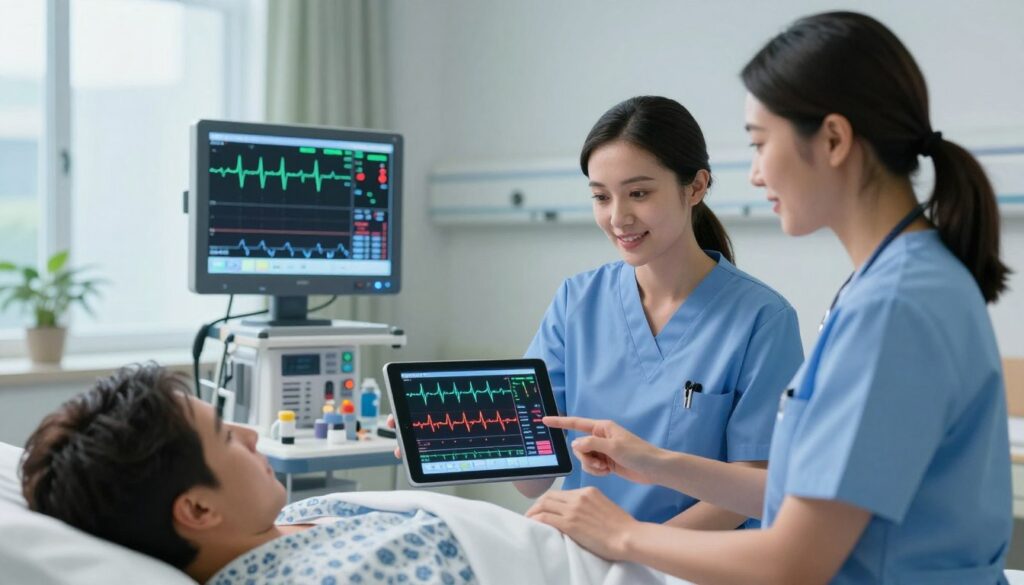
The platform also cuts alert fatigue by 25%. It highlights only the cases needing urgent review.
This ensures medical professionals spend time where it matters most. Automated notifications support a proactive approach to heart health.
Effective remote patient monitoring relies on this smart triage of information. Accurate reports drive timely, life-saving interventions.
Key Features of Remote Cardiac Monitoring Devices
Accurate clinical decisions depend on precise data collected from advanced wearable and implantable sensors. The effectiveness of any digital care program is built on the capabilities of these instruments.
These tools must connect reliably and deliver trustworthy information. This forms the foundation for proactive clinical management.
Device Connectivity and Data Accuracy
Modern systems support a wide range of devices. These include implantable rhythm management tools, ECG patches, and wearable heart rate monitors.
Seamless connectivity via Wi-Fi and Bluetooth is essential. It ensures a constant, secure data stream from the patient’s home to the clinical team.
IoT-based tracking adds a critical layer of safety. The system can detect potential hardware failures or programming errors in pacemakers. This alerts technicians for proactive maintenance.
| Device Type | Primary Data Collected | Typical Connectivity |
|---|---|---|
| Implantable Loop Recorder | Long-term heart rhythm patterns | Bluetooth to Patient App |
| Wireless ECG Patch | Continuous electrocardiogram (ECG) | Cellular or Wi-Fi |
| Bluetooth Blood Pressure Cuff | Systolic/Diastolic readings | Bluetooth to Hub |
Automated Reporting and Analytics
The platform generates automated reports for all connected devices. This gives doctors clear, actionable insights without manual work.
Continuous tracking of rhythm parameters is vital. It allows for the early identification of conditions like atrial fibrillation.
These analytics transform raw data into a clinical narrative. They support timely interventions that keep patients safer at home.
Overcoming Implementation Challenges and Ensuring Compliance
Successfully integrating a continuous oversight system into clinical practice hinges on robust security and compliance protocols. These frameworks protect sensitive information and ensure the program operates within legal boundaries.
Regulatory Standards and Data Security
Adherence to major regulations is non-negotiable. Any remote patient monitoring platform must comply with HIPAA, the Cures Act, and GDPR when handling personal health data.
This forms the bedrock of patient trust and legal operation. Furthermore, meeting FDA and MDR standards is critical for the safety of all connected devices.
The system itself helps mitigate operational risks. It provides automated alerts for potential hardware failure, notifying the cardiac device team promptly.
This proactive monitoring addresses common challenges like improper usage. It helps maintain the accuracy of data from all remote cardiac instruments.
A secure cloud infrastructure underpins everything. It safeguards the integrity of the entire remote patient monitoring ecosystem.
Patient records remain confidential and are accessible only to authorized staff. This comprehensive approach turns regulatory necessity into a pillar of reliable health delivery.
Case Studies: Success in Remote Cardiac Monitoring
The transition to a modern oversight platform at the Chicago Cardiology Institute showcases operational and clinical gains. This real-world example highlights how digital tools transform care for high-risk individuals.
Client Success Stories and Measured Outcomes
Chicago Cardiology Institute switched to Octagos for its remote patient monitoring needs. They cited a smooth onboarding process and successful EHR integration.
Dr. Colin Movsowitz noted that population analytics helped in early identification of at-risk patients with CIEDs. This proactive approach leads to better outcomes for those with heart failure.
Successful implementations show that integrating remote cardiac devices into workflows lets clinics manage larger population groups effectively.
| Institution | Key Intervention | Measured Outcome |
|---|---|---|
| Chicago Cardiology Institute | Platform transition with full EHR integration | Enhanced clinical team efficiency and patient satisfaction |
| Multi-clinic Health System | Deployment of population analytics dashboards | Earlier intervention for 30% more at-risk patients |
| Urban Heart Clinic | Automated reporting for all connected devices | Reduced administrative burden by 15 hours weekly |
Lessons Learned from Implementations
Seamless EHR integration and reliable access to historical data are critical. Clinics prioritizing this transition manage heart failure patients better.
They also reduce the administrative load on staff. These lessons ensure sustainable scaling of cardiac monitoring programs.
Automated reports help prevent failure to act on critical data. This keeps patients safer and optimizes clinic resources.
Conclusion
Investing in technology that provides real-time insights into patient health is key to preventing acute cardiac events. Platforms like Iottive deliver essential tools for continuous remote patient monitoring of high-risk individuals. This approach directly reduces ICU admissions.
Integrating advanced AI and seamless EHR connectivity improves clinical outcomes. It ensures that people with heart failure receive timely, proactive care. Access to live data allows medical teams to make informed decisions.
These decisions prevent emergency hospitalizations and improve long-term heart health. As the industry evolves, adopting intelligent cardiac monitoring remains critical. It supports efficient, cost-effective, and patient-centered services.
We encourage providers to explore how these innovations can transform their remote cardiac workflows. This is especially vital for managing heart failure and elevating the standard of care.
FAQ
How does this technology help keep high-risk individuals out of the hospital?
What makes the data from these at-home devices reliable for clinical decisions?
How does the system integrate with our existing hospital electronic health record (EHR)?
What happens if the system detects a potentially dangerous heart rhythm?
How is patient information protected on this telehealth platform?
Can this approach be used for managing populations with heart failure?
How Iottive Delivers End-to-End Smart Retail Solutions
1. Retail Strategy & Solution Design
Iottive collaborates with retail leaders, digital heads, store operations teams, and supply chain stakeholders to understand customer journeys, inventory challenges, and growth objectives. This phase includes retail use-case validation, omnichannel architecture design, IoT device selection, AI personalization planning, and defining measurable KPIs such as promotion ROI, stock accuracy, and conversion rates.
2. Smart Systems Engineering & Retail Integration
Iottive engineers scalable Smart Retail solutions by integrating IoT sensors, RFID, smart shelves, digital mirrors, edge devices, and cloud platforms. We ensure seamless connectivity between POS systems, ERP, CRM, warehouse systems, and e-commerce platforms. The focus is on real-time visibility, secure data flow, and unified customer and inventory intelligence across stores and digital channels.
3. Pilot Deployment in Stores & Warehouses
Before enterprise rollout, Iottive deploys pilot solutions in selected retail stores, warehouses, or pharmacy locations. This includes testing AI-driven recommendations, smart inventory tracking, cold chain monitoring systems, and digital try-on experiences. Retailers can validate performance, customer engagement impact, and operational feasibility in live environments before scaling across locations.
4. Customer Experience & Retail Intelligence
Iottive builds intuitive dashboards and retail intelligence platforms that provide real-time insights into:
- Customer behavior & segmentation
- Promotion performance & ROI
- Store-level inventory accuracy
- Warehouse efficiency metrics
- Cold chain compliance tracking
- Online conversion and upsell analytics
Advanced analytics, alerts, and AI-driven insights empower retail teams to make faster, data-driven decisions that improve revenue, reduce losses, and enhance customer satisfaction.
5. Enterprise Rollout & Retail Scale-Up
From MVP to multi-location deployment, Iottive supports solution hardening, cloud scalability, cybersecurity, and long-term support. Smart Retail solutions are designed for:
- Multi-store expansion
- Omnichannel integration
- Regional inventory balancing
- Cross-border retail operations
- Continuous optimization using AI insights
Our approach ensures measurable ROI through improved customer engagement, reduced shrinkage, better inventory control, and operational efficiency.
Why Retailers Choose Iottive
- Proven expertise in Smart Retail & IoT-driven transformation
- Deep understanding of store operations, warehousing, and pharmacy compliance
- Seamless integration with POS, ERP, CRM, and e-commerce platforms
- Secure, scalable, and production-ready retail architectures
- Strong focus on measurable business outcomes — not just technology
📧 Contact Email: sales@iottive.com