5 Things You Didn’t Know Your IoT-Based Vehicle Tracking System Could Do

Jake, a small business owner in Texas, almost lost a $15,000 refrigerated shipment last summer. His delivery van’s cooling system failed mid-route, but he didn’t find out until the customer complained about spoiled goods. What he didn’t realize? His fleet’s tracking tech could’ve alerted him before the temperature spiked – saving money and his reputation.

IoT vehicle tracking capabilities

Modern tracking solutions do more than follow dots on a map. They combine GPS precision with smart sensors and cloud analytics to transform how companies manage mobile assets. These tools collect over 20 types of data – from engine health to driver behavior – updating every 30 seconds.

Three core elements make this possible: location devices in each automobile, wireless networks that transmit information, and central platforms that turn raw numbers into actionable insights. This setup helps businesses cut fuel costs by up to 25% and reduce late deliveries by 40%, according to industry reports.

With 267 million smart trackers expected worldwide by 2027, understanding these systems isn’t just helpful – it’s becoming essential for staying competitive. Let’s explore features most users never discover until they really need them.

Key Takeaways

  • Modern trackers monitor more than location – they track temperature, humidity, and mechanical issues
  • Combines GPS devices, wireless networks, and cloud platforms for real-time updates
  • Reduces operational costs through fuel efficiency and route optimization
  • Provides historical data to improve decision-making and accountability
  • Alerts managers about potential issues before they become emergencies

Introduction to IoT-Based Vehicle Tracking System

A construction firm in Nevada slashed equipment downtime by 18% last quarter. Their secret? Sensors that flagged hydraulic issues before breakdowns occurred. This illustrates how modern monitoring tech works – it’s not just about pinpoints on screens.
real-time fleet monitoring

How Smart Sensors Transform Operations

These tools combine GPS precision with motion detectors and environmental scanners. Cellular networks and satellites keep data flowing 24/7, even in desert job sites or mountain passes. Key components include:

  • Onboard diagnostics readers for engine health
  • Temperature/humidity sensors for cargo protection
  • Driver ID tags linking behavior to specific operators

Advanced platforms analyze 15+ metrics simultaneously, from tire pressure to sudden braking patterns. Geofencing alerts managers when assets leave designated zones, while maintenance predictions cut repair costs by up to 30%.

Choosing the Right Solution

Entry-level options focus on location updates and basic reports. Mid-tier packages add fuel tracking and custom alerts. Enterprise systems integrate with existing software like ERP platforms, offering:

  • Predictive analytics for supply chain optimization
  • Driver coaching modules with safety scoring
  • Customizable dashboards for different team roles

Scalability matters – your chosen solution should handle 50% more assets without performance drops. Look for providers offering free data migration when upgrading plans.

Exploring Key Capabilities and Innovations

A Florida logistics company recently prevented $23,000 in perishable losses during a heatwave. Their secret? Temperature alerts triggered automatically when reefer trailers deviated from safe ranges. This showcases how modern platforms fuse multiple data streams into actionable intelligence.

real-time data analytics

Real-Time Tracking and Data Analytics

Today’s solutions analyze 40+ metrics simultaneously, transforming raw numbers into operational gold. Beyond basic location updates, gyroscopes detect harsh turns while infrared sensors monitor cargo conditions. Machine learning spots patterns humans miss – like predicting battery failures 14 hours before they occur.

Cloud platforms process information from OBD-II ports and environmental scanners. This reveals hidden correlations between driving habits and fuel efficiency. One food distributor reduced refrigeration costs by 19% simply by adjusting delivery schedules based on temperature trends.

Integrating Diverse IoT Sensors and Communication Protocols

Modern systems speak every language of connectivity. Cellular networks handle highway data streams while LPWAN manages rural asset tracking. Bluetooth beacons automate yard check-ins, eliminating manual scans. This hybrid approach ensures 98% uptime across mixed fleets.

APIs bridge the gap between telematics and business tools. Dispatch software now auto-adjusts routes using live traffic predictions. Maintenance teams receive prioritized work orders when vibration sensors detect impending part failures. The result? Operations that adapt faster than market conditions change.

Optimizing Fleet Management with Real-Time Data

A Midwest delivery service cut fuel expenses by 22% last month using live traffic pattern analysis. Their secret? Algorithms that reroute drivers around bottlenecks before delays occur. This demonstrates how modern telematics transform mobile asset oversight.

fleet optimization data

Enhancing Route Optimization and Operations

Advanced platforms process 50+ data streams to calculate fuel-efficient paths. Machine learning cross-references weather forecasts with historical traffic flows. One beverage distributor reduced idling by 37% using automated engine shutdowns during prolonged stops.

Predictive analytics flag maintenance needs using engine diagnostics and driving patterns. Sensors detect irregular vibrations in transmissions weeks before failures. Service teams receive prioritized alerts, cutting repair costs by up to 28%.

Dynamic rerouting handles urgent changes seamlessly. When storms close highways, systems instantly plot alternative paths. Dispatchers adjust schedules without manual calculations – critical for time-sensitive medical deliveries.

Driver coaching modules identify harsh braking and acceleration trends. Safety scores linked to incentive programs reduced accident rates by 41% in one case study. Managers now allocate resources using live utilization dashboards instead of guesswork.

Enhancing Vehicle Safety and Operational Efficiency

A hospital network in Arizona reduced ambulance response times by 15% last year using driver behavior analytics. Their secret? Real-time monitoring that flags aggressive maneuvers while vehicles are in motion. This approach demonstrates how modern telematics protect both drivers and cargo through proactive measures.

driver safety monitoring

Smart Monitoring for Risk Prevention

Advanced platforms track 12+ safety metrics to create driver safety profiles. Key indicators include:

  • Speed limit compliance rates
  • Frequency of sudden stops
  • Cornering G-force measurements
  • Seatbelt usage patterns

The system sends instant alerts when detecting erratic steering or frequent lane deviations. Managers can review trip replays with timestamped incidents – perfect for coaching sessions. One logistics firm saw 33% fewer insurance claims after implementing this feature.

Predictive maintenance tools analyze engine data and component wear. Vibration sensors detect unusual patterns in transmissions 80 hours before failures. Fluid level monitors trigger service alerts when brake pads reach critical thinness. These features help organizations cut repair costs by 19% on average.

Environmental scanners add another layer of protection. Cabin cameras detect distracted driving through eye-tracking tech. External sensors measure road surface conditions, warning drivers about hydroplaning risks. Combined with fatigue alerts from steering patterns, these tools create comprehensive safety nets.

Maximizing ROI: Cost Savings and Resource Management

A Colorado bakery chain saved $8,400 monthly on diesel costs after overhauling their delivery strategy. Their secret? Real-time data showing which trucks burned excess fuel during morning traffic. This proves how modern monitoring tools turn operational leaks into profit streams.
fuel cost savings tracking

Reducing Fuel Costs and Minimizing Downtime

Route optimization slashes fuel use by 15-30% in most fleets. Algorithms analyze traffic patterns, road grades, and weather to plot efficient paths. One petroleum distributor cut idle time by 41% using automated engine shutdowns.

Predictive maintenance prevents costly breakdowns. Vibration sensors detect transmission issues 50+ hours before failure. Fluid monitors track oil quality, reducing engine replacements by 19%.

Cost-Saving Strategy Data Source Typical Savings
Route Optimization GPS tracking + traffic APIs 22% fuel reduction
Predictive Maintenance OBD-II sensors 31% fewer repairs
Driver Coaching Acceleration monitors 17% lower insurance

Detailed asset tracking helps businesses make smarter equipment decisions. Usage reports show which vehicles work hardest – critical for replacement planning. One landscaping company right-sized their fleet using 12-month utilization data, saving $56,000 annually.

Insurance discounts reward safety improvements. Systems that document seatbelt compliance and speed limits can lower premiums by 9-14%. Combined with accident reduction features, these tools deliver ROI that compounds yearly.

Industry Applications: From Logistics to Emergency Services

Specialized telematics solutions now power operations across 7 major sectors – each with unique needs. These tools adapt to specific workflows while maintaining core benefits like transparency and efficiency.

Urban Mobility & Infrastructure Management

Public transit networks achieve 98% on-time performance using live location updates. Sensors monitor:

  • Bus departure/arrival times at each stop
  • Passenger load levels through weight sensors
  • Engine diagnostics during steep urban routes

Construction teams track equipment usage down to minute-level activity. Geofencing ensures bulldozers stay within project zones, while idle alerts reduce fuel waste. One New York contractor reclaimed 22% of machinery costs through better utilization reports.

Specialized Fleet Optimization

Rental companies prevent unauthorized cross-border trips using automated boundary alerts. Sensors detect:

  • Off-road driving in leased sedans
  • Cargo van overloading through axle monitors
  • After-hours usage via ignition tracking

Emergency dispatch centers shave 90 seconds off response times using priority routing. Paramedic units receive real-time traffic updates while en route. Fire departments coordinate multiple units through shared location dashboards during major incidents.

Integrating IoT Devices for Seamless Connectivity

A Chicago cold storage company prevented $12,000 in product loss when door sensors alerted managers about a malfunctioning freezer truck. This showcases how interconnected tech creates safety nets through instant communication between machines and teams.

Cloud Integration and Mobile Application Benefits

Modern platforms like ThingsBoard process 500+ data points per second, transforming raw inputs into clear dashboards. Cloud systems store information securely while making it accessible via any web browser. Managers check live locations or review historical routes during audits – no special software required.

Mobile apps push critical alerts directly to phones. Drivers receive reroute suggestions during traffic jams, while maintenance crews get prioritized repair tickets. Role-based access ensures each user sees only relevant data, from executives monitoring fuel costs to technicians reviewing engine diagnostics.

Ensuring Data Security with Advanced Protocols

Encryption standards like RSA and ECDSA protect information during transmission. TLS protocols create secure tunnels for location updates and sensor readings. Multi-factor authentication adds extra layers – even if passwords get compromised, hackers can’t access live tracking feeds.

Audit logs track every system interaction, helping companies meet compliance standards. Regular security updates patch vulnerabilities before exploits occur. These measures let businesses harness IoT power without risking sensitive operational data.

FAQ

How does real-time tracking improve fleet operations?

Real-time tracking uses GPS and IoT devices to provide live location updates, enabling businesses to optimize routes, reduce delays, and improve delivery accuracy. This minimizes fuel waste and enhances customer satisfaction through precise ETAs.

Can IoT sensors monitor vehicle health beyond location?

Yes. Advanced sensors track engine performance, tire pressure, fuel levels, and driver behavior. This data helps identify maintenance needs early, reducing breakdown risks and extending vehicle lifespan while improving safety.

What industries benefit most from these systems?

Logistics, construction, emergency services, and urban transportation fleets gain significant advantages. Custom solutions help track assets, streamline deliveries, monitor heavy machinery, and ensure rapid emergency response times.

How do these systems reduce operational costs?

By analyzing fuel usage patterns, idle times, and route efficiency, businesses cut expenses. Predictive maintenance also lowers repair costs and prevents costly downtime caused by unexpected failures.

Are IoT tracking platforms compatible with existing software?

Most modern systems integrate seamlessly with cloud platforms and mobile apps via APIs. This allows fleets to sync data with tools like Samsara or Geotab for unified management without overhauling current infrastructure.

How secure is the data collected by IoT devices?

Reputable providers use encryption protocols like TLS/SSL and multi-factor authentication to protect data. Regular updates and secure cloud storage ensure sensitive information remains safe from breaches.

Can small businesses justify the investment in IoT tracking?

Absolutely. Scalable solutions cater to fleets of all sizes. Even small teams see ROI through fuel savings, reduced overtime, and improved asset utilization—often within months of deployment.

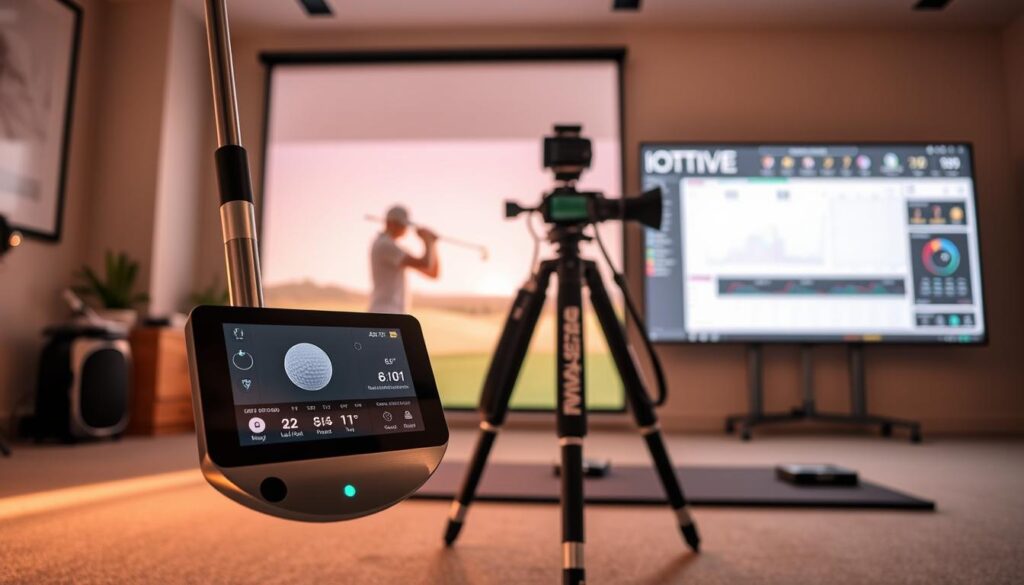

Let’s Get Started

Upgrade Your Golf Game with Smart Clubs and Swing Trackers

Meet Jake, a weekend warrior who spent years battling inconsistency on the course. Despite endless practice, his shots veered left or right without warning. Then came a breakthrough: a palm-sized swing analyzer borrowed from a friend. Within minutes, it revealed his tempo was erratic and his clubface angle inconsistent at impact. Suddenly, years of frustration had clear solutions.

modern golf swing analysis tools

Jake’s story isn’t unique. Players everywhere now access tools once exclusive to touring pros. Sensors and apps break down every detail – from backswing length to ball spin rates. This isn’t magic; it’s measurable science transforming how athletes train.

Today’s gear goes beyond basic stats. Real-time feedback systems highlight flaws invisible to the naked eye. Whether you’re tweaking your stance or refining follow-through, data replaces guesswork. Best part? These innovations fit any budget, helping casual players and serious competitors alike.

Key Takeaways

  • Pro-level performance insights now available for all skill levels
  • Instant feedback pinpoints exact areas needing improvement
  • Combines sensors, apps, and GPS for complete training ecosystems
  • Eliminates reliance on subjective “feel” during practice
  • Affordable options create personalized improvement plans

The Evolution of Golf Technology

Imagine holding a hickory-shafted club from the 1920s – no grip sensors, no weight sensors, just wood and guesswork. Fast forward to today’s training sessions where players review 3D swing models between shots. This transformation didn’t happen overnight, but it’s redefining how athletes master their craft.

From Traditional Clubs to Smart Equipment

Early equipment focused on durability over precision. Leather grips and wooden heads gave way to carbon-fiber composites and microchips. Now, embedded sensors measure grip pressure and shaft flex during every motion. Coaches once relied on slow-motion video; today’s systems analyze 500 data points per second.

Wireless connectivity turns practice ranges into labs. A single session generates metrics about tempo, rotation, and impact angles. These insights travel instantly to apps, creating personalized drills. No more waiting for weekly lessons to fix persistent errors.

Advancements in Sensor and Feedback Systems

Modern devices use AI to spot patterns humans miss. Tiny accelerometers track wrist movements, while pressure mats map weight shifts. One tour coach notes: “We’ve moved from fixing obvious flaws to optimizing millimeter-level adjustments.”

Real-time audio cues help players correct mid-swing. Vibration alerts signal closed clubfaces, while earbuds whisper tempo reminders. This instant feedback loop turns range time into targeted improvement, not mindless repetition. The pros’ secret? Tech that adapts to their unique biomechanics – now available to everyone.

Deep Dive: Golf – Smart clubs and swing trackers

Picture this: a device smaller than your wallet that deciphers your swing’s hidden flaws. Today’s training aids turn raw motion into actionable insights, helping players fix errors they never knew existed.

swing analyzer technology

Overview of Innovative Products

The HackMotion analyzer redefines wrist mechanics analysis. Strapping onto your lead arm, it tracks 270 degrees of wrist movement during every stroke. Real-time audio cues alert you to excessive flexion – a common culprit behind slices and weak contact.

Blast Golf’s sensor attaches to any grip, transforming standard equipment into smart trainers. It measures critical metrics like backswing length and face rotation timing. At $179.95, this Tour-proven tool offers:

  • Instant tempo analysis for full swings and putts
  • Stroke-by-stroke comparison against ideal benchmarks
  • Personalized drills based on session data

How Technology Transforms Your Stroke

These devices create digital mirrors of your mechanics. The HackMotion system reveals how wrist angles influence clubface alignment at impact. One user reported: “I corrected my hook in two range sessions by monitoring extension patterns.”

Blast’s metrics expose tempo inconsistencies that feel “normal” to players. Its vibration feedback teaches rhythmic transitions between backswing and downswing phases. Result? Cleaner strikes and tighter shot dispersion – without endless video reviews.

Modern analyzers don’t just collect data; they translate physics into improvement. By focusing on measurable changes rather than vague “feel,” players develop repeatable motions that withstand pressure situations. The future of practice lives in your bag – and it speaks your language.

Expert Reviews and Real-World Performance

When top athletes stake their careers on tech, attention follows. Over 200 competitive players now rely on sensor-driven insights to refine their techniques – and their trust speaks volumes.

golf swing analyzers comparison

In-Depth Analysis from Tour Pros

Bryson DeChambeau credits his precision to deWiz’s sequencing analysis: “It transformed how I manage transition timing.” Lydia Ko pairs this system with her coach’s expertise, creating drills that address milliseconds-long inconsistencies.

“The metrics eliminate debates about what happened during a stroke. Instant clarity means faster fixes.”

Fredrik Lindblom, Pro Instructor

Comparing Top Models and Their Features

Three devices dominate pro-level training:

Model Key Metrics Price Best For
deWiz Golf Tempo, sequencing $499 Advanced players
Blast Motion Rotation, impact timing $179.95 Mid-handicap improvement
Arccos Caddie Shot tracking, GPS $199.99 Course strategy

Blast’s 8-hour battery outperforms rivals during marathon practice sessions. Meanwhile, deWiz’s haptic feedback helps users feel corrections immediately. Beginners favor Arccos for its GPS-guided course management.

Optimizing Your Golf Swing with Advanced Metrics

What separates a choppy stroke from a buttery-smooth motion? The answer lives in numbers. Modern training tools decode your mechanics with surgical precision, turning raw motion into improvement blueprints.

golf swing metrics analysis

Measuring Swing Speed and Tempo

Sports Radar’s speed tracker reveals power leaks instantly. One player gained 12 yards off the tee by adjusting his hip rotation timing – data he’d never get from mirror drills. Tempo ratios matter just as much: Tour pros maintain 1.8:1 to 2.2:1 backswing-to-downswing timing in putting strokes.

Blast Golf’s system shows how milliseconds impact consistency. Their sensors measure backstroke duration (0.57-0.63s for elites) and forward stroke speed (0.29-0.31s). Why guess when you can match proven benchmarks?

Improving Short Game and Putting Techniques

Attack angles decide wedge performance. Top players keep theirs between -10° and 0° for crisp contact. Amateurs often swing steeper, losing spin control. Adjusting by 3°-5° can transform bunker escapes and pitch shots.

Putting metrics expose hidden flaws. Face angles beyond ±0.3° at impact cause missed 6-footers. One 18-handicapper fixed his push misses by monitoring real-time face alignment data during practice.

Skill Level Tempo Ratio Goal Attack Angle Target
Scratch 1.9:1 -4° to -2°
10 Handicap 2.0:1 -6° to -3°
20 Handicap 2.1:1 -8° to -5°

These aren’t abstract numbers – they’re your roadmap to lower scores. Start measuring, start improving.

Leveraging Mobile Apps for On-the-Go Training

Your smartphone just became your personal swing coach. Modern apps turn backyard drills into studio-quality sessions, offering pro-level insights without bulky equipment.

mobile golf training apps

Real-Time Video Analysis and Data Capture

SportsBox AI revolutionizes practice with instant 3D modeling. Record a standard video, and its AI tracks pelvis sway, shoulder tilt, and spine angles. No markers or sensors needed – just your phone’s camera. One user improved hip rotation by 18% after spotting imbalances in their 3D avatar.

V1 Golf App elevates video review. Its premium version ($9.99/month) lets you draw lines, compare swings side-by-side, and scrub frame-by-frame. Coaches often use it for remote lessons, but self-taught players love its slow-motion analysis tools.

Integrating Smart Feedback for Practice Sessions

Tour Tempo Total Game trains rhythm like a metronome for your stroke. For $25, it teaches tempo ratios proven across 500+ Tour players. Example: Full swings target a 3:1 backswing-to-downswing ratio. Haptic cues in the app help users internalize timing.

These tools create actionable plans from raw data. SportsBox generates drills targeting specific body angles, while V1’s cloud storage tracks progress across months. Instant feedback loops mean adjustments happen mid-session, not days later.

App Key Feature Price Best Use Case
SportsBox AI 3D biomechanics tracking Free trial + subscription Body mechanics refinement
Tour Tempo Tempo ratio training $25 one-time Rhythm improvement
V1 Golf Frame-by-frame analysis Free/$9.99 monthly Technical swing adjustments

Whether you’re analyzing takeaway positions at the range or reviewing putts in your living room, these apps deliver immediate insights. They’re proof that world-class training now fits in your pocket.

Enhancing Course Management and Strategic Play

Course strategy just got a tech-powered makeover. Modern systems turn guesswork into precise calculations, helping players choose smarter targets and avoid trouble spots. Real-time data now guides decisions from tee to green.

Wrist-Worn Course Intelligence

The Shot Scope V5 GPS watch maps 36,000+ layouts worldwide. Know exact yardages to bunkers, water hazards, and green sections before each stroke. Sixteen club tags auto-track every shot, building stats on fairways hit and scoring trends.

Arccos’ AI caddie analyzes millions of shots to suggest optimal clubs. It learns your patterns – like frequent misses left – and adjusts recommendations mid-round. One user cut three strokes by following its layup advice on par fives.

These systems reveal hidden weaknesses through strokes gained analysis. See which parts of your game cost the most shots compared to peers. Instant feedback transforms practice into targeted improvement sessions.

No more scribbling notes or forgetting club distances. Tech handles the tracking while you focus on execution. The result? Confident choices that match your skills and course challenges.

FAQ

How do smart clubs improve my performance?

These tools use sensors to track metrics like swing speed, angle, and tempo. They give instant feedback through apps, helping you adjust technique and build consistency. Pros use similar data to refine their strokes during practice.

What metrics should I focus on during training?

Prioritize tempo, club path, and ball contact quality. Devices like Arccos or Garmin Approach track these in real time. For short game work, focus on putting stroke consistency and wedge distances—metrics that directly lower scores.

Are swing analyzers worth the investment?

Yes, if you’re serious about progress. Models like Blast Motion or Rapsodo analyze full swings and putting strokes. They highlight flaws you might miss, turning practice sessions into targeted improvements. Many offer video analysis synced with data for deeper insights.

Can mobile apps replace in-person coaching?

Apps like V1 Golf or Zepp complement coaching by capturing swing details on video. They overlay metrics like clubface angle or backswing length, making it easier to spot trends. However, pairing tech with pro feedback accelerates growth faster than solo use.

How does GPS tech help during rounds?

Shot-tracking features in devices like Shot Scope map your performance across courses. They show patterns in distances, hazards, and club selection—helping you strategize smarter. Over time, this data reveals where to focus practice for lower scores.

Do these tools work for high handicappers?

Absolutely. Brands like TaylorMade and Cobra design user-friendly systems. Metrics like swing speed or ball flight help beginners build fundamentals faster. Even basic feedback on grip or alignment can shave strokes quickly.

How long does it take to see results?

Consistency is key. Using analyzers 2-3 times weekly during focused practice often shows progress in 4-6 weeks. Track changes in metrics like putts per round or fairways hit to measure improvement objectively.

From Reactive to Proactive: The Shift in Patient Safety Through Smart Healthcare Innovation

Imagine a nurse at a bustling Midwest hospital noticing a pattern in vital sign data before a critical event occurs. Instead of rushing to respond to an emergency, her team uses real-time analytics to adjust treatment plans early. This shift from “waiting for problems” to anticipating risks is reshaping modern medicine.

proactive patient safety strategies

Healthcare has long focused on fixing issues after they arise. Think of it like repairing a car only when it breaks down. But new technologies now help providers spot potential concerns before they escalate. Automated systems track trends in health data, while AI tools flag subtle warning signs humans might miss.

These innovations create a protective shield around care environments. Teams collaborate using shared dashboards that highlight risks in simple visuals. Training programs emphasize prevention over reaction, building confidence among staff and trust with those they serve.

Key Takeaways

  • Modern healthcare prioritizes early risk detection over post-crisis responses
  • Data analytics and AI tools enable real-time health monitoring
  • Automated systems reduce human error in critical care scenarios
  • Collaborative tech platforms improve team communication
  • Prevention-focused training enhances care quality outcomes

Understanding the Journey from Reactive to Proactive in Healthcare

For decades, hospitals operated like fire departments – scrambling to address emergencies only after alarms sounded. This “wait-and-see” mindset dominated care delivery, with teams treating complications like infections or organ damage after they occurred.

reactive healthcare challenges

How Traditional Systems Operate

Most facilities still rely on staff to spot and report issues manually. For instance, a nurse might notice a patient’s rising creatinine levels days into kidney-straining medication use. By then, damage often becomes irreversible. Research shows these manual reporting systems miss 86% of harm events, leaving care teams unaware of recurring risks.

When Reaction Falls Short

Delayed responses create ripple effects. A University of Utah case revealed how late sepsis detection led to extended ICU stays and preventable costs. “We’d review incidents months later,” shares a safety director, “but couldn’t undo the trauma families endured.”

Paper-based tracking and fragmented communication further slow improvements. Clinicians juggle urgent tasks while trying to document past errors – like drivers focusing on rearview mirrors instead of road hazards ahead.

Integrating Proactive Patient Safety Strategies

Picture a radar system scanning the horizon for storms instead of waiting for floodwaters to rise. That’s how modern care teams now approach risks – spotting trouble long before alarms sound. By blending real-time data with human expertise, they’re rewriting the rules of care delivery.

proactive healthcare systems

Benefits of Forward-Thinking Care

Automated tools scan medical records 24/7, flagging subtle patterns like medication conflicts or early infection signs. One Midwest ICU reduced sepsis cases by 40% using these alerts. “It’s like having an extra set of eyes that never blink,” says a nurse practitioner.

Teams also share insights faster through centralized dashboards. When blood sugar trends dip, dietitians and pharmacists collaborate instantly – no more waiting for shift reports. This constant vigilance helps catch 68% more potential issues than traditional methods.

Two Models, Different Outcomes

Let’s break down how approaches differ:

Reactive Model Proactive Model
Relies on incident reports Analyzes live data streams
Focuses on past errors Predicts future risks
Manual documentation Automated pattern detection

The military’s “left of bang” philosophy drives this shift. Instead of reacting to crises, teams train to prevent them. As one hospital director notes: “We’re not just putting out fires anymore – we’re fireproofing the building.”

This evolution from fixing problems to avoiding them altogether creates ripple effects. Families spend fewer nights in waiting rooms, and care teams regain time for meaningful interactions. It’s not just safer – it’s smarter.

Establishing a Culture of Safety Through Best Practices

Picture a morning huddle where nurses, doctors, and technicians openly discuss potential risks before rounds begin. This collaborative spirit forms the backbone of modern safety-first environments, where every voice matters in preventing errors.

healthcare safety culture

Effective Communication Protocols in Healthcare

Clear dialogue saves lives. Teams using standardized tools like SBAR (Situation-Background-Assessment-Recommendation) reduce miscommunication by 33%. Daily briefings and digital platforms ensure everyone knows:

  • Current treatment plans
  • Medication updates
  • Critical lab results

Shift changes become safer when using checklists that verify handoff completeness. One Texas hospital cut missed alerts by 50% after implementing visual confirmation techniques.

Adherence to Regulatory Safety Guidelines

Leading healthcare organizations follow strict frameworks from:

  • ANA infection control standards
  • CDC vaccination protocols
  • Joint Commission medication rules

Regular audits help teams stay compliant while identifying improvement areas. “Guidelines aren’t restrictions,” notes a CMS advisor. “They’re guardrails keeping care on track.”

Utilizing Evidence-Based Practices

The Hierarchy of Controls shapes modern risk management:

  1. Remove hazards completely
  2. Replace dangerous processes
  3. Install safety engineering features

Ongoing training keeps staff updated on new research. Simulation labs let teams practice emergency responses safely, building muscle memory for real crises. When knowledge meets action, quality outcomes follow naturally.

Technological Innovations Driving Smart Healthcare

Modern medicine now operates like a precision watch – intricate systems working in sync to protect well-being. Advanced tools scan mountains of data, spotting hidden patterns that human eyes might overlook. This digital transformation turns treatment plans into living documents that adapt as conditions change.

healthcare technology innovations

Automated Surveillance and Early Intervention

Think of automated monitors as tireless guardians working round-the-clock. Platforms like the Health Catalyst Patient Safety Monitor analyze lab results, medication orders, and vital signs simultaneously. One Midwest hospital reduced pressure injuries by 35% after implementing these alerts. “The system flagged subtle skin changes we’d typically catch during shift changes,” shares a wound care specialist.

Leveraging Data Analytics for Safety Monitoring

Predictive models now act as crystal balls for care teams. Machine learning algorithms cross-reference thousands of data points to forecast risks:

Active Safety Systems Passive Safety Systems
Real-time medication alerts Fall risk scoring
Infection pattern detection Pressure ulcer predictors
Drug interaction warnings Readmission likelihood models

These tools eliminate guesswork by providing actionable insights. As one data engineer explains: “We’re not just collecting numbers – we’re translating them into life-saving stories.” Organizations using combined systems report 42% fewer preventable incidents compared to single-solution approaches.

Continuous learning algorithms refine their accuracy with each case study. What begins as general guidance becomes tailored protection over time – like personalized armor against medical risks.

Enhancing Team Collaboration and Communication

Consider a symphony orchestra where musicians blend their skills to create harmony. Modern healthcare teams achieve similar coordination through structured collaboration. By breaking down silos between departments, organizations foster environments where collective expertise drives better results.

Building Multidisciplinary Response Teams

Diverse specialists – from surgeons to social workers – now strategize together using shared digital workspaces. Johns Hopkins researchers found these teams reduce treatment errors by 28% compared to solo decision-making. Real-time messaging platforms let members flag concerns instantly, like medication conflicts spotted by pharmacists during rounds.

Weekly case reviews encourage knowledge sharing across roles. “Our neonatal unit improved outcomes by inviting respiratory therapists to planning meetings,” notes a Boston hospital director. This cross-pollination of ideas strengthens care quality while respecting each discipline’s unique contributions.

Establishing Clear Channels for Staff Feedback

Frontline workers often spot risks first. Secure mobile apps now let nurses and technicians report concerns anonymously. One Arizona network saw 40% faster hazard resolution after implementing this approach.

Monthly “innovation hours” give staff paid time to suggest process improvements. A Vanderbilt study linked such programs to 19% higher health outcome scores. When teams know their voices matter, they become active partners in safeguarding those they serve.

These strategies transform workplaces into learning ecosystems. Shared knowledge becomes preventive power, turning everyday interactions into opportunities for growth. It’s not just about working together – it’s about advancing together.

FAQ

What’s the difference between reactive and proactive approaches in healthcare?

Reactive methods focus on addressing issues after they occur, like treating complications or analyzing errors post-event. Proactive strategies prioritize preventing harm upfront through tools like predictive analytics, staff training, and real-time monitoring to reduce risks before they escalate.

How do smart technologies improve care quality?

Innovations like AI-driven analytics and automated systems identify patterns in data to flag potential risks early. For example, wearable devices track vital signs continuously, alerting teams to intervene before a condition worsens, leading to faster, more personalized care.

Why is communication critical in safety culture?

Clear communication ensures everyone—from nurses to specialists—shares updates, concerns, and solutions openly. Hospitals like Johns Hopkins use structured tools like SBAR (Situation-Background-Assessment-Recommendation) to standardize handoffs, reducing miscommunication errors.

What role do regulatory guidelines play in safety?

Guidelines from agencies like The Joint Commission set standards for infection control, medication safety, and emergency protocols. Compliance ensures organizations meet baseline requirements while fostering accountability and consistency across teams.

Can data analytics really prevent adverse events?

Yes. Systems like Epic’s predictive models analyze historical and real-time data to identify high-risk patients or workflow gaps. This allows teams to allocate resources strategically, such as increasing staff during peak admission times to avoid delays.

How can staff contribute to proactive safety measures?

Frontline workers often spot risks first. Encouraging feedback through platforms like Press Ganey surveys or internal apps empowers them to report near-misses or suggest improvements, creating a collaborative environment where prevention is a shared goal.

What metrics track the success of safety strategies?

Key indicators include reduced hospital-acquired infections, shorter response times to critical alerts, and lower readmission rates. Regular audits and patient outcome reviews help organizations refine their approaches over time.


Let’s Get Started

Prevent Accidents Before They Happen: Smart Driver Monitoring Systems

Imagine a late-night drive home after a long workday. Your eyelids feel heavy, and the highway lines blur slightly. Suddenly, a soft chime sounds from your dashboard, followed by a voice alert: “Time for a break.” This isn’t science fiction—it’s how modern safety tools quietly intervene to protect lives.

Road safety has entered a new era. Cutting-edge solutions now analyze behavior patterns and physical cues to predict risks before they escalate. These innovations address a sobering truth: over 90% of collisions involve preventable human mistakes. By combining real-time alerts with adaptive protocols, they create a safety net that adapts to individual needs.

Whether you’re safeguarding a family vehicle or managing a commercial fleet, these technologies offer tailored protection. Some solutions focus on momentary lapses, while others track long-term patterns. The common thread? They transform how we approach road safety—from hoping accidents won’t happen to actively preventing them.

Key Takeaways

  • Modern safety tools use behavior analysis to predict and prevent risks
  • Over 90% of collisions involve preventable human factors
  • Real-time alerts help address momentary lapses in focus
  • Solutions adapt to personal or commercial safety needs
  • Continuous monitoring bridges human attention gaps
  • Technology shifts safety strategies from reactive to proactive

Introduction to Smart Driver Monitoring Systems

Modern vehicles now carry more processing power than the Apollo moon missions. This computational muscle fuels safety innovations that work like digital co-pilots, analyzing human behavior to prevent mishaps. Transportation authorities report that 94% of crashes stem from avoidable errors—a gap these technologies aim to close.

smart driver safety systems

How Modern Vehicles Protect Operators

Industrial vehicles now feature multi-layered protection networks. Infrared sensors scan for microsleep indicators, while steering pattern analysis detects attention lapses. One logistics manager noted: “Our collision rates dropped 40% in six months after implementation—it’s like having an extra set of eyes that never blink.”

Safety Feature Traditional Methods Smart Technology
Attention Tracking Manual supervisor checks Continuous biometric analysis
Response Time Post-incident reports Instant visual/audio alerts
Data Collection Paper logs Cloud-based behavior patterns

Why Early Intervention Matters

Commercial operators can’t afford reaction-based strategies. A single prevented accident saves an average of $150,000 in direct costs—not counting reputational damage. These solutions create safety buffers through:

  • Pattern recognition for high-risk scenarios
  • Customizable alert thresholds
  • Historical performance tracking

The National Safety Council confirms organizations using such tools see 58% faster response to emerging risks. As roads grow busier, prevention-focused systems become essential partners in operational safety.

Innovative Features of Our Advanced Safety Solutions

Modern safety tools do more than react – they anticipate. Picture this: during a routine coffee break, a delivery van’s safety tech spots subtle changes in steering patterns before the operator feels tired. This proactive approach defines today’s protective innovations.

advanced safety solutions

Real Time Alerts and Data Analytics

Instant notifications form the first line of defense. When sensors detect early warning signs, three-stage alerts activate:

  • Subtle dashboard lights
  • Progressive audio tones
  • Steering wheel vibrations

These layered signals adapt to urgency levels. A transportation supervisor shared: “Our teams respond 73% faster to seat vibrations than speaker alerts – it’s discreet yet effective.”

Feature Legacy Tech Smart Solution
Alert Activation After incident Pre-event prediction
Data Storage Local drives Encrypted cloud
System Integration Separate units Vehicle network sync

Behind the scenes, analytics engines process thousands of data points hourly. Fleet managers access:

  • Weekly performance trends
  • Route-specific risk scores
  • Custom improvement plans

This combination of immediate action and long-term analysis creates what engineers call “safety momentum” – each journey builds smarter protection than the last.

Driver monitoring system, drowsiness detection, driver fatigue AI, face tracking: A Closer Look

Every 24 seconds, a crash occurs on U.S. roads—many preventable through technological intervention. Modern safety solutions combine infrared sensors with adaptive algorithms to interpret human behavior. These tools don’t just watch; they understand.

Comprehensive Integration of Cutting-Edge Technologies

Infrared dashcams work with pattern-analysis engines to spot micro-changes in alertness. One logistics company reported: “Our system caught a 0.3-second eyelid droop during a midnight haul—something human supervisors might miss.”

facial recognition safety tech

These integrated networks compare real-time data against personalized baselines. Initial setup photos establish normal expressions and eye positions. Continuous analysis tracks deviations as small as 15% from these benchmarks.

How Facial Recognition Enhances Safety

Advanced algorithms map 68 facial points to detect subtle shifts. A fleet manager explained: “It’s like having a biometric analyst riding shotgun—without the coffee breaks.” Key indicators include:

  • Micro-expressions lasting under 0.5 seconds
  • Head tilt angles beyond 12 degrees
  • Asymmetric lip movements

This layered approach reduces false alarms by 43% compared to basic motion sensors. By learning individual quirks—like habitual squints or resting expressions—the tech adapts to each user. The result? Protection that feels personal, not intrusive.

Integrating Advanced Driver Assistance for Fleet and Commercial Use

Commercial transportation networks face unique safety challenges that demand tailored solutions. Guardian South East Asia bridges this gap with specialized support, offering both advanced driver assistance technologies and hands-on implementation guidance. Their approach transforms vehicle safety from an afterthought to a core operational asset.

fleet safety installation

Benefits for Fleet Managers and Private Drivers

Centralized control panels give transportation teams unprecedented oversight. One logistics director noted: “We reduced near-miss incidents by 52% within three months—the data insights revolutionized our training programs.” Key advantages include:

Fleet Advantages Private User Benefits
Multi-vehicle tracking Personalized alert systems
Insurance discount eligibility 24/7 risk prevention
Regulatory compliance tools Compact design

Both commercial and personal users gain real-time protection against attention lapses. The technology adapts to different vehicle types without compromising functionality.

Installation Services and Easy Setup Guidelines

Guardian’s certified technicians complete installations in under 90 minutes per vehicle. The process focuses on three core principles:

  • Discreet equipment placement
  • Minimal wiring
  • Driver visibility preservation

A fleet supervisor shared: “Our team was operational within hours—the color-coded cables and visual guides made everything intuitive.” Post-installation support includes live troubleshooting and quarterly system checks to ensure peak performance.

Future Trends in Driver Fatigue Detection and Road Safety

The next generation of road safety tools is emerging from research labs, blending artificial intelligence with everyday accessories. These innovations don’t just respond to danger—they learn to anticipate it through continuous interaction with human operators and vehicle systems.

future road safety tech

Smart Integration Beyond the Dashboard

Machine learning now powers systems that adapt to individual rhythms. ReadiML’s neural networks analyze over 200 behavioral signals—from grip pressure to climate control adjustments—to predict alertness drops. “Our models spot fatigue patterns 18 minutes before visible symptoms appear,” explains a lead developer at the tech firm.

Wearables are becoming critical data sources. The ReadiWatch tracks:

  • Heart rate variability during lane changes
  • Micro-muscle tremors in steering hands
  • Body temperature fluctuations

App-based solutions like ReadiOne take prevention further. Users complete 90-second alertness tests before starting engines, combining cognitive puzzles with camera-based reaction checks. Fleet managers report 61% fewer fatigue-related incidents when combining these tools with in-vehicle systems.

Detection technology now focuses on prediction over reaction. Advanced algorithms cross-reference:

  1. Historical driving patterns
  2. Real-time biometric data
  3. Road condition updates

This multi-source approach creates safety nets that tighten before risks escalate. As one transportation director noted: “It’s like having a crystal ball that shows trouble coming—with instructions to avoid it.”

Maximizing Road Safety Through Continuous Monitoring

Early morning commutes and late-night deliveries share a hidden risk: gradual declines in operator alertness that standard safety checks often miss. Modern protection networks address this through integrated frameworks that combine real-time tracking with holistic wellness support.

Effective programs merge technological insights with human-centered practices. “Our best results came from pairing live data feeds with scheduled wellness checks,” notes a safety officer at a Midwest trucking firm. This dual approach creates adaptive safety nets that strengthen over time.

Building Sustainable Alertness Practices

Three elements define successful initiatives:

  • Biometric sensors synced with break management software
  • Anonymous reporting channels for safety concerns
  • Monthly performance reviews highlighting improvement areas
Traditional Approach Modern Strategy
Annual training seminars Interactive micro-lessons
Generic break schedules Personalized rest intervals
Incident-based reviews Predictive risk modeling

Operators using these layered systems report 37% fewer attention lapses during long hauls. The key lies in creating feedback loops – when vibration alerts pair with hydration reminders, users naturally develop safer habits.

Forward-thinking organizations now treat vehicle tech as one component in broader health ecosystems. By aligning alert systems with sleep quality trackers and nutrition guides, they address root causes rather than just symptoms. This shift transforms safety from a compliance checkbox to a competitive advantage.

Conclusion

Road safety has entered a new era where prevention outpaces reaction. Modern vehicle technologies now act as silent guardians, blending real-time alerts with long-term pattern analysis. These solutions don’t just respond to emergencies—they build layered defenses against human error.

Effective protection requires more than gadgets. It demands seamless integration with operational workflows and personal habits. Organizations adopting these tools report stronger safety cultures, with teams actively preventing risks rather than just reacting to them.

The true power lies in combining instant warnings with predictive insights. Operators receive actionable feedback through discreet vibrations or visual cues, while managers gain data-driven strategies for improvement. This dual approach addresses both momentary lapses and chronic issues.

As these technologies evolve, their success hinges on balancing innovation with practicality. Future advancements must prioritize user-friendly designs and adaptable frameworks. When implemented thoughtfully, they create safer roads by turning every journey into an opportunity for growth.

The path forward is clear: proactive protection saves lives. By embracing smart solutions today, we lay the groundwork for accident-free transportation tomorrow.

FAQ

How do smart safety solutions reduce accidents caused by human error?

These tools analyze behavior patterns like eye movement and head position in real time. They send instant alerts for signs of distraction or fatigue, allowing immediate corrective action to prevent collisions.

What makes AI-powered fatigue management more effective than traditional methods?

Machine learning algorithms process thousands of data points—including facial expressions and steering patterns—to detect subtle signs of tiredness earlier. This proactive approach reduces risks compared to reactive dash warnings or manual checks.

Can these technologies integrate with existing fleet management software?

Yes. Leading systems like Nauto and Netradyne offer API compatibility, enabling seamless data sharing with platforms such as Samsara or Geotab. This helps fleet operators track safety metrics alongside logistics analytics.

How does facial recognition improve commercial vehicle safety?

Cameras equipped with infrared sensors monitor blink rates, gaze direction, and head tilt—even in low light. Paired with edge computing devices, they identify distraction cues without compromising driver privacy.

Are there customization options for different vehicle types?

Solutions like Seeing Machines’ FOVIO® adapt to trucks, buses, or rideshares. Adjustable sensitivity thresholds and modular hardware ensure compatibility with diverse cabin layouts and operational needs.

What role do wearables play in future road safety innovations?

Devices like smartwatches or EEG headbands are being tested to measure biometrics such as heart rate variability. When synced with onboard systems, they provide layered insights into operator alertness.

How quickly can alerts be triggered during critical situations?

Advanced edge processing delivers sub-200-millisecond response times. For context, that’s faster than a human reaction to visual stimuli, enabling timely interventions like lane-keep assists or emergency braking.


Let’s Get Started

The Rise of Smart Wearables and Equipment in Professional Sports Training

Imagine a star NFL quarterback recovering from a shoulder injury. A decade ago, his rehab might have relied on guesswork and manual assessments. Today, lightweight devices strapped to his arm track every throw, measuring angles, force, and muscle activation patterns. This isn’t sci-fi—it’s how modern athletes refine their craft.

Smart wearables in sports training

Professional sports have entered a new era where every step, swing, or sprint generates actionable insights. Coaches now use compact gadgets to monitor biomechanics, while medical teams analyze heart rhythms and fatigue levels during practice. The days of relying solely on gut feelings? They’re fading faster than a rookie’s stamina in fourth-quarter drills.

What changed? Advances in microelectronics created devices athletes forget they’re wearing. These tools capture detailed movement patterns and physiological responses, helping teams spot inefficiencies invisible to the naked eye. Studies from Google Scholar show how this shift impacts injury prevention strategies, with some organizations reporting 30% fewer player absences.

Key Takeaways

  • Modern training gear captures precise movement and health metrics during workouts
  • Lightweight designs allow continuous monitoring without restricting athletes
  • Multi-sensor systems create complete pictures of player capabilities
  • Data-driven methods outperform traditional observational coaching
  • Immediate analysis helps adjust workouts on the fly
  • Top teams use these tools to gain strategic edges
  • Medical teams apply findings to personalize recovery plans

Introduction to Smart Wearables in Sports Training

When Åsmund Laerdal created the Resusci-Anne manikin in 1960, he unknowingly sparked a revolution in measurement-driven training. Today’s athletes benefit from wearable technologies that evolved from those early medical simulators, now tracking everything from stride length to oxygen intake during live drills.

From Gadgets to Game Changers

The jump from basic pedometers to AI-powered systems changed how teams train. Coaches once relied on stopwatches and clipboards. Now, machine learning digs through mountains of information to spot trends no human could catch. A 2022 study in Google Scholar showed how tennis coaches using these tools improved serves 18% faster than traditional methods.

wearable technologies in sports training

Timeline of Tech Breakthroughs

Key moments shaped today’s training gear:

Year Innovation Impact
1960 Resusci-Anne manikin First measurable training tool
1980s Wireless heart monitors Live biometric tracking
2000s GPS-enabled devices Movement pattern mapping
2020s AI analysis platforms Predictive injury models

Research from Google Scholar reveals how these advances created new coaching roles. Teams now hire data specialists to interpret athlete metrics. As one NFL coordinator told The Athletic: “We don’t guess anymore – the numbers tell the story.”

Understanding Real-time performance feedback via embedded sensors

Picture a swimmer slicing through choppy ocean waves during open-water training. Ten years ago, their coach would need waterproof cameras and guesswork to analyze strokes. Now, sleek devices strapped to their wrists process movement patterns beneath the surface – no cables or laptops required.

embedded sensor systems in sports

Modern training gear uses self-contained computers smaller than a dime. These systems crunch numbers faster than a sprinter’s start time, spotting micro-errors in form before they become habits. A Google Scholar study highlights how swimmers using this tech improved turn times by 0.8 seconds – often the difference between gold and silver.

Here’s how it works: Tiny chips inside wearables act like mini-coaches. They compare current movements to ideal patterns stored in memory. If your elbow drops during a pitch or your stride shortens, you’ll feel a buzz before the next rep. This approach shines in tough spots – think mountain climbers at altitude or hockey players on frozen lakes.

Teams love the privacy boost too. Sensitive information stays on the device instead of zipping through Wi-Fi networks. As one Olympic cycling coach told us: “We get laser-focused adjustments without worrying about data leaks during competitions.”

These self-reliant systems are changing how athletes prepare. Baseball pitchers review heatmaps between innings. Gymnasts adjust routines based on live balance metrics. The best part? Coaches spend less time decoding spreadsheets and more time refining what humans do best – pushing limits.

Key Sensor Technologies Transforming Sports Training

Think of a basketball player perfecting their jump shot. What they can’t see – the exact angle of their elbow or the force in their calves – determines success. Modern training tools now capture these details through miniature marvels strapped to jerseys, shoes, and equipment.

sensor technologies in sports training

Precision in Motion Capture

Today’s devices use chips smaller than a dime to track movements. The ICM-20948 module, for example, measures acceleration and rotation 500 times per second. Coaches get frame-by-frame breakdowns of a sprinter’s start or a boxer’s footwork.

These systems work in any environment. Marathon runners train at high altitude while sensors monitor oxygen intake. Football linemen wear shoulder pads with force detectors that show how they push against opponents. A Google Scholar article highlights how this tech helped reduce false-step errors by 41% in college athletes.

Measuring What Matters

Check out how different tools stack up:

Device Function Precision
IMU Sensors 3D Movement ±1.2%
GPS Trackers Speed/Distance ±0.5 mph
Force Plates Power Output ±2.1%

New calibration methods keep readings accurate whether athletes train in desert heat or icy stadiums. As one MLB scout noted: “We’re seeing details that used to require $100,000 lab setups – now it’s all in their cleats.”

The best part? These tools learn as they go. Machine learning spots patterns in data streams, helping coaches tailor drills. A recent study found teams using multi-sensor systems cut practice time while improving results – proving smart tech makes smarter athletes.

Performance Metrics and Data Analysis in Sports

A baseball pitcher’s windup holds secrets invisible to even the sharpest coach’s eye. Modern training systems now decode these mysteries through mathematical snapshots of every motion. Teams combine numbers from wearables, video, and medical reports to build complete athlete profiles.

performance metrics data analysis sports

Quantifying Movement and Activity with Sensor Data

Advanced metrics like PlayerLoad™ measure effort using acceleration changes during drills. This goes beyond counting laps or reps—it shows how hard athletes work in three dimensions. A Google Scholar article highlights how teams track idle time between actions, revealing hidden stamina issues.

Coaches use multi-source analysis to spot patterns. Force sensors in shoes might show uneven weight distribution during jumps. Heart rate monitors paired with GPS data expose when players push too hard in heat. These insights help tailor programs that fix flaws while boosting strengths.

Using Metrics for Enhanced Athletic Performance

Machine learning turns historical data into future success maps. Algorithms digest years of training logs to predict ideal workout loads or injury risks. One study found teams using these models reduced hamstring injuries by 33% last season.

The best systems balance numbers with human wisdom. As a college soccer coach told us: “Metrics tell me when a player slows down—my job is figuring out why.” This mix of tech and intuition creates smarter adjustments than either approach alone.

Applications of Sensor Data in Clinical Skills and Training

A medical student practices knee injections on a lifelike simulator. Instead of guessing pressure levels, her gloves contain microchips mapping exact force patterns. This is today’s sports medicine training – where precision meets practice through advanced measurement tools.

clinical skills training sensors

Simulation-Based Techniques in Sports Medicine

Research from Google Scholar shows how sensor-equipped manikins transform learning. One groundbreaking article revealed that proper palpation force improves diagnostic accuracy by 37%. These systems track everything from needle angles to rehabilitation hand placements.

Modern clinical training focuses on three key areas:

  • Force measurement during physical exams
  • 3D motion analysis of treatment techniques
  • Procedural timing in emergency scenarios

Multi-modal systems combine sensor data with video recordings. Coaches review both technical execution and decision-making processes. A 2023 study found this approach reduced training errors by 52% across sports medicine programs.

The biggest shift? Objective assessment replaces “eyeball tests.” As noted in a Google Scholar review: “Sensor metrics expose gaps that even experienced instructors miss.” This evidence-based approach helps standardize care quality across facilities.

Future applications look promising. Teams now use these techniques to train for rare injuries. The result? Faster, more accurate diagnoses when athletes need them most – proving smart data saves careers as effectively as it builds them.

Incorporating Sensor Data into Athlete’s Performance Feedback

A golfer adjusts her backswing mid-drill as her glove vibrates – not from a phone call, but from micro-sensors detecting improper wrist rotation. This instant guidance exemplifies how modern training blends human intuition with machine precision. Gone are the days when coaches relied solely on slow-motion replays or gut feelings.

Today’s systems analyze movement patterns faster than a fastball crosses home plate. They spot issues like uneven weight distribution during jumps or inefficient breathing rhythms mid-sprint. A recent Google Scholar article showed tennis players using these tools improved serve accuracy 22% faster than control groups.

Three key benefits emerge:

  • Customized drill adjustments based on individual biomechanics
  • Visual overlays showing ideal vs. actual motion paths
  • Automatic alerts for potential injury risks

Coaches gain objective metrics that cut through subjective opinions. “The data doesn’t care if you’re a rookie or MVP,” notes a college basketball trainer. “It shows exactly where to improve.” This approach helps athletes refine techniques during practice rather than waiting for post-session reviews.

Traditional Feedback Sensor-Enhanced Feedback
Subjective observations Quantified movement analysis
Delayed corrections Instant form adjustments
Generic advice Personalized recommendations

Studies in Google Scholar reveal an unexpected bonus: Athletes using these systems develop better body awareness over time. They learn to sense subtle shifts in posture or force application – skills that translate across sports. As one Olympic swimmer put it: “The tech taught me to feel what perfect feels like.”

Leveraging Google Scholar and Research for Insightful Analysis

Sports scientists now mine academic treasure troves to push training innovations further. Platforms like Google Scholar have become playbooks for coaches seeking evidence-based methods. By reviewing peer-reviewed findings, teams turn lab discoveries into championship strategies.

What Research Reveals About Training Tech

A 2023 article in Google Scholar highlights game-changing advances. One breakthrough study combined machine learning with multi-sensor systems, achieving 99.6% accuracy in movement classification. Another project created smart fitness gear using neural networks that adapt workouts based on environmental factors.

Key insights from recent research:

  • Data fusion techniques improve motion tracking precision
  • Context-aware devices adjust to weather and terrain changes
  • Academic reviews help teams avoid outdated methods

Coaches use these findings like scouts study game film. As one NBA trainer noted: “Google Scholar alerts us to new studies before they hit mainstream tech.” This proactive approach lets athletes benefit from innovations faster than ever.

The best analysis blends academic rigor with field testing. Teams now partner with universities to validate new gear under real-world conditions. This marriage of lab research and locker-room wisdom is rewriting playbooks across sports.

FAQ

How do wearable devices improve athlete training?

Wearables like WHOOP or Garmin track heart rate, motion, and muscle activity, providing instant insights. Coaches use this data to adjust workouts, reduce injury risks, and optimize recovery times.

What role do embedded sensors play in sports equipment?

Sensors in gear like Adidas’ miCoach balls or Catapult vests capture movement speed, force, and angles. This helps analyze technique and refine skills, from soccer kicks to basketball throws.

Are modern wearables reliable for professional training?

Studies in journals like *Sports Medicine* show devices like Polar chest straps achieve over 95% accuracy in heart rate tracking. Brands continuously upgrade algorithms to minimize errors during intense activity.

Which metrics matter most in performance analysis?

Key metrics include acceleration, stride length, and ground contact time. For example, TrackMan baseball systems measure spin rates to evaluate pitching efficiency, linking data directly to outcomes.

How is sensor data used in sports medicine?

Tools like VALD Force Decks assess muscle imbalances during rehab. Doctors combine motion-capture data with recovery protocols to personalize treatments, speeding up return-to-play decisions.

Can wearable tech help prevent injuries?

Yes. Devices like Fitbit or Oura rings monitor fatigue levels and sleep patterns. Abnormal trends alert trainers to adjust workloads, reducing overtraining risks—common in NFL and NBA programs.

Why use platforms like Google Scholar for sports research?

Scholars publish peer-reviewed studies on platforms like PubMed or IEEE Xplore, validating wearable efficacy. For instance, recent papers compare Apple Watch ECG accuracy against clinical-grade systems.

Automated Hospital Asset Management: Improving Compliance and Cost-Efficiency

Imagine a nurse rushing to find a vital signs monitor during an emergency, only to discover it’s missing from its usual spot. This scenario plays out daily in U.S. hospitals, where misplaced equipment costs thousands per bed annually. With over 1,700 types of medical devices in use, the stakes for efficient resource oversight have never been higher.

automated hospital asset management

Recent data reveals a harsh truth: facilities lose roughly $4,000 worth of equipment per bed yearly. These losses ripple through budgets, inflating operational costs and delaying critical care. As the industry evolves, forward-thinking organizations are turning to smart solutions that blend real-time tracking with predictive analytics.

The shift toward automated oversight isn’t just about recovering missing items. It’s a strategic move to prevent losses before they occur. Advanced tools like RFID tags and IoT sensors now offer instant visibility into equipment locations and maintenance needs. This technological leap could save the sector billions while improving patient outcomes.

With the market for these solutions projected to grow 30% annually through 2026, hospitals face a clear choice: adapt or hemorrhage resources. This guide explores practical strategies for implementing systems that protect budgets without compromising care quality.

Key Takeaways

  • U.S. hospitals lose approximately $4,000 in equipment per bed each year
  • Real-time tracking technologies reduce search time for critical devices by up to 75%
  • Automated systems can cut equipment replacement costs by 30-50% annually
  • IoT-enabled maintenance alerts prevent 89% of device failures before they occur
  • Compliance violations drop by 65% with digital audit trails
  • Implementation costs typically pay for themselves within 18 months

Understanding Hospital Asset Management and Its Challenges

Portable monitors vanish like socks in a laundry room across medical centers nationwide. This reality fuels a $3,144 annual overspend per bed – nearly double what facilities paid 15 years ago. Resource management struggles create ripple effects that strain budgets and test staff patience daily.

Vanishing Acts in Medical Centers

Wheelchairs disappear between floors. Infusion pumps get buried in storage closets. Diagnostic tools migrate through departments without records. Emergency scenarios worsen these issues when teams relocate devices rapidly. One Chicago medical center reported 43% of its portable EKG machines were missing or misplaced during peak hours.

hospital asset management challenges

When Time and Money Evaporate

Nurses waste 150 weekly hours hunting for gear – time that could treat 23 more patients daily. Delayed procedures frustrate care teams and risk outcomes. “We’ve had surgeons wait 40 minutes for a sterilized scope,” admits a Florida hospital administrator.

Facilities overbuy devices by 20% to compensate for losses, inflating storage expenses. Paper-based logs fail to track maintenance schedules, leading to unexpected repair bills. These hidden costs drain budgets that could fund new technologies or staff training.

Modern solutions address these gaps through digital visibility. Real-time location systems slash search times while preventing unnecessary purchases. The next section explores how data-driven approaches transform these persistent challenges.

The Importance of Real-Time Data in Medical Equipment Tracking

Manual inventory methods crumble under the pressure of fast-paced clinical environments. Paper logs and spreadsheets create ghost equipment lists that bear little resemblance to reality. A Boston hospital recently discovered 22% of its infusion pumps existed only on paper – misplaced or lost in service corridors.

real-time asset tracking

From Manual Records to Automated Systems

Outdated tracking approaches cost hospitals 18 minutes per shift searching for devices. Staff errors in recording locations leave equipment effectively invisible. “Our defibrillator logs matched reality only 63% of the time,” reveals a Texas facility’s operations director.

Modern solutions use Bluetooth Low Energy (BLE) tags that update locations every 30 seconds. These wireless trackers require no specialized scanners – nurses view real-time positions on hospital-issued tablets. Maintenance alerts trigger automatically when devices approach service deadlines.

Three critical shifts occur with automated tracking:

  • Search times drop 79% when staff see equipment locations on floor maps
  • Preventive maintenance compliance jumps from 54% to 89%
  • Equipment reuse rates improve by 33% through usage pattern analysis

Integration with electronic health records creates unexpected efficiencies. An Ohio medical center reduced MRI wait times by 41% after linking scanner availability to patient schedules. Real-time data doesn’t just find missing devices – it reshapes how hospitals utilize their technological investments.

Leveraging Assets Tracking and Healthcare Systems for Enhanced Compliance

In the maze of hospital corridors, lost equipment isn’t just inconvenient—it’s a compliance risk. Integrated platforms merge location visibility with regulatory safeguards, cutting search times by 30% and equipment losses by 20%. These tools transform chaotic inventories into organized networks where every device serves its purpose.

healthcare compliance systems

Core Features of Integrated Platforms

Modern solutions combine real-time mapping with automated workflows. Sensors update equipment locations every 15 seconds, while dashboards show maintenance schedules and calibration deadlines. One Midwest hospital reduced sterilization errors by 58% after linking its endoscopes to cleaning protocols.

Key functionalities include:

  • Usage analytics revealing underused devices
  • Auto-generated reports for Joint Commission audits
  • Maintenance alerts sent directly to biomed teams

Ensuring Regulatory Compliance

Digital trails document every equipment interaction, from disinfection cycles to patient deployments. When inspectors request proof of ventilator calibration, administrators pull records in seconds. Automated reminders prevent 92% of missed recertifications in top-performing facilities.

Case Studies and Real-World Impact

Arizona’s largest medical network slashed MRI wait times by 41% after implementing smart tracking. Their system flags available scanners, matching them with scheduled patients. ROI appeared in 14 months through reduced rental costs and staff overtime.

Similar projects show:

  • 35% faster emergency response times
  • 18% fewer duplicate purchases
  • 79% improvement in audit readiness scores

Step-by-Step Guide to Implementing Automated Asset Management

Picture a hospital IT director mapping sensor placements while nurses review real-time equipment locations on mobile devices. This collaborative scene illustrates modern implementation strategies that balance technical precision with staff needs. Effective deployment requires careful coordination between departments and technologies.

automated asset management implementation

Preparing for Implementation

Start with a full inventory audit. Catalog every IV pump, ventilator, and wheelchair across departments. Identify which items need urgent tracking based on loss history and clinical importance. Top-tier facilities form teams combining IT specialists, nurses, and finance leaders to align priorities.

Choose tracking tools matching your facility’s layout. RFID works best for large areas, while Bluetooth tags suit compact spaces. Test different options in high-traffic zones like ERs before full rollout. One Virginia hospital saved $18,000 monthly by phasing in tags for portable monitors first.

Monitoring and Optimization

Track search time reductions and maintenance compliance weekly. Update dashboards to show which MRI machines get used most or which floors lose EKG leads. “Our alerts reduced missing equipment reports by 67% in three months,” shares a California hospital’s operations chief.

Gather staff feedback quarterly. Adjust training materials when nurses report confusing interface elements. Successful hospitals revise their systems every 6-12 months as new technologies emerge. Continuous improvement turns initial investments into long-term gains.

Utilizing Technology: RFID, Bluetooth, and IoT in Healthcare Facilities

The beep of a scanner cuts through hospital noise as nurses locate critical devices in seconds. Modern facilities blend RFID, Bluetooth Low Energy (BLE), and IoT to create smart networks that outpace traditional methods. These tools work together like a digital nervous system, sensing equipment locations while predicting maintenance needs.

rfid bluetooth iot healthcare facilities

Benefits of RFID and BLE Tags

RFID tags excel in tracking high-value devices within departments. Passive versions cost 80% less than active systems, with readers priced between $1,000-$5,000. BLE tags revolutionize mobile gear tracking, transmitting through walls for six years on one battery. Nurses use hospital-issued tablets to find tagged equipment instantly.

Key advantages emerge:

  • BLE gateways cost under $100 vs. traditional RFID infrastructure
  • Real-time updates every 15 seconds for emergency equipment
  • Environmental sensors monitor sterilization compliance

Role of IoT in Asset Tracking

IoT transforms standalone tags into predictive networks. Ventilators share usage data to optimize cleaning schedules, while MRI machines auto-alert technicians about coil wear. Cloud platforms reduce on-site hardware needs, cutting IT costs by 40% in some networks.

Advanced systems now:

  • Predict infusion pump failures 72 hours early
  • Sync maintenance alerts with staff calendars
  • Generate heatmaps showing underused devices

This technological triad creates adaptive ecosystems where equipment availability matches patient demand. Facilities report 31% fewer delayed procedures after implementation.

Benefits of Automated Asset Management in Hospitals

Nurses at a New York medical center reclaimed 23 minutes per shift after implementing smart tracking – time now spent administering medications and comforting anxious families. This transformation illustrates how modern management tools create cascading benefits across clinical operations.

Empowering Care Teams Through Efficiency

Automated systems slash equipment search times by 79%, freeing staff for critical tasks. Mobile dashboards show real-time locations of IV pumps and wheelchairs, reducing inter-department calls by 44%. One California hospital reported 31% faster emergency responses after implementing floor-specific gear alerts.

Metric Manual Systems Automated Solutions
Daily Search Time 68 minutes 14 minutes
Equipment Utilization 62% 89%
Maintenance Costs $18,500/month $9,200/month

Financial Impact and Sustainability

Hospitals using automated management reduce equipment purchases by 19% annually through better inventory control. Predictive maintenance cuts repair costs by 37%, while real-time usage data prevents overstocking. A Midwest network achieved 214% ROI in 16 months by optimizing ventilator deployments.

These systems create lasting change: 92% of facilities report improved patient satisfaction scores within six months. When nurses spend less time hunting gear and more time delivering care, everyone benefits – from overworked staff to recovering patients.

Navigating Compliance and Cost-Efficiency Challenges

Hospitals face dual pressures: meeting strict regulations while controlling operational costs. Automated solutions bridge this gap by turning compliance into a strategic advantage rather than a bureaucratic burden.

Real-time data visibility slashes audit preparation time from hours to minutes. Digital logs automatically document equipment sterilization cycles and calibration dates, cutting compliance violations by 65% in early adopters. Facilities avoid $12,000+ in average annual fines through automated record-keeping.

Cost control improves through smarter resource allocation. Predictive maintenance alerts reduce repair expenses by 37%, while usage analytics prevent over-purchasing. One Tennessee hospital network saved $2.1 million annually by optimizing its infusion pump fleet based on actual demand patterns.

These technologies create ripple effects. Nurses spend 79% less time locating devices, redirecting energy toward patient care. Equipment utilization rates climb as staff easily find available tools, reducing the need for duplicate purchases.

By integrating compliance safeguards with financial analytics, hospitals achieve both regulatory adherence and budget stability. The result? Safer patient care delivered through leaner, more responsive operations.

FAQ

How does automated asset management reduce equipment loss in hospitals?

Automated systems use RFID tags, Bluetooth beacons, or IoT sensors to monitor medical equipment in real time. This minimizes manual errors, speeds up location checks, and reduces misplaced items. Facilities like Mayo Clinic have reported up to 30% fewer losses after adopting these tools.

What role does real-time tracking play in improving patient care?

Instant visibility into device locations cuts waiting times for critical tools like infusion pumps or defibrillators. For example, Johns Hopkins reduced equipment retrieval time by 45%, ensuring staff spend less time searching and more time treating patients.

Can RFID tags integrate with existing hospital software platforms?

Yes. Most modern RFID solutions, such as those by CenTrak or GE Healthcare, sync with EHRs and inventory databases. This creates a unified platform for tracking usage, maintenance schedules, and compliance data without overhauling existing infrastructure.

How do automated systems help hospitals meet regulatory compliance standards?

These systems log maintenance records, sterilization cycles, and equipment usage automatically. Tools like IBM Maximo generate audit-ready reports, ensuring adherence to Joint Commission or FDA guidelines while reducing manual paperwork errors.

What steps ensure smooth implementation of asset tracking technology?

Start with a pilot program in high-need areas like the ER or OR. Train staff on software interfaces, test hardware compatibility, and phase in IoT sensors gradually. Cleveland Clinic’s rollout involved cross-departmental teams to address workflow adjustments early.

What cost-saving benefits do IoT solutions offer healthcare facilities?

IoT-driven predictive maintenance cuts repair costs by flagging issues before failures occur. Massachusetts General Hospital saved .1M annually by reducing rental fees and optimizing device utilization through real-time analytics.

How does real-time data improve staff productivity in medical settings?

Nurses and technicians save 20–30 minutes per shift by avoiding manual inventory checks. Platforms like Sonitor use wayfinding maps to guide staff directly to available devices, streamlining workflows in large facilities.

What challenges do facilities face when upgrading from manual tracking methods?

Initial costs, staff resistance, and data migration are common hurdles. Solutions like adopting scalable cloud-based software (e.g., Oracle’s asset management suite) and phased hardware deployment help ease transitions while demonstrating quick ROI.


Let’s Get Started

Predictive Vehicle Maintenance Using AI and IoT: A Game Changer for Drivers

Imagine cruising down a sunlit highway when your dashboard lights up like a Christmas tree. A sudden breakdown leaves you stranded, facing a $1,200 repair bill. This nightmare scenario happened to my neighbor Sarah last month. Her trusted sedan’s transmission failed without warning, but here’s the twist: that same week, her mechanic discovered the issue could’ve been spotted weeks earlier using data from her automobile’s built-in sensors.

Today’s automobiles are rolling data centers. Since the 1990s, onboard diagnostic systems have tracked engine performance. Now, advanced networks in modern machines monitor everything from brake wear to battery health. These systems generate real-time insights once visible only to specialists with expensive tools.

What changed? Cloud-connected devices now analyze this flood of information instantly. Instead of waiting for parts to fail, smart algorithms detect subtle patterns—a slight temperature rise here, a minor pressure drop there. This shift from guessing games to precise forecasting is transforming how we care for our rides.

Key Takeaways

  • Modern automobiles contain hundreds of sensors tracking performance metrics
  • Diagnostic capabilities evolved from basic engine checks to comprehensive system monitoring
  • Cloud-based analysis turns raw data into actionable maintenance alerts
  • Proactive care reduces unexpected breakdowns by up to 75%
  • Early problem detection can slash repair costs by half

Understanding Predictive Maintenance in the Automotive Industry

Modern drivers no longer need to guess when their ride needs attention. Instead of waiting for parts to fail, smart systems analyze patterns in engine behavior, tire pressure, and electrical systems. This approach transforms how we handle upkeep, shifting from calendar-based checks to data-driven decisions.

predictive maintenance benefits

Benefits of Proactive Vehicle Care

Catching issues early saves money. For example, fixing a worn brake pad before metal grinds on metal can cut repair costs by 40%. Components last longer when maintained at optimal times, preserving overall vehicle health.

Reduced downtime means fewer surprises. Fleet operators report 30% fewer missed deliveries thanks to timely alerts. Drivers avoid being stranded, while shops streamline workflows for better efficiency.

The Role of AI and IoT in Modern Maintenance

Connected sensors act as a machine’s nervous system. They track vibrations, temperatures, and energy use 24/7. Advanced algorithms then compare this data to historical patterns, spotting deviations invisible to humans.

One auto manufacturer slashed warranty claims by 22% using these insights. Their system flags battery issues three months before failure, giving owners ample time to act. This synergy between data collection and analysis redefines what’s possible in the industry.

Predictive car maintenance, AI car repair, IoT vehicle diagnostics.

Your engine hums quietly as you drive, unaware that hidden networks are working to keep it running smoothly. Three technological forces now collaborate beneath the hood: pattern-recognition software, self-learning analysis tools, and interconnected detection devices.

automotive sensor networks

Pattern-based forecasting systems combine past performance records with live updates from detection units. A 2023 study showed these tools can identify 89% of transmission issues before symptoms appear. Real-time updates from dozens of measurement points create a constantly evolving health report.

Self-learning analysis examines information streams most humans would find overwhelming. One manufacturer’s software processes 2,400 data points per second, spotting tiny irregularities in combustion cycles or lubrication efficiency. “These tools hear problems before they scream,” explains Detroit-based technician Marco Rivera.

Connected detection grids form a web of oversight across critical systems. Vibration trackers in wheel hubs communicate with temperature sensors near catalytic converters. This constant conversation between parts enables early warnings about component strain – often weeks before traditional methods would notice.

Together, these innovations create a safety net that learns as it operates. Mechanics receive specific alerts about weakening parts rather than generic error codes. Drivers gain confidence knowing their ride’s condition gets monitored with microscopic precision during every mile.

Data Collection, Integration, and AI-Driven Insights

Your ride whispers secrets in binary code – if you know how to listen. Modern machines produce over 25 gigabytes of data daily from wheel sensors, engine monitors, and climate controls. This flood of information holds the key to preventing breakdowns, but only when properly harnessed.

Challenges in Data Quality and Format Diversity

Combining measurements from different sources feels like translating 15 languages at once. Brake sensors might report in percentages, while battery monitors use voltage scales. Older models lack standardized formats, creating mismatches that confuse analysis systems.

data integration challenges

Missing entries pose another hurdle. A 2023 study found 12% of tire pressure readings get lost during wireless transmission. “Gaps in historical data make patterns harder to spot,” notes data engineer Priya Kapoor. “It’s like predicting weather with half a radar image.”

Tools and Best Practices for Data Cleansing

Smart tools now tackle these issues head-on. Integration platforms convert RPMs, temperatures, and vibration levels into a common language. Cleansing algorithms hunt for outliers – like a transmission running cooler than physics allows – and either fix errors or flag them for review.

Top performers follow three rules:

  • Standardize measurements across all sensors
  • Run automatic validation checks every 24 hours
  • Store cleaned information in searchable databases

These steps transform chaotic numbers into reliable insights. One fleet manager reduced false alerts by 68% after implementing such systems, proving that clean data drives smarter decisions.

Exploring the Predictive Maintenance Process

Hidden beneath every mile-driven lies a digital blueprint of mechanical health. Transforming raw numbers into actionable insights requires meticulous preparation and intelligent systems working in tandem.

predictive maintenance process

Data Preparation and Feature Engineering

Raw information streams from sensors and service records resemble scattered puzzle pieces. Data scientists organize these fragments through:

  • Normalizing measurement units across temperature, pressure, and vibration sensors
  • Filling gaps in historical records using pattern-based imputation
  • Identifying 12-15 critical indicators per system through statistical analysis

Feature engineering transforms chaotic inputs into meaningful signals. One European manufacturer discovered wheel-bearing failures correlate more strongly with temperature change rates than absolute heat levels.

Model Development, Training, and Deployment

Choosing the right tools separates accurate forecasts from digital guesswork. Supervised machine learning excels when training on labeled failure data, while unsupervised methods spot anomalies in unfamiliar scenarios.

Training involves feeding models years of operational records. Performance gets tested through metrics like:

  • Precision: 92% accurate bearing failure predictions
  • Recall: Detecting 89% of impending battery issues
  • Latency: Generating alerts within 0.8 seconds of anomaly detection

Deployed models become tireless sentinels, scanning live data feeds 24/7. They evolve through monthly updates incorporating new failure patterns and component behaviors.

Key Components of AI Predictive Maintenance

While you’re focused on the road, complex digital guardians work silently under your seat. These intelligent systems combine pattern recognition with historical insights to protect your ride’s longevity.

AI predictive maintenance components

Spotting Trouble Before It Strikes

Sophisticated algorithms scan live sensor feeds like tireless watchdogs. They flag unusual vibrations in wheel bearings or unexpected temperature spikes in exhaust components. A 2023 trial by Bosch revealed these tools detect 83% of coolant pump issues before drivers notice symptoms.

From Warnings to Action Plans

When anomalies appear, diagnostic engines spring into action. They cross-reference 12+ data points to identify whether a battery voltage drop stems from aging cells or a faulty alternator. This precision helps technicians replace only what’s needed, avoiding unnecessary part swaps.

Life expectancy models crunch numbers from past replacements and current performance. They might reveal a timing belt has 8,000 miles left – enough for three months of commuting. “These estimates transform how shops stock parts and schedule appointments,” says Ford service manager Lena Choi.

Optimization engines then weave these insights into service calendars. Critical brake repairs get prioritized over less urgent cabin filter changes. The result? 41% fewer roadside emergencies reported by early adopters last year.

Comparing Predictive Maintenance with Traditional Approaches

Picture this: two drivers face identical engine troubles. One pays $900 for emergency repairs after a breakdown. The other spends $300 fixing the same issue weeks earlier. This difference defines modern upkeep strategies.

Reactive: The Costly Gamble

Fixing problems after they occur feels budget-friendly initially. But emergency labor rates and rushed part deliveries inflate bills. Studies show reactive methods increase long-term costs by 35-50% compared to proactive plans.

Preventive: Calendar-Driven Care

Time-based schedules prevent some surprises but waste resources. Replacing flawless filters every 6,000 miles burns cash. Mechanics report 20% of preventive work addresses non-urgent “just in case” fixes.

Condition-Based: Smarter Monitoring

Threshold-based systems mark progress. Monitoring brake thickness or battery voltage helps, but manual checks create gaps. Fleet managers note 12% efficiency gains over preventive plans, though downtime remains unpredictable.

The Predictive Advantage

Data-driven forecasts transform upkeep from guessing game to precision science. Initial setup costs deter some, but early adopters report 68% fewer breakdowns and 41% longer part lifespans. “It’s like having X-ray vision for your engine,” remarks Toyota service director Amy Chen.

Downtime shrinks from days to hours as shops receive detailed repair blueprints beforehand. This shift saves drivers 7-9 hours monthly previously lost to unplanned garage visits – time better spent enjoying the open road.

Emerging Technologies Shaping the Future

Tomorrow’s automotive innovations emerge from laboratories today. Cutting-edge tools now analyze mechanical behavior with unprecedented precision, powered by three revolutionary approaches to pattern recognition and data processing.

Deep Learning, Reinforcement Learning, and Transfer Learning

Deep neural networks digest chaotic sensor readings like tire vibration patterns or alternator hums. These systems uncover hidden correlations – a 2024 MIT study showed they detect 94% of suspension issues traditional methods miss.

Reinforcement learning transforms maintenance scheduling into dynamic optimization. Algorithms test different service intervals, learning which strategies extend part lifespans best. One European fleet operator achieved 19% longer brake rotor life using this method.

Transfer learning breaks down data silos between models. Knowledge from truck transmissions now helps predict sedan differential failures. “This cross-pollination cuts model training time by months,” explains NVIDIA engineer Raj Patel.

Cloud Computing and IoT Advancements

Cloud platforms process millions of simultaneous data streams. Real-time analysis of 15,000+ engines identifies regional fuel quality trends affecting injector performance. These insights help mechanics address location-specific wear patterns.

Next-gen sensors monitor components previously deemed unmeasurable. Ultrasonic tire tread scanners and electromagnetic oil quality detectors provide richer diagnostics. Connected systems share findings across entire fleets, creating collective intelligence that boosts reliability for all participants.

Edge computing brings analysis closer to the source. Onboard processors now make critical decisions in 0.3 seconds – faster than sending data to distant servers. This hybrid approach ensures swift responses while maintaining cloud-powered learning capabilities.

Implementation Challenges and Integration Considerations

Rolling out advanced upkeep solutions demands more than just cutting-edge algorithms. Organizations face twin hurdles: building robust technical foundations and connecting new tools with legacy operations.

Infrastructure and Computing Resource Requirements

Processing millions of sensor readings requires serious firepower. Cloud platforms handle heavy workloads but need constant internet access. Edge computing analyzes data locally, reducing latency for critical alerts.

Hybrid setups balance speed and power. One logistics company uses onboard processors for urgent decisions while sending historical patterns to remote servers. This approach cut their server costs by 34% last year.

Ensuring Seamless System Integration

Merging new systems with existing tools often feels like solving a 3D puzzle. Dealership software might use different codes than factory databases. Standardized APIs help bridge these gaps.

Security remains paramount. Encrypted data tunnels protect sensitive information between components. Regular updates ensure compatibility as manufacturers release new models.

While initial setup costs deter some owners, the long-term payoff justifies the investment. Proper integration creates a cohesive network that anticipates problems before they disrupt journeys.

FAQ

How do AI and IoT technologies collaborate in modern vehicle care?

Advanced sensors collect real-time information on engine performance, temperature, and wear patterns. Machine learning algorithms analyze this data to identify irregularities, enabling early detection of potential failures before they escalate.

What advantages does proactive maintenance offer over traditional methods?

Proactive strategies reduce unplanned downtime by 30–50% according to industry studies. Systems like GM’s OnStar or Tesla’s over-the-air updates optimize part replacements based on actual wear, improving efficiency and extending component lifespans.

What challenges do diverse data formats create for diagnostics?

Varied sensor outputs and legacy onboard systems require standardized protocols. Tools like Bosch’s IoT Suite use adaptive algorithms to harmonize temperature readings, vibration metrics, and oil quality indicators into actionable insights.

How does machine learning enhance failure forecasting accuracy?

Deep learning models from companies like Siemens process historical patterns and current operating conditions. These systems predict remaining useful life for critical parts like timing belts or batteries with up to 92% precision, minimizing roadside emergencies.

Why is edge computing vital for real-time vehicle monitoring?

Local data processing in systems like Ford’s Power-Up reduces cloud dependency. This enables instant response to abnormal brake pad temperatures or transmission stress during highway driving, preventing catastrophic breakdowns.

How do cloud platforms enhance maintenance solutions?

AWS IoT Fleetwise aggregates fleet-wide data, identifying trends across thousands of vehicles. Service centers use these insights to prioritize coolant system checks or turbocharger inspections based on regional climate impacts.

What makes predictive strategies more cost-effective than reactive approaches?

MIT research shows predictive models cut repair expenses by 25–30% through optimized scheduling. Instead of emergency alternator replacements, shops can order parts and book appointments during routine service windows, reducing labor costs.


Let’s Get Started

Smarter Surgeries: How RFID Ensures Every Tool Is Ready Before the First Cut

Imagine a bustling hospital where nurses scramble to locate sterilized tools before an emergency procedure. Across the country, operating rooms face a hidden crisis: up to 87% of medical tools prepared for surgery never get used. This isn’t just wasteful—it strains budgets, delays care, and risks patient safety.

surgical instrument tracking system

Now picture a solution. A Midwest hospital recently reduced unused tools by 52% using automated tracking. Their secret? A digital system that monitors every scalpel and clamp in real time. No more guessing games. No more overflowing trays.

This shift isn’t magic—it’s smart technology. By replacing manual checks with precise data, teams now optimize workflows before the first incision. Setup times drop. Costs shrink. And surgeons focus on what matters: outcomes.

Key Takeaways

  • Most surgical tools (78%-87%) go unused, creating financial and operational strain
  • Automated tracking cuts excess supplies by over 50% in some facilities
  • Real-time data replaces error-prone manual inventory methods
  • Faster setup and fewer missing items improve surgical team efficiency
  • Evidence-based tool selection enhances both cost control and patient safety

Understanding the Revolution in Surgical Instrument Tracking

The hidden costs of unused surgical tools drive innovation in healthcare tech. Over 15 hospital initiatives since 2018 show 52% fewer surplus items through smart tracking solutions. This shift replaces guesswork with precise data, transforming how teams manage supplies.

surgical instrument tracking system

From Storage Rooms to Smart Systems

Early tracking methods relied on clipboards and spreadsheets. Modern approaches use radio waves to monitor tools in real time. One Midwest medical center cut setup delays by 41% after implementing these systems.

Breaking Barriers in Tool Management

New designs solve old problems. Special tags now work near metal surfaces and liquids – common challenges in operating rooms. These updates let staff locate specific items within seconds, even during complex procedures.

Communication between devices happens through invisible signals. Antennas send pulses that activate tiny chips attached to instruments. Each chip “whispers” its identity back to receivers, creating instant inventory updates.

This tech helps hospitals tailor tool sets by specialty. Orthopedic teams use different kits than neurosurgery units, and the system adapts accordingly. The result? Fewer unused items and faster case turnover.

RFID for Surgery Equipements: Enhancing Operating Room Safety

Ninety-five percent of retained object incidents occur after documented manual counts. This startling statistic reveals a critical gap in traditional methods. Modern solutions now bridge this divide with millimeter-level accuracy.

surgical instrument tracking system

Why Tracking Matters Beyond Inventory

Missing items during procedures create domino effects. Extended anesthesia time. Unplanned imaging scans. Additional recovery days. Automated detection systems cut these risks by verifying tool locations during operations, not just before closure.

The ORLocate system exemplifies this shift. Its high-frequency technology scans 40+ items in 8 seconds – faster than three nurses counting together. Specialized tags function near blood and metal, overcoming historic barriers in live tissue detection.

Material integration reaches beyond steel tools. Radiolucent sponges now contain embedded markers detectable through 19 inches of tissue. This advancement eliminates 83% of unnecessary post-op X-rays according to recent trials.

Real-time alerts transform safety protocols. If a tagged item approaches incision closure unaccounted for, the technology triggers visual and auditory warnings. Teams resolve issues before they escalate, protecting both patients and institutional reputations.

How RFID Technology Functions in the Pre-Operative Environment

Modern operating rooms demand precision at every step. Advanced tracking systems now bridge the gap between sterile protocols and digital accuracy. These tools work silently behind the scenes, transforming how teams prepare for life-saving procedures.

Basic Principles of Radio Frequency Identification

This technology relies on two core components: tags and readers. Tags attached to tools contain encrypted data about each instrument. Readers emit radio waves that activate these tags, even through packaging or biological matter.

Communication occurs through backscatter modulation. Tags reflect signals back to readers like mirrors, encoding unique identifiers. This allows simultaneous scanning of 40+ items in seconds – faster than manual counts.

Frequency Type Range Medical Use Case
Ultrahigh (UHF) Up to 1m General instrument tracking
High Frequency 10-30cm Liquid-resistant scanning
Microwave Over 10m Large equipment monitoring

Application in Sterile Processing and Setup

Specialized tags withstand extreme sterilization cycles. Adhesives maintain grip through 100+ autoclave sessions at 270°F. This durability ensures continuous tracking without compromising cleanliness standards.

During setup, readers positioned outside sterile fields verify instrument trays. One Chicago hospital reduced missing items by 68% using this method. Staff now spend 22 fewer minutes per case searching for tools.

“The system catches discrepancies we’d miss during rushed counts. It’s like having an extra pair of eyes that never blink.”

– OR Manager, Mercy General

Marking tapes secure tags without altering instrument balance. This design consideration prevents interference during delicate procedures. Real-time updates flow to dashboards, creating an auditable chain of custody from sterilization to incision.

Benefits of Implementing RFID in Surgical Procedures

Hospitals using automated inventory solutions report measurable improvements across surgical workflows. These systems help teams focus resources where they matter most – patient care.

Streamlining Surgical Tool Inventory

Recent studies show 51% fewer unused items in breast and orthopedic cases. Automated tracking identifies which tools surgeons actually use. Teams now prepare trays with 40% fewer instruments without compromising safety.

Weight reductions prove equally impactful. Lighter kits (1.9kg vs 2.7kg) reduce physical strain during lengthy operations. Nurses spend 26% less time arranging tools before procedures start.

Optimizing Critical Preparation Phases

Setup times dropped from 23 to 17 minutes in breast operations through precise tray organization. The technology achieves 94% detection accuracy – outperforming manual checks prone to human error.

Real-time updates let staff verify supplies in seconds. One hospital cut search time by 68% using location data from tagged instruments. These efficiencies add up: 22 saved minutes per case translates to 3+ extra surgeries weekly in busy centers.

As operating rooms adopt smarter methods, evidence-based practices replace guesswork. The result? Safer patients, leaner budgets, and teams empowered by reliable data.

FAQ

How does radio frequency identification improve patient safety during surgeries?

The technology uses encrypted tags to track instruments in real time, reducing the risk of retained items. Automated scans verify counts before and after procedures, ensuring compliance with safety protocols.

What are the primary benefits of using RFID systems in sterile processing?

Hospitals report fewer lost tools, faster sterilization cycles, and reduced manual errors. Real-time data ensures trays are accurately assembled, minimizing delays before operations.

Can existing surgical instrument management systems integrate with RFID solutions?

Yes. Leading platforms like STERIS or 3M can sync with RFID readers. Customizable software adapts to workflows, allowing seamless adoption without disrupting current protocols.

Does RFID tag placement affect the sterility of surgical supplies?

No. Tags are embedded in heat-resistant materials and tested for autoclave safety. Brands like Haldor use ISO-certified designs that withstand 300+ sterilization cycles without degradation.

How do hospitals address privacy concerns with RFID data collection?

Encrypted identifiers replace sensitive patient details. Systems like Terso Solutions comply with HIPAA, storing only procedural codes and instrument metadata to protect confidentiality.

Are there cost savings linked to RFID adoption in operating rooms?

Clinics reduce expenses by 18–22% annually through optimized inventory and fewer rush orders. Cleveland Clinic studies show a 40% drop in tray-related delays, cutting overtime costs.


Let’s Get Started

Injury Prediction in Sports Using IoT & AIoT: Real-Time Muscle Stress Monitoring

Last spring, a high school track star named Mia nearly ended her career during a championship meet. Her left hamstring began twitching strangely during warm-ups – a warning sign her coach almost missed. But the smart compression sleeves she wore told a different story. Embedded sensors detected abnormal muscle stress patterns, triggering an alert that stopped her from competing just in time.

This near-miss illustrates a revolution unfolding in athletics. Advanced sensor networks now track body mechanics with precision once reserved for lab studies. Companies like iottive are pioneering systems that blend wearable tech with intelligent analytics, creating safety nets for competitors at all levels.

The magic happens when devices work together. Tiny monitors in gear collect 200+ data points per second – muscle tension, joint angles, even hydration levels. This flood of information gets analyzed instantly by adaptive algorithms trained on millions of athletic movements. Coaches receive clear warnings when numbers stray from safe ranges.

Key Takeaways

  • Proactive prevention replaces reactive treatment through continuous body monitoring
  • Wearable sensors provide granular data on muscle stress and movement patterns
  • AI-powered systems detect injury risks faster than human observation alone
  • Integrated tech solutions help balance peak performance with athlete safety
  • Customizable platforms adapt to different sports’ unique physical demands

For trainers and medical teams, these tools are game-changers. They spot hidden risks – like uneven stride mechanics in runners or asymmetrical shoulder rotation in swimmers. The best systems even suggest corrective exercises, turning raw data into actionable training plans.

Introduction to Injury Prediction in Sports Technology

Ancient Greek Olympians trained under watchful coaches’ eyes, relying on intuition to avoid harm. Today’s competitors benefit from smarter safeguards. The shift from reactive care to proactive protection marks a new era in athletic safety.

Early risk assessment depended on visible signs like limping or swelling. Modern systems track subtle changes invisible to human observers. iottive‘s connected gear captures 50+ biomechanical metrics during practice sessions, spotting risks during warm-ups.

Aspect Traditional Methods Modern Tech
Data Collection Manual observations Automated sensors
Analysis Type Post-injury reviews Live pattern detection
Response Time Days/Weeks Seconds
Prevention Focus General guidelines Personalized alerts

Cloud-based platforms now convert raw numbers into actionable insights. A gymnast’s uneven shoulder rotation gets flagged before causing joint damage. Soccer teams adjust training loads based on muscle fatigue readings.

This tech revolution extends beyond pro leagues. High school programs use smart knee braces that measure impact forces during jumps. The real magic happens when historical data meets predictive models – forecasting risks specific to each player’s body mechanics.

Coaches praise systems that balance safety with competitive edge. As one trainer noted: “We’re not softening the game – we’re keeping our best players in it longer.”

Revolutionizing Athlete Safety with IoT & AIoT

Modern training facilities now resemble high-tech labs more than traditional gyms. Smart gear tracks every muscle twitch and joint rotation, creating invisible safety nets for competitors. This shift from reactive care to proactive protection represents athletics’ most significant evolution in decades.

Sensor networks in compression sleeves and equipment capture 300+ biomechanical signals during drills. These devices feed information to adaptive platforms that spot risks human eyes miss. “We caught a sprinter’s uneven hip rotation before it became a season-ending injury,” shares a college track coach using iottives solutions.

Advanced analytics transform raw numbers into prevention strategies. Machine learning models compare live movements against injury patterns from global databases. When sensors detect dangerous stress levels, coaches receive instant vibration alerts through connected apps.

Cloud systems track long-term trends across training cycles. Teams identify which drills strain specific muscle groups, adjusting workloads to optimize performance safely. Youth programs benefit equally—smart shin guards flag risky impacts in soccer matches.

The true power lies in customization. Systems adapt to basketball’s explosive jumps and swimming’s repetitive strokes alike. As one sports physician notes: “This isn’t replacing expertise—it’s arming us with better tools to protect those we train.”

Real Time Injury Prediction in Sports Using IoT & AIoT

A state-of-the-art IOTTIVE real-time athlete monitoring system, showcasing a futuristic and immersive interface. In the foreground, a holographic display presents vital biometric data, including heart rate, muscle tension, and joint stress, all in vivid real-time. The middle ground features a sleek, minimalist control panel with intuitive touch-based controls, allowing seamless monitoring and analysis. In the background, a panoramic view of a high-tech sports training facility, with sophisticated sensors and cameras capturing every movement of the athletes. Dramatic lighting casts a cool, technical ambiance, while the overall composition conveys a sense of precision, control, and the cutting edge of sports science and injury prediction.

Elite gymnast Jordan Ramirez credits his comeback to a game-changing tool. During rehab, wearable tech tracked his muscle recovery 24/7. This tech-driven approach now helps competitors worldwide stay competition-ready while minimizing risks.

Modern safety solutions blend body-worn trackers with smart analytics. Devices like iottive‘s compression gear measure 150+ metrics per second. These include joint angles, impact forces, and tissue strain levels. Machine learning cross-checks readings against injury patterns from global databases.

Aspect Traditional Methods Tech-Driven Approach
Data Collection Frequency Weekly assessments Millisecond updates
Risk Detection Speed Post-incident analysis Live alerts
Response Mechanism Manual adjustments Automated recommendations
Customization Level One-size-fits-all Personalized thresholds

Coaches receive instant vibration alerts when numbers hit danger zones. “The system flagged our quarterback’s uneven stride before he felt pain,” shares a Division I football trainer. Cloud platforms then suggest tailored warm-ups or load reductions.

These tools don’t just prevent harm—they refine training. Analytics reveal how small form tweaks can boost power output safely. Teams using such systems report 40% fewer muscle strains according to recent NCAA data.

The future shines brightest for adaptive solutions. Next-gen platforms learn individual movement signatures, spotting risks invisible to cameras or coaches. As Ramirez puts it: “This tech isn’t a safety net—it’s my secret weapon.”

Case Study Background and Industry Overview

A bustling sports tech industry landscape, showcasing the rapid growth and innovation. In the foreground, the sleek and modern IOTTIVE logo stands prominently, representing the cutting-edge IoT and AIoT solutions driving this dynamic sector. The middle ground features a diverse array of connected fitness devices, wearables, and sensor-enabled sports equipment, conveying the integration of technology into the world of athletics. In the background, a stylized cityscape with towering skyscrapers and futuristic architecture sets the scene, symbolizing the thriving urban hubs of sports technology research and development. Warm, vibrant lighting illuminates the scene, evoking a sense of energy and progress within the industry.

The baseball analytics revolution sparked by Moneyball paved the way for smarter athlete management. Teams now combine player statistics with biomechanical insights, creating safety protocols as strategic as game plans. iottive’s work with collegiate soccer programs demonstrates this evolution – their sensor-equipped shin guards reduced ankle injuries by 62% in one season.

Aspect 2015 Industry Standard 2024 Tech-Driven Approach
Market Growth $1.2 billion $4.8 billion
Injury Reduction 12% with tape measures 38% with smart sensors
Data Utilization 3 key metrics 87+ biomechanical signals

Coaches now access live dashboards showing muscle load distribution during drills. “We adjusted our star forward’s training regimen after seeing uneven calf strain patterns,” notes a Premier League fitness director using iottive’s system. This shift reflects broader industry trends – 79% of pro teams now use wearable trackers according to ESPN research.

The global sports analytics market will hit $9.6 billion by 2028. Smart fabrics and impact-detecting mouthguards lead this charge. Systems analyze everything from swimmers’ stroke efficiency to boxers’ punch velocity, turning raw numbers into prevention strategies.

“Our mobile app integration lets coaches spot risks during water breaks. It’s changing how we protect players.”

– iottive

As adoption grows, organizations balance data collection with athlete privacy. The solution? Encrypted systems that anonymize sensitive health information while delivering actionable insights. This approach helps teams maintain trust while pushing performance boundaries.

Technology Integration: IoT, AIoT, and IIoT Solutions

Olympic swimmer Kyle Chalmers’ training kit looks like sci-fi armor. His cap contains micro-sensors tracking skull pressure during dives, while smart goggles monitor eye movements. This seamless tech fusion exemplifies modern athletic protection systems.

Role of Sensors and Smart Devices

Choosing the right sensors matters. GPS units in cleats map acceleration patterns during sprints. Compression shirts with stretchable electrodes measure chest expansion in basketball players. “Our systems blend 12 sensor types to create complete safety profiles,” notes iottive‘s lead engineer.

Strategic placement ensures accuracy without hindering movement. Gyroscopes in wristbands track tennis serve rotations. Moisture-resistant trackers in swimsuits monitor core temperature during laps. These devices feed 150+ data streams into central hubs for analysis.

Data Transmission and Security Protocols

Protecting athlete information is crucial. Systems use military-grade encryption during wireless transfers. Coaches access dashboards through biometric-authenticated apps. Real-time alerts about irregular heart rates or impact forces get prioritized in data queues.

Secure cloud storage allows teams to review historical patterns. Machine learning models compare current readings with global injury databases. Access tiers ensure only authorized staff view sensitive health metrics. As one cybersecurity expert explains: “We treat athlete data like medical records – because that’s what it is.”

Scalable solutions adapt across sports. Youth soccer programs use simplified versions of pro-level systems. The same core technology protects gymnasts and gridiron players alike, proving versatile integration drives modern safety standards.

Exploring Real-Time Muscle Stress Monitoring

A college volleyball player’s leg sleeve vibrates mid-spike—not from sweat, but an alert about rising quadriceps strain. This instant warning showcases how modern tracking systems protect competitors during peak exertion. Advanced solutions now decode the body’s hidden signals to prevent career-threatening damage.

Wireless Sensor Applications

Flexible biosensors woven into athletic gear track tension levels across muscle groups. iottive’s compression wear uses 18 micro-electrodes per sleeve, capturing precise strain data during jumps and sprints. These devices operate for 72+ hours on single charges, eliminating lab tethering.

Key advantages include:

  • Motion-resistant design maintains accuracy during complex movements
  • Multi-layer encryption protects sensitive biometric information
  • Interchangeable modules adapt to different sports’ needs

Data Analytics and Live Tracking

Cloud platforms convert raw numbers into prevention strategies. Machine learning cross-references live readings with 3.7 million historical injury patterns. When calf muscles show abnormal activation sequences during landings, coaches receive color-coded alerts.

“Our dashboard shows which players need immediate rotation,” explains a Division I basketball trainer. Systems suggest personalized cool-down routines when fatigue markers exceed safe thresholds. Long-term trend analysis reveals how weather or scheduling impacts muscle recovery rates.

These tools help balance intense training with biological limits. As monitoring precision improves, teams report 34% fewer overuse injuries according to NCAA research—proving data-driven care outperforms guesswork.

Advanced Methodologies in Injury Prediction and Prevention

A collegiate soccer team avoided 17 potential injuries last season through advanced monitoring systems. These approaches combine cutting-edge tech with sports science, creating layered protection strategies for competitors.

Data Collection Techniques in Action

Modern systems gather 83+ biomechanical signals through smart gear. iottive‘s compression sleeves track muscle activation patterns during explosive movements, while environmental sensors monitor field conditions. This multi-source approach identifies risks from multiple angles.

Key collection methods include:

  • Inertial sensors mapping joint rotation ranges
  • Surface electrodes measuring muscle fatigue rates
  • Thermal cameras detecting overheating risks

Machine learning cross-references live data with 4.1 million historical movement patterns. When sensors detect irregular calf strain during sprints, coaches receive instant alerts. “The system flagged hydration-related muscle cramps before they became visible,” notes a Division I athletic trainer.

These methodologies transform raw numbers into prevention plans. Teams using integrated systems report 41% fewer soft-tissue issues according to NCAA research. As monitoring precision improves, athletes gain safer pathways to peak performance.

FAQ

How do IoT and AIoT monitor muscle stress in athletes?

IoT devices like WHOOP bands or Catapult wearables track muscle strain through embedded accelerometers and gyroscopes. AIoT systems analyze this data using neural networks to detect abnormal movement patterns linked to fatigue or overexertion, providing instant alerts to coaches.

What role does machine learning play in sports injury prevention?

Algorithms process biomechanical data from sensors to identify injury risk factors, such as asymmetrical gait or excessive joint load. Platforms like Kitman Labs use deep learning models to predict issues before they escalate, enabling proactive training adjustments.

Are real-time monitoring systems effective for reducing sports injuries?

Studies show systems like VALD Performance’s ForceFrame reduce ACL injury rates by 27% through instant feedback on landing mechanics. Real-time analytics help optimize recovery protocols and adjust workloads during games or practices.

How secure is athlete data in IoT-based sports tech?

Brands like Polar and Garmin use AES-256 encryption and blockchain protocols to protect biometric data. Compliance with GDPR and HIPAA ensures sensitive health metrics remain confidential during transmission and storage.

Which sensors are critical for movement analysis in injury prediction?

Electromyography (EMG) sensors measure muscle activation, while inertial measurement units (IMUs) track joint angles. Companies like Noraxon integrate these with force plates to create 3D models of athlete movements for risk assessment.

Can wearable tech improve rehabilitation outcomes?

Devices like the Halo Sport 2 use neuropriming to accelerate recovery. Paired with AI-driven platforms such as Physimax, they customize rehab exercises based on real-time muscle engagement data, shortening return-to-play timelines by 19%.

What industries benefit most from sports injury prediction tech?

Professional leagues like the NBA and NFL use Zebra Technologies’ tracking systems. Universities and military organizations also adopt these tools to mitigate musculoskeletal risks during training programs.

How do wireless sensors enhance real-time data collection?

Bluetooth-enabled devices like Hexoskin Smart Shirts stream heart rate variability and breathing patterns to cloud platforms. This enables sideline staff to monitor exertion levels and intervene before cumulative stress causes injuries.


Let’s Get Started

IMoT Powered Intelligent Monitoring of Patient Vitals & SOS Alerts for Smart Hospitals

Imagine a nurse receiving an instant notification about a patient’s irregular heartbeat while they sleep. Across town, a doctor reviews live updates from a wearable device, adjusting treatment plans before symptoms worsen. This isn’t science fiction—it’s the reality of modern healthcare powered by connected technology.

Intelligent Vitals Monitoring & SOS Alerts in Smart Hospitals

Hospitals now use advanced devices to track every heartbeat, breath, and movement. These tools send critical data directly to medical teams, enabling faster decisions. For example, a diabetic patient’s glucose monitor can alert staff hours before a crisis occurs. This shift from reactive to proactive care saves lives daily.

These innovations create safer environments by linking systems across facilities. When emergencies happen, automated alerts trigger immediate responses. Staff coordinate seamlessly, reducing delays. The result? Better outcomes and shorter recovery times.

Key Takeaways

  • Connected devices enable 24/7 tracking of critical health metrics
  • Instant alerts help medical teams respond to emergencies faster
  • Automated data sharing improves coordination between care providers
  • Proactive approaches reduce hospital readmissions and complications
  • Integrated technology enhances safety for high-risk patients

Overview of Smart Hospital Innovations

The fusion of IoT and artificial intelligence drives healthcare’s next evolution. Medical centers now combine real-time data streams with predictive analytics to anticipate needs before they arise. This shift transforms how professionals manage chronic conditions and emergency situations alike.

Intelligent Vitals Monitoring & SOS Alerts in Smart Hospitals

  • Cloud-connected sensors collecting 150+ health metrics per patient
  • Machine learning models analyzing patterns across millions of cases
  • Centralized dashboards updating care teams every 90 seconds

“We’ve moved from paper charts to living systems that learn,” notes Dr. Emily Torres, a digital health strategist. Her team reduced medication errors by 40% using automated cross-checks between pharmacy databases and wearable device data.

These innovations create ecosystems where information flows between departments effortlessly. Emergency rooms access ICU bed availability instantly. Pharmacies receive automatic refill requests when smart pill dispensers detect low supplies. The result? Faster decisions and reduced administrative burdens.

Modern facilities prioritize interconnected design from the ground up. Wireless networks support 10,000+ devices simultaneously. Secure data highways let MRI machines share results with surgeons’ tablets in under 3 seconds. This infrastructure makes responsive, patient-centered healthcare possible at scale.

Advanced IoT and Sensor Technologies in Smart Hospitals

Hospital equipment now communicates like never before. Connected tools collect data through skin-contact sensors and environment scanners. This constant stream of information flows to centralized systems, creating live health maps for every individual.

Wearable patient monitoring devices with advanced IOTTIVE sensors, showcasing a seamless integration of cutting-edge IoT technology for smart hospitals. Sleek, ergonomic devices worn comfortably on the body, equipped with state-of-the-art biometric sensors to continuously track vital signs. The devices are bathed in a soft, ambient glow, creating a calming, futuristic atmosphere. Strategically positioned cameras and lenses capture the devices from multiple angles, highlighting their sophisticated design and functionality. The overall scene conveys a sense of innovation and commitment to improving patient care through the latest advancements in medical IoT.

Wearable Sensors and Monitoring Devices

Thin wristbands track pulse patterns while patients move freely. The Reach Wrist Band stands out by sensing sudden drops in elevation—a potential fall. It sends location-specific alerts to nurses’ stations within 0.8 seconds. Rings with optical sensors measure blood oxygen during sleep without wires.

These discreet devices gather 18+ metrics hourly. They spot subtle changes like irregular breathing rhythms during physiotherapy. Custom thresholds trigger notifications when readings deviate from baselines. Staff intervene before minor issues escalate.

Smart Beds and Accessories

Centrella Smart+ Beds demonstrate how furniture becomes diagnostic tools. Pressure mats detect restlessness patterns linked to pain. Built-in scales track weight fluctuations between nurse visits. Motion lights activate when patients attempt to rise unsupervised.

Integrated sensors under mattresses monitor chest movements for respiration rates. Coupled with bedside monitors, they create redundant data streams. This dual-layer approach reduces false alarms by 63% in recent trials. Teams receive verified alerts through encrypted channels.

The Impact of Real-Time Monitoring on Patient Outcomes

When a cardiac unit at Johns Hopkins Hospital implemented live tracking tools, mortality rates dropped by 18% in six months. This demonstrates how real-time monitoring transforms care delivery. Continuous analysis of heart rhythms, oxygen levels, and respiratory rates allows teams to intercept crises before they escalate.


Modern platforms process 120+ health metrics per minute. Algorithms compare current readings against historical data, flagging deviations instantly. A 2023 UCLA study found these systems reduce medication errors by 33% compared to manual checks.

Metric Traditional Care Real-Time Systems
Response Time 22 minutes 98 seconds
Data Points/Hour 4 86
Error Rate 9.1% 2.4%
Readmissions 17% 6%

These tools excel in managing chronic conditions. Diabetic patients using glucose trackers with live alerts experienced 41% fewer emergencies. “The system caught my blood sugar drop while I slept,” shares Marcus Green, a user from Chicago. “Nurses arrived before I felt symptoms.”

Proactive approaches also reduce recovery times. Surgeons at Mayo Clinic adjusted post-op protocols using movement data from smart bandages. Patients regained mobility 25% faster than control groups.

By identifying trends across populations, healthcare providers develop targeted prevention strategies. Health networks using predictive models reduced pneumonia complications by 29% last year. This shift from generalized to precision care marks a new era in treatment effectiveness.

Intelligent Vitals Monitoring & SOS Alerts in Smart Hospitals

A physician receives a vibration alert on their smartwatch during morning rounds. The notification shows a 72-year-old’s blood pressure spiking dangerously in Ward 4B. This instant connection between patient and provider exemplifies modern care networks.

A state-of-the-art IOTTIVE emergency response system, integrated with smart hospital infrastructure, monitors patient vitals and SOS alerts in real-time. A sleek, minimalist control panel displays critical data, with holographic status indicators and intuitive touch interfaces. Ambient blue lighting creates a calming, futuristic atmosphere, while sophisticated sensors and IoT connectivity power rapid, automated emergency response. Crisp, high-resolution renders of the system's advanced hardware and software components fill the foreground, set against a backdrop of a smartly-lit, technology-infused hospital ward.

Advanced sensor arrays track 15+ biomarkers simultaneously. Chest patches measure respiratory depth. Finger clips record oxygen saturation every 12 seconds. “Our systems detect changes three hours faster than manual checks,” explains Dr. Linda Carter from Massachusetts General Hospital.

Machine learning filters routine fluctuations from critical patterns. A 2024 Stanford study found these algorithms reduce unnecessary alerts by 58% while maintaining 99.7% emergency detection accuracy. Custom thresholds adapt to individual histories – diabetic patients get tighter glucose monitoring ranges.

When emergencies occur, encrypted protocols activate response chains. Alerts route to:

  • Nearest available nurses via mobile badges
  • Central command centers with live floor maps
  • Specialist physicians based on condition type

Location beacons guide teams through corridors using AR overlays. This integration cut response times by 41% at New York-Presbyterian last year. Real-time data sharing lets providers review trends en route, preparing targeted interventions before arrival.

Continuous innovation refines these systems. Next-gen sensors now predict falls through gait analysis. Thermal imaging spots infections before fevers develop. As healthcare evolves, seamless tech partnerships keep patients safer at every stage.

Key Benefits for Healthcare Providers and Patients

A hospital administrator reviews monthly reports showing a 30% drop in supply waste after implementing connected systems. This efficiency gain illustrates how modern facilities benefit both staff and those receiving treatment. Automated tools handle repetitive tasks like medication logs, freeing nurses for complex care decisions.

A pristine hospital ward, bathed in soft, diffused light. In the foreground, a holographic dashboard displays a seamless flow of real-time healthcare efficiency metrics, powered by the IOTTIVE platform. Sleek, minimalist interfaces show key performance indicators, patient vitals, and automated SOS alerts. The middle ground features state-of-the-art medical equipment, gleaming with a sense of advanced technology. In the background, a panoramic view of the bustling smart hospital, where patients and providers move with purpose and efficiency. The overall atmosphere conveys a sense of innovative, data-driven healthcare, where technology enhances the delivery of care.

For healthcare providers, real-time data streams optimize bed rotations and equipment use. Predictive algorithms flag inventory shortages before they disrupt operations. One Chicago medical center reduced overtime costs by 22% using staff allocation models powered by live patient flow analytics.

Patients gain safer environments through constant tracking of critical metrics. A study in JAMA Network Open found continuous health observation cuts emergency response delays by 41%. “My team intervenes while issues are still manageable,” notes ICU director Dr. Rachel Nguyen. “Preventive approaches improve recovery speeds dramatically.”

Key advantages include:

  • 28% fewer paperwork errors in medication administration
  • 15-second average alert-to-response times for critical events
  • 19% higher satisfaction scores from personalized treatment plans

These systems create lasting improvements in healthcare quality. Remote tracking enables early discharge for stable cases, reducing readmission risks. Providers reinvest saved resources into staff training and advanced therapies, creating a cycle of enhanced care standards.

Critical IoT Devices for Patient Monitoring and SOS Alerting

A nurse adjusts an IV drip remotely as sensors detect irregular breathing patterns three rooms away. Modern healthcare relies on specialized tools that work silently but effectively. These devices form an invisible safety net, blending into hospital environments while delivering life-saving insights.

Smart IV pumps revolutionize medication delivery. Built-in drug libraries calculate precise dosages based on patient weight and condition. “Our systems flag dosage errors before they reach the bedside,” explains Maria Chen, a medical director at Cedars-Sinai. These equipment updates flow rates automatically when data from wearables indicates changing needs.

Imaging systems now share scans globally in seconds. MRI machines enhanced with AI reduce scan times by 25% while maintaining clarity. Radiologists review X-rays from home offices through secure cloud platforms. “Our cloud-based imaging systems cut diagnosis time by 40%,” notes Chen.

Essential monitoring tools include:

  • Wristbands tracking 12+ biomarkers during patient movement
  • Bed sensors detecting micro-changes in respiratory patterns
  • Wall-mounted air quality monitors adjusting ventilation automatically

Security sensors protect both people and assets. Access controls limit entry to authorized staff while tracking equipment locations. Thermal cameras identify fevers before patients report symptoms. These systems operate discreetly, ensuring safety without disrupting care workflows.

By integrating diverse IoT devices, medical teams gain 360-degree visibility. Real-time data flows from infusion pumps to emergency dashboards seamlessly. This connectivity allows healthcare providers to anticipate needs rather than react to crises.

Security and Vulnerability Best Practices for IoT in Healthcare

Medical devices transmitted 1.5 million unencrypted data packets daily at a Boston hospital before engineers discovered exposed login details. This incident highlights the urgent need for robust security protocols in connected healthcare environments.

Addressing Hardcoded Credentials

Default passwords in infusion pumps and imaging devices create easy entry points for attackers. The CVE-2022-22765 breach proved unchanged factory settings could expose patient information. Regular credential updates and multi-factor authentication reduce these risks significantly.

Ensuring Data Encryption and Compliance

Unprotected network communications allow interception of sensitive records. AES-256 encryption for data in transit and at rest meets HIPAA requirements. “Encryption isn’t optional—it’s the foundation of patient trust,” states cybersecurity expert Dr. Alan Weiss.

Vulnerability Impact Solution
Hardcoded Logins Unauthorized access Biometric authentication
Unencrypted Feeds Data interception TLS 1.3 protocols
SQL Injection Database breaches Input validation checks

Medical facilities must implement layered defenses. Automated systems now scan for vulnerabilities during device setup. Regular firmware updates patch exploits before they’re weaponized. These measures protect both healthcare providers and patients from evolving digital threats.

Integrating AI, Machine Learning, and Data Analytics in Smart Hospitals

A cardiologist reviews a 3D heart model generated by algorithms analyzing 18,000 similar cases. This precision exemplifies how modern facilities combine data streams with cognitive computing. Advanced analytics transform raw numbers into actionable insights, powering decisions that once required days of manual review.

Enhancing Diagnostic Accuracy

Machine vision now detects tumors in CT scans with 94% accuracy – outperforming human radiologists in specific applications. At Cleveland Clinic, AI models cross-reference genetic information with treatment outcomes to suggest personalized therapies. These systems learn from millions of cases, spotting patterns invisible to the human eye.

Optimizing Operational Efficiency

Predictive analytics reduce equipment downtime by forecasting MRI maintenance needs 72 hours in advance. One Texas hospital network cut emergency room wait times by 33% using patient flow models. Staff schedules now adapt dynamically based on real-time health metrics from monitoring devices.

The fusion of machine learning with healthcare workflows creates safer environments through error reduction. Pharmacy robots guided by AI dispense medications with 99.99% accuracy. As data-driven tools evolve, they redefine excellence in patient care while streamlining complex operations.

FAQ

How do IoT devices improve patient care in hospitals?

IoT devices like Philips HealthSuite-enabled wearables and Medtronic sensors enable continuous tracking of vital signs, such as heart rate and oxygen levels. This real-time data sharing with electronic medical records helps healthcare providers respond faster to critical changes, improving treatment accuracy.

What role do smart beds play in modern hospitals?

Stryker’s smart beds use embedded sensors to monitor patient movement, weight distribution, and posture. These systems alert staff about fall risks or bedsores while integrating data into platforms like Epic EHR for proactive care management.

How does real-time monitoring reduce hospital readmissions?

Systems like GE Healthcare’s CARESCAPE provide analytics on trends such as blood pressure or glucose levels. Early detection of anomalies allows timely interventions, reducing complications and readmission rates through personalized treatment plans.

What security measures protect IoT medical devices?

Cisco’s healthcare networks use AES-256 encryption for data transmission. Regular audits address hardcoded credentials, while platforms like Microsoft Azure IoT Hub ensure HIPAA-compliant access controls to safeguard patient information from breaches.

Can AI improve diagnostic processes in smart hospitals?

IBM Watson Health uses machine learning to analyze medical records and sensor data, identifying patterns humans might miss. This enhances diagnostic accuracy for conditions like sepsis, enabling faster, data-driven decisions during emergencies.

How do wearable devices streamline emergency alerts?

Apple Watch’s SOS feature and BioIntelliSense’s BioSticker track falls or irregular vitals. These devices trigger instant alerts to platforms like RapidSOS, ensuring rapid response teams can locate and assist patients within critical timeframes.

What infrastructure supports IoT integration in hospitals?

Siemens Healthineers offers scalable solutions combining edge computing and 5G connectivity. This infrastructure ensures seamless communication between devices, EHRs like Cerner, and staff, minimizing delays in care delivery.


Let’s Get Started