The Rise of Smart Wearables and Equipment in Professional Sports Training

Imagine a star NFL quarterback recovering from a shoulder injury. A decade ago, his rehab might have relied on guesswork and manual assessments. Today, lightweight devices strapped to his arm track every throw, measuring angles, force, and muscle activation patterns. This isn’t sci-fi—it’s how modern athletes refine their craft.

Smart wearables in sports training

Professional sports have entered a new era where every step, swing, or sprint generates actionable insights. Coaches now use compact gadgets to monitor biomechanics, while medical teams analyze heart rhythms and fatigue levels during practice. The days of relying solely on gut feelings? They’re fading faster than a rookie’s stamina in fourth-quarter drills.

What changed? Advances in microelectronics created devices athletes forget they’re wearing. These tools capture detailed movement patterns and physiological responses, helping teams spot inefficiencies invisible to the naked eye. Studies from Google Scholar show how this shift impacts injury prevention strategies, with some organizations reporting 30% fewer player absences.

Key Takeaways

  • Modern training gear captures precise movement and health metrics during workouts
  • Lightweight designs allow continuous monitoring without restricting athletes
  • Multi-sensor systems create complete pictures of player capabilities
  • Data-driven methods outperform traditional observational coaching
  • Immediate analysis helps adjust workouts on the fly
  • Top teams use these tools to gain strategic edges
  • Medical teams apply findings to personalize recovery plans

Introduction to Smart Wearables in Sports Training

When Åsmund Laerdal created the Resusci-Anne manikin in 1960, he unknowingly sparked a revolution in measurement-driven training. Today’s athletes benefit from wearable technologies that evolved from those early medical simulators, now tracking everything from stride length to oxygen intake during live drills.

From Gadgets to Game Changers

The jump from basic pedometers to AI-powered systems changed how teams train. Coaches once relied on stopwatches and clipboards. Now, machine learning digs through mountains of information to spot trends no human could catch. A 2022 study in Google Scholar showed how tennis coaches using these tools improved serves 18% faster than traditional methods.

wearable technologies in sports training

Timeline of Tech Breakthroughs

Key moments shaped today’s training gear:

Year Innovation Impact
1960 Resusci-Anne manikin First measurable training tool
1980s Wireless heart monitors Live biometric tracking
2000s GPS-enabled devices Movement pattern mapping
2020s AI analysis platforms Predictive injury models

Research from Google Scholar reveals how these advances created new coaching roles. Teams now hire data specialists to interpret athlete metrics. As one NFL coordinator told The Athletic: “We don’t guess anymore – the numbers tell the story.”

Understanding Real-time performance feedback via embedded sensors

Picture a swimmer slicing through choppy ocean waves during open-water training. Ten years ago, their coach would need waterproof cameras and guesswork to analyze strokes. Now, sleek devices strapped to their wrists process movement patterns beneath the surface – no cables or laptops required.

embedded sensor systems in sports

Modern training gear uses self-contained computers smaller than a dime. These systems crunch numbers faster than a sprinter’s start time, spotting micro-errors in form before they become habits. A Google Scholar study highlights how swimmers using this tech improved turn times by 0.8 seconds – often the difference between gold and silver.

Here’s how it works: Tiny chips inside wearables act like mini-coaches. They compare current movements to ideal patterns stored in memory. If your elbow drops during a pitch or your stride shortens, you’ll feel a buzz before the next rep. This approach shines in tough spots – think mountain climbers at altitude or hockey players on frozen lakes.

Teams love the privacy boost too. Sensitive information stays on the device instead of zipping through Wi-Fi networks. As one Olympic cycling coach told us: “We get laser-focused adjustments without worrying about data leaks during competitions.”

These self-reliant systems are changing how athletes prepare. Baseball pitchers review heatmaps between innings. Gymnasts adjust routines based on live balance metrics. The best part? Coaches spend less time decoding spreadsheets and more time refining what humans do best – pushing limits.

Key Sensor Technologies Transforming Sports Training

Think of a basketball player perfecting their jump shot. What they can’t see – the exact angle of their elbow or the force in their calves – determines success. Modern training tools now capture these details through miniature marvels strapped to jerseys, shoes, and equipment.

sensor technologies in sports training

Precision in Motion Capture

Today’s devices use chips smaller than a dime to track movements. The ICM-20948 module, for example, measures acceleration and rotation 500 times per second. Coaches get frame-by-frame breakdowns of a sprinter’s start or a boxer’s footwork.

These systems work in any environment. Marathon runners train at high altitude while sensors monitor oxygen intake. Football linemen wear shoulder pads with force detectors that show how they push against opponents. A Google Scholar article highlights how this tech helped reduce false-step errors by 41% in college athletes.

Measuring What Matters

Check out how different tools stack up:

Device Function Precision
IMU Sensors 3D Movement ±1.2%
GPS Trackers Speed/Distance ±0.5 mph
Force Plates Power Output ±2.1%

New calibration methods keep readings accurate whether athletes train in desert heat or icy stadiums. As one MLB scout noted: “We’re seeing details that used to require $100,000 lab setups – now it’s all in their cleats.”

The best part? These tools learn as they go. Machine learning spots patterns in data streams, helping coaches tailor drills. A recent study found teams using multi-sensor systems cut practice time while improving results – proving smart tech makes smarter athletes.

Performance Metrics and Data Analysis in Sports

A baseball pitcher’s windup holds secrets invisible to even the sharpest coach’s eye. Modern training systems now decode these mysteries through mathematical snapshots of every motion. Teams combine numbers from wearables, video, and medical reports to build complete athlete profiles.

performance metrics data analysis sports

Quantifying Movement and Activity with Sensor Data

Advanced metrics like PlayerLoad™ measure effort using acceleration changes during drills. This goes beyond counting laps or reps—it shows how hard athletes work in three dimensions. A Google Scholar article highlights how teams track idle time between actions, revealing hidden stamina issues.

Coaches use multi-source analysis to spot patterns. Force sensors in shoes might show uneven weight distribution during jumps. Heart rate monitors paired with GPS data expose when players push too hard in heat. These insights help tailor programs that fix flaws while boosting strengths.

Using Metrics for Enhanced Athletic Performance

Machine learning turns historical data into future success maps. Algorithms digest years of training logs to predict ideal workout loads or injury risks. One study found teams using these models reduced hamstring injuries by 33% last season.

The best systems balance numbers with human wisdom. As a college soccer coach told us: “Metrics tell me when a player slows down—my job is figuring out why.” This mix of tech and intuition creates smarter adjustments than either approach alone.

Applications of Sensor Data in Clinical Skills and Training

A medical student practices knee injections on a lifelike simulator. Instead of guessing pressure levels, her gloves contain microchips mapping exact force patterns. This is today’s sports medicine training – where precision meets practice through advanced measurement tools.

clinical skills training sensors

Simulation-Based Techniques in Sports Medicine

Research from Google Scholar shows how sensor-equipped manikins transform learning. One groundbreaking article revealed that proper palpation force improves diagnostic accuracy by 37%. These systems track everything from needle angles to rehabilitation hand placements.

Modern clinical training focuses on three key areas:

  • Force measurement during physical exams
  • 3D motion analysis of treatment techniques
  • Procedural timing in emergency scenarios

Multi-modal systems combine sensor data with video recordings. Coaches review both technical execution and decision-making processes. A 2023 study found this approach reduced training errors by 52% across sports medicine programs.

The biggest shift? Objective assessment replaces “eyeball tests.” As noted in a Google Scholar review: “Sensor metrics expose gaps that even experienced instructors miss.” This evidence-based approach helps standardize care quality across facilities.

Future applications look promising. Teams now use these techniques to train for rare injuries. The result? Faster, more accurate diagnoses when athletes need them most – proving smart data saves careers as effectively as it builds them.

Incorporating Sensor Data into Athlete’s Performance Feedback

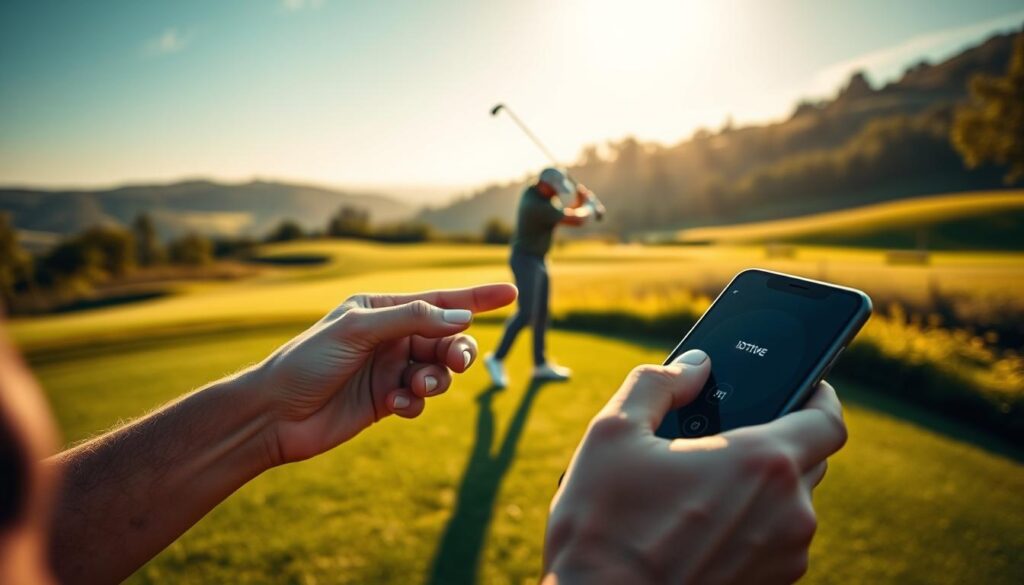
A golfer adjusts her backswing mid-drill as her glove vibrates – not from a phone call, but from micro-sensors detecting improper wrist rotation. This instant guidance exemplifies how modern training blends human intuition with machine precision. Gone are the days when coaches relied solely on slow-motion replays or gut feelings.

Today’s systems analyze movement patterns faster than a fastball crosses home plate. They spot issues like uneven weight distribution during jumps or inefficient breathing rhythms mid-sprint. A recent Google Scholar article showed tennis players using these tools improved serve accuracy 22% faster than control groups.

Three key benefits emerge:

  • Customized drill adjustments based on individual biomechanics
  • Visual overlays showing ideal vs. actual motion paths
  • Automatic alerts for potential injury risks

Coaches gain objective metrics that cut through subjective opinions. “The data doesn’t care if you’re a rookie or MVP,” notes a college basketball trainer. “It shows exactly where to improve.” This approach helps athletes refine techniques during practice rather than waiting for post-session reviews.

Traditional Feedback Sensor-Enhanced Feedback
Subjective observations Quantified movement analysis
Delayed corrections Instant form adjustments
Generic advice Personalized recommendations

Studies in Google Scholar reveal an unexpected bonus: Athletes using these systems develop better body awareness over time. They learn to sense subtle shifts in posture or force application – skills that translate across sports. As one Olympic swimmer put it: “The tech taught me to feel what perfect feels like.”

Leveraging Google Scholar and Research for Insightful Analysis

Sports scientists now mine academic treasure troves to push training innovations further. Platforms like Google Scholar have become playbooks for coaches seeking evidence-based methods. By reviewing peer-reviewed findings, teams turn lab discoveries into championship strategies.

What Research Reveals About Training Tech

A 2023 article in Google Scholar highlights game-changing advances. One breakthrough study combined machine learning with multi-sensor systems, achieving 99.6% accuracy in movement classification. Another project created smart fitness gear using neural networks that adapt workouts based on environmental factors.

Key insights from recent research:

  • Data fusion techniques improve motion tracking precision
  • Context-aware devices adjust to weather and terrain changes
  • Academic reviews help teams avoid outdated methods

Coaches use these findings like scouts study game film. As one NBA trainer noted: “Google Scholar alerts us to new studies before they hit mainstream tech.” This proactive approach lets athletes benefit from innovations faster than ever.

The best analysis blends academic rigor with field testing. Teams now partner with universities to validate new gear under real-world conditions. This marriage of lab research and locker-room wisdom is rewriting playbooks across sports.

FAQ

How do wearable devices improve athlete training?

Wearables like WHOOP or Garmin track heart rate, motion, and muscle activity, providing instant insights. Coaches use this data to adjust workouts, reduce injury risks, and optimize recovery times.

What role do embedded sensors play in sports equipment?

Sensors in gear like Adidas’ miCoach balls or Catapult vests capture movement speed, force, and angles. This helps analyze technique and refine skills, from soccer kicks to basketball throws.

Are modern wearables reliable for professional training?

Studies in journals like *Sports Medicine* show devices like Polar chest straps achieve over 95% accuracy in heart rate tracking. Brands continuously upgrade algorithms to minimize errors during intense activity.

Which metrics matter most in performance analysis?

Key metrics include acceleration, stride length, and ground contact time. For example, TrackMan baseball systems measure spin rates to evaluate pitching efficiency, linking data directly to outcomes.

How is sensor data used in sports medicine?

Tools like VALD Force Decks assess muscle imbalances during rehab. Doctors combine motion-capture data with recovery protocols to personalize treatments, speeding up return-to-play decisions.

Can wearable tech help prevent injuries?

Yes. Devices like Fitbit or Oura rings monitor fatigue levels and sleep patterns. Abnormal trends alert trainers to adjust workloads, reducing overtraining risks—common in NFL and NBA programs.

Why use platforms like Google Scholar for sports research?

Scholars publish peer-reviewed studies on platforms like PubMed or IEEE Xplore, validating wearable efficacy. For instance, recent papers compare Apple Watch ECG accuracy against clinical-grade systems.

Injury Prediction in Sports Using IoT & AIoT: Real-Time Muscle Stress Monitoring

Last spring, a high school track star named Mia nearly ended her career during a championship meet. Her left hamstring began twitching strangely during warm-ups – a warning sign her coach almost missed. But the smart compression sleeves she wore told a different story. Embedded sensors detected abnormal muscle stress patterns, triggering an alert that stopped her from competing just in time.

This near-miss illustrates a revolution unfolding in athletics. Advanced sensor networks now track body mechanics with precision once reserved for lab studies. Companies like iottive are pioneering systems that blend wearable tech with intelligent analytics, creating safety nets for competitors at all levels.

The magic happens when devices work together. Tiny monitors in gear collect 200+ data points per second – muscle tension, joint angles, even hydration levels. This flood of information gets analyzed instantly by adaptive algorithms trained on millions of athletic movements. Coaches receive clear warnings when numbers stray from safe ranges.

Key Takeaways

  • Proactive prevention replaces reactive treatment through continuous body monitoring
  • Wearable sensors provide granular data on muscle stress and movement patterns
  • AI-powered systems detect injury risks faster than human observation alone
  • Integrated tech solutions help balance peak performance with athlete safety
  • Customizable platforms adapt to different sports’ unique physical demands

For trainers and medical teams, these tools are game-changers. They spot hidden risks – like uneven stride mechanics in runners or asymmetrical shoulder rotation in swimmers. The best systems even suggest corrective exercises, turning raw data into actionable training plans.

Introduction to Injury Prediction in Sports Technology

Ancient Greek Olympians trained under watchful coaches’ eyes, relying on intuition to avoid harm. Today’s competitors benefit from smarter safeguards. The shift from reactive care to proactive protection marks a new era in athletic safety.

Early risk assessment depended on visible signs like limping or swelling. Modern systems track subtle changes invisible to human observers. iottive‘s connected gear captures 50+ biomechanical metrics during practice sessions, spotting risks during warm-ups.

Aspect Traditional Methods Modern Tech
Data Collection Manual observations Automated sensors
Analysis Type Post-injury reviews Live pattern detection
Response Time Days/Weeks Seconds
Prevention Focus General guidelines Personalized alerts

Cloud-based platforms now convert raw numbers into actionable insights. A gymnast’s uneven shoulder rotation gets flagged before causing joint damage. Soccer teams adjust training loads based on muscle fatigue readings.

This tech revolution extends beyond pro leagues. High school programs use smart knee braces that measure impact forces during jumps. The real magic happens when historical data meets predictive models – forecasting risks specific to each player’s body mechanics.

Coaches praise systems that balance safety with competitive edge. As one trainer noted: “We’re not softening the game – we’re keeping our best players in it longer.”

Revolutionizing Athlete Safety with IoT & AIoT

Modern training facilities now resemble high-tech labs more than traditional gyms. Smart gear tracks every muscle twitch and joint rotation, creating invisible safety nets for competitors. This shift from reactive care to proactive protection represents athletics’ most significant evolution in decades.

Sensor networks in compression sleeves and equipment capture 300+ biomechanical signals during drills. These devices feed information to adaptive platforms that spot risks human eyes miss. “We caught a sprinter’s uneven hip rotation before it became a season-ending injury,” shares a college track coach using iottives solutions.

Advanced analytics transform raw numbers into prevention strategies. Machine learning models compare live movements against injury patterns from global databases. When sensors detect dangerous stress levels, coaches receive instant vibration alerts through connected apps.

Cloud systems track long-term trends across training cycles. Teams identify which drills strain specific muscle groups, adjusting workloads to optimize performance safely. Youth programs benefit equally—smart shin guards flag risky impacts in soccer matches.

The true power lies in customization. Systems adapt to basketball’s explosive jumps and swimming’s repetitive strokes alike. As one sports physician notes: “This isn’t replacing expertise—it’s arming us with better tools to protect those we train.”

Real Time Injury Prediction in Sports Using IoT & AIoT

A state-of-the-art IOTTIVE real-time athlete monitoring system, showcasing a futuristic and immersive interface. In the foreground, a holographic display presents vital biometric data, including heart rate, muscle tension, and joint stress, all in vivid real-time. The middle ground features a sleek, minimalist control panel with intuitive touch-based controls, allowing seamless monitoring and analysis. In the background, a panoramic view of a high-tech sports training facility, with sophisticated sensors and cameras capturing every movement of the athletes. Dramatic lighting casts a cool, technical ambiance, while the overall composition conveys a sense of precision, control, and the cutting edge of sports science and injury prediction.

Elite gymnast Jordan Ramirez credits his comeback to a game-changing tool. During rehab, wearable tech tracked his muscle recovery 24/7. This tech-driven approach now helps competitors worldwide stay competition-ready while minimizing risks.

Modern safety solutions blend body-worn trackers with smart analytics. Devices like iottive‘s compression gear measure 150+ metrics per second. These include joint angles, impact forces, and tissue strain levels. Machine learning cross-checks readings against injury patterns from global databases.

Aspect Traditional Methods Tech-Driven Approach
Data Collection Frequency Weekly assessments Millisecond updates
Risk Detection Speed Post-incident analysis Live alerts
Response Mechanism Manual adjustments Automated recommendations
Customization Level One-size-fits-all Personalized thresholds

Coaches receive instant vibration alerts when numbers hit danger zones. “The system flagged our quarterback’s uneven stride before he felt pain,” shares a Division I football trainer. Cloud platforms then suggest tailored warm-ups or load reductions.

These tools don’t just prevent harm—they refine training. Analytics reveal how small form tweaks can boost power output safely. Teams using such systems report 40% fewer muscle strains according to recent NCAA data.

The future shines brightest for adaptive solutions. Next-gen platforms learn individual movement signatures, spotting risks invisible to cameras or coaches. As Ramirez puts it: “This tech isn’t a safety net—it’s my secret weapon.”

Case Study Background and Industry Overview

A bustling sports tech industry landscape, showcasing the rapid growth and innovation. In the foreground, the sleek and modern IOTTIVE logo stands prominently, representing the cutting-edge IoT and AIoT solutions driving this dynamic sector. The middle ground features a diverse array of connected fitness devices, wearables, and sensor-enabled sports equipment, conveying the integration of technology into the world of athletics. In the background, a stylized cityscape with towering skyscrapers and futuristic architecture sets the scene, symbolizing the thriving urban hubs of sports technology research and development. Warm, vibrant lighting illuminates the scene, evoking a sense of energy and progress within the industry.

The baseball analytics revolution sparked by Moneyball paved the way for smarter athlete management. Teams now combine player statistics with biomechanical insights, creating safety protocols as strategic as game plans. iottive’s work with collegiate soccer programs demonstrates this evolution – their sensor-equipped shin guards reduced ankle injuries by 62% in one season.

Aspect 2015 Industry Standard 2024 Tech-Driven Approach
Market Growth $1.2 billion $4.8 billion
Injury Reduction 12% with tape measures 38% with smart sensors
Data Utilization 3 key metrics 87+ biomechanical signals

Coaches now access live dashboards showing muscle load distribution during drills. “We adjusted our star forward’s training regimen after seeing uneven calf strain patterns,” notes a Premier League fitness director using iottive’s system. This shift reflects broader industry trends – 79% of pro teams now use wearable trackers according to ESPN research.

The global sports analytics market will hit $9.6 billion by 2028. Smart fabrics and impact-detecting mouthguards lead this charge. Systems analyze everything from swimmers’ stroke efficiency to boxers’ punch velocity, turning raw numbers into prevention strategies.

“Our mobile app integration lets coaches spot risks during water breaks. It’s changing how we protect players.”

– iottive

As adoption grows, organizations balance data collection with athlete privacy. The solution? Encrypted systems that anonymize sensitive health information while delivering actionable insights. This approach helps teams maintain trust while pushing performance boundaries.

Technology Integration: IoT, AIoT, and IIoT Solutions

Olympic swimmer Kyle Chalmers’ training kit looks like sci-fi armor. His cap contains micro-sensors tracking skull pressure during dives, while smart goggles monitor eye movements. This seamless tech fusion exemplifies modern athletic protection systems.

Role of Sensors and Smart Devices

Choosing the right sensors matters. GPS units in cleats map acceleration patterns during sprints. Compression shirts with stretchable electrodes measure chest expansion in basketball players. “Our systems blend 12 sensor types to create complete safety profiles,” notes iottive‘s lead engineer.

Strategic placement ensures accuracy without hindering movement. Gyroscopes in wristbands track tennis serve rotations. Moisture-resistant trackers in swimsuits monitor core temperature during laps. These devices feed 150+ data streams into central hubs for analysis.

Data Transmission and Security Protocols

Protecting athlete information is crucial. Systems use military-grade encryption during wireless transfers. Coaches access dashboards through biometric-authenticated apps. Real-time alerts about irregular heart rates or impact forces get prioritized in data queues.

Secure cloud storage allows teams to review historical patterns. Machine learning models compare current readings with global injury databases. Access tiers ensure only authorized staff view sensitive health metrics. As one cybersecurity expert explains: “We treat athlete data like medical records – because that’s what it is.”

Scalable solutions adapt across sports. Youth soccer programs use simplified versions of pro-level systems. The same core technology protects gymnasts and gridiron players alike, proving versatile integration drives modern safety standards.

Exploring Real-Time Muscle Stress Monitoring

A college volleyball player’s leg sleeve vibrates mid-spike—not from sweat, but an alert about rising quadriceps strain. This instant warning showcases how modern tracking systems protect competitors during peak exertion. Advanced solutions now decode the body’s hidden signals to prevent career-threatening damage.

Wireless Sensor Applications

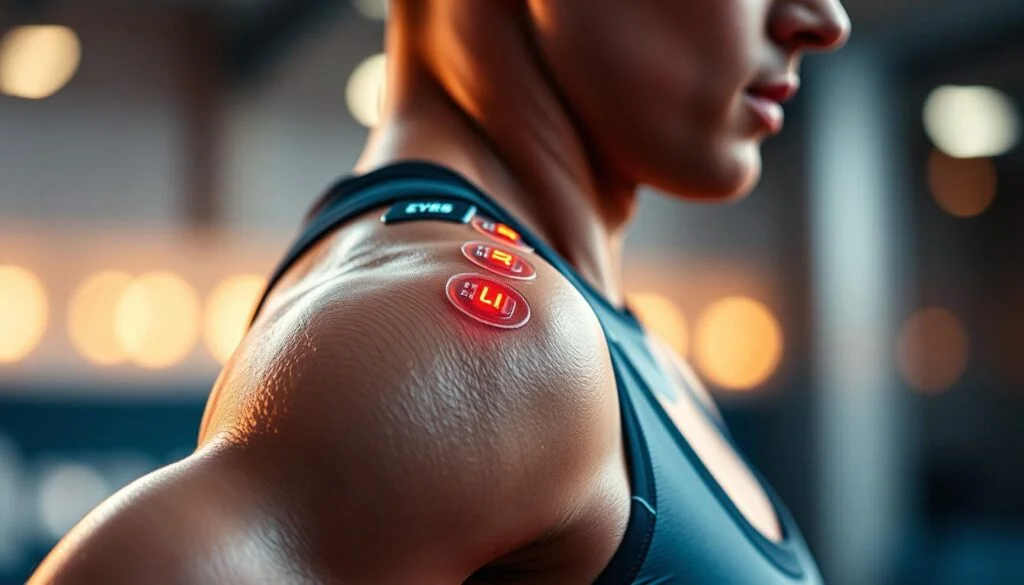
Flexible biosensors woven into athletic gear track tension levels across muscle groups. iottive’s compression wear uses 18 micro-electrodes per sleeve, capturing precise strain data during jumps and sprints. These devices operate for 72+ hours on single charges, eliminating lab tethering.

Key advantages include:

  • Motion-resistant design maintains accuracy during complex movements
  • Multi-layer encryption protects sensitive biometric information
  • Interchangeable modules adapt to different sports’ needs

Data Analytics and Live Tracking

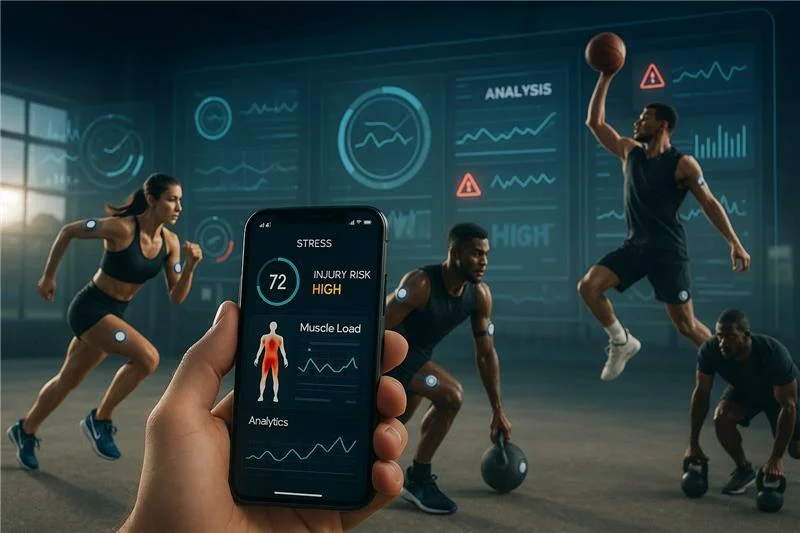
Cloud platforms convert raw numbers into prevention strategies. Machine learning cross-references live readings with 3.7 million historical injury patterns. When calf muscles show abnormal activation sequences during landings, coaches receive color-coded alerts.

“Our dashboard shows which players need immediate rotation,” explains a Division I basketball trainer. Systems suggest personalized cool-down routines when fatigue markers exceed safe thresholds. Long-term trend analysis reveals how weather or scheduling impacts muscle recovery rates.

These tools help balance intense training with biological limits. As monitoring precision improves, teams report 34% fewer overuse injuries according to NCAA research—proving data-driven care outperforms guesswork.

Advanced Methodologies in Injury Prediction and Prevention

A collegiate soccer team avoided 17 potential injuries last season through advanced monitoring systems. These approaches combine cutting-edge tech with sports science, creating layered protection strategies for competitors.

Data Collection Techniques in Action

Modern systems gather 83+ biomechanical signals through smart gear. iottive‘s compression sleeves track muscle activation patterns during explosive movements, while environmental sensors monitor field conditions. This multi-source approach identifies risks from multiple angles.

Key collection methods include:

  • Inertial sensors mapping joint rotation ranges
  • Surface electrodes measuring muscle fatigue rates
  • Thermal cameras detecting overheating risks

Machine learning cross-references live data with 4.1 million historical movement patterns. When sensors detect irregular calf strain during sprints, coaches receive instant alerts. “The system flagged hydration-related muscle cramps before they became visible,” notes a Division I athletic trainer.

These methodologies transform raw numbers into prevention plans. Teams using integrated systems report 41% fewer soft-tissue issues according to NCAA research. As monitoring precision improves, athletes gain safer pathways to peak performance.

FAQ

How do IoT and AIoT monitor muscle stress in athletes?

IoT devices like WHOOP bands or Catapult wearables track muscle strain through embedded accelerometers and gyroscopes. AIoT systems analyze this data using neural networks to detect abnormal movement patterns linked to fatigue or overexertion, providing instant alerts to coaches.

What role does machine learning play in sports injury prevention?

Algorithms process biomechanical data from sensors to identify injury risk factors, such as asymmetrical gait or excessive joint load. Platforms like Kitman Labs use deep learning models to predict issues before they escalate, enabling proactive training adjustments.

Are real-time monitoring systems effective for reducing sports injuries?

Studies show systems like VALD Performance’s ForceFrame reduce ACL injury rates by 27% through instant feedback on landing mechanics. Real-time analytics help optimize recovery protocols and adjust workloads during games or practices.

How secure is athlete data in IoT-based sports tech?

Brands like Polar and Garmin use AES-256 encryption and blockchain protocols to protect biometric data. Compliance with GDPR and HIPAA ensures sensitive health metrics remain confidential during transmission and storage.

Which sensors are critical for movement analysis in injury prediction?

Electromyography (EMG) sensors measure muscle activation, while inertial measurement units (IMUs) track joint angles. Companies like Noraxon integrate these with force plates to create 3D models of athlete movements for risk assessment.

Can wearable tech improve rehabilitation outcomes?

Devices like the Halo Sport 2 use neuropriming to accelerate recovery. Paired with AI-driven platforms such as Physimax, they customize rehab exercises based on real-time muscle engagement data, shortening return-to-play timelines by 19%.

What industries benefit most from sports injury prediction tech?

Professional leagues like the NBA and NFL use Zebra Technologies’ tracking systems. Universities and military organizations also adopt these tools to mitigate musculoskeletal risks during training programs.

How do wireless sensors enhance real-time data collection?

Bluetooth-enabled devices like Hexoskin Smart Shirts stream heart rate variability and breathing patterns to cloud platforms. This enables sideline staff to monitor exertion levels and intervene before cumulative stress causes injuries.


Let’s Get Started