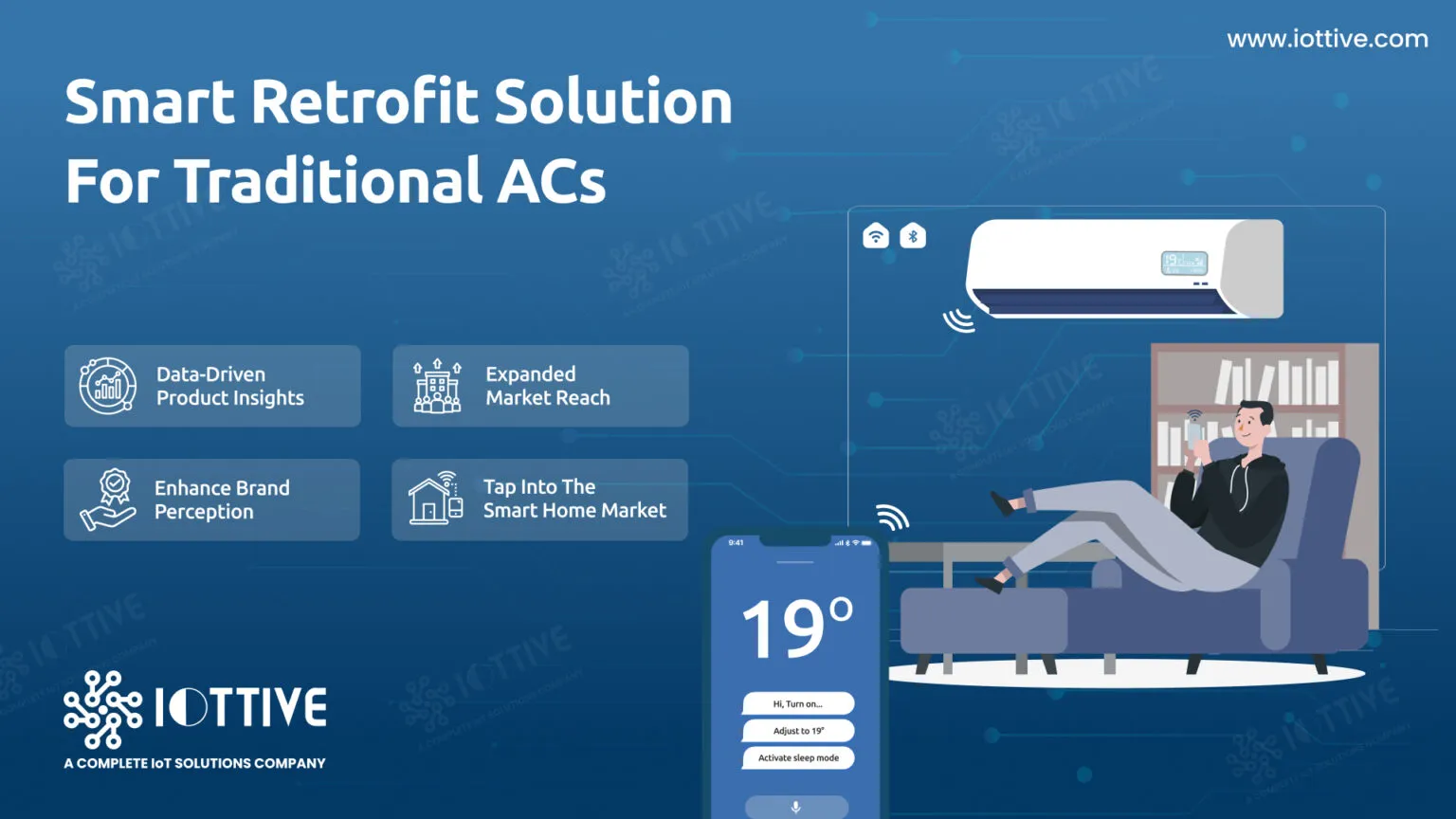
Unlock New Business Potential by Transforming Traditional AC Units into Smart ACs

Introduction

As technology reshapes the way we live, smart appliances are becoming an integral part of modern homes. Among them, Smart Air Conditioners (Smart ACs) are gaining significant traction for their convenience, efficiency, and connectivity. For manufacturers of traditional ACs, this evolution represents a golden opportunity not only to upgrade existing product lines but also to unlock new business potential.This blog explores how integrating smart protocols can turn traditional ACs into powerful, connected devices—and how that transformation can benefit your business and your customers. IOTTIVE can help make that transformation seamless.

The Power of Smart Protocols and Connectivity

At the heart of Smart ACs lies connectivity, enabled through protocols like Wi-Fi, Bluetooth, Zigbee, or cellular networks. By integrating these technologies, traditional ACs can be transformed into intelligent, interactive devices that offer control, automation, and insights.This not only delivers a more personalized experience to users but also opens the door to long-term business benefits through data, services, and differentiation. Companies like IOTTIVE specialize in providing smart solutions tailored to such needs, helping manufacturers build future-ready appliances.

Business Benefits for AC Manufacturers

Upgrading to Smart ACs isn’t just about catching up—it’s about moving ahead. Here’s how your business can benefit from adopting smart technology:
1. Increased Product Value and Premium Pricing : Smart features position your product in a higher tier, allowing you to charge a premium and compete in the rapidly growing smart appliance market.2. Recurring Revenue Opportunities: Smart ACs enable cloud-based services, mobile apps, diagnostics, and even energy reports, unlocking subscription-based or usage-based revenue models.3. Faster Market Expansion: Smart features make your product more appealing to tech-savvy buyers and eco-conscious consumers, helping you expand into new demographics and regions.4. Brand Differentiation: Offer a next-gen experience that sets your brand apart. Smart functionality shows that your company is innovative and forward-thinking.5. Improved Customer Engagement: Mobile apps and dashboards give you a direct line to customers for push notifications, promotions, and personalized communication.6. Efficient After-Sales Service: With remote diagnostics, service centers can pre-identify issues, reduce repair time, and lower support costs, while boosting customer satisfaction.7. Insightful Usage Data : Smart ACs generate real-time usage data to help you understand user behavior, guide product development, and optimize future features.8. Compliance and Energy Certifications : Smart ACs help meet energy efficiency standards and eco-label certifications, attracting both consumers and governments in regulated markets.9. Modular Integration : You don’t have to start from scratch. Smart modules can be embedded in existing designs, reducing R&D investment and accelerating time to market.

Benefits for End Users

While Smart ACs drive business growth, they also deliver next-level comfort and control for users:
1. Remote Access : Control the AC from anywhere using a smartphone perfect for arriving at a pre cooled room or saving energy when away.2. Voice Assistant Integration : Connect with Alexa, Google Assistant, or Siri for hands-free control.3. Energy Efficiency and Savings : Enable cooling routines, switch to eco-mode, or activate sleep profiles for personalized comfort.4. Custom Scheduling and Modes : Enable cooling routines, switch to eco-mode, or activate sleep profiles for personalized comfort.5. Real-Time Monitoring : Track energy usage, get maintenance reminders, and receive fault alerts all in real time6. Enhanced User Experience : With modern UI/UX,app control, and smart home integration, Smart ACs fit seamlessly into a user’s connected lifestyle.

Upgrade Your AC Units To Smart ACs with IOTTIVE

Upgrade Your AC Units To Smart ACs with IOTTIVE
You don’t need to build everything in-house. By collaborating with IoT solution providers like IOTTIVE, you can retrofit existing models or launch new smart-enabled variants without lengthy development cycles or high costs.IOTTIVE specializes in enabling smart solutions across hardware, firmware, and mobile platforms—helping manufacturers turn ideas into fully functional smart productsWhether you’re a small-scale manufacturer or a market leader, now is the right time to evolve and lead.

Conclusion

Smart ACs are more than just a technological upgrade—they’re a strategic move toward long-term relevance and profitability. For users, they offer comfort, control, and energy savings. For manufacturers, they deliver product differentiation, recurring revenue, and customer loyalty.In a market where innovation drives growth, Smart ACs are the next logical step.

Don’t wait for the future—build it. Transform your AC units into smart, connected systems with IOTTIVE and deliver next-gen comfort and control to your customers.

Let’s Get Started

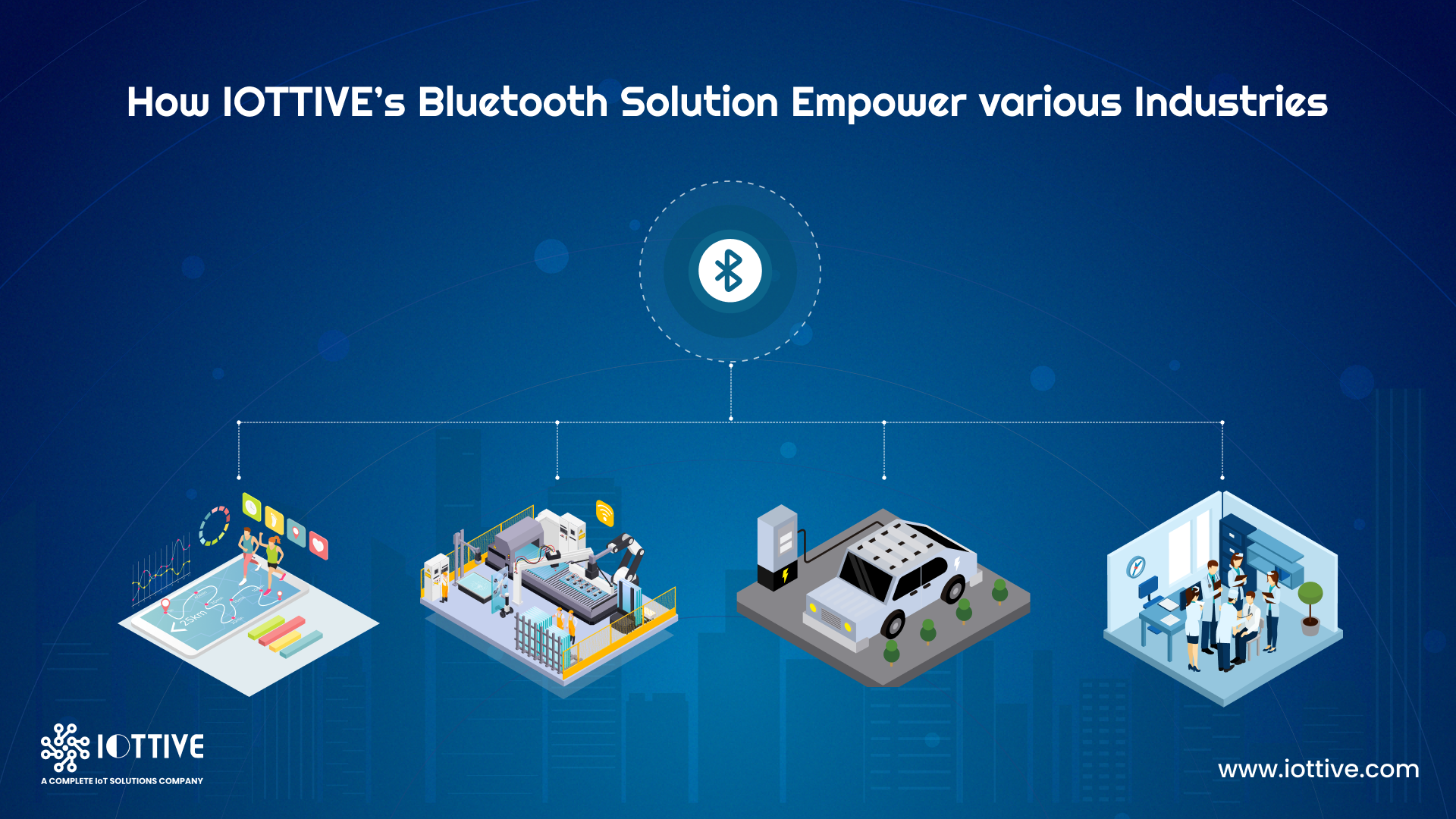
How IOTTIVE’s Bluetooth Solution Empower various Industries

Introduction of Bluetooth technology in a smart world

In today’s fast-moving and smart world, Bluetooth technology has become a critical enabler of innovation across multiple industries. From healthcare and automotive to retail and smart cities, its ability to provide seamless, low-power, and reliable wireless communication has transformed business operations.With advancements such as Bluetooth Low Energy (BLE), extended range, improved security, and mesh networking, industries can leverage Bluetooth for automation, real-time monitoring, and enhanced connectivity. This has increased efficiency, improved safety, cost reduction, and a better user experience.Let’s explore how Bluetooth is shaping different industries and driving operational excellence.

Bluetooth’s Impact on Various Industries

Bluetooth has transformed multiple industries by enabling:

Real-time connectivity & automation – Reducing manual efforts and increasing efficiency.

Seamless data transfer– Enabling IoT devices to communicate effortlessly.

Energy-efficient wireless solutions – Extending battery life and reducing power consumption.

Enhanced security & safety – Providing encrypted, secure connections for critical applications.

Improved customer experience – Creating personalized, smart, and interactive solutions.

Below are some of the major industries where Bluetooth is making a significant impact.

Industries Leveraging Bluetooth Technology

IOTTIVE’s Bluetooth enabled solution is helping various industries to achieve their goal more efficiently and effectively. Let’s learn more about the uses and benefits of leveraging Bluetooth technology in various sectors.

1. Healthcare: Enabling Smart Medical Solutions

Bluetooth technology is revolutionizing healthcare by making medical devices smarter and more efficient. It enables real-time patient monitoring, remote diagnostics, and seamless data sharing between healthcare providers and patients.

IOTTIVE’s Bluetooth-enabled healthcare solutions allow wearable medical devices to track vitals, detect anomalies, and transmit health data securely to cloud platforms or mobile applications, enabling better patient care and timely interventions.

  • Wearable Health Monitors: Smartwatches and fitness trackers monitor heart rate, oxygen levels, and ECG.
  • Remote Patient Monitoring (RPM): Patients can share real-time health data with doctors using Bluetooth devices.
  • Bluetooth Hearing Aids: These provide seamless integration with smartphones for better audio clarity.

Read our Case Studies:

Read our Case Studies:

  • Lara Health
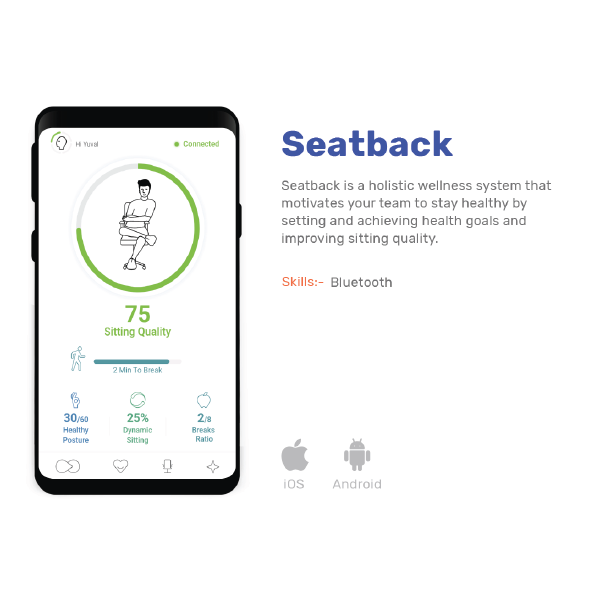
  • Seatback
  • Safey Health Application

2. Manufacturing (IIoT): Enhancing Efficiency and Automation

Industrial IoT (IIoT) is leveraging Bluetooth to improve productivity, safety, and predictive maintenance. BLE technology helps track assets, monitor machine performance, and ensure worker safety.
IOTTIVE’s Bluetooth-enabled IIoT solutions provide real-time asset tracking, machine health monitoring, and automated production insights, helping manufacturers reduce downtime, improve efficiency, and optimize resource management.

  • Asset Tracking & Management: BLE tags help track tools, equipment, and inventory.
  • Predictive Maintenance : Sensors detect machinery faults early, preventing downtime
  • Worker Safety: Wearables track environmental conditions and worker health.

   Read our Case Studies:

  • Colibri
  • IONA Tech
  • Sellenis Printers

3. Retail: Personalizing Customer Experience

Retailers are using Bluetooth to enhance engagement and optimize store operations. Beacons help deliver personalized marketing, real-time inventory management, and frictionless checkouts.

IOTTIVE’s Bluetooth-enabled retail solutions help stores deliver location-based promotions, track customer movement, and improve shopping experiences, ensuring better sales conversions and customer satisfaction.

  • Beacon Marketing: Sends personalized promotions and discounts to nearby customers.
  • Smart POS Systems : Bluetooth-enabled payment devices offer faster checkouts.
  • Inventory Tracking : BLE tags ensure better stock management and prevent losses.

 Read our Case Studies:

4. Automotive: Enabling Connected Vehicles

Modern vehicles rely on Bluetooth for hands-free communication, infotainment, and smart security features. BLE technology is widely used for keyless entry, vehicle diagnostics, and smart navigation.
IOTTIVE’s automotive Bluetooth solutions enable secure keyless access, vehicle tracking, and wireless infotainment integration, making cars safer, smarter, and more connected.

  • Hands-free Communication: Bluetooth enables voice-controlled calls and navigation.
  • Keyless Entry & Vehicle Tracking: BLE powered smart keys and GPS tracking enhance security.
  • Infotainment Systems: Bluetooth connects smartphones to car audio and control systems.

  Read our Case Studies:

  • VATA7
  • Camcrusher
  • AXON1.2

5. Home Automation: Creating Smart Living Spaces

Smart homes use Bluetooth for automation, security, and energy efficiency. BLE-enabled devices allow homeowners to control lighting, locks, appliances, and temperature remotely.

IOTTIVE’s Bluetooth-powered home automation solutions help users seamlessly manage smart locks, security cameras, and connected appliances, enhancing home security, energy efficiency, and convenience.

  • Smart Locks & Security Systems :
    Connected Lighting & Appliances:
  • Connected Lighting & Appliances : Users control home devices via Bluetooth apps.
  • Energy Management: Bluetooth sensors optimize power usage based on occupancy.

  Read our Case Studies:

6. Logistics & Asset Tracking: Improving Supply Chain Efficiency

Bluetooth is transforming logistics by providing real-time shipment tracking, fleet management, and warehouse automation. BLE beacons monitor cargo conditions, vehicle diagnostics, and inventory movement.
IOTTIVE’s Bluetooth solutions for logistics enable precise tracking of shipments, predictive maintenance of fleets, and real-time warehouse management, ensuring faster deliveries and reduced operational costs.

  • Shipment Monitoring :
    BLE sensors track the location and condition of packages.
  • Fleet Management : Bluetooth sensors optimize vehicle maintenance and fuel usage.
  • Warehouse Automation : BLE-based inventory tracking reduces human errors

  Read our Case Studies:

  • Hank
  • Hospital Asset Tracking

7. Sports & Fitness: Elevating Performance Tracking

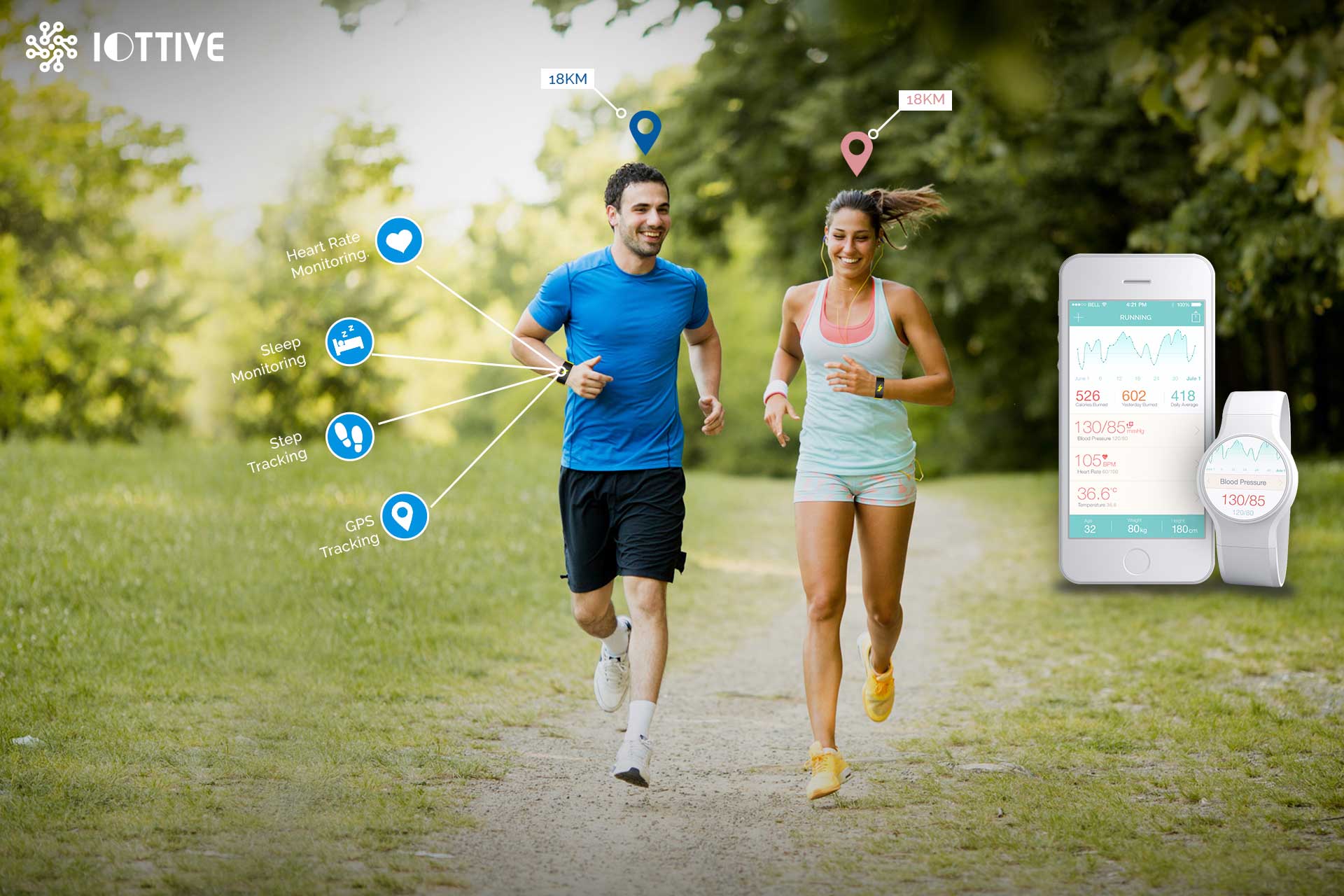
Athletes and fitness enthusiasts benefit from Bluetooth wearables that track performance metrics, heart rate, and workout progress. BLE sensors help optimize training and recovery.
IOTTIVE’s Bluetooth-enabled fitness solutions integrate real-time data tracking in smart wearables, gym equipment, and sports analytics, helping athletes train efficiently and achieve peak performance.

  • Smart Wearables :
    Track workouts, calories, and heart rate in real time
  • Connected Gym Equipment: Machines sync exercise data with fitness apps.
  • Sports Analytics : BLE sensors help analyze athlete performance for training improvements.

  Read our Case Studies:

  • Vertex Golf
  • Goal Smart

8. Security & Safety Devices: Enhancing Protection & Emergency Response

Bluetooth is a key component in smart security systems, emergency SOS devices, and access control solutions. BLE-powered gadgets help protect individuals, homes, and workplacesIOTTIVE’s Bluetooth safety solutions include wearable panic buttons, fall detection systems, and encrypted access control devices, ensuring rapid emergency response and enhanced security.

  • Bluetooth SOS Devices :
    Wearable panic buttons send alerts in emergencies.
  • Remote Fall Detection : Sensors detect falls and notify caregivers.
  • Access Control : BLE-based smart locks restrict entry to authorized individuals.

  Read our Case Study:

  • BluePass

9. Education: Enabling Smart Learning Environments

Education is evolving with Bluetooth-powered interactive learning tools, smart attendance tracking, and wireless classroom setups. BLE enhances connectivity between students, teachers, and digital devices.
IOTTIVE’s Bluetooth-enabled education solutions facilitate wireless learning tools, automated attendance systems, and seamless content sharing, creating a more interactive and efficient learning environment.

  • Wireless Classrooms :
    Bluetooth speakers and headsets enhance audio clarity.
  • Automated Attendance : BLE-based systems track student presence.
  • Smart Learning Devices : Tablets and digital pens provide interactive learning tools.

10. Agriculture

Agriculture is advancing with Bluetooth-powered smart farming tools, automated tracking, and wireless monitoring systems. BLE enhances efficiency in precision farming, livestock tracking, and environmental monitoring.
IOTTIVE’s Bluetooth-enabled agriculture solutions enable real-time crop monitoring, automated irrigation control, and livestock tracking, helping farmers optimize productivity and resource management.

  • Precision Farming : BLE sensors monitor soil moisture, temperature, and nutrient levels.
  • Livestock Tracking : Bluetooth tags track animal movement and health.
  • Automated Irrigation : BLE-enabled systems optimize water usage based on real-time data.

Final Thought

Bluetooth technology is a powerful enabler of efficiency, automation, and innovation across various industries. With improved range, security, and energy efficiency, Bluetooth continues to unlock new possibilities in healthcare, manufacturing, retail, automotive, smart cities, logistics, security, and more.As industries continue to adopt IoT-driven solutions, Bluetooth will play an even more crucial role in enhancing productivity, safety, and customer experiences.

💡 Is your business leveraging Bluetooth technology for smarter operations? Now is the time to embrace the future of connected solutions!

Contact us today!

React Native App Compliance With Google & Apple’s Latest Updates

Introduction

For react native developers & app owners, staying compliant with the latest Google Play and Apple App Store Policies is crucial to maintaining app store visibility, security & performance. Google and Apple frequently roll out new policies to ensure that all listed apps work properly. Failure to comply can lead to app delisting from the store, affecting revenue, users’ trust, and business growth.

In this post, we’ll explore the most recent updates affecting React Native apps, the risks of non-compliance, and how IOTTIVE can help you keep your app optimized and future-ready.

Google & Apple Updates That Impact React Native Apps

Android & Google Paly Requirements

To ensure better performance and user experience, mobile operating systems continuously evolve by implementing restrictions on background processes. Some of the key limitations include:

1️⃣ API Level 34 Mandate

  • Google requires all new and updated apps to target API level 34 (Android 14 and 15).
  • Apps that fail to update risk being removed from Google Play.
  • Benefits include better security, performance improvements, and compatibility with modern Android devices.

2️⃣ Google Play Billing Library v6+

  • Google enforces its billing policies, requiring apps to use Google Play’s official billing system for in-app purchases.
  • Non-compliance leads to blocked transactions and potential removal from the store.

3️⃣ Stricter Background Execution Limits

  • Android 14&15 introduces stricter rules on background activities, which affect push notifications, location tracking, and background services in React Native apps.

iOS 18 & Apple App Store Requirements

1️⃣ Xcode 16 & iOS 18 SDK Compliance

  • Apple requires new and updated apps to be built using Xcode 16 and iOS 18 SDK.
  • Apps that fail to meet this standard won’t be accepted in future submissions.

2️⃣ App Performance & UI Updates

  • iOS 18 includes changes that impact how React Native layouts render on iPhones and iPads.
  • New restrictions on background services and push notifications affect app functionality.

3️⃣ Monetization & Apple’s Billing System

  • Apple strictly enforces in-app purchase compliance with its billing policies.
  • React Native apps using third-party payment systems risk being rejected or delisted.

Impact of App Delisting on your business

If your React Native app does not comply with Google and Apple’s latest policies, it risks delisting, which leads to:

📉 Revenue Loss

  • Paid apps & in-app purchases get blocked on non-compliant apps.
  • Subscription-based React Native apps stop generating income if removed from the store.

🚫 User Engagement Drop

  • If your app is removed, users can’t find or update it.
  • Push notifications and background services stop working on outdated versions.

⚠️ Brand Reputation Damage

  • Users expect regular updates; an outdated or delisted app reduces trust in your business.
  • Negative app store reviews can harm future downloads and user retention.

🔄 Higher Reactivation Costs

  • Bringing a delisted React Native app back requires urgent fixes, retesting, and resubmission.
  • Migration to new architectures can be costly if delayed.

🔍 Lower Store Ranking & Visibility

  • Non-compliant apps may get demoted in search results, reducing new user acquisition.
  • Apps that don’t adopt the latest platform features may lose relevance.

How IOTTIVE Can Help Optimize Your React Native App

At IOTTIVE, we specialize in React Native App optimization, ensuring that your app meets the latest Android and iOS updates. Our expertise includes:

✅ React Native Compliance – Ensuring your app follows Google Play and Apple Store policies to avoid delisting issues.

Performance Optimization – Implementing Fabric, TurboModules, and Hermes for a faster, more efficient app.

Seamless API Integrations – Updating React Native apps for Google Play Billing v6+ and iOS 18 SDK compatibility.

Security & Stability Enhancements – Aligning your app with Android 14’s security updates and iOS 18’s data protection standards.

Migration to New Architecture – Helping businesses transition from legacy React Native frameworks to the latest React 19+ and new UI architectures.

UI/UX Enhancements – Improving the React Native UI experience for better user engagement across Android and iOS.We provide end-to-end solutions for React Native apps, ensuring they remain compliant, high-performing, and ready for future updates.

Conclusion

React Native developers and app owners must stay ahead of Google and Apple’s latest platform requirements. By proactively updating React Native apps, businesses can:

Maintain app store visibility and prevent delisting.

Ensure better security & performance on Android 14 & iOS 18.

Enhance user experience with the latest UI updates.

Avoid revenue loss due to compliance failures.🚀 Act now to keep your app competitive upgrade your React Native dependencies, test for compatibility, and ensure compliance.Need expert help? IOTTIVE ensures your React Native app stays compliant and optimized.

Contact us today!

The Impact & Benefits of IoT Integration Across Various Industries

Introduction & Expansion of IoT

The Internet of Things(IoT) is spreading rapidly in various industries, driving automation, real-time data analysis, and improved decision-making. Businesses across multiple sectors are leveraging IoT solutions to enhance efficiency, safety, and customer satisfaction & experience.

At IOTTIVE Pvt. Ltd., we specialize in IoT innovations that empower industries to optimize operations, reduce costs, and stay ahead in the digital transformation era. As IoT adoption expands, its impact on key industries continues to grow, making the way for a smarter and more connected world.

IoT’s Impact Across Various Industries

IoT is already revolutionizing multiple industries, improving efficiency, reducing operational costs, and enhancing user experiences. From real-time health monitoring in healthcare to predictive maintenance in manufacturing, IoT is solving real-world problems and opening up new opportunities for businesses.

By connecting devices, collecting data, and leveraging cloud computing, IoT enables smarter decision-making, automation, and seamless control across various sectors. Below, we explore how IOTTIVE’s IoT solutions are making a significant impact across different industries.

1. Healthcare & Smart Medical Devices

The healthcare industry is rapidly evolving with IoT-powered smart medical devices, enabling real-time patient monitoring, remote diagnostics, and automated hospital management.

IOTTIVE’s smart healthcare solutions in the healthcare industry help companies develop wearable health trackers, connected medical equipment, and health analytics, ensuring better patient care and reduced medical errors.

Read our Case Studies:

2. Manufacturing (Industrial IoT – IIoT)

The manufacturing industry is experiencing a major shift with the integration of IoT. Real-time equipment monitoring, predictive maintenance, and smart factory automation have significantly improved productivity and reduced downtime.

IOTTIVE provides IoT-driven solutions that enhance production efficiency for companies in the manufacturing sector, helping them reduce operational costs and minimize human errors.

  Read our Case Studies:

3. Home Automation & Smart Buildings

Smart homes and commercial buildings use IoT for energy efficiency, security, and automation.

IOTTIVE’s smart home solutions enable companies to create intelligent living spaces with advanced smart lighting, efficient HVAC control, and connected security systems, enhancing convenience, energy efficiency, and safety.

   Read our Case Studies:

4. Smart Retail & Supply Chain Management

IoT is transforming the automotive industry with connected vehicles, fleet management, and predictive maintenance.

IOTTIVE provides IoT-powered innovations in the transportation sector, improving driver safety, optimizing fuel consumption, and enabling real-time navigation.
 Read our Case Studies:

5. Automotive & Transportation

IoT is transforming the automotive industry with connected vehicles, fleet management, and predictive maintenance.

IOTTIVE provides IoT-powered innovations in the transportation sector, improving driver safety, optimizing fuel consumption, and enabling real-time navigation.

  Read our Case Studies:

6. Asset Tracking

Asset tracking with IoT enables businesses to monitor valuable equipment, prevent theft, and optimize resource allocation.

IOTTIVE’s expertise in the Asset Tracking industry enables companies to enhance visibility and security over their assets, ensuring efficient operations and real-time tracking.

  Read our Case Studies:

7. Sports & Fitness

IoT-powered wearables and connected sports & fitness equipment provide real-time performance tracking, personalized workouts, and health monitoring.

IOTTIVE’s smart sports solutions empower athletes and coaches in the sports and fitness industry with data-driven training insights and advanced performance analysis.

  Read our Case Studies:

8. Security & Safety Devices

IoT has improved security and safety devices, enabling smart surveillance, intrusion detection, and real-time emergency response.

IOTTIVE’s solutions for smart security and safety devices help companies create security systems for the Security and Safety Devices industry. These systems offer instant alerts and automated threat detection. We focus on creating reliable applications that ensure continuous device connectivity while overcoming OS limitations.

  Read our Case Studies:

9. Education & Smart Learning

IoT is revolutionizing the education industry by introducing smart classrooms, remote learning tools, and real-time student monitoring systems.

IOTTIVE’s smart education solutions empower educational institutions with AI-driven learning platforms, interactive digital boards, and IoT-enabled attendance tracking, fostering a more immersive and personalized learning experience.

10. Agriculture & Precision Farming

IoT in agriculture is driving precision farming, optimizing resource usage, and improving crop yields through automated irrigation and soil monitoring systems.

IOTTIVE empowers farmers & agriculture industry with IoT solutions, allowing them to leverage data-driven insights for improved efficiency and sustainable agricultural practices.

Conclusion

The impact of IoT on industries is undeniable, transforming business operations, improving decision-making, and enhancing user experiences. From smart healthcare devices to industrial automation, connected retail to smart education, IOTTIVE is leading the way in delivering advanced IoT solutions to a wide range of industries.

🚀 Are you looking to integrate IoT into your industry? Partner with IOTTIVE for innovative IoT solutions that drive efficiency, security, and growth. Let’s build a smarter future together!


Contact us today!

Read our Case Studies:

Contact us today!

The Hidden Challenge: How Background Restrictions Impact Smart Safety Devices

Introduction

Smart safety devices have become an essential part of modern life, offering solutions for personal security, elder and child care, and pet tracking. Devices such as SOS systems, fall detection sensors, and GPS trackers ensure safety and peace of mind. However, while these devices rely on mobile applications to function effectively, they face an often-overlooked challenge: Background Restrictions.

Both Android and iOS impose strict background process restrictions to optimize battery life and enhance security. While these measures benefit users, they can also interfere with the real-time performance of smart safety devices, leading to delayed alerts, unreliable location tracking, and inconsistent data transmission.

In this blog, we will explore how these Background Restrictions impact various smart safety devices and what solutions can help mitigate these challenges.

Understanding Background Restrictions

To ensure better performance and user experience, mobile operating systems continuously evolve by implementing restrictions on background processes. Some of the key limitations include:

⦁ Background Process Restrictions:

Apps are often put into a suspended state, limiting their ability to run real-time monitoring and alerts.

⦁ Battery Optimization Policies:

Many OS versions restrict background activity to conserve battery life, which can result in delayed or missed notifications

⦁ Location Access Restrictions:

For privacy reasons, continuous GPS tracking is limited, affecting real-time tracking applications.

⦁ Network and Sensor Access Constraints:

Apps may face interruptions in accessing WiFi, Bluetooth, or mobile networks when running in the background, affecting IoT-based safety devices.

To ensure better performance and user experience, mobile operating systems continuously evolve by implementing restrictions on background processes. Some of the key limitations include:

Real-World Impact on Smart Safety Devices Caused by OS Limitations

1. SOS Devices

SOS devices rely on instant emergency alerts to notify caregivers or emergency contacts. However, Mobile OS Background Restrictions can cause:

⦁ Delayed message or call triggers.

⦁ Interruptions in continuous location sharing make it difficult to pinpoint a user’s location in real-time.

⦁ Challenges in keeping the app running actively for emergency response.

2. Remote Fall Detection Systems

Wearable and IoT-based fall detection systems monitor user movements to detect sudden falls. Mobile OS Background Restrictions can lead to:

⦁ Inconsistent data transmission between the wearable and the mobile app.

⦁ Delayed or missed alerts due to background restrictions.

⦁ Limitations in real-time monitoring and response time.

3. Elder and Kids Care Trackers

Devices that track the location of children and elderly individuals depend on seamless GPS and network connectivity. Mobile OS Background Restrictions can result in:

⦁ Delayed location updates, making real-time tracking ineffective.

⦁ App force-closing due to inactivity, leading to loss of monitoring.

⦁ Restricted notifications when an individual exits a predefined safe zone (geofencing).

4. Pet Trackers

Pet tracking devices use GPS and mobile networks to keep owners informed about their pet’s location. Mobile OS Background Restrictions can cause:

⦁ Gaps in GPS tracking due to suspended background services.

⦁ Connectivity issues when the app is not in the foreground.

⦁ Delays in receiving alerts if a pet goes out of a designated safe area.

5. Other IoT-Based Security Devices

Various IoT security devices, such as home monitoring systems and smart alarms, may also face:

⦁ Restrictions in real-time data synchronization.

⦁ Delays in push notifications or security alerts.

⦁ Limited background access to Bluetooth and WiFi networks, impacting device communication.

Workarounds and Solutions

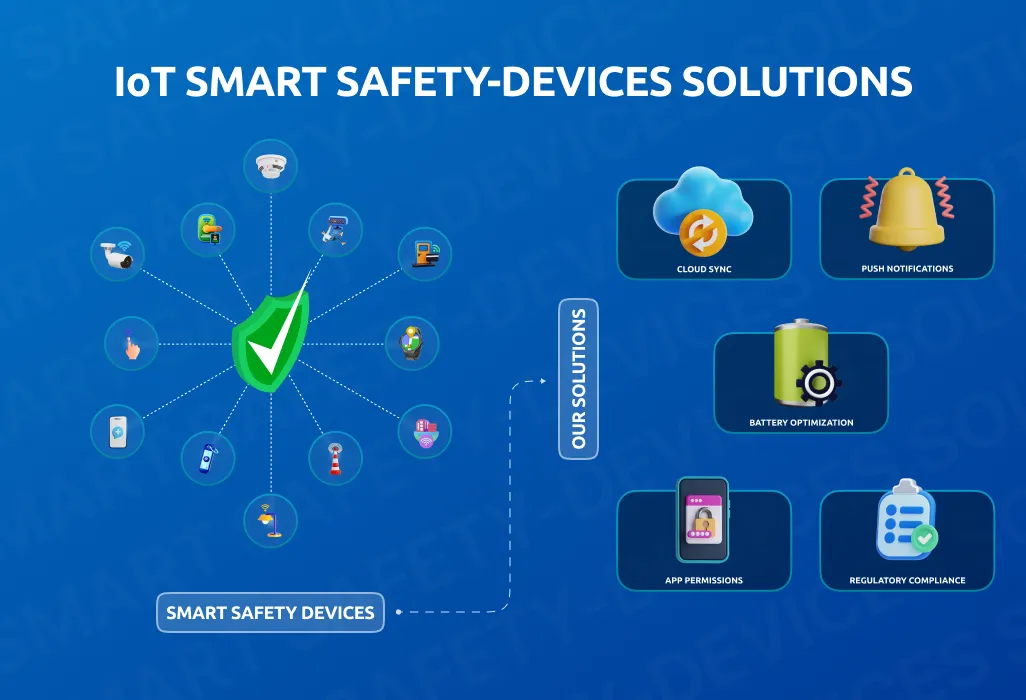
At IOTTIVE, we specialize in overcoming Mobile OS Background Restrictions to enhance the performance of smart safety devices. Our expertise in IoT, BLE, and Connected Devices allows us to implement robust solutions, including:

⦁ Optimizing App Permissions:

Ensuring that apps request and receive necessary permissions, such as “Always On” location access, helps maintain background functionality. Properly configured permissions prevent OS-imposed limitations on critical app features.

⦁ Leveraging Cloud-Based Processing:

Offloading data processing to cloud servers can reduce dependency on mobile background services and ensure seamless communication. This minimizes app activity requirements, improving performance and reliability.

⦁ Using Push Notification Services:

Implementing Firebase Cloud Messaging (FCM) or Apple Push Notification Service (APNS) helps ensure reliable alerts and real-time notifications, even when the app is in the background.

⦁ Battery Optimization Adjustments:

Many operating systems impose aggressive battery-saving policies that limit background activity. Educating users on disabling battery optimization for critical apps, configuring “Unrestricted” battery settings (on Android), and using foreground services ensures continuous monitoring and data transmission.

⦁ Foreground Services & Persistent Notifications:

Keeping essential services running in the foreground by utilizing persistent notifications ensures uninterrupted background operation. This technique is effective for location tracking, SOS alerts, and other critical real-time features.

⦁ Efficient Data Handling & Background Execution Limits:

Smart data compression, batching updates, and limiting resource-heavy background tasks can help apps work within OS constraints while maintaining performance.

⦁ Custom Watchdog Mechanisms:

Implementing in-app watchdog services that detect when background processes are restricted and restarting them automatically helps maintain continuous functionality.

Our tailored IoT solutions help businesses develop reliable, secure, and efficient smart safety applications that remain functional despite OS-imposed constraints.

Conclusion

Mobile OS Background Restrictions can impact the reliability of smart safety devices, leading to delayed alerts and interrupted monitoring. At IOTTIVE, we tackle these challenges with expert IoT solutions, ensuring seamless performance for your smart safety applications.

Looking to enhance your IoT devices? Partner with IOTTIVE today and take your smart safety solutions to the next level!


Contact us today!

The Rise of Beacons: Driving Smarter Solutions for the Modern World

Introduction

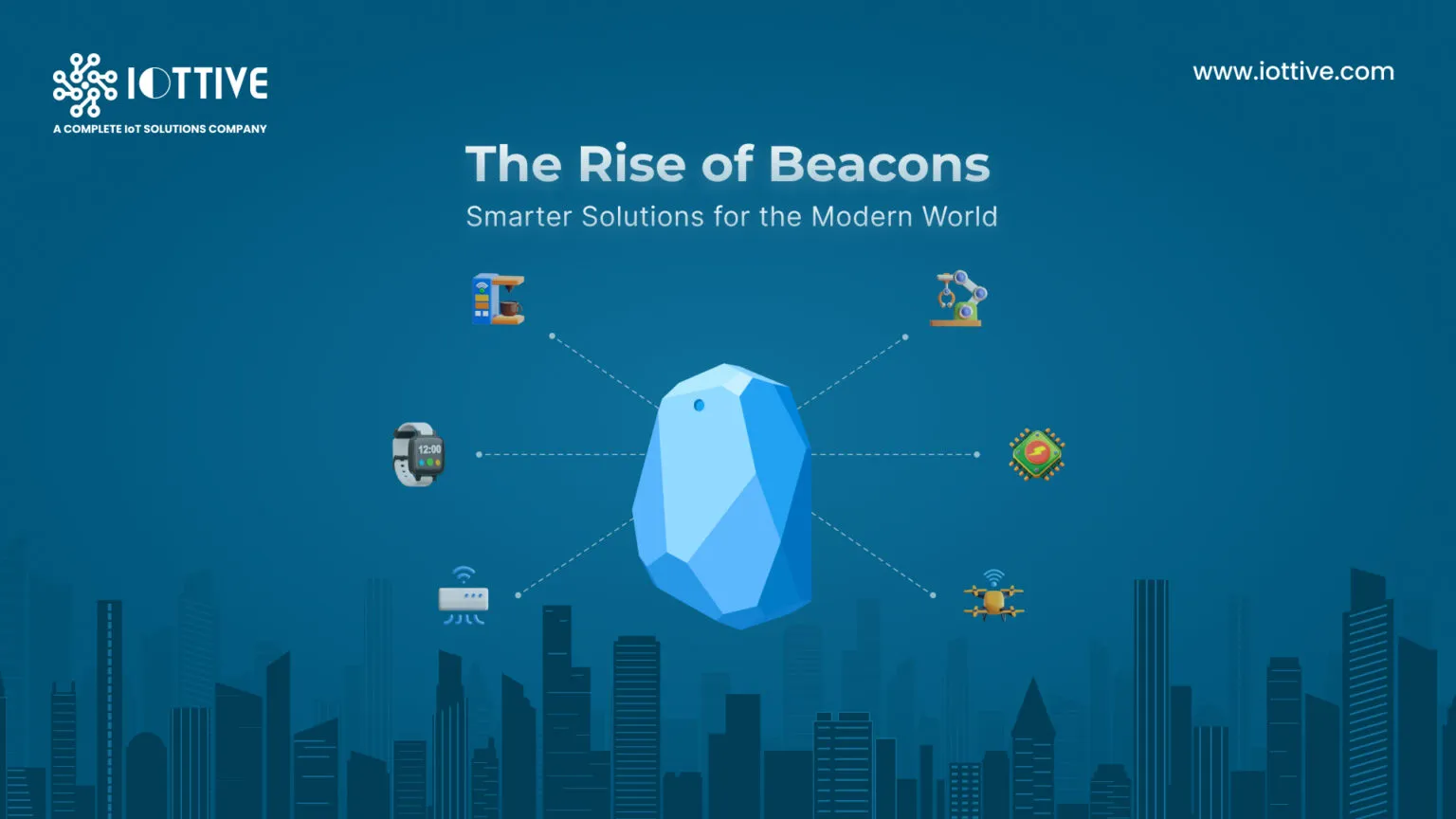
In the ever-evolving and competitive world of technology, beacons are among humankind’s most useful innovations. Beacons are small, low-power devices that send a unique signal to nearby smartphones or tablets. They don’t collect data or track users but provide information to apps, which can trigger actions based on how close the user is. Having worked in this industry for more than eight years, we’ve identified and addressed some of the major challenges faced by different sectors before using beacon technology.

Challenges Faced by Different Industries Before Using Beacon Technology

Beacon technology has addressed several challenges that industries previously struggled with. Here are some of the major issues faced by different sectors:

⦁ Product Finding (Retail Industry):

Difficulty in helping customers locate products quickly in-store, leading to inefficiencies and a poor shopping experience

⦁ Location-Based Alerts (Retail and Hospitality):

Challenges in delivering timely and relevant alerts without overwhelming or annoying users.

⦁ Indoor Navigation (Public Infrastructure and Healthcare):

GPS was unreliable indoors, making it difficult to navigate large and complex spaces like hospitals, airports, and malls.

⦁ Agriculture (Agriculture Industry):

Inability to effectively monitor crops, environmental conditions, and farming equipment, resulting in inefficient farming practices.

⦁ Safety (Construction and Manufacturing):

Delays in locating workers during emergencies and difficulties in monitoring safety protocols in hazardous environments.

⦁ Supply Chain Management (Logistics and Manufacturing):

Lack of real-time tracking and visibility across supply chains, leading to inefficiencies and delays in operations.

⦁ Customer Engagement (Retail and Marketing):

Difficulty in personalizing interactions and communicating with customers at the right time, impacting engagement and loyalty.

⦁ Smart Building Management (Real Estate and Facility Management):

Inefficiencies in optimizing energy usage and manually maintaining building facilities.

⦁ Tourism and Visitor Management (Tourism and Hospitality):

Issues with managing large crowds and providing personalized experiences for visitors at popular destinations.

⦁ Event Management (Entertainment and Events):

Challenges in managing crowd flow and keeping attendees informed during large-scale events.

⦁ Healthcare Monitoring (Healthcare):

Difficulties in tracking patients, managing medical equipment, and monitoring real-time health metrics efficiently.

⦁ Asset and Fleet Management (Transport and Logistics):

Problems with tracking assets, optimizing fleet routes, and performing predictive maintenance, lead to operational inefficiencies.

Innovative Solutions Delivered with Beacon Technology by IOTTIVE

Our extensive work with Beacon Technology has enabled us to deliver tailored solutions that address diverse client needs across various industries. Below is a detailed overview of the cutting-edge solutions we’ve provided and the industries they are suited for:

1. Safety Devices

Ensuring safety is paramount, and we’ve developed an application designed to integrate seamlessly with safety devices. One of the standout features of this app is its ability to maintain connectivity with the device even if the app is force-closed. The safety device includes a physical button that, when pressed during an emergency, triggers an alert or notification which can be a location or emergency signal on a designated recipient’s phone.

Industries

⦁ Personal Safety (Consumer-focused devices)

⦁ Healthcare (Patient or elderly care monitoring)

⦁ Corporate Workplaces (Workplace safety for hazardous environments)

⦁ Education (Campus safety for students and staff)

2. Location-Based Alerts

We successfully implemented a project that uses beacon proximity to provide real-time notifications. This application triggers a notification when someone comes within a defined range of a beacon, making it ideal for use cases like personalized retail marketing, museum tours, or workplace safety.

Industries

⦁ Retail (In-store promotions and customer engagement)

⦁ Hospitality (Hotel check-ins and personalized guest services)

⦁ Events & Exhibitions (Interactive displays or visitor engagement)

⦁ Museums (Location-based guided tours)

⦁ Industrial Workplaces (Proximity-based alerts for safety)

3. Indoor Navigation

Navigating large indoor spaces, such as shopping malls, airports, or hospitals, can be challenging, as GPS technology doesn’t work well indoors. To address this, we developed an application that leverages beacon technology to provide accurate indoor navigation. Users can follow step-by-step directions to their desired location, enhancing their experience and reducing confusion in complex environments.

Industries

⦁ Retail (Shopping malls and large retail chains)

⦁ Healthcare (Hospitals and clinics)

⦁ Transportation (Airports, railway stations, and bus terminals)

⦁ Education (University campuses)

⦁ Corporate Offices (Large office complexes or coworking spaces)

4. Agricultural Solutions

In the agriculture industry, challenges like pipeline management, equipment maintenance, and tracking can lead to inefficiencies. We addressed these issues by designing an application that helps farmers and operators locate pipelines and equipment accurately. This solution significantly reduces time spent on maintenance and ensures resources are effectively managed, ultimately boosting productivity in agricultural operations.

Industries

⦁ Agriculture (Farms, irrigation systems, and equipment tracking

⦁ Forestry (Monitoring tools and maintenance routes)

⦁ Water Management (Pipeline tracking and management)

5. Product Finding and Asset Tracking

Tracking critical assets and locating essential products are common challenges in industries like healthcare, retail, and agriculture. Using beacon technology, we developed applications that simplify these processes. For example:

Industries

⦁ Healthcare (Tracking medical equipment and patient management)

⦁ Retail (Inventory tracking and customer guidance)

⦁ Agriculture (Equipment and resource monitoring)

⦁ Warehousing & Logistics (Asset management and shipment tracking)

⦁ Manufacturing (Tool tracking and operational visibility)

Conclusion

Beacon technology has developed into an innovative solution across various industries, effectively addressing significant challenges such as real-time tracking, personalized customer engagement, and indoor navigation. By improving safety in hazardous environments and enhancing efficiency in agriculture and supply chain management, beacons are facilitating more intelligent and interconnected solutions for contemporary society.

As technology continues to advance, the potential applications of beacons will expand, enabling businesses to deliver innovative, customized experiences and streamline operations like never before. The journey of leveraging beacon technology is just beginning, promising a future of smarter, more efficient systems across every sector.

At IOTTIVE, we specialize in developing productivity-enhancing solutions powered by beacons. Let’s connect to explore the possibilities!


Contact us today!

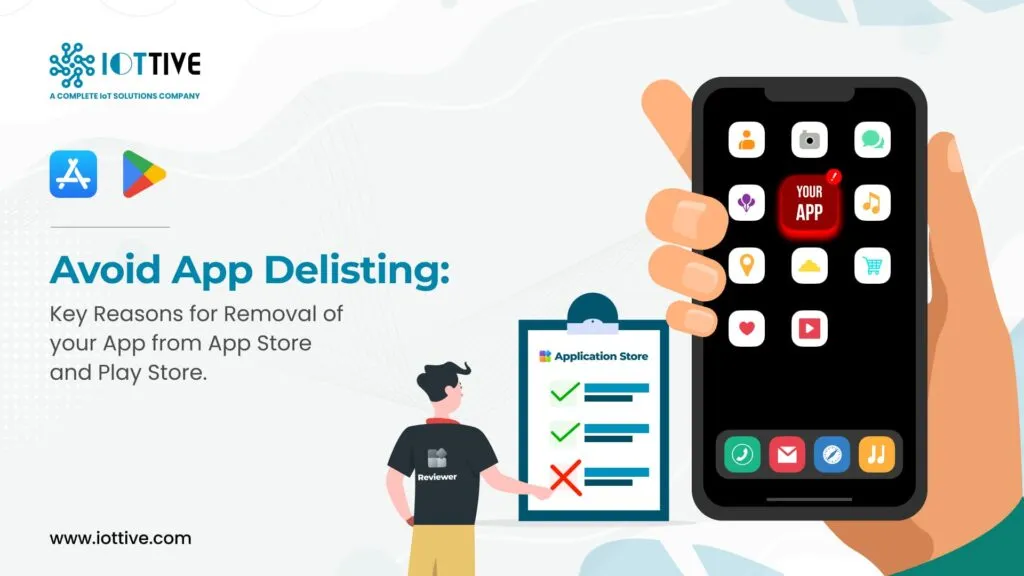
Avoid App Delisting: Key Reasons for Removal of your App from App Store and Play Store.

In today’s digital landscape, app stores are the primary gateways for users to discover and download applications. However, the ever-evolving policies of Apple and Google can lead to unexpected app delisting, potentially causing significant financial and reputational damage.

Here is some glimpse of the key reasons behind the delisting of apps from both App Store and Play Store, business impact done by delisting of apps, and how you can avoid delisting and protect your business.

Key Reason for Delisting of App

For iOS Apps

1. App Inactivity

One of the main reasons iOS apps get delisted is inactivity. Apple requires that apps be actively maintained to support new iOS features and meet current user expectations. If your app hasn’t been updated in a long time or doesn’t incorporate the latest iOS enhancements, Apple may remove it from the App Store.

2. Outdated Versions

Apple places a high priority on security and user safety. If your app fails to address known security vulnerabilities or doesn’t ensure compatibility with the latest iOS versions, it could be flagged for delisting. Apps that remain on outdated versions of iOS run the risk of being removed from the App Store.

3. Account Renewal

Your iOS Developer Account is crucial for maintaining your app’s availability on the App Store. If your developer account expires or isn’t renewed, your app could be suspended, leading to potential delisting.

For Android Apps

1. DUNS Number Verification

Google requires apps to have a verified payment profile, which includes a valid DUNS (Data Universal Numbering System) number. If your DUNS number isn’t verified or is missing, Google may suspend your app until the issue is addressed.

2. Latest Android Version Migration

Google frequently updates its Android operating system, and apps are required to comply with the latest version. For instance, apps must meet API level 34 or higher to ensure compatibility with the latest features and security protocols. Non-compliant apps may be flagged or removed.

3. Crash Frequency

Frequent crashes can lead to a poor user experience and potentially violate Google’s app quality standards. Apps that crash repeatedly or don’t handle errors properly are at risk of being flagged or delisted from the Play Store.

4. AdSense and Policy Compliance

Google has strict policies regarding the ads displayed within your app. Violations of Google’s advertising policies or breaches of Google’s Developer Program Policies can lead to serious consequences, including delisting your app.

Impact on Business from App Delisting

The potential removal or delisting of your app from the Apple App Store or Google Play Store extends far beyond being a technical issue; it is a critical business challenge with significant consequences. When an app is delisted, it doesn’t merely disappear from the store—it can disrupt revenue streams, diminish customer trust, and undermine your app’s market presence. Below, we delve into the various ways this can profoundly affect your business operations and overall success.

1. Loss of Visibility and Downloads

The most immediate consequence of delisting is the loss of visibility in the app store. With millions of apps available, your app’s presence in the store is critical for attracting new users. Without it, your potential customers may never find your app.

2. Revenue Loss

For many developers, apps are a primary source of revenue, whether through in-app purchases, subscriptions, or ad monetization. Delisting removes access to these revenue streams, directly affecting the financial health of your business.

3. Reputation Damage

Delisting from the app store can also harm your app’s reputation. Users may perceive a delisted app as unreliable or abandoned, potentially leading to negative reviews and a loss of trust in your brand.

4. Customer Attrition

If your app is delisted and you cannot offer it through official app stores, you risk losing your existing user base. Without the ability to easily update or manage your app through the store, user engagement can drop, and your app may become obsolete.

5. Increased Costs to Resolve Issues

The process of getting your app reinstated after delisting can be time-consuming and expensive. It may involve fixing compliance issues, updating outdated features, and re-submitting the app for review. In addition, your team may need to allocate resources to manage communication with Apple or Google’s support teams to resolve the situation.

What you can do to avoid delisting.

The risk of app delisting is a challenge, but it can be mitigated with proactive measures and continuous efforts to stay compliant with platform guidelines. Here’s an in-depth guide to safeguarding your app:

1. Regular Updates and Maintenance

Apps that are outdated or inactive are at risk of being delisted. Consistent updates demonstrate active maintenance, improving compatibility and performance.

  • Schedule regular updates to ensure compatibility with the latest iOS and Android versions.
  • Incorporate new OS features to enhance user experience (e.g., widgets, dark mode).
  • Address bugs and user feedback promptly to maintain app quality.

2. Monitor and Address App Performance

Apps with frequent crashes or performance issues may face removal due to poor user experiences

  • Use tools like Firebase Crashlytics or Sentry to track crash reports and app performance metrics.
  • Test your app thoroughly before every release to identify and fix potential issues.
  • Monitor app reviews and ratings to quickly spot and address performance complaints.

3. Stay Compliant with Policies

Apple and Google regularly update their guidelines, requiring apps to meet new security, privacy, and ad-related standards.

  • Review Apple’s and Google’s developer blogs for the latest policy updates.
  • Audit your app periodically to ensure it adheres to current guidelines.
  • Avoid policy violations by implementing transparent practices, particularly around ads and user data handling.

4. Verify and Renew Developer Accounts

An expired or unverified developer account can result in app suspension or delisting.

  • Ensure your developer account credentials are up-to-date, including payment profiles and contact information.
  • Verify your DUNS number (for Android) or any required credentials for your platform.
  • Set reminders for account renewal deadlines to avoid accidental laps.

5. Prioritize Security and Privacy

Apps that fail to protect user data or comply with privacy regulations are at risk of delisting.

  • Use encryption to secure sensitive data and prevent vulnerabilities.
  • Follow regional data privacy laws like GDPR, CCPA, and others relevant to your app’s audience.
  • Clearly communicate your app’s privacy policy, explaining how user data is collected and used.

Expert Consultation: Collaborate with IOTTIVE for Professional App Management Solutions

Managing the complexities of app compliance, updates, and maintenance can be overwhelming, especially when navigating ever-evolving platform policies. This is where a trusted partner like IOTTIVE can make a significant difference. IOTTIVE is a leading provider of mobile app development and management services.
By partnering with IOTTIVE, you gain access to a team of experts dedicated to the longevity and success of your app. Whether you need compliance audits, regular updates, or end-to-end app management, IOTTIVE ensures your app stays secure, compliant, and market-ready—saving you time, reducing risk, and letting you focus on growing your business.

Worried about app delisting? Let IOTTIVE help! Claim your FREE APP AUDIT today and discover how we can protect and enhance your app’s presence in the competitive app marketplace.


Claim Your Free Audit!

The Hidden Threat to IoT Success: How Mobile OS Limitations Impact Your Business and What You Can Do About It

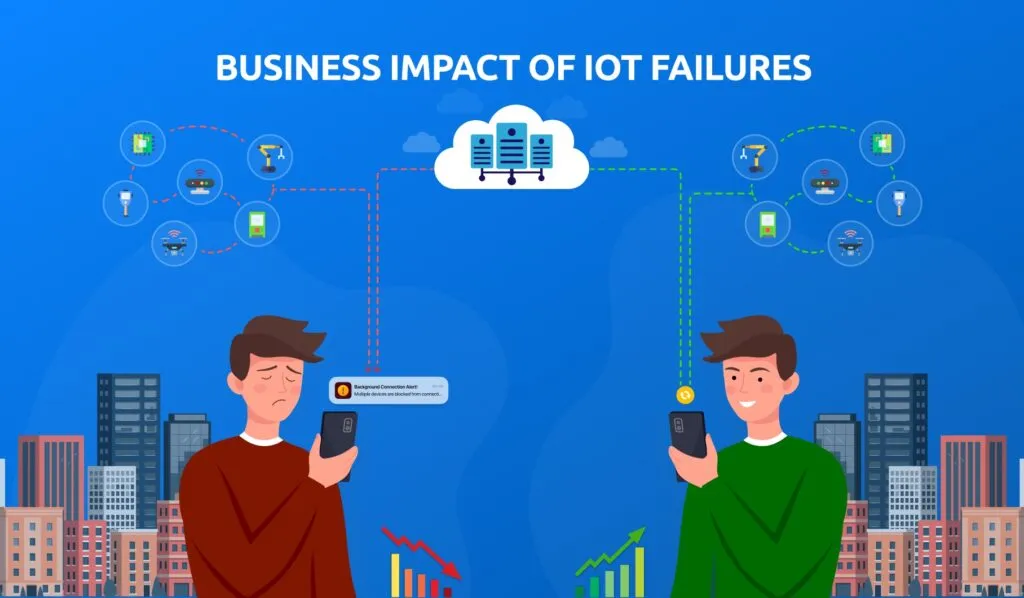
Business Impact of IoT Failures

In today’s digital world, mobile devices are central to how consumers and businesses interact with Internet of Things (IoT) devices. However, many IoT business use cases are directly impacted by how mobile operating systems, such as iOS and Android, manage apps when they are running in the background. These operating systems impose limits that can prevent apps from functioning effectively when not in the foreground. For IoT businesses, this can lead to disrupted services, unsatisfactory user experiences, and missed opportunities.

Key Business Use Cases Impacted by Background Limitations

There are several business-critical IoT use cases that struggle due to these operating system restrictions:

Real-Time Data Monitoring (Healthcare, Fitness, and Safety)

Many apps in sectors such as healthcare, fitness, and environmental monitoring rely on continuous data streams from IoT devices. For example, a health app might need to monitor heart rates or air quality sensors continuously. However, iOS and Android limit the amount of time apps can stay active in the background. This means the app can miss critical data if it’s not in the foreground, which can be problematic for industries that require real-time insights.

Automatic Device Reconnection (Smart Homes, Wearables, and Industrial IoT)

In smart homes or industrial settings, IoT devices (e.g., smart locks, wearable devices, or sensors) should automatically reconnect to a user’s smartphone when they come back into range. Unfortunately, these auto-connections are often hindered by mobile OS restrictions. Without constant connectivity, a smart lock may not open when expected, or a wearable might fail to sync properly.Many apps in sectors such as healthcare, fitness, and environmental monitoring rely on continuous data streams from IoT devices. For example, a health app might need to monitor heart rates or air quality sensors continuously. However, iOS and Android limit the amount of time apps can stay active in the background. This means the app can miss critical data if it’s not in the foreground, which can be problematic for industries that require real-time insights.

Proximity-Based Services (Retail, Access Control)

Retailers often want to provide customers with special offers or location-based services when they’re near the store, and security systems rely on proximity to trigger actions like unlocking doors. However, background limitations restrict an app’s ability to scan for these proximity events, resulting in lost opportunities for retailers and inconveniences for security systems.

Low-Power IoT Devices (Asset Tracking, Logistics)

Many IoT devices are designed to conserve battery power by staying in low-power modes when not actively in use. Mobile apps need to wake up these devices when required, but background limitations prevent apps from staying in constant communication, disrupting processes like asset tracking or environmental monitoring.

How We Overcome These Limitations with Alternative Solutions

Despite the challenges posed by these operating system limitations, we have successfully developed alternative approaches to ensure IoT solutions remain reliable and functional. Below are some of the strategies we use to help our clients deliver IoT solutions that work within the confines of mobile operating system restrictions:

Intelligent Device Reconnection Strategies

To address issues with auto-reconnections in smart homes or wearables, we’ve developed intelligent reconnection strategies that can work within operating system constraints. For example, on iOS, we use specific Bluetooth features that allow the app to “restore” its connection with a device once the phone is back in range. This makes sure that users don’t notice any disruptions in their smart home or wearable devices.

Using Notifications and Background Modes

One way to keep users informed and maintain app functionality is by utilizing push notifications to wake the app when important events occur. For example, in healthcare or fitness, the app can notify the user when there’s critical data, such as an abnormal heart rate or a sensor alarm. Additionally, both iOS and Android offer special background modes for apps using Bluetooth or location services, which we leverage to maintain necessary connections for our clients’ IoT products.

Cloud-Based Offloading

Cloud Based Solution

For IoT devices that need constant monitoring or interaction, we’ve found that offloading some tasks to the cloud can reduce the need for the mobile app to always run in the background. For example, in industrial IoT applications, the cloud can handle the continuous communication with devices, while the mobile app only interacts with the cloud when the user needs an update or alert.

Conclusion

Mobile operating system limitations are a reality that can significantly impact IoT business use cases. However, with the right strategies, these challenges can be overcome. At IOTTIVE, we have developed solutions that allow businesses to continue offering seamless IoT experiences despite these restrictions. By utilizing push notifications, intelligent reconnection strategies, cloud services, NFC, and other techniques, we ensure that our clients’ IoT applications work efficiently and reliably, providing the performance they need to succeed in today’s competitive landscape.

Upcoming Generation in Intelligent Wearables


With fashion-forward smartwatches, connected jeans and virtual reality headsets launching this year, it looks like the wearable device market is a next big market.

When you think about wearables, smartwatches probably spring to mind. But soon, you’ll be able to sport tech from head to toe. The next wave of fitness wearables will send data directly to doctors.

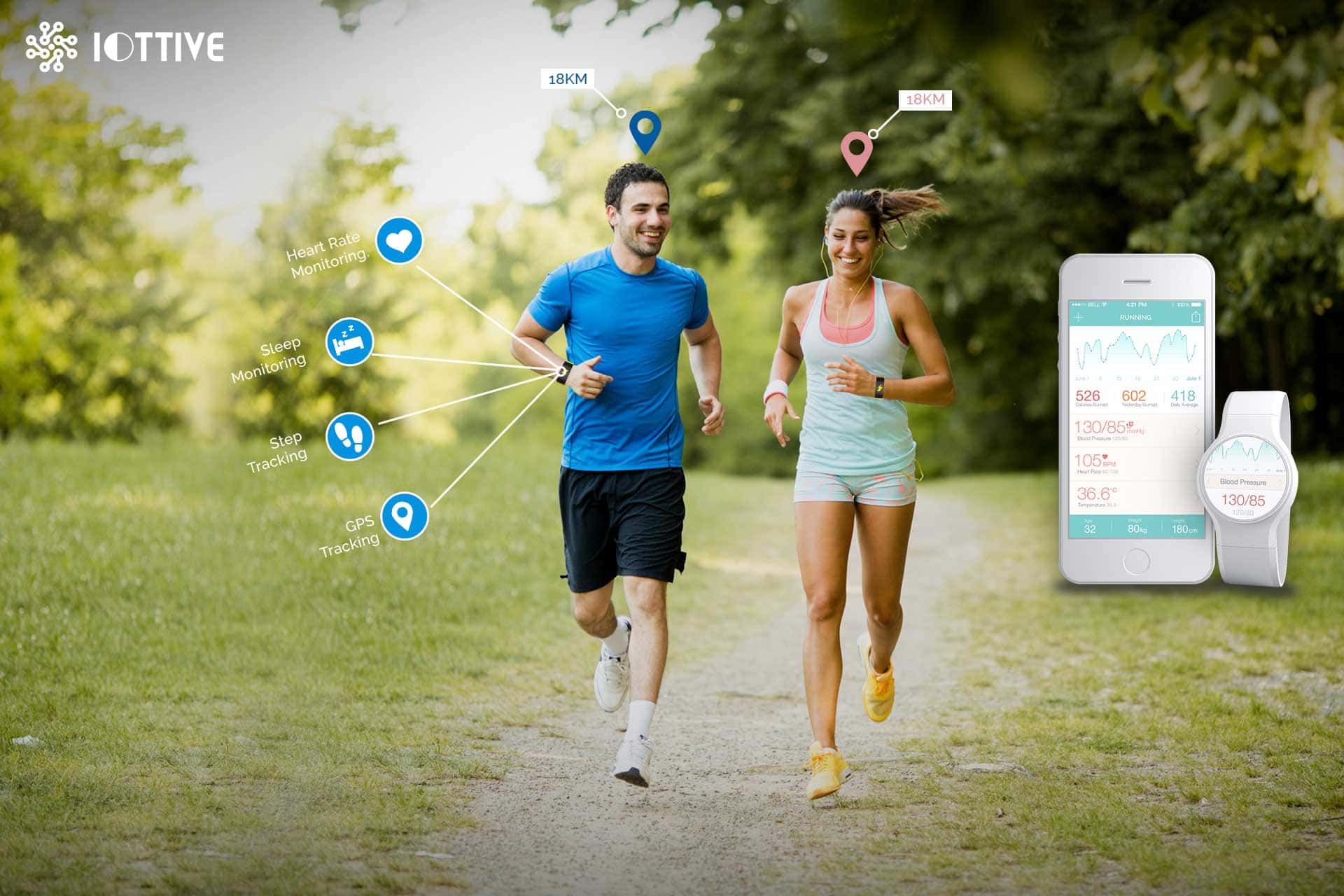
You’re committed to becoming more active and healthy. So you join a gym, find a workout buddy, or hire a personal trainer. And like more and more of us, you might also buy a fitness tracker—a wearable wireless device with built-in sensors that measure your physical activity. According to a Gartner study, 68.1 million wearable fitness trackers were expected to sell in 2015, and 91.3 million in 2016.

These mostly wrist-worn devices can tell you far more about your physical activity than the humble pedometer ever could. Current trackers—both dedicated devices and smartwatches with sensors—can measure your heart rate, distance traveled, speed, altitude, calories consumed, and even your sleep patterns the night before. As they evolve, and new kinds of sensors are built in, they can do what some targeted, wearable medical devices (such as blood glucose meters and cardiac monitors) can already do: Things like checking your breathing rate, stress level, and different types of brain activity.